Cat Food Bowl
CN → US| HS Code | Tariff Rate | Origin | Destination | Doc |
|---|---|---|---|---|
| 7323930060 | 62.0% | CN | US | Official Doc |
| 7323999030 | 88.4% | CN | US | Official Doc |
| 6911108010 | 38.3% | CN | US | Official Doc |
| 6911108090 | 38.3% | CN | US | Official Doc |
| 3924104000 | 13.4% | CN | US | Official Doc |
| 3924102000 | 24.0% | CN | US | Official Doc |
Product Images
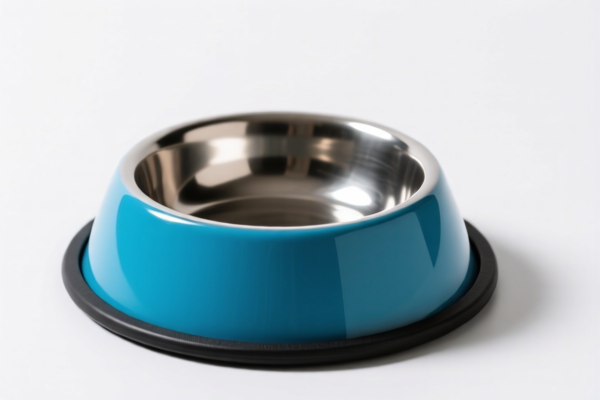
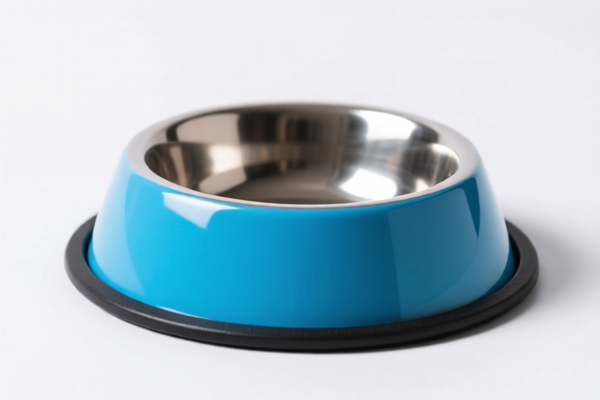
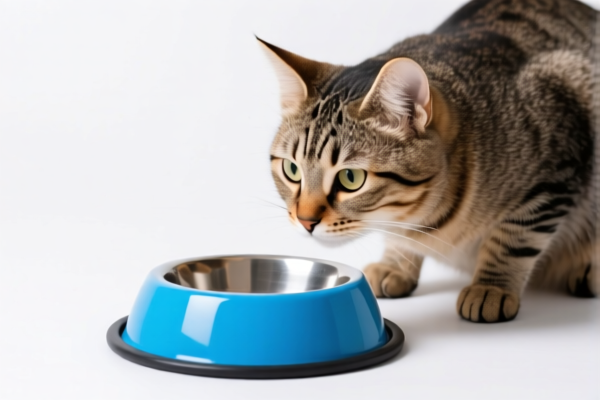

AI Analysis
🐾 Cat Food Bowl (Pet Feeding Accessories)
🌐 HS Code Reference & Customs Clearance Guide | 2026 Latest Tariff Analysis | Professional Clearance Strategy
📌 I. Product Definition & Classification: Do You Really Know What a "Cat Food Bowl" Is?
A Cat Food Bowl is a feeding accessory designed specifically for pets. In international trade, its classification is strictly determined by material and specific usage context. Unlike human tableware, which often falls under distinct ceramic/plastic or metal categories depending on finish, pet bowls are classified based on their base material because they rarely meet the "fine porcelain" or "dinner service" standards for high-end human use.
Key Classification Logic: * Plastic Bowls: Simple, mass-produced items → Chapter 39 * Ceramic/Stoneware Bowls: Food-contact, durable material → Chapter 69 * Stainless Steel/Metal Bowls: Hygienic, durable, often used for water/food → Chapter 73 * Mixed Material Bowls (e.g., Ceramic base + Steel rim): Complex classification; usually defaults to the primary material or "other" categories.
⚠️ Critical Distinction:
- If the bowl is plain plastic (no complex electronics/heating) → 3924.10
- If the bowl is ceramic and meant for food contact → 6911.10
- If the bowl is stainless steel/ceramic mix (common in "smart" or elevated feeders) → 7323.93
- If the bowl is plain iron/steel (rare for premium pet products, but possible for industrial/kennel use) → 7323.99
📦 II. HS Code Classification Details (2026 Latest Tariff Authority对照)
| HS Code | Product Description | Material Inference | Use Case | Tax Complexity |
|---|---|---|---|---|
3924.10.40.00 |
Tableware, kitchenware & other household articles of plastics: Bowls | Plastic | Standard disposable or lightweight plastic pet bowls | 🟢 Lowest Tax |
3924.10.20.00 |
Tableware, kitchenware & other household articles of plastics: Cups/Mugs | Plastic | Rigid plastic bowls, often double-walled or insulated | 🟡 Medium Tax |
6911.10.80.10 |
Tableware & kitchenware of porcelain or china: Not for human use, or specific pet categories | Ceramic | Ceramic pet bowls, non-human use or specialized pet design | 🟢 Low Tax |
6911.10.80.90 |
Tableware & kitchenware of porcelain or china: Other | Ceramic | General ceramic tableware, potentially used for pets but classified broadly | 🟢 Low Tax |
7323.93.00.60 |
Tableware & kitchenware of stainless steel: Other | Stainless Steel or Ceramic-Mix | Stainless steel bowls, or bowls with stainless steel components (e.g., elevated feeders) | 🔴 Highest Tax |
7323.99.90.30 |
Tableware & kitchenware of iron or steel (other than stainless): Other | Iron or Steel | Non-stainless metal bowls, kennel-grade feeding dishes | 🔴 Highest Tax |
🔍 Key Reminder:
- Plastic items generally face lower base tariffs but may be subject to Section 301 (US) if origin is China.
- Ceramic items have higher base tariffs but often lower additional penalties compared to steel.
- Steel/Stainless Steel items face the heaviest combined tax burden due to Section 122 and Section 301 tariffs.
💰 III. 2026 Latest Tariff Rate Breakdown (Including Additional Duties & Policies)
✅ Applicable Country: United States (US)
✅ Country of Origin: China (CN)
✅ Effective Date: November 10, 2025 (and subsequent imports)
🎯 1. 3924.10.40.00 — Plastic Bowls (Lowest Tax)
| Item | Details |
|---|---|
| Base Tariff | 3.4% (Ad Valorem) |
| Section 301 Additional Tariff | 0.0% (Exempt or Low Rate for certain plastics) |
| Section 122 Tariff (Steel/Aluminum/Copper) | 0.0% (Does not apply to plastic) |
| Total Tax Rate | 13.4% |
| Tax Calculation | CIF Value × 13.4% |
| De Minimis Eligibility | ✅ Yes (If value ≤ $800, may be duty-free under Section 321) |
| Legal Basis Path | HTSUS:3924.10.40.00 → USITC:Footnote 301-Exempt |
📌 Explanation:
- Plastic tableware benefits from lower base duties.
- Crucially, it avoids the 50% Section 122 tariff and the 25% Section 301 tariff that plague metal products.
- Total cost is significantly lower, making plastic the most tariff-efficient option for bulk shipments.
🎯 2. 3924.10.20.00 — Rigid Plastic Bowls
| Item | Details |
|---|---|
| Base Tariff | 6.5% (Ad Valorem) |
| Section 301 Additional Tariff | 7.5% (Certain plastic goods subject to partial 301) |
| Section 122 Tariff | 0.0% |
| Total Tax Rate | 24.0% |
| Tax Calculation | CIF Value × 24.0% |
| De Minimis Eligibility | ✅ Yes (If value ≤ $800) |
| Legal Basis Path | HTSUS:3924.10.20.00 → USITC:Footnote 301-Partial |
📌 Note:
- Some rigid plastic items face a 7.5% additional tariff due to specific USITC rulings.
- Still far cheaper than metal alternatives.
🎯 3. 6911.10.80.10 — Ceramic Bowls (Pet-Specific or Non-Human)
| Item | Details |
|---|---|
| Base Tariff | 20.8% (Ad Valorem) |
| Section 301 Additional Tariff | 7.5% |
| Section 122 Tariff | 0.0% (Ceramic is not steel/aluminum) |
| Total Tax Rate | 38.3% |
| Tax Calculation | CIF Value × 38.3% |
| De Minimis Eligibility | ❌ No (Ceramics often excluded from de minimis for duty reasons) |
| Legal Basis Path | HTSUS:6911.10.80.10 → USITC:Footnote 301 |
📌 Explanation:
- Ceramic has a high base tariff (20.8%).
- However, it avoids the 50% Section 122 penalty entirely.
- Total 38.3% is moderate but higher than plastic.
🎯 4. 6911.10.80.90 — Other Ceramic Tableware
| Item | Details |
|---|---|
| Base Tariff | 20.8% |
| Section 301 Additional Tariff | 7.5% |
| Section 122 Tariff | 0.0% |
| Total Tax Rate | 38.3% |
| Tax Calculation | CIF Value × 38.3% |
| De Minimis Eligibility | ❌ No |
| Legal Basis Path | HTSUS:6911.10.80.90 → USITC:Footnote 301 |
📌 Note:
- Similar to above. If the bowl is not explicitly classified as "pet-specific," it may fall under "other" ceramic tableware, resulting in the same tax rate.
🎯 5. 7323.93.00.60 — Stainless Steel or Mixed Material Bowls
| Item | Details |
|---|---|
| Base Tariff | 2.0% |
| Section 301 Additional Tariff | 25.0% (Standard 301 rate for steel goods) |
| Section 122 Tariff | 50.0% (Specific to Steel/Aluminum/Copper products) |
| Total Tax Rate | 62.0% |
| Tax Calculation | CIF Value × 62.0% |
| De Minimis Eligibility | ❌ No |
| Legal Basis Path | HTSUS:7323.93.00.60 → IEEPA:9903.01.25 → USITC:122-Tariff |
📌 Explanation:
- This is a high-risk classification.
- Even though the base tariff is low (2%), the Section 122 50% tariff and Section 301 25% tariff create a 62% total burden.
- Do not use this code for simple stainless steel bowls unless you have a specific exemption.
🎯 6. 7323.99.90.30 — Iron/Steel (Non-Stainless) Bowls
| Item | Details |
|---|---|
| Base Tariff | 3.4% |
| Section 301 Additional Tariff | 25.0% |
| Section 122 Tariff | 50.0% |
| Total Tax Rate | 88.4% |
| Tax Calculation | CIF Value × 88.4% |
| De Minimis Eligibility | ❌ No |
| Legal Basis Path | HTSUS:7323.99.90.30 → IEEPA:9903.01.25 → USITC:122-Tariff |
📌 Warning:
- Highest possible tax rate.
- Iron/steel items face the full brunt of Section 122 and Section 301.
- Avoid this code unless the product is strictly non-stainless industrial kennel ware.
🛠️ IV. Customs Clearance Practical Advice (Real-World Pitfall Guide)
✅ 1. Documentation Checklist (Mandatory)
| Document | Required | Notes |
|---|---|---|
| ✅ Product Specification Sheet | ✔️ | Must specify Material (Plastic, Ceramic, Steel), Weight, Dimensions |
| ✅ Product Photos (Clear) | ✔️ | Show the entire bowl, including any logos, packaging, and material labels (e.g., "Stainless Steel 304") |
| ✅ Commercial Invoice | ✔️ | Clearly state: "Cat Food Bowl, Material: [Plastic/Ceramic/Stainless Steel]" |
| ✅ Packing List | ✔️ | Itemize quantities by weight/volume |
| ✅ Origin Certificate | ✔️ | If non-China origin, claim GSP or FTA benefits where applicable |
✅ 2. Declaration Tips (Key Mnemonic)
🔥 "Material Dictates Tax: Plastic Low, Ceramic Medium, Steel High!"
| Scenario | Correct HS Code | Tax Rate | Avoid If... |
|---|---|---|---|
| Simple Plastic Bowl | 3924.10.40.00 |
13.4% | It’s not "kitchenware for humans" but "pet supply" → Still plastic, but ensure description matches |
| Ceramic Pet Bowl | 6911.10.80.10 |
38.3% | It’s fine porcelain for humans → Would be higher tax; clarify "Pet Use" |
| Stainless Steel Bowl | 7323.93.00.60 |
62.0% | You want to save money → Consider switching to plastic or ceramic |
| Iron/Steel Kennel Bowl | 7323.99.90.30 |
88.4% | It’s actually stainless steel → Misclassification leads to penalties |
📌 Critical Warning:
- Do not under-declare plastic as ceramic to save on base tax. Customs may inspect and apply the correct (higher) tax + penalties.
- Do not over-declare plastic as stainless steel unless it has significant steel components (e.g., a stainless bowl inside a plastic tray). If so, use7323.93.00.60but be prepared for 62% tax.
✅ 3. Special Case Handling
| Scenario | Handling Advice |
|---|---|
| Elevated Feeders (Wood + Steel) | If steel is a major component, may fall under 7323.93.00.60 (62%). Consider declaring as "Furniture" if applicable, but risk is high. |
| Silicone Bowls | Classify under 3924.10.40.00 (Plastic) as silicone is a polymer. Tax: 13.4% |
| Glass Bowls | Classify under 7013.99 (Glassware). Tax varies (usually ~5-10% + Section 301). Check specific code. |
| Bamboo/Wood Bowls | Classify under 4420 (Wooden articles). Tax: ~3-5% + Section 301. Very low tax! |
🌍 V. Global Market Comparison (2026 Latest)
| Country/Region | Recommended HS Code | Tax Rate (China Origin) | Notes |
|---|---|---|---|
| 🇺🇸 USA | 3924.10.40.00 (Plastic) |
13.4% | Best option for cost efficiency |
| 🇺🇸 USA | 7323.93.00.60 (Steel) |
62.0% | Avoid if possible |
| 🇨🇳 China | 3924.10.40.00 |
5-10% | Low import tax |
| 🇪🇺 EU | 3924.10.40.00 |
5-7% | No Section 122/301 equivalents |
| 🇯🇵 Japan | 3924.10.40.00 |
5-8% | Stable, low tariff |
📌 Conclusion:
- Plastic and Ceramic are the most tariff-efficient materials for cat food bowls in the US.
- Stainless Steel faces punitive tariffs (62-88%) due to Section 122 and Section 301.
- Strategy: If price-sensitive, switch to Plastic or Ceramic. If branding requires Stainless Steel, factor in 62% tax into your pricing.
📌 VI. Common Mistakes & Pitfalls (Blood & Tears Lessons)
❌ Mistake 1: Declaring a Stainless Steel Bowl as "Kitchen Ware" without specifying material.
👉 Consequence: Customs assigns the worst-case scenario or demands extensive documentation, causing delays.
❌ Mistake 2: Declaring a Plastic Bowl as "Ceramic" to avoid plastic-specific regulations.
👉 Consequence: Inspection reveals material mismatch → Seizure or Refund.
❌ Mistake 3: Ignoring Section 122 for steel products.
👉 Consequence: Surprise 50% tax at customs → Massive profit loss.
✅ Correct Declaration Example:
"Cat Food Bowl, Material: Polypropylene Plastic, Color: Blue, for Pet Use, HS Code: 3924.10.40.00"
🎯 VII. Conclusion: Smart Sourcing, Higher Profits!
🎯 Remember the Mnemonic:
🔹 "Plastic Low (13.4%), Ceramic Med (38.3%), Steel High (62-88%)"
🔹 "Material Matters: Don't Pay 62% for a $5 Bowl!"
📌 Pro Tip:
If your cat food bowls are made in Vietnam, Thailand, or Indonesia, you may exempt Section 301/122 tariffs, reducing the tax burden significantly.
Consider supply chain diversification to mitigate US tariff risks.
📣 Immediate Action:
📞 Consult a Customs Broker + Provide Material Samples + Apply for Advance Ruling
🚀 Optimize your HS Code to save up to 50% in tariffs!
✨ Professional Clearance Starts with Accurate Classification!
💼 Every Percent Saved is Pure Profit!
Customer Reviews
About HS Code Classification
The Harmonized System (HS) is an internationally standardized nomenclature developed by the World Customs Organization (WCO) to classify traded products. Over 200 countries use the HS system as the basis for customs tariffs, trade statistics, and import/export regulations.
Each HS code follows a hierarchical structure:
- Chapter (2 digits) — Broad category of goods (e.g., Chapter 84: Machinery and Mechanical Appliances)
- Heading (4 digits) — More specific grouping within the chapter
- Subheading (6 digits) — Internationally standardized breakdown, used by all WCO member countries
- National subdivisions (8-10 digits) — Country-specific extensions for further classification, such as US HTSUS 10-digit codes
Correct HS code classification is essential for smooth customs clearance, accurate duty payment, and compliance with trade regulations. Misclassification can lead to customs delays, overpayment of duties, or penalties.
When importing from CN to US, the applicable tariff rates may include:
- Most-Favored-Nation (MFN) rate — The standard duty rate applied to WTO members
- General rate — Applied to countries without trade agreements
- Trade remedy duties — Additional tariffs such as Section 301 (anti-dumping), Section 232 (national security), or countervailing duties
The information provided on this page is for reference purposes only. For official classification, please consult with your local customs authority or a licensed customs broker.