Cat Litter
CN → US| HS Code | Tariff Rate | Origin | Destination | Doc |
|---|---|---|---|---|
| 7323999080 | 88.4% | CN | US | Official Doc |
| 3924905610 | 20.9% | CN | US | Official Doc |
| 6912005000 | 16.0% | CN | US | Official Doc |
| 7323999040 | 88.4% | CN | US | Official Doc |
| 6912004810 | 19.8% | CN | US | Official Doc |
Product Images
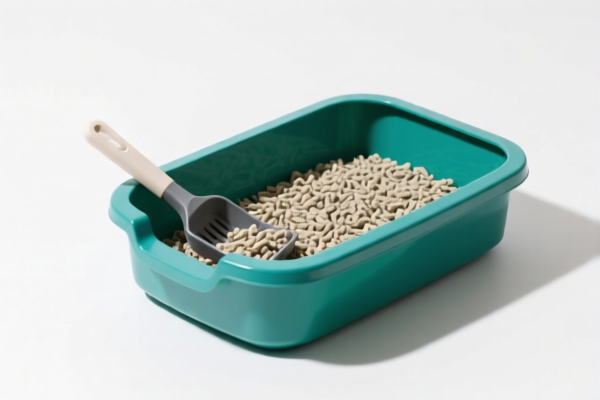
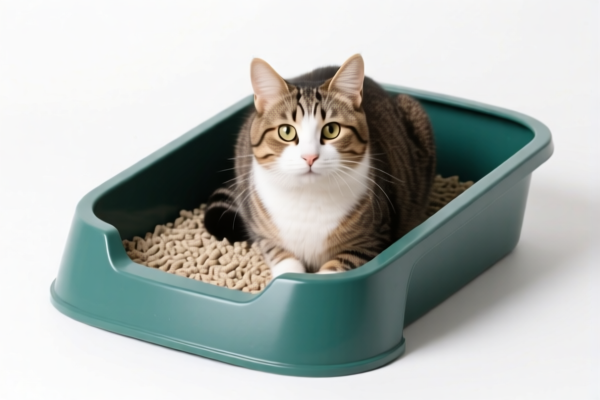
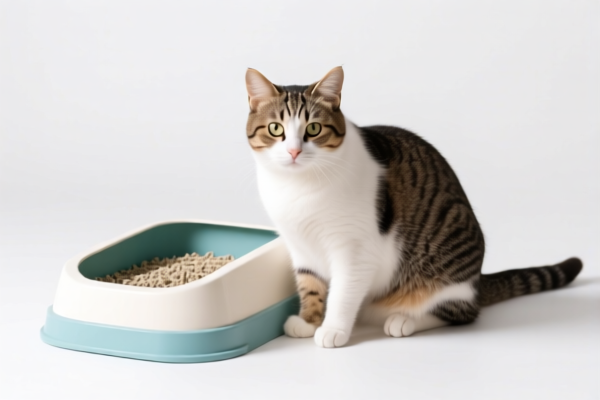
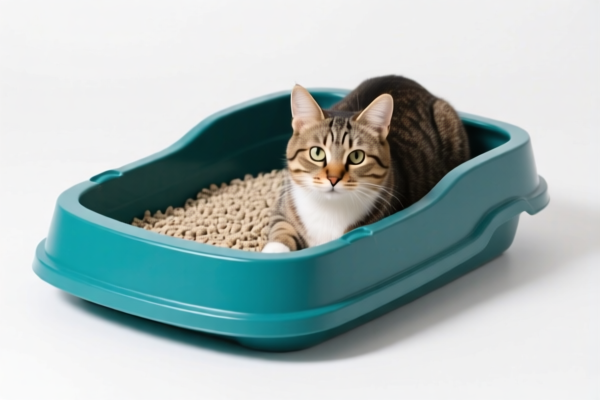
AI Analysis
🐈 Cat Litter (Feline Hygiene Products)
🌐 HS Code Reference & Customs Clearance Guide | 2024/2025 Latest Tariff Analysis | Professional Clearance Strategy
📌 I. Product Definition & Classification: Do You Really Know What "Cat Litter" Is?
Cat litter is a material used in litter boxes to absorb waste from cats. In international trade, it is strictly classified based on its material composition and end-use. Misclassification is common, leading to severe tariff discrepancies (ranging from ~16% to 88.4%).
There are two primary categories: 1. Ceramic/Porcelain-Based Litter: Includes clay, bentonite, silica gel, or mineral-based litters. 2. Plastic/Polymer-Based Litter: Includes pellets, beads, or molded plastic absorbers. 3. Metal/Steel-Based Accessories: Note that if the "litter" refers to a pen, enclosure, or restrictor made of metal, it falls under a completely different category with vastly higher taxes.
⚠️ Key Distinction Point: - If the material is clay/mineral/porcelain → Classified under Chapter 69 (Ceramics). - If the material is plastic/polymer → Classified under Chapter 39 (Plastics) or Chapter 73 (Steel) if structural. - CRITICAL WARNING: If the product is a pet pen/enclosure/fence made of metal, it is NOT litter in the absorbent sense but a "pet accessory/restrictor." This triggers the highest tariff bracket.
📦 II. HS Code Classification Details (Based on Provided Data)
| HS Code | Product Description | Material | Usage Context | Tax Rate |
|---|---|---|---|---|
6912.00.50.00 |
Other tableware/kitchenware of porcelain or ceramic | Non-porcelain/Ceramic | Household items (Absorbent litter) | 16.0% |
6912.00.48.10 |
Other tableware/kitchenware of porcelain or ceramic | Non-porcelain/Ceramic | Household items & Hygiene products (Absorbent litter) | 19.8% |
3924.90.56.10 |
Tableware, kitchenware, other household articles of plastic | Plastic | Other household items (Plastic litter/pellets) | 20.9% |
7323.99.90.80 |
Other tableware, kitchenware, other household articles of iron or steel | Iron/Steel | Household items (Misclassified or Metal Pen?) | 88.4% |
7323.99.90.40 |
Other tableware, kitchenware, other household articles of iron or steel | Plastic/Metal | Pet Enclosure/Fence/Restrictor (Metal structure) | 88.4% |
🔍 Critical Insight: - HS Code 6912 applies to clay, bentonite, or silica-based litters. These are considered "ceramic/household items." - HS Code 3924 applies to plastic-based litter (e.g., plastic pellets, molded plastic balls). - HS Code 7323 is the danger zone. If the product is a metal cat pen, enclosure, or fence (even if used for cats), it is classified as "Household Article of Iron/Steel." If declared incorrectly as "Cat Litter" when it is actually a metal structure, or if the system flags it as a "restrictor," the tax jumps to 88.4%.
💰 III. Detailed Tax Rate Breakdown (2024/2025 Latest Tariffs)
✅ Applicable Country: United States (US)
✅ Origin: China (CN)
✅ Effective Date: Current trade policies (Section 301, Section 232, IEEPA)
🎯 1. 6912.00.50.00 — Ceramic/Clay Cat Litter (Other Household)
| Item | Content |
|---|---|
| Base Tariff | 6.0% (ad valorem) |
| Additional Tariff (Section 301) | 0.0% |
| IEEPA/Other Surcharges | 10.0% (Specific surcharge applicable to this line) |
| Total Tax Rate | 16.0% |
| Tax Calculation | CIF Value × 16.0% |
| De Minimis Exemption | ❌ No (Apply to all shipments > $800) |
| Legal Basis | Base Rate + 10% Specific Surcharge |
📌 Explanation: - Clay/lunar-based litters enjoy a moderate tax burden. - The 10% surcharge is specific to this subheading under current regulations. - Recommendation: This is the most cost-effective classification for standard clay/silica litters.
🎯 2. 6912.00.48.10 — Ceramic/Cat Litter (Household & Hygiene)
| Item | Content |
|---|---|
| Base Tariff | 9.8% |
| Additional Tariff (Section 301) | 0.0% |
| IEEPA/Other Surcharges | 10.0% |
| Total Tax Rate | 19.8% |
| Tax Calculation | CIF Value × 19.8% |
| De Minimis Exemption | ❌ No |
| Legal Basis | Base Rate + 10% Specific Surcharge |
📌 Note: - Slightly higher than
6912.00.50.00due to the "Hygiene Product" designation. - Use this if the litter is specifically marketed as a medical/hygiene-grade product.
🎯 3. 3924.90.56.10 — Plastic Cat Litter (Tableware/Household)
| Item | Content |
|---|---|
| Base Tariff | 3.4% |
| Additional Tariff (Section 301) | 7.5% |
| IEEPA/Other Surcharges | 10.0% |
| Total Tax Rate | 20.9% |
| Tax Calculation | CIF Value × 20.9% |
| De Minimis Exemption | ❌ No |
| Legal Basis | Base Rate + 7.5% + 10% Surcharge |
📌 Note: - Plastic pellets or molded plastic litter fall here. - The base tariff is low (3.4%), but the additional surcharges push it to 20.9%.
🚨 4. 7323.99.90.80 & 7323.99.90.40 — Metal Pet Enclosures/Restrictors
| Item | Content |
|---|---|
| Base Tariff | 3.4% |
| Additional Tariff (Section 301) | 25.0% |
| Section 232 (Steel/Aluminum) | 50% |
| IEEPA/Other Surcharges | 10.0% |
| Total Tax Rate | 88.4% |
| Tax Calculation | CIF Value × 88.4% |
| De Minimis Exemption | ❌ No |
| Legal Basis | Base + 301 (25%) + 232 (50%) + 10% |
⚠️ CRITICAL WARNING: - DO NOT USE HS CODE 7323 FOR ABSORBENT LITTER. - This high tax rate applies ONLY if the product is a metal structure (e.g., cat pen, cage, fence, restrictor). - If you ship clay litter but use this HS Code, you will overpay significantly. - If you ship a metal cat pen but classify it as "Cat Litter" (HS 6912/3924), you risk customs seizure, fines, and retroactive taxes. - Section 232 Tariff (50%) applies specifically to steel/aluminum products. This is the biggest cost driver.
🛠️ IV. Customs Clearance Practical Advice (Avoid Pitfalls)
✅ 1. Document Checklist (Mandatory)
| Document | Required | Notes |
|---|---|---|
| ✅ Product Composition Statement | ✔️ | Must clearly state: "Clay," "Bentonite," "Silica," or "Plastic." |
| ✅ Product Photos | ✔️ | Show texture and packaging. For metal items, show structure (welded, mesh, etc.). |
| ✅ Commercial Invoice | ✔️ | Description must match HS Code. E.g., "Clay Cat Litter" vs. "Metal Cat Enclosure." |
| ✅ Material Safety Data Sheet (MSDS) | ✔️ | For clay/silica to prove non-hazardous. |
| ✅ Import License | ✔️ | If applicable for certain metal products. |
✅ 2. Declaration Strategy (Key Rules)
🔥 "Material Defines Code, Structure Defines Tax!"
| Scenario | Correct HS Code | Incorrect Code | Consequence |
|---|---|---|---|
| Clay/Bentonite Litter | 6912.00.50.00 (16%) |
7323.99.90.80 (88.4%) |
Overpayment by 72.4% |
| Plastic Pellet Litter | 3924.90.56.10 (20.9%) |
7323.99.90.80 (88.4%) |
Overpayment by 67.5% |
| Metal Cat Pen/Enclosure | 7323.99.90.40 (88.4%) |
6912.00.50.00 (16%) |
Customs Seizure, Fines, Back Taxes |
| Mixed Package (Litter + Metal Box) | Split Declaration | Single Declaration | Risk of Misclassification |
📌 Expert Tip: - If selling clay litter, ensure your HS Code is 6912. - If selling metal cat furniture/pens, declare as 7323. Do not try to hide it as "litter." - Never declare a metal structure as "plastic" or "ceramic" to avoid taxes. Customs will inspect the physical good.
✅ 3. Special Cases
| Case | Advice |
|---|---|
| Silica Gel Litter | Still falls under 6912 (Ceramic/Mineral). Not plastic. |
| Wooden Cat Litter Box | Check Chapter 44 (Wood). May have lower taxes than 7323. |
| Disposable Plastic Litter Mat | May fall under 3926 or 6307. Verify with customs broker. |
| Cat Pen (Wire Mesh) | Must use 7323. Prepare for 88.4% tax or find duty-exempt origin. |
🌍 V. Global Market Comparison (2024/2025)
| Market | Recommended HS Code | Est. Tax Rate | Notes |
|---|---|---|---|
| 🇺🇸 USA | 6912.00.50.00 |
16.0% | For clay litter. |
| 🇺🇸 USA | 7323.99.90.40 |
88.4% | For metal pens/cages. |
| 🇨🇳 China | 6912.00.50.00 |
~5-6% | No Section 301/232 surcharges. |
| 🇪🇺 EU | 6912.00.00 |
~0-5% | Low tariffs, strict REACH compliance. |
| 🇬🇧 UK | 6912.00.00 |
~0-5% | Post-Brexit rules apply. |
📌 Conclusion: - USA is the most expensive market for metal pet products due to Section 232 (50%) + Section 301 (25%). - Clay/Silica litter remains relatively affordable (16-20%) in the US. - Strategy: If you are selling metal cat enclosures, consider sourcing from non-China origins to avoid Section 301/232, or absorb the 88.4% cost. If selling clay litter, use HS 6912 for optimal tax efficiency.
📌 VI. Common Errors & Pitfalls (Lessons Learned)
❌ Error 1: Declaring Clay Litter under 7323 (Steel).
👉 Result: You pay 88.4% instead of 16.0%. Loss: 72.4% of value.
❌ Error 2: Declaring Metal Cat Pen as "Cat Litter" under 6912.
👉 Result: Customs inspection reveals metal structure. Seizure, fines, and retroactive 88.4% tax + storage fees.
❌ Error 3: Ignoring Section 232 for steel products.
👉 Result: Even if Section 301 is avoided, Section 232 (50%) still applies to steel/aluminum household articles.
✅ Correct Approach:
- Clay/Silica Litter: "Cat Litter, Clay-Based, Granular, Non-Clumping" → HS 6912.00.50.00
- Plastic Litter: "Cat Litter, Plastic Pellets, Absorbent" → HS 3924.90.56.10
- Metal Pen: "Wire Mesh Cat Enclosure, Foldable" → HS 7323.99.90.40
🎯 VII. Conclusion: Precision Classification Saves Money!
🎯 Remember the Mantra:
🔹 "Clay is Ceramic (6912), Plastic is Polymer (3924), Metal is Steel (7323)."
🔹 "Metal structures pay 88.4%, Clay pays 16%. Don't mix them up!"
🔹 "Section 232 kills metal profits. Choose origin wisely."
📌 Pro Tip:
If your Cat Litter is made of wood, paper, or soy, verify if it falls under different chapters (e.g., Chapter 44 for wood, Chapter 47 for paper). The provided data focuses on Clay, Plastic, and Metal. Ensure your product material matches the HS Code exactly.
📣 Immediate Action:
📞 Consult a licensed customs broker for Advance Rulings if your product is hybrid (e.g., clay litter in a metal box).
🚀 Clearance starts with accurate material declaration!
✨ Professional clearance, precise classification!
💼 Every percentage point matters!
Customer Reviews
About HS Code Classification
The Harmonized System (HS) is an internationally standardized nomenclature developed by the World Customs Organization (WCO) to classify traded products. Over 200 countries use the HS system as the basis for customs tariffs, trade statistics, and import/export regulations.
Each HS code follows a hierarchical structure:
- Chapter (2 digits) — Broad category of goods (e.g., Chapter 84: Machinery and Mechanical Appliances)
- Heading (4 digits) — More specific grouping within the chapter
- Subheading (6 digits) — Internationally standardized breakdown, used by all WCO member countries
- National subdivisions (8-10 digits) — Country-specific extensions for further classification, such as US HTSUS 10-digit codes
Correct HS code classification is essential for smooth customs clearance, accurate duty payment, and compliance with trade regulations. Misclassification can lead to customs delays, overpayment of duties, or penalties.
When importing from CN to US, the applicable tariff rates may include:
- Most-Favored-Nation (MFN) rate — The standard duty rate applied to WTO members
- General rate — Applied to countries without trade agreements
- Trade remedy duties — Additional tariffs such as Section 301 (anti-dumping), Section 232 (national security), or countervailing duties
The information provided on this page is for reference purposes only. For official classification, please consult with your local customs authority or a licensed customs broker.