Cat Litter Box
CN → US| HS Code | Tariff Rate | Origin | Destination | Doc |
|---|---|---|---|---|
| 7323999080 | 88.4% | CN | US | Official Doc |
| 3924905610 | 20.9% | CN | US | Official Doc |
| 6912005000 | 16.0% | CN | US | Official Doc |
| 7323999040 | 88.4% | CN | US | Official Doc |
| 6912004810 | 19.8% | CN | US | Official Doc |
Product Images
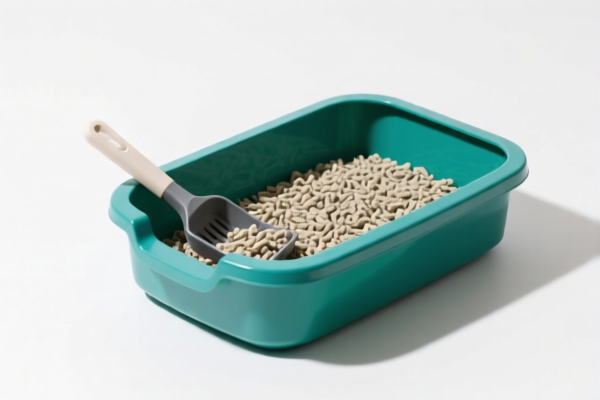
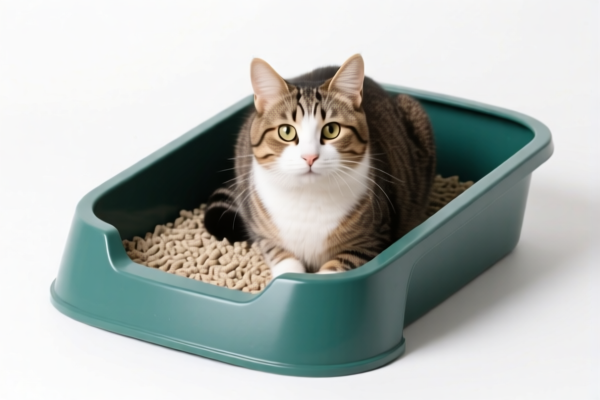
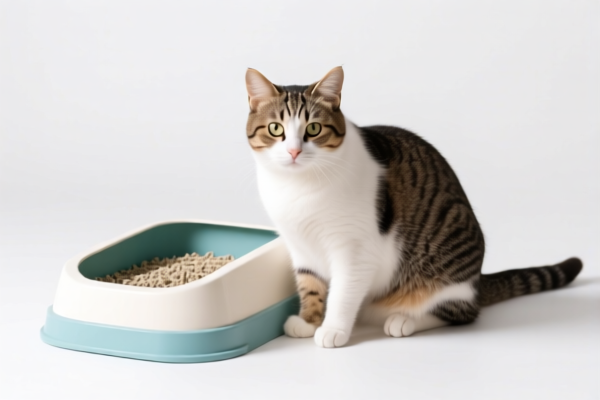
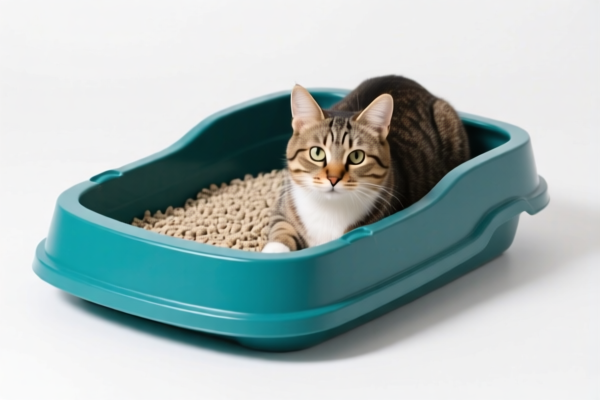
AI Analysis
🐈 Cat Litter Box (Pet Supply / Household Item)
🌐 HS Code Reference & Customs Clearance Guide | 2026 Latest Tariff Analysis | Strategic Clearance Strategy
📌 I. Product Definition & Classification: What is a "Cat Litter Box"?
A Cat Litter Box is an essential household item for pet owners, designed to contain cat waste and maintain hygiene. In international trade, its classification depends heavily on the material and specific design, falling broadly under "Household Articles" or "Plastics/Metal Products."
⚠️ Key Classification Logic:
- If made of ceramic/porcelain (often mimicking high-end home decor) → Chapter 69.
- If made of plastic (most common, disposable or durable) → Chapter 39.
- If made of iron/steel (heavy-duty, outdoor, or industrial-style) → Chapter 73.
📦 II. HS Code Classification Details (2026 Latest Tariff Authority)
Based on the provided data, here are the four potential HS Codes depending on the material inference:
| HS Code | Material Inference | Product Description & Logic | Tax Category |
|---|---|---|---|
6912.00.48.10 |
Non-Ceramic (Often Plastic) | Other Household Items & Sanitary Articles. Inferred as non-porcelain based on common sense. Fits the "Other household items" category for pet supplies. |
Household/Sanitary |
3924.90.56.50 |
Plastic | Plastic Household Articles (Other). Standard plastic litter box. Falls under the "basket" category for other plastic household goods. |
Plastic Household |
7323.99.90.80 |
Iron/Steel | Other Household Articles (Iron/Steel). Inferred as metal. Falls under "Other household articles and sanitary ware" for metal products. |
Metal Household |
3924.90.56.10 |
Plastic | Plastic Household Articles (Other). Similar to 3924.90.56.50, matches "Other household articles" with "plastics" material consistency. |
Plastic Household |
6912.00.50.00 |
Non-Ceramic (Plastic/Other) | Household Sanitary/Pet Supplies. Non-porcelain household item. No conflict with "Other" category usage/material. |
Household/Sanitary |
7323.99.90.40 |
Plastic or Metal | Pet Enclosure/Restraint Accessories. Inferred as plastic or metal. Reasonable extension or fallback for pet fencing/restriction use. |
Pet Accessory |
🔍 Important Note:
- The Material is the primary driver for classification here.
- If the product is a simple plastic tray, 3924 is the most likely path.
- If it’s a high-end, ceramic-looking box but actually plastic, customs may still look to 3924 unless explicitly declared as ceramic.
- Metal boxes are rare but possible for outdoor/heavy-use scenarios, triggering 7323.
💰 III. 2026 Latest Tariff Rate Breakdown (Including Surtaxes & Policy Add-ons)
✅ Applicable Country: United States (US)
✅ Origin: China (CN)
✅ Effective Date: 2025/2026 (Current Trade Environment)
🎯 1. 6912.00.48.10 —— Non-Ceramic Household Items (Plastic/Pet)
| Item | Content |
|---|---|
| Base Tariff | 9.8% |
| Section 301 Surtax | 0.0% (Exempt or low-risk category for non-ceramic) |
| 122 Clause Tariff | +10% |
| Total Tariff | 19.8% |
| Tax Calculation | CIF Value × 19.8% |
| De Minimis Eligibility | ❌ No (High tariff rate exceeds de minimis thresholds for many carriers) |
| Legal Basis Path | USITC:6912.00.48.10 → FOOTNOTE:122 |
📌 Explanation:
- This code assumes the item is not ceramic. If declared as ceramic by mistake, it could shift to higher-duty ceramic codes.
- The 0% Section 301 is a significant advantage compared to metal/plastic alternatives.
- 10% 122 Clause is a standard administrative tariff.
🎯 2. 3924.90.56.50 & 3924.90.56.10 —— Plastic Household Articles
| Item | Content |
|---|---|
| Base Tariff | 3.4% |
| Section 301 Surtax | +7.5% |
| 122 Clause Tariff | +10% |
| Total Tariff | 20.9% |
| Tax Calculation | CIF Value × 20.9% |
| De Minimis Eligibility | ❌ No |
| Legal Basis Path | USITC:3924.90.56.xx → FOOTNOTE:122 → Section 301:7.5% |
📌 Explanation:
- Plastic is the most common material for litter boxes.
- While the base tariff is low (3.4%), the 7.5% Section 301 surtax adds up.
- Both3924.90.56.50and3924.90.56.10have the same total tax (20.9%). Choose based on specific plastic sub-category nuances.
🎯 3. 7323.99.90.80 & 7323.99.90.40 —— Iron/Steel Pet Products
| Item | Content |
|---|---|
| Base Tariff | 3.4% |
| Section 301 Surtax | +25.0% |
| 122 Clause Tariff | +10% |
| Steel/Aluminum/Copper Surtax | +50% |
| Total Tariff | 88.4% |
| Tax Calculation | CIF Value × 88.4% |
| De Minimis Eligibility | ❌ No |
| Legal Basis Path | USITC:7323.99.90.xx → FOOTNOTE:122 → Section 301:25% → Steel Surtax:50% |
📌 Explanation:
- EXTREMELY HIGH TARIFF. If your "plastic" litter box is misclassified as metal, or if you import a metal frame accessory, this tax applies.
- The 50% Steel/Aluminum/Copper Surtax is the killer here.
- Only declare as metal if it is genuinely primarily metal. Otherwise, risk severe penalties and tax.
🎯 4. 6912.00.50.00 —— Other Non-Ceramic Household/Sanitary
| Item | Content |
|---|---|
| Base Tariff | 6.0% |
| Section 301 Surtax | 0.0% |
| 122 Clause Tariff | +10% |
| Total Tariff | 16.0% |
| Tax Calculation | CIF Value × 16.0% |
| De Minimis Eligibility | ❌ No |
| Legal Basis Path | USITC:6912.00.50.00 → FOOTNOTE:122 |
📌 Explanation:
- This is the most cost-effective option if applicable.
- It assumes a non-ceramic household item with 0% Section 301.
- Verify if your specific plastic pet item qualifies for this "Other" sub-heading to save ~4% vs. the 3924 codes.
🛠️ IV. Customs Clearance Practical Advice (Avoid Pitfalls)
✅ 1. Documentation Checklist (Essential)
| Document | Required | Notes |
|---|---|---|
| ✅ Product Specifications | ✔️ | Material composition (Plastic % vs. Metal %). Critical for classification. |
| ✅ Product Photos | ✔️ | Show the item in use, including any packaging labels. |
| ✅ Commercial Invoice | ✔️ | Clearly state "Cat Litter Box" and material (e.g., "PP Plastic"). Avoid vague terms like "Pet Accessory." |
| ✅ Packing List | ✔️ | Detail weight and dimensions. |
| ✅ Certificate of Origin | ✔️ | For origin determination (China vs. Non-China). |
| ✅ Material Test Report | ✔️ | If declaring plastic, a report confirming no metal content helps avoid the 88.4% tax trap. |
✅ 2. Declaration Tips (Key Mantra)
🔥 "Material is King, Plastic is King, Metal is Death!"
| Scenario | Correct Declaration | Wrong Action | Result |
|---|---|---|---|
| Standard Plastic Box | 3924.90.56.50 or 6912.00.48.10 |
Declare as "Plastic" but code as Metal | 88.4% Tax + Penalties |
| High-End Ceramic-Looking | Verify material! If plastic → 3924. If Ceramic → 6912.00.48.10 (if non-porcelain logic applies) or higher ceramic code |
Declare as "Ceramic" if it's plastic | Audit Risk |
| Mixed Material (Plastic + Metal Frame) | Split Declaration or declare as the principal material | Declare entire item as Metal | 88.4% Tax on entire value |
| Pet Litter Box Accessory | Check if it's a "Restraint" (7323.99.90.40) |
Declare as "Household Item" | Potential Misclassification |
✅ 3. Special Considerations
| Situation | Advice |
|---|---|
| OEM Custom Box | Provide design files showing material layers to prove plastic dominance. |
| "Smart" Litter Box | If it has electronic components, it might shift to Chapter 85. However, based on the provided data, we are treating it as a simple container. If it has motors/sensors, consult ITAR/8523/8543 codes. |
| Large Volume Shipments | Consider Advance Ruling to fix the HS Code and tariff rate (16% vs 20.9% vs 88.4%) before shipping. |
| De Minimis (Section 321) | Even if under $800, high tariffs mean you cannot use de minimis if the carrier refuses to clear high-duty items. Plan for full duty payment. |
🌍 V. Global Market Comparison (2026)
| Country/Region | Recommended HS Code (Plastic) | Tariff Rate (China Origin) | Notes |
|---|---|---|---|
| 🇺🇸 USA | 3924.90.56.50 or 6912.00.48.10 |
19.8% - 20.9% | High due to Section 301 & 122. Avoid 7323 codes. |
| 🇨🇳 China | 3924.90.56.50 |
~3-5% | No Section 301. Low cost for domestic sales. |
| 🇪🇺 EU | 3924.90 |
~4-6% | No Section 301 equivalent. EORI number required. |
| 🇬🇧 UK | 3924.90 |
~4-6% | Post-Brexit rules apply. |
📌 Conclusion:
- The US market is the most expensive due to layered tariffs.
- Plastic classification (3924) is the standard and safest.
- Metal classification (7323) is a trap for plastic items. Never misdeclare plastic as metal to save tax; the penalty is huge.
📌 VI. Common Errors & Pitfalls (Blood Lessons)
❌ Error 1: Declaring a plastic litter box as "Iron Household Item" to avoid plastic duties?
👉 Result: 88.4% Tax! The 50% steel surtax makes this financially disastrous.
❌ Error 2: Using "Pet Toy" as the description for a Litter Box?
👉 Result: Customs may reject it as not matching the HS code, causing delays. Use "Cat Litter Box."
❌ Error 3: Ignoring the "122 Clause" (10%) in cost calculations?
👉 Result: Underestimating landed cost by 10%. Always include it in your margin analysis.
❌ Error 4: Mixing Plastic and Metal parts without declaring principal material?
👉 Result: Customs may classify the entire item by the higher-duty material (Metal).
✅ Correct Practice:
"Cat Litter Box, PP Plastic, 20L, Blue, Model XYZ, Made in China"
🎯 VII. Conclusion: Smart Classification Saves Money!
🎯 Remember the Mantra:
🔹 "Plastic is King, Metal is Death, Ceramic is Niche."
🔹 "16% vs 21% is a 5% difference, but 21% vs 88% is bankruptcy!"
🔹 "Declare Material Clearly, Avoid the Steel Trap!"
📌 Pro Tip:
If your product is 100% Plastic, fight for the 6912.00.50.00 code (16.0%) if possible, as it has 0% Section 301. If not, 3924.90.56.50 (20.9%) is the standard.
NEVER use 7323 codes unless it is truly a metal product.
📣 Immediate Action:
📞 Contact your customs broker to confirm the 122 Clause applicability.
📸 Upload high-res photos of the material texture (matte plastic vs. shiny metal).
🚀 Secure your supply chain with the correct HS Code Pre-Ruling.
✨ Professional Clearance Starts with Accurate Classification!
💼 Every Percentage Point of Tariff Matters to Your Profit!
Customer Reviews
About HS Code Classification
The Harmonized System (HS) is an internationally standardized nomenclature developed by the World Customs Organization (WCO) to classify traded products. Over 200 countries use the HS system as the basis for customs tariffs, trade statistics, and import/export regulations.
Each HS code follows a hierarchical structure:
- Chapter (2 digits) — Broad category of goods (e.g., Chapter 84: Machinery and Mechanical Appliances)
- Heading (4 digits) — More specific grouping within the chapter
- Subheading (6 digits) — Internationally standardized breakdown, used by all WCO member countries
- National subdivisions (8-10 digits) — Country-specific extensions for further classification, such as US HTSUS 10-digit codes
Correct HS code classification is essential for smooth customs clearance, accurate duty payment, and compliance with trade regulations. Misclassification can lead to customs delays, overpayment of duties, or penalties.
When importing from CN to US, the applicable tariff rates may include:
- Most-Favored-Nation (MFN) rate — The standard duty rate applied to WTO members
- General rate — Applied to countries without trade agreements
- Trade remedy duties — Additional tariffs such as Section 301 (anti-dumping), Section 232 (national security), or countervailing duties
The information provided on this page is for reference purposes only. For official classification, please consult with your local customs authority or a licensed customs broker.