Cat Nest
CN → US| HS Code | Tariff Rate | Origin | Destination | Doc |
|---|---|---|---|---|
| 9403896015 | 35.0% | CN | US | Official Doc |
| 6307907500 | 14.3% | CN | US | Official Doc |
| 6307909891 | 24.5% | CN | US | Official Doc |
Product Images
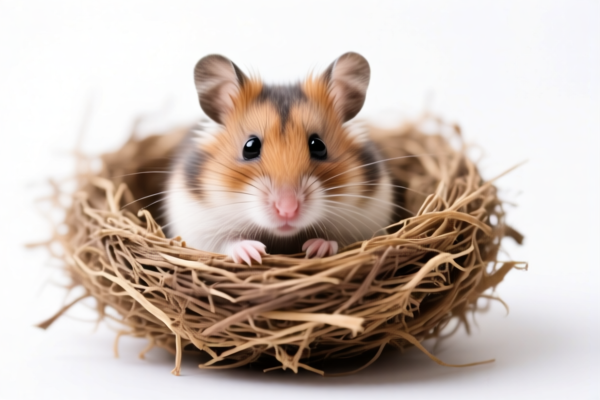
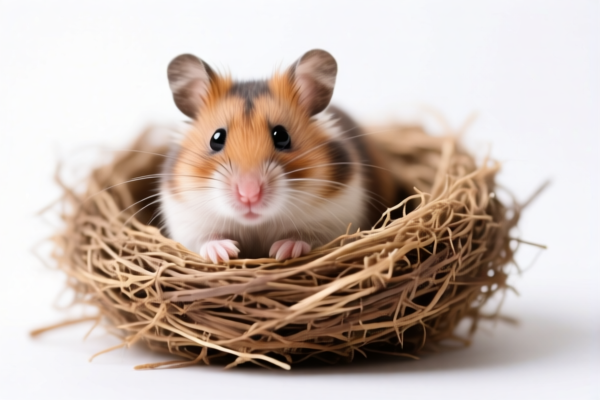
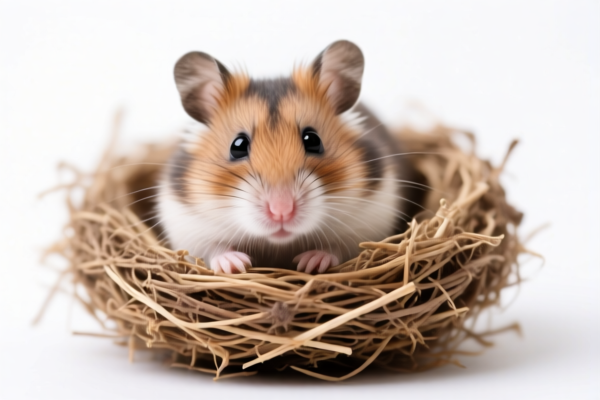

AI Analysis
🐾 Cat Nests (Pet Beds & Furniture)
🌐 HS Code Reference & Clearance Guide | 2026 Latest Tariff Analysis | Professional Entry Strategy
📌 I. Product Definition & Classification: What Exactly is a "Cat Nest"?
A "Cat Nest" is a broad term in international trade, generally referring to resting products for pets. However, the material composition and structural nature of the product strictly determine its Harmonized System (HS) classification. Misclassification can lead to significant duty discrepancies, as seen in the three distinct categories below:
⚠️ Key Distinction Points:
- Woven/Natural Materials (Rattan, Willow, Bamboo): Classified as Furniture.
- Textile/Soft Materials (Fabric, Fleece, Plush): Classified as Textile Articles.
- Other/Composite Materials: Classified as Other Made Articles.
📦 II. HS Code Classification Details (2026 Latest Tariff Authority Comparison)
| HS Code | Product Description | Applicable Scenario | Material Logic |
|---|---|---|---|
9403.89.60.15 |
Furniture: Cat nests made of woven natural materials (rattan, willow, bamboo) | Wicker beds, woven baskets, structural pet houses | ✅ Wood/Plant Materials |
6307.90.75.00 |
Textiles: Pet nests made of textile materials (fabric, fleece, plush) | Soft cushion beds, plush houses, fabric-covered nests | ✅ Textile Materials |
6307.90.98.91 |
Other Made Articles: Other finished consumer goods not specified elsewhere | Composite materials, plastic-lined wicker, mixed material structures | ✅ Non-Textile/Non-Wood |
🔍 Critical Reminder:
- Do not assume all "beds" are textiles. If the structure is rigid and made of woven plant fibers, it is Furniture (9403), not Textiles (6307).
- Packaging matters: If a textile bed is shipped with a rigid wooden frame, the primary character usually dictates the classification, but customs may scrutinize "essential character."
💰 III. 2026 Latest Tariff Rate Breakdown (Including Surtaxes & Policy Add-ons)
✅ Applicable Country: United States (US)
✅ Origin: China (CN)
✅ Effective Date: November 10, 2025 (and onwards)
🎯 1. 9403.89.60.15 —— Furniture (Woven Natural Materials)
| Item | Content |
|---|---|
| Base Tariff | 0.0% |
| USITC Surtax (Section 301) | +25.0% |
| IEEPA Surtax (122 Clause) | +10.0% |
| Total Tariff Rate | 35.0% |
| Calculation Base | CIF Value × 35% |
| De Minimis Eligibility | ❌ No (deny_de_minimis) |
| Legal Authority Path | USITC:9403.89.60.15 → FOOTNOTE:301 (25%) → IEEPA:122 (10%) |
📌 Explanation:
- This category attracts the highest surtax because it is classified under Section 301 (25% on Chinese furniture/components).
- Even though the base duty is 0%, the 35% total burden makes this the most expensive classification for customs clearance.
🎯 2. 6307.90.75.00 —— Textile Articles (Pet Nests)
| Item | Content |
|---|---|
| Base Tariff | 4.3% |
| USITC Surtax (Section 301) | 0.0% |
| IEEPA Surtax (122 Clause) | +10.0% |
| Total Tariff Rate | 14.3% |
| Calculation Base | CIF Value × 14.3% |
| De Minimis Eligibility | ❌ No (deny_de_minimis) |
| Legal Authority Path | USITC:6307.90.75.00 → IEEPA:122 (10%) |
📌 Note:
- This is the most cost-effective option if the product is purely textile-based.
- No Section 301 surtax (25%) applies, which saves a massive 10.7% compared to the furniture category.
- Essential for sellers using plush, cotton, or synthetic fabrics for pet beds.
🎯 3. 6307.90.98.91 —— Other Made Articles
| Item | Content |
|---|---|
| Base Tariff | 7.0% |
| USITC Surtax (Section 301) | +7.5% |
| IEEPA Surtax (122 Clause) | +10.0% |
| Total Tariff Rate | 24.5% |
| Calculation Base | CIF Value × 24.5% |
| De Minimis Eligibility | ❌ No (deny_de_minimis) |
| Legal Authority Path | USITC:6307.90.98.91 → FOOTNOTE:301 (7.5%) → IEEPA:122 (10%) |
📌 Warning:
- This is a trap category. It applies to "other" finished goods that don't fit neatly into furniture or pure textiles.
- It incurs both a Section 301 surtax (7.5%) and the IEEPA surtax (10%).
- Avoid this code if your product can be legitimately classified as either pure furniture (9403) or pure textile (6307.75), as the rates are suboptimal or risky.
🛠️ IV. Customs Clearance Operational Advice (Practical Pitfall Guide)
✅ 1. Required Documentation Checklist (Non-negotiable)
| Document | Required? | Description |
|---|---|---|
| ✅ Product Composition Statement | ✔️ | Must clearly state % of material (e.g., "100% Cotton Fleece" vs. "Rattan Frame with Cotton Cushion"). |
| ✅ Product Photos (Including Interior/Exterior) | ✔️ | Show structure, materials, and any rigid frames vs. soft linings. |
| ✅ Commercial Invoice | ✔️ | Clearly describe item as "Pet Bed" or "Cat Nest," NOT just "Furniture" or "Textile." |
| ✅ Packing List | ✔️ | Ensure weights and dimensions match the declared value accurately. |
| ✅ Certifications (if any) | ✔️ | FCC/CE not usually required for pet beds, but CPSC compliance for safety (if marketed to children) may apply. |
✅ 2. Declaration Tactics (Key Mantra)
🔥 “Material Defines Code, Frame Dictates Class, Textile Saves Tax!”
| Scenario | Correct Declaration | Incorrect Action | Result |
|---|---|---|---|
| Rattan/Willow Bed | 9403.89.60.15 (Furniture) |
Declare as "Textile Bed" | Audit Risk: Customs may reclassify and assess 35% + penalties. |
| Plush/Fabric Bed | 6307.90.75.00 (Textile) |
Declare as "Furniture" | Overpayment: Pay 35% instead of 14.3%. |
| Mixed Material (e.g., Plastic Base + Fabric Top) | 6307.90.98.91 (Other) OR 6307.90.75.00 |
Vague description "Cat House" | Delays: Customs may reject ambiguous codes. |
| Furniture with Detachable Fabric Cover | 9403.89.60.15 |
Declare cover separately | Complexity: Keep as one unit if covers are integral. |
✅ 3. Special Handling Cases
| Case | Strategy |
|---|---|
| Hybrid Products (e.g., Rattan frame + Fabric insert) | Analyze Essential Character: If the frame provides structure, it’s likely 9403. If it’s just a bag with a pad, it’s 6307. Pre-clearance ruling is highly recommended. |
| OEM Custom Designs | Provide detailed BOM (Bill of Materials) to prove material percentage. |
| Shipping with Accessories (Bed + Blanket) | Declare as a single unit under the primary product code to avoid split-rate complexity. |
🌍 V. Global Market Comparison (2026 Update)
| Market | Recommended HS Code | Tariff Impact | Certification |
|---|---|---|---|
| 🇺🇸 USA | 6307.90.75.00 (Textile) |
14.3% (Best Case) | CPSC (General) |
| 🇺🇸 USA | 9403.89.60.15 (Furniture) |
35.0% (Highest Case) | None |
| 🇪🇺 EU | 6307.90.90 |
~10-12% | CE (if toy-like), REACH |
| 🇨🇳 China (Import) | 6307.90 / 9403 |
5-10% | CCC (rare for pets) |
📌 Conclusion:
- USA is the most sensitive market due to Section 301 and IEEPA surtaxes.
- Textile classification (6307.90.75.00) is the optimal strategy for most modern, soft pet beds to minimize duty costs (14.3% vs 35%).
- Furniture classification (9403.89.60.15) is unavoidable only for rigid, woven natural structures.
📌 VI. Common Errors & Pitfalls (Blood & Tears Lessons)
❌ Error 1: Declaring a Rattan Bed as "Textile Pet Bed" to avoid duty.
👉 Consequence: Customs inspection reveals woven structure → Reclassified to 9403 → Pay 35% + Interest + Penalties.
❌ Error 2: Declaring a Fabric Bed as "Furniture" because it has a shape.
👉 Consequence: Overpaying ~20% in duties. You paid 35% instead of 14.3%.
❌ Error 3: Vague description "Cat House" on Invoice.
👉 Consequence: Customs holds shipment for Manual Classification → Delays of 1-4 weeks.
❌ Error 4: Ignoring the IEEPA 10% Surtax.
👉 Consequence: Even if base tax is low, the 10% IEEPA tax always applies to Chinese-origin goods in these categories. Always budget for it.
✅ Correct Practice:
"Pet Bed, Cat, Plush Fabric, Machine Washable, Model XYZ, Origin China"
Use specific material keywords: "Plush," "Cotton," "Polyester" for Textile; "Rattan," "Wicker," "Willow" for Furniture.
🎯 VII. Conclusion: Precise Classification for Maximum Profit
🎯 Remember the Mantra:
🔹 "Textile is Cheap (14.3%), Furniture is Expensive (35%), Other is Risky (24.5%)."
🔹 "Check the Frame First, Then Check the Fabric. Misclassifying Costs You Your Margin!"
📌 Pro Tip:
If your product uses mixed materials (e.g., plastic base + fabric top), consult a customs broker for a Pre-Ruling. Classifying it as Textile (6307.90.75.00) if the fabric is the "essential character" can save you nearly 20% in duties compared to Furniture.
📣 Immediate Action:
📞 Contact a Licensed Customs Broker
📄 Provide Material Breakdown (BOM)
🚀 Optimize for6307.90.75.00where possible to maximize profit margins!
✨ Professional Clearance Starts with Accurate Classification!
💼 Every Percentage Point in Duty is Pure Profit Lost or Saved!
Customer Reviews
About HS Code Classification
The Harmonized System (HS) is an internationally standardized nomenclature developed by the World Customs Organization (WCO) to classify traded products. Over 200 countries use the HS system as the basis for customs tariffs, trade statistics, and import/export regulations.
Each HS code follows a hierarchical structure:
- Chapter (2 digits) — Broad category of goods (e.g., Chapter 84: Machinery and Mechanical Appliances)
- Heading (4 digits) — More specific grouping within the chapter
- Subheading (6 digits) — Internationally standardized breakdown, used by all WCO member countries
- National subdivisions (8-10 digits) — Country-specific extensions for further classification, such as US HTSUS 10-digit codes
Correct HS code classification is essential for smooth customs clearance, accurate duty payment, and compliance with trade regulations. Misclassification can lead to customs delays, overpayment of duties, or penalties.
When importing from CN to US, the applicable tariff rates may include:
- Most-Favored-Nation (MFN) rate — The standard duty rate applied to WTO members
- General rate — Applied to countries without trade agreements
- Trade remedy duties — Additional tariffs such as Section 301 (anti-dumping), Section 232 (national security), or countervailing duties
The information provided on this page is for reference purposes only. For official classification, please consult with your local customs authority or a licensed customs broker.