Cat Toy Ball
CN → US| HS Code | Tariff Rate | Origin | Destination | Doc |
|---|---|---|---|---|
| 3926909989 | 22.8% | CN | US | Official Doc |
| 9503000073 | 10.0% | CN | US | Official Doc |
| 9503000090 | 10.0% | CN | US | Official Doc |
| 3926909905 | 22.8% | CN | US | Official Doc |
Product Images
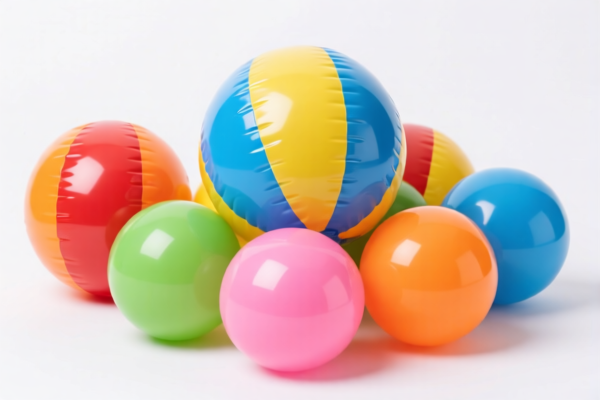
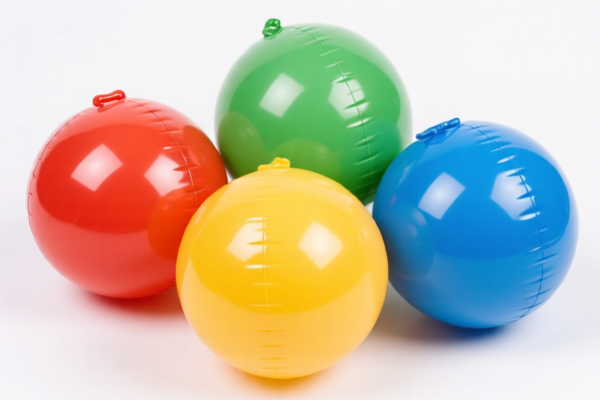
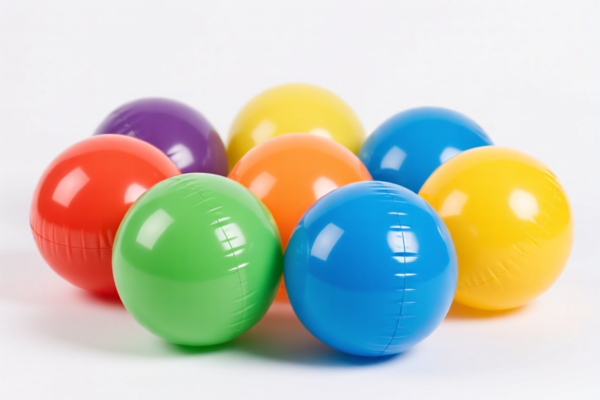
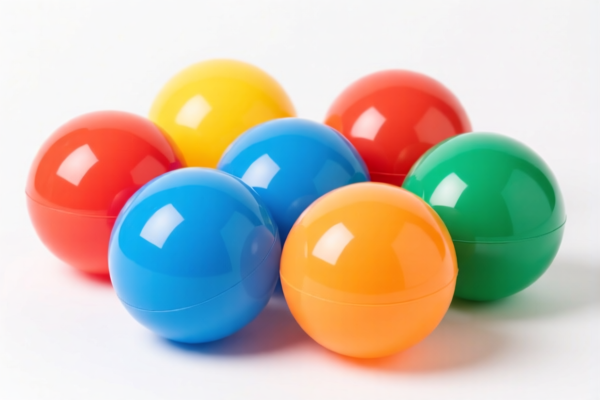
AI Analysis
🐾 Cat Toy Ball (Feline Entertainment Spheres)
🌐 HS Code Reference & Clearance Guide | 2026 Tariff Breakdown | Strategic Import Strategy
📌 1. Product Definition & Classification: What Exactly is a "Cat Toy Ball"?
A Cat Toy Ball is a small, spherical object designed for feline play, typically made from plastic, synthetic rubber, or plush/furry materials. In international trade, these toys are categorized based on their primary material composition and construction type.
Key Distinction: * Plastic/Synthetic Construction: Rigid balls, crinkle balls, or hollow plastic spheres → Classified under Chapter 39. * Plush/Rubber/Soft Construction: Furry balls, rubber squeeze toys, or fabric-based toys → Classified under Chapter 95.
⚠️ Critical Classification Point:
- If the toy is made of hard plastic/synthetic material → Go to3926.90.99series.
- If the toy is plush (fur), rubber, or fabric-based → Go to9503.00.00series.
- Mistake Alert: Do not misclassify plush toys as plastic; the tax rate differs by 12.8%.
📦 2. HS Code Classification Details (2026 Tariff Authority)
Based on your specific product materials, here are the exact 4 HS Codes relevant to Cat Toy Balls:
| HS Code | Product Description | Material Composition | Tax Rate (Total) |
|---|---|---|---|
3926.90.99.89 |
Plastic/Synthetic Toy Products | Hard Plastic, Synthetic Resin, PVC | 22.8% |
3926.90.99.05 |
Plastic/Plush "Catch-All" Toys | Mixed Plastic/Plush, Non-specific Toys | 22.8% |
9503.00.00.73 |
Plush or Rubber Toy Balls | Furry, Fabric, Rubber, Soft Plush | 10.0% |
9503.00.00.90 |
Other Toy Balls (General) | Balls, Models, Mixed Materials (Non-plastic) | 10.0% |
🔍 Deep Dive Explanation:
- Plastic Balls (3926...) fall under "Other articles of plastics" because they are not standard "dolls" or "stuffed toys." They attract higher tariffs due to "122 Clause" policies.
- Plush/Rubber Balls (9503...) are explicitly recognized as "Toys" (Chapter 95). They enjoy lower base tariffs but still face the specific "122 Clause" surcharge.
💰 3. 2026 Tariff Breakdown & Policy Logic (Detailed Analysis)
✅ Applicable Country: United States (US)
✅ Origin: China (CN)
✅ Effective Date: Current 2026 Tariff Regime
🎯 A. The "Plastic" Trap (3926.90.99.89 & .05)
Total Tax: 22.8%**
| Component | Rate | Legal Basis | Explanation |
|---|---|---|---|
| Base Tariff | 5.3% | MFN (Most Favored Nation) | Standard duty for plastic articles. |
| Section 301 (Add-on) | 7.5% | USITC Section 301 | Additional duty for specific Chinese plastic goods. |
| "122 Clause" (Specific) | 10.0% | 122-Tariff | Crucial: A specific punitive tariff applied to "Plastic Toys & Articles" under Section 301. |
| Total | 22.8% | High Tax Category |
📌 Why 22.8%?
The "122 Clause" specifically targets plastic consumer goods from China. Even if the base tax is low (5.3%), the 10% punitive tax on top of the 7.5% Section 301 tax creates a massive 22.8% burden. This applies to plastic cat balls, crinkle balls, and hard toy spheres.
🎯 B. The "Plush/Rubber" Advantage (9503.00.00.73 & .90)
Total Tax: 10.0%**
| Component | Rate | Legal Basis | Explanation |
|---|---|---|---|
| Base Tariff | 0.0% | MFN (Free) | Toys made of fabric/rubber often have 0% base duty. |
| Section 301 (Add-on) | 0.0% | None | No Section 301 tax applies to soft toys in this specific subheading. |
| "122 Clause" (Specific) | 10.0% | 122-Tariff | Still applies to Toys (Chapter 95) as a specific surcharge. |
| Total | 10.0% | Low Tax Category |
📌 Why 10.0%?
These codes represent soft toys (plush, rubber, fabric). They escape the 7.5% Section 301 surcharge that hits plastics, but they still pay the 10% "122 Clause" toy tax. This makes them 12.8% cheaper to import than plastic versions!
🛠️ 4. Clearance Strategy & Practical Advice (Avoiding Pitfalls)
✅ 1. Material Verification is KING
| Scenario | Action | Risk if Wrong |
|---|---|---|
| Hard Plastic Ball | Declare 3926.90.99.89 |
✅ Correct (22.8%) |
| Hard Plastic Ball | Declare 9503.00.00.73 |
❌ Severe Penalty: Under-declared tax, goods seized, 22.8% vs 10% gap = 12.8% fine + interest. |
| Plush/Fur Ball | Declare 9503.00.00.73 |
✅ Correct (10.0%) |
| Plush/Fur Ball | Declare 3926.90.99.89 |
❌ Overpayment: You paid 12.8% more than necessary. |
| Mixed Material Ball | Declare 3926.90.99.05 |
✅ Correct (22.8% - Catch-all) |
🔥 Pro Tip: If your "plastic" ball has any significant fur, fabric, or rubber components (e.g., a fuzzy exterior on a plastic core), consider if it can be classified under
9503.00.00.73(Plush/Rubber) instead of3926. Even a 1% difference in material definition can save you 12.8% in duties.
✅ 2. Documentation Checklist
To ensure smooth clearance for Cat Toy Balls: | Document | Requirement | Why It Matters | | :--- | :--- | :--- | | Product Spec Sheet | Explicitly state "100% Plastic" OR "100% Plush/Rubber" | Customs officers use this to verify HS Code. | | Material Safety Data | Non-toxic certification (CPC/CPSC) | Mandatory for toys. No cert = Detention. | | Commercial Invoice | Clear description: "Cat Toy, Plastic Sphere" OR "Cat Toy, Plush Ball" | Vague terms like "Toy" are rejected. | | Packaging Label | Must show "Warning: Not for children under 3 years" | Legal Requirement for all toys in US. |
✅ 3. Strategic Pricing Advice
📉 Cost Saving Strategy:
If your product is a Plastic Cat Ball, the tax is 22.8%.
If you modify the design to be Plush (Furry) or Rubber, the tax drops to 10.0%.
Impact: For every $10,000 of goods, switching from Plastic to Plush saves $1,280 in customs duties!📌 Special Note on "122 Clause":
The 10% "122 Clause" tax applies to ALL toys under Chapter 95 and specific plastic articles. There is no exemption for small volumes (de minimis does NOT apply here). Every single ball must be declared.
🌍 5. Global Market Comparison (US vs. Others)
| Market | Plastic Cat Ball (3926...) |
Plush Cat Ball (9503...) |
Notes |
|---|---|---|---|
| 🇺🇸 USA | 22.8% | 10.0% | High "122 Clause" impact. |
| 🇨🇳 China | 5.3% | 0.0% | Export from China to China (N/A for re-export). |
| 🇪🇺 EU | ~6-10% | 4% | No "122 Clause"; generally lower. |
| 🇨🇦 Canada | 8% | 5% | Moderate duties, no Section 301. |
📌 Conclusion: The US market is unique in its punitive "122 Clause" + Section 301 combination. Material choice is your biggest lever for cost control.
📌 6. Common Errors & How to Fix Them
❌ Error 1: Declaring a Plastic Cat Ball as 9503.00.00.90 to save taxes.
👉 Result: Customs audit, 12.8% back-tax + 25% penalty.
✅ Fix: Verify material composition. If 51%+ plastic, use 3926.
❌ Error 2: Claiming a Plush Cat Ball is "Plastic" to avoid "122 Clause".
👉 Result: Overpaying 12.8% unnecessarily.
✅ Fix: Use 9503.00.00.73 for plush/rubber items.
❌ Error 3: Missing "122 Clause" identification in the invoice.
👉 Result: System calculates only base tax (5.3% or 0%), then flags for manual review.
✅ Fix: Explicitly state "Subject to Section 301 & 122 Clause Tariff" in remarks.
🎯 7. Final Verdict: The "Cat Toy Ball" Tax Rule
🔹 Plastic Balls =
3926.90.99.89or.05→ 22.8% Tax (Heavy Burden).
🔹 Plush/Rubber Balls =9503.00.00.73or.90→ 10.0% Tax (Light Burden).
💡 Expert Recommendation:
If you are importing Cat Toy Balls to the US:
1. Analyze your product material: Can you switch from "Hard Plastic" to "Plush/Rubber"?
2. Check the "122 Clause": It hits plastic toys harder.
3. Always declare the specific HS Code: Do not use generic "Toy" descriptions.
4. Prepare for the 10% "122" surcharge: Even soft toys pay this!
🚀 Smart Move: Optimize your design to maximize plush/rubber content to save 12.8% in duties immediately.
✨ Clearance Success Starts with the Right HS Code!
💼 Your profit margin depends on getting this 22.8% vs 10.0% decision right!
Customer Reviews
About HS Code Classification
The Harmonized System (HS) is an internationally standardized nomenclature developed by the World Customs Organization (WCO) to classify traded products. Over 200 countries use the HS system as the basis for customs tariffs, trade statistics, and import/export regulations.
Each HS code follows a hierarchical structure:
- Chapter (2 digits) — Broad category of goods (e.g., Chapter 84: Machinery and Mechanical Appliances)
- Heading (4 digits) — More specific grouping within the chapter
- Subheading (6 digits) — Internationally standardized breakdown, used by all WCO member countries
- National subdivisions (8-10 digits) — Country-specific extensions for further classification, such as US HTSUS 10-digit codes
Correct HS code classification is essential for smooth customs clearance, accurate duty payment, and compliance with trade regulations. Misclassification can lead to customs delays, overpayment of duties, or penalties.
When importing from CN to US, the applicable tariff rates may include:
- Most-Favored-Nation (MFN) rate — The standard duty rate applied to WTO members
- General rate — Applied to countries without trade agreements
- Trade remedy duties — Additional tariffs such as Section 301 (anti-dumping), Section 232 (national security), or countervailing duties
The information provided on this page is for reference purposes only. For official classification, please consult with your local customs authority or a licensed customs broker.