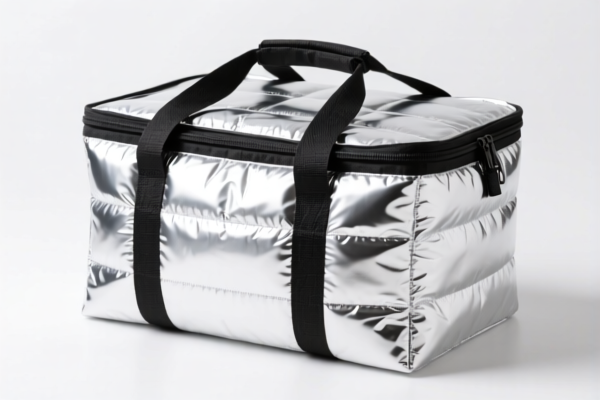
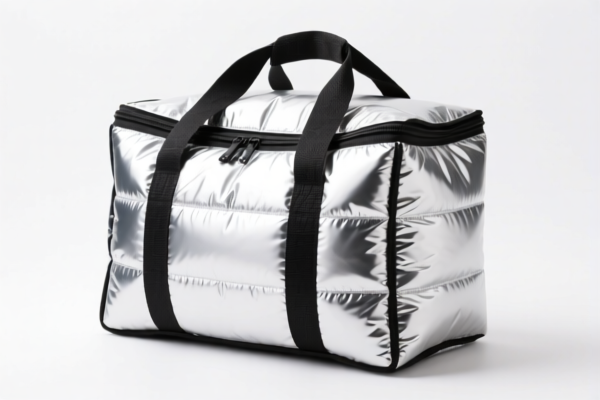
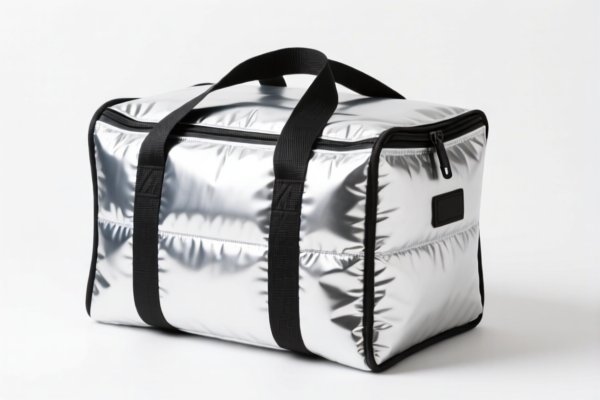
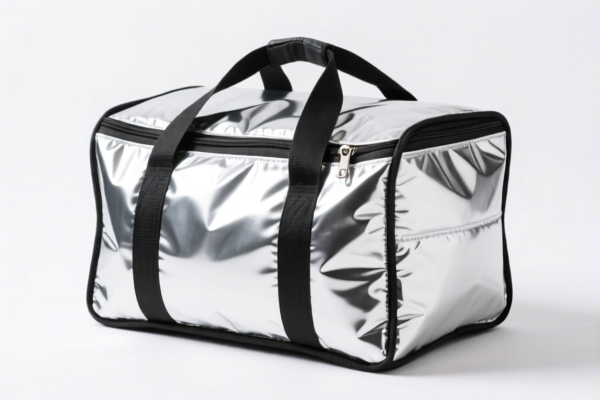
Catering Insulated Food Bag
CN → US| HS Code | Tariff Rate | Origin | Destination | Doc |
|---|---|---|---|---|
| 6307909891 | 24.5% | CN | US | Official Doc |
| 4202920809 | 42.0% | CN | US | Official Doc |
| 6307908940 | 17.0% | CN | US | Official Doc |
| 3926903300 | 16.5% | CN | US | Official Doc |
| 3926904800 | 13.4% | CN | US | Official Doc |
Product Images
AI Analysis
🥡 Catering Insulated Food Bag: HS Code Classification & US Customs Strategy
🌐 HS Code Reference & Customs Clearance Guide | 2026 Latest Tariff Analysis | Professional Clearance Strategy
📌 I. Product Definition & Classification: What Exactly is a "Catering Insulated Food Bag"?
A Catering Insulated Food Bag is a specialized container designed for the transport and preservation of hot or cold food in commercial settings. In international trade, its classification is highly contested because it straddles the line between textile goods (fabric) and plastic/rubber articles (insulation layers), or even general articles of clothing/accessories.
The core classification dilemma depends on the primary material and the functional design: 1. Textile Focus: If the outer surface and structural integrity are primarily defined by textile materials (e.g., canvas, nylon, polyester) with textile lining, it leans towards Chapter 63. 2. Plastic/Insulation Focus: If the bag is essentially a plastic-lined container or made of synthetic polymer sheets, it may fall under Chapter 39 or 42. 3. General Purpose: If it doesn't fit specific categories like "totes" or "lunch boxes" precisely, it falls into "other made-up articles."
⚠️ Key Distinction Point:
- If the bag is primarily textile and used for general storage/transport of food → Chapter 63 (Textile Articles) or Chapter 42 (Leather/Travel Goods).
- If the bag is primarily plastic/synthetic with minimal textile → Chapter 39 (Plastics).
- Crucial: The "Insulated" feature often triggers higher scrutiny under Section XI (Textiles) vs. Section VII (Plastics).
📦 II. HS Code Classification Details (2026 Latest Tariff Authority Comparison)
Based on the provided data, here are the four possible HS Codes and their specific justifications:
| HS Code | Product Description | Justification for Classification | Material/Structure Focus |
|---|---|---|---|
6307.90.98.91 |
Other Made-Up Textile Articles | Classified as a "made-up" textile product. It fits the residual category ("other") for textile articles not specified elsewhere. | Textile Primary: Outer shell is textile; insulation is secondary. |
4202.92.08.09 |
Insulated Bags / Lunch Totes | Classified under "Bags" with outer surface of textile materials. Fits the specific sub-category for insulated containers (like cooler bags). | Textile Outer + Insulation: Specifically recognized as an insulated bag type. |
6307.90.89.40 |
Other Textile Articles (Cotton/Synthetic) | Classified as a "bag" made of cotton or synthetic fiber fabric. Fits the residual textile category for non-specified uses. | Cotton/Synthetic Fabric: Emphasizes the fabric weave (cotton or synthetic) rather than just "textile." |
3926.90.33.00 |
Other Plastic Articles | Inferred as a plastic or synthetic fiber product. Classified under "other" plastic articles. | Plastic Primary: If the insulation layer or outer shell is predominantly plastic/film. |
3926.90.48.00 |
Other Plastic Articles (Alu/Foil) | Classified as a plastic article possibly containing aluminum foil or synthetic fiber. | Plastic/Foil: If the insulation relies heavily on foil-laminated plastic. |
🔍 Priority Analysis:
-4202.92.08.09is often the most accurate for "Insulated Food Bags" because Chapter 42 explicitly covers "Trunks, suitcases, handbags... and similar containers," and sub-heading 4202.92 covers "With outer surface of textile materials." This directly captures the "Insulated Bag" function.
-6307.90.98.91is a fallback if the bag is considered a "general textile article" rather than a "container."
-3926...codes are risky unless the product is >50% plastic by weight or function, as customs may view them as "misclassified textiles."
💰 III. 2026 Latest Tariff Rate Details (Including Additional Duties & Policy Add-ons)
✅ Applicable Country: United States (US)
✅ Country of Origin: China (CN)
✅ Effective Date: November 10, 2025 onwards (including subsequent imports)
🎯 1. 6307.90.98.91 —— Other Made-Up Textile Articles
| Item | Detail |
|---|---|
| Base Duty | 7.0% |
| Section 301 (Add-on) | 7.5% |
| IEEPA (Section 122) | 10.0% |
| Total Duty Rate | 24.5% |
| Tax Calculation | CIF Value × 24.5% |
| De Minimis Exemption | ❌ Not Eligible (Deny De Minimis) |
| Legal Basis Path | USITC:6307.90.98.91 → FOOTNOTE:301-Textiles → IEEPA:9903.01.24 |
📌 Explanation:
- Base 7%: Standard MFN rate for "Other made-up textile articles."
- Section 301 7.5%: Additional tariff under US Trade Act Section 301 for certain textile products from China.
- IEEPA 10%: Additional tariff under International Emergency Economic Powers Act.
- Total 24.5%: Moderate burden. Lower than plastic alternatives due to specific textile exemptions.
🎯 2. 4202.92.08.09 —— Insulated Bags with Textile Outer
| Item | Detail |
|---|---|
| Base Duty | 7.0% |
| Section 301 (Add-on) | 25.0% |
| IEEPA (Section 122) | 10.0% |
| Total Duty Rate | 42.0% |
| Tax Calculation | CIF Value × 42.0% |
| De Minimis Exemption | ❌ Not Eligible (Deny De Minimis) |
| Legal Basis Path | USITC:4202.92.08.09 → FOOTNOTE:301-Leather/Travel → IEEPA:9903.01.24 |
📌 Explanation:
- Base 7%: Standard rate for "Other containers" with textile surface.
- Section 301 25%: High additional duty. Chapter 42 items often face higher 301 tariffs due to political sensitivity on manufactured goods.
- IEEPA 10%: Standard additional tariff.
- Total 42.0%: Highest burden. This is the "Insulated Bag" specific code, but it carries a steep penalty.
🎯 3. 6307.90.89.40 —— Other Textile Articles (Cotton/Synthetic)
| Item | Detail |
|---|---|
| Base Duty | 7.0% |
| Section 301 (Add-on) | 0.0% |
| IEEPA (Section 122) | 10.0% |
| Total Duty Rate | 17.0% |
| Tax Calculation | CIF Value × 17.0% |
| De Minimis Exemption | ❌ Not Eligible (Deny De Minimis) |
| Legal Basis Path | USITC:6307.90.89.40 → FOOTNOTE:301-Exempt → IEEPA:9903.01.24 |
📌 Explanation:
- Base 7%: Standard textile rate.
- Section 301 0%: Key Advantage! This specific sub-code may be exempt from Section 301 additional duties, depending on the latest exclusion list.
- IEEPA 10%: Still applies.
- Total 17.0%: Most cost-effective. If your bag can be classified here, it saves 7.5% vs.6307.90.98.91and 25% vs.4202....
🎯 4. 3926.90.33.00 & 3926.90.48.00 —— Plastic Articles
| Item | 3926.90.33.00 |
3926.90.48.00 |
|---|---|---|
| Base Duty | 6.5% | 3.4% |
| Section 301 (Add-on) | 0.0% | 0.0% |
| IEEPA (Section 122) | 10.0% | 10.0% |
| Total Duty Rate | 16.5% | 13.4% |
| Tax Calculation | CIF × 16.5% | CIF × 13.4% |
| De Minimis Exemption | ❌ Not Eligible | ❌ Not Eligible |
| Legal Basis Path | USITC:3926.90.33.00 / 3926.90.48.00 → IEEPA:9903.01.24 |
📌 Explanation:
- Base Duty: Lower than textiles (3.4%–6.5%).
- Section 301 0%: Exempt! Chapter 39 items often have lower 301 tariffs or are excluded.
- IEEPA 10%: Applies.
- Total 13.4% – 16.5%: Competitive rates. However, high risk of misclassification. If Customs determines the bag is primarily textile (which insulated bags usually are), they may reclassify to Chapter 63 or 42, triggering back-taxes and penalties.
🛠️ IV. Customs Clearance Practical Advice (Real-World Pitfall Guide)
✅ 1. Preparation Checklist (Non-Negotiable)
| Document | Required | Description |
|---|---|---|
| ✅ Product Specification Sheet | ✔️ | Must detail: Outer material (% cotton, % polyester), Insulation material (foil, foam, textile), Lining material. |
| ✅ Cross-Section Photo | ✔️ | Show layers: Outer fabric → Insulation core → Inner lining. Crucial for proving "Textile" vs. "Plastic" dominance. |
| ✅ Bill of Materials (BOM) | ✔️ | Weight breakdown of each layer. Helps justify if Textile > 50% by weight/value. |
| ✅ Commercial Invoice | ✔️ | Clearly state "Catering Insulated Food Bag, Made of Textile Materials." Avoid vague terms like "Plastic Bag." |
| ✅ HS Code Pre-Ruling Request | ✔️ | Strongly recommended. Submit to US CBP for an Advance Ruling. |
✅ 2. Declaration Strategy (Key Mantra)
🔥 "Material Defines Code, Layer Defines Duty!"
| Scenario | Recommended HS Code | Strategy |
|---|---|---|
| Textile-heavy, simple insulation | 6307.90.89.40 |
Argue that the bag is a "Textile Article." Highlight the fabric weave and durability. Target 17.0%. |
| Insulated bag function emphasized | 4202.92.08.09 |
If the bag is marketed as a "Cooler Bag" or "Lunch Tote." Accept higher duty for accuracy. 42.0%. |
| Plastic/Alu-film dominant | 3926.90.48.00 |
Only if outer shell is plastic/foil. Risky if fabric is visible. Target 13.4%. |
| Mixed materials | 6307.90.98.91 |
Default textile classification. Moderate duty. 24.5%. |
📌 Critical Warning:
- Do NOT declare a textile bag as3926(Plastic) to save 1.1% if it fails inspection. The penalty for misclassification is severe.
- Do NOT declare as4202if it lacks the "trunk/suitcase-like" structure. It must be a "container."
✅ 3. Special Situations Handling
| Situation | Handling Advice |
|---|---|
| OEM Custom Bags | Provide design sketches showing material layers. Prove if the "branding" affects classification. |
| Bag with Plastic Lining | If inner lining is plastic but outer is textile, it’s still Chapter 63 or 42. |
| Bag with Foam Insulation | Foam is often considered part of the "made-up" article. Doesn't change chapter to 39 unless foam is the primary structural element. |
| Small Sample Shipments | Still subject to full duties. De Minimis (Section 321) does NOT apply to China-origin goods for these HS codes. |
🌍 V. Global Market Comparison (2026 Latest)
| Country/Region | Recommended HS Code | Total Duty (China Origin) | Certification | Notes |
|---|---|---|---|---|
| 🇺🇸 USA | 6307.90.89.40 |
17.0% | CPSIA (if for kids), Prop 65 | Best balance of duty and safety. |
| 🇪🇺 EU | 6307.90.90 |
~12-16% | CE, REACH | No 301-style tariffs. |
| 🇨🇳 China | 6307.90.90 |
~7-10% | None | Low import duty. |
| 🇦🇺 Australia | 6307.90.90 |
~5% | WPL (Workplace) | Low tariff, high compliance. |
| 🇨🇦 Canada | 6307.90.90 |
~0-5% | None | Free trade benefits may apply. |
📌 Conclusion:
- USA is the most expensive market due to Section 301 and IEEPA add-ons.
- EU/Canada/Australia are much more favorable.
- For US market,6307.90.89.40(17.0%) is the optimal target if defensible.
📌 VI. Common Mistakes & Pitfall Guide (Blood Lessons)
❌ Mistake 1: Declaring as 3926 (Plastic) to get 13.4% duty.
👉 Consequence: If Customs determines the bag is primarily textile (which it likely is), they will reclassify to 6307 or 4202, charging back-duties + interest + penalties. Risk: High.
❌ Mistake 2: Declaring as 4202 without clear "container" structure.
👉 Consequence: If the bag is a simple pouch without rigid structure, it may be rejected under Chapter 42. Risk: Medium.
❌ Mistake 3: Ignoring IEEPA 10% Add-on.
👉 Consequence: All these codes incur 10% IEEPA duty. If your cost model excludes this, your margin will vanish. Always include 10% in base cost.
❌ Mistake 4: Assuming De Minimis applies.
👉 Consequence: Section 321 (De Minimis) does NOT apply to goods from China with these HS codes. Every shipment is taxed.
✅ Correct Approach:
"Insulated Catering Food Bag, Outer: 100% Polyester Canvas, Inner: Foil-Backed Nylon Lining, Insulation: EVA Foam."
→ Supports6307.90.89.40(17.0%) or6307.90.98.91(24.5%).
🎯 VII. Conclusion: Professional Declaration, Cost Optimization!
🎯 Remember the Mantra:
🔹 "Textile Primary, 6307 is King; Insulated Function, 4202 is Truth; Plastic Claim, 3926 is Risk!"
🔹 "17% is the Goal, 42% is the Trap, 13% is a Lie!"
🔹 "HS Code Determines Life, Duty Rate Determines Profit, Declaration Determines Survival!"
📌 Pro Tip:
If your bag uses recycled materials or has specific charitable ties, explore potential Section 301 Exclusions.
Recommend applying for an Advance Ruling from US CBP to lock in the 17.0% rate for 6307.90.89.40.
📣 Immediate Action:
📞 Contact a licensed customs broker + Provide Layered Material Photos + Request HS Code Pre-Ruling
🚀 Let your Catering Bags Pass Customs Smoothly, Reduce Costs, and Maximize Profits!
✨ Professional Clearance Starts with Accurate Classification!
💼 Every Cent of Duty Warrants Precise Calculation!
Customer Reviews
About HS Code Classification
The Harmonized System (HS) is an internationally standardized nomenclature developed by the World Customs Organization (WCO) to classify traded products. Over 200 countries use the HS system as the basis for customs tariffs, trade statistics, and import/export regulations.
Each HS code follows a hierarchical structure:
- Chapter (2 digits) — Broad category of goods (e.g., Chapter 84: Machinery and Mechanical Appliances)
- Heading (4 digits) — More specific grouping within the chapter
- Subheading (6 digits) — Internationally standardized breakdown, used by all WCO member countries
- National subdivisions (8-10 digits) — Country-specific extensions for further classification, such as US HTSUS 10-digit codes
Correct HS code classification is essential for smooth customs clearance, accurate duty payment, and compliance with trade regulations. Misclassification can lead to customs delays, overpayment of duties, or penalties.
When importing from CN to US, the applicable tariff rates may include:
- Most-Favored-Nation (MFN) rate — The standard duty rate applied to WTO members
- General rate — Applied to countries without trade agreements
- Trade remedy duties — Additional tariffs such as Section 301 (anti-dumping), Section 232 (national security), or countervailing duties
The information provided on this page is for reference purposes only. For official classification, please consult with your local customs authority or a licensed customs broker.