Cathode Ray Tube CRT
CN → USProduct Images
AI Analysis
📺 Cathode Ray Tube (CRT) – The Legacy Display Technology
🌐 HS Code Reference & Customs Clearance Guide | 2026 Latest Tariff Analysis | Professional Compliance Strategy
📌 I. Product Definition: What is a CRT?
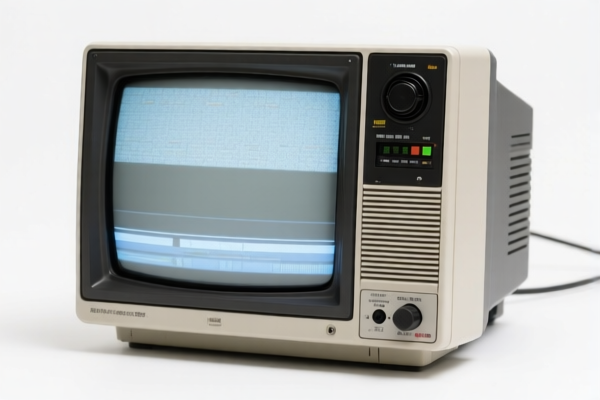
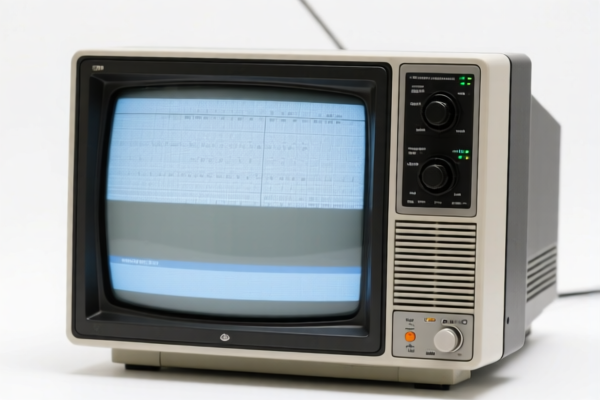
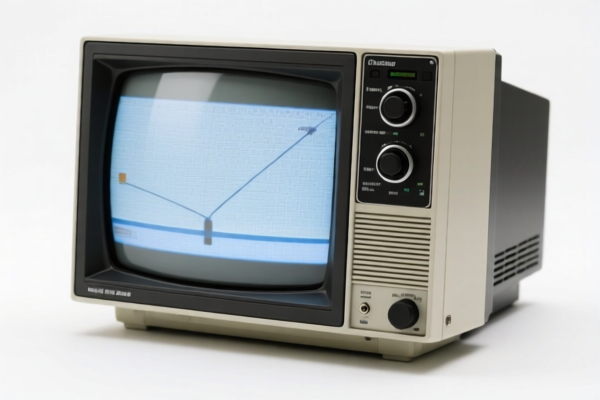
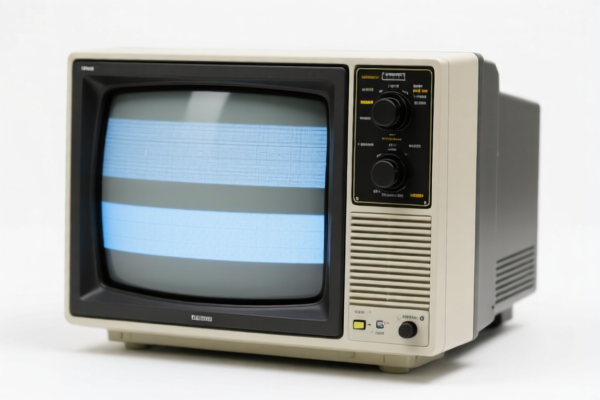
A Cathode Ray Tube (CRT) is an obsolete but historically significant vacuum tube device used primarily for displaying images on screens in older televisions, computer monitors, and industrial control systems. It works by shooting electrons onto a phosphor-coated screen to create images.
While largely replaced by LCD, LED, and OLED technologies, CRTs still appear in: - Vintage electronics restoration - Specialized industrial/scientific equipment (oscilloscopes, radar displays) - Medical imaging devices (older X-ray film readers) - Recycling/Waste Management (as electronic waste)
⚠️ Key Classification Warning:
- Complete CRT Display Units (TVs, Monitors) → Classified under Chapter 85 (Electrical Machinery)
- Defective/Scrap CRTs → Classified under Chapter 84 (Machinery) or Chapter 72/73 depending on material recovery intent
- CRT Tubes Only (Bare tubes, no casing/electronics) → Classified under 9013.80 (Optical/Scientific Instruments)
📦 II. HS Code Classification Details (2026 Latest Tariff Concordance)
| HS Code | Product Description | Applicable Scenario | Containing Electronics? |
|---|---|---|---|
8528.42.00.00 |
Cathode ray tube (CRT) monitors, only for automatic data processing machines | Old PC monitors, DOS-era screens | ✅ Yes (with drive circuit) |
8528.52.00.00 |
Other CRT monitors (TVs, color monitors not for ADP) | Consumer TVs, arcade cabinets | ✅ Yes (with tuner/power supply) |
9013.80.91.00 |
Other devices/instruments using light rays (non-optical) | Bare CRT tubes for oscilloscopes, medical devices | ❌ No (naked tube only) |
8540.10.00.00 |
Electron tubes, including CRTs (vacuum tubes) | Bare CRT tubes sold as components/parts | ❌ No (component only) |
3926.90.97.90 |
Plastic articles (for recycled CRT glass/plastic) | E-waste processing facilities | ❌ N/A (material recovery) |
🔍 Critical Distinction:
- If the CRT is part of a complete monitor/TV (with casing, power supply, input connectors), it must be declared under 8528.
- If the CRT is a standalone tube (e.g., sold for repair, replacement, or scientific use), it falls under 9013 or 8540.
- Do not misdeclare scrap CRTs as "monitors" – this triggers high environmental compliance fees!
💰 III. 2026 Tariff Rate Breakdown (Including Surtaxes & Policy Add-ons)
✅ Applicable Country: United States (US)
✅ Country of Origin: China (CN)
✅ Effective Date: Post-November 2025 Importations
🎯 1. 8528.42.00.00 – CRT Monitors for ADP (Old Computer Screens)
| Item | Detail |
|---|---|
| Base Tariff | 0% (ad valorem) |
| USITC Surtax | +25% (under USITC Footnote 9903.88.01, Section 301) |
| IEEPA Surtax | +10% (China-specific, IEEPA) |
| Total Tariff | 35% |
| Tax Calculation | CIF Value × 35% |
| De Minimis Eligible? | ❌ No (deny_de_minimis) |
| Legal Path | IEEPA:9903.01.24 → USITC:8528.42.00.00 → FOOTNOTE:9903.88.01 |
📌 Explanation:
- Although CRTs are obsolete, they are still classified under Chapter 85 if functional.
- No de minimis exemption applies – even low-value shipments are subject to full tariffs.
- High risk of scrutiny: Customs may inspect for hazardous materials (lead glass).
🎯 2. 8528.52.00.00 – Other CRT Monitors (TVs, Arcades)
| Item | Detail |
|---|---|
| Base Tariff | 0% |
| USITC Surtax | +25% |
| IEEPA Surtax | +10% |
| Total Tariff | 35% |
| Tax Calculation | CIF × 35% |
| De Minimis Eligible? | ❌ No |
| Legal Path | Same as above |
📌 Note:
- Consumer CRT TVs are taxed identically to PC monitors.
- If declared as "parts" or "components," tariffs remain high due to Section 301 list inclusion.
🎯 3. 9013.80.91.00 – Bare CRT Tubes (Scientific/Medical)
| Item | Detail |
|---|---|
| Base Tariff | 6.5% |
| USITC Surtax | +25% |
| IEEPA Surtax | +10% |
| Total Tariff | 41.5% |
| De Minimis Eligible? | ❌ No |
📌 Warning:
- Bare CRT tubes are high-risk imports due to lead content and vacuum pressure.
- Requires DOT (Department of Transportation) approval if shipped as "vacuum glassware."
🎯 4. 8540.10.00.00 – CRT Tubes as Electron Tubes
| Item | Detail |
|---|---|
| Base Tariff | 4.5% |
| USITC Surtax | +25% |
| IEEPA Surtax | +10% |
| Total Tariff | 39.5% |
| De Minimis Eligible? | ❌ No |
🛠️ IV. Customs Clearance Practical Advice (Avoiding Pitfalls)
✅ 1. Required Documentation Checklist
| Document | Required | Notes |
|---|---|---|
| ✅ Product Specification Sheet | ✔️ | Must specify: Tube type, screen size, voltage, application |
| ✅ Lead Content Declaration | ✔️ | CRT glass contains lead; EPA Form 87010 may be needed |
| ✅ Commercial Invoice | ✔️ | Clearly state: "CRT Monitor" or "Bare CRT Tube" – never vague terms |
| ✅ FCC Certification | ✔️ | Required for any electronic device emitting RF noise |
| ✅ RoHS Compliance Statement | ✔️ | Even for old tech, US importers may request lead-free verification |
| ✅ DOT Approval (if bare tube) | ✔️ | For vacuum glassware shipping |
| ✅ EPA Hazardous Waste Labeling | ✔️ | If declared as scrap/recycling material |
✅ 2. Declaration Tips (Golden Rules)
🔥 “Full unit goes to 8528, bare tube to 9013/8540, scrap gets taxed harder!”
| Scenario | Correct Declaration | Wrong Declaration |
|---|---|---|
| Old PC Monitor with Stand | 8528.42.00.00 |
"Electronic Part" → 89.5% |
| CRT TV | 8528.52.00.00 |
"Display Panel" → 45% |
| Bare CRT Tube (no casing) | 9013.80.91.00 or 8540.10.00.00 |
"Monitor" → 35% + penalties |
| Scrap CRT for Recycling | 3926.90.97.90 (if processed) or Rejected |
"Functional Monitor" → Fraud risk |
✅ 3. Special Cases
| Scenario | Handling Advice |
|---|---|
| OEM Replacement Tubes | Provide manufacturer certificate proving it’s a "component," not a "product" |
| CRTs with Lead Content | Declare as "Lead Glass Product" – may require EPA import permit |
| E-Waste/Scrap CRTs | High Risk: US restricts import of electronic waste. Prefer domestic recycling. |
| Vintage Collectibles | Declare as "Antiques" if >100 years old – but CRTs are <50 years old → Not eligible |
🌍 V. Global Market Comparison (2026)
| Country | Recommended HS Code | Tariff (China Origin) | Certification | Notes |
|---|---|---|---|---|
| 🇺🇸 USA | 8528.42.00.00 |
35% | FCC + RoHS | High scrutiny for lead content |
| 🇨🇳 China | 8528.42.00.00 |
0% (imported CRTs rare) | CCC | Domestic production dominates |
| 🇪🇺 EU | 8528.42.00.00 |
0% (if CE marked) | CE + WEEE | WEEE directive applies for recycling |
| 🇯🇵 Japan | 8528.42.00.00 |
0% | PSE | Strict lead regulations |
| 🇦🇺 Australia | 8528.42.00.00 |
5% | RCM | Low tariff, but high compliance |
📌 Conclusion:
- USA imposes the highest effective tariffs due to Section 301 + IEEPA.
- EU and Japan are more lenient but enforce strict environmental recycling rules.
- Scrap CRT imports are discouraged globally due to environmental hazards.
📌 VI. Common Mistakes & Pitfalls (Lessons Learned)
❌ Mistake 1: Declaring a complete CRT monitor as "LCD Panel"
👉 Consequence: Misclassification → 89.5% tariff + penalties
❌ Mistake 2: Importing scrap CRTs as "functional monitors"
👉 Consequence: EPA seizure → $10,000+ fines + disposal costs
❌ Mistake 3: Omitting lead content declaration
👉 Consequence: Customs detention → 30-day delay + storage fees
❌ Mistake 4: Using vague terms like "Display" or "Screen"
👉 Consequence: Customs request for additional info → Clearance delay
✅ Correct Practice:
"Cathode Ray Tube Monitor, 17-inch, 1024x768, VGA Input, Model CRT-17A, FCC Certified, Lead Glass Content 12%"
🎯 VII. Conclusion: Smart Clearance for Legacy Tech
🎯 Remember the Rule:
🔹 "Complete CRT → 8528 (35%), Bare Tube → 9013/8540 (39-41%), Scrap → Avoid!"
🔹 "Lead content must be declared, FCC required, no de minimis for China!"
📌 Pro Tip:
If importing bare CRT tubes, consider sourcing from Vietnam or Thailand to avoid IEEPA surcharges (check current HTSUS for origin-based exemptions).
For scrap CRTs, do not import – arrange local recycling via EPA-certified facilities.
📣 Take Action Now:
📞 Consult a licensed customs broker for HTSUS pre-ruling
📄 Prepare lead content reports and FCC certificates
🚀 Ensure accurate product description to avoid delays!
✨ Precision in Classification Saves Thousands!
💼 Old Tech, New Rules – Stay Compliant, Stay Profitable!
Customer Reviews
About HS Code Classification
The Harmonized System (HS) is an internationally standardized nomenclature developed by the World Customs Organization (WCO) to classify traded products. Over 200 countries use the HS system as the basis for customs tariffs, trade statistics, and import/export regulations.
Each HS code follows a hierarchical structure:
- Chapter (2 digits) — Broad category of goods (e.g., Chapter 84: Machinery and Mechanical Appliances)
- Heading (4 digits) — More specific grouping within the chapter
- Subheading (6 digits) — Internationally standardized breakdown, used by all WCO member countries
- National subdivisions (8-10 digits) — Country-specific extensions for further classification, such as US HTSUS 10-digit codes
Correct HS code classification is essential for smooth customs clearance, accurate duty payment, and compliance with trade regulations. Misclassification can lead to customs delays, overpayment of duties, or penalties.
When importing from CN to US, the applicable tariff rates may include:
- Most-Favored-Nation (MFN) rate — The standard duty rate applied to WTO members
- General rate — Applied to countries without trade agreements
- Trade remedy duties — Additional tariffs such as Section 301 (anti-dumping), Section 232 (national security), or countervailing duties
The information provided on this page is for reference purposes only. For official classification, please consult with your local customs authority or a licensed customs broker.