Cedar Balls
CN → US| HS Code | Tariff Rate | Origin | Destination | Doc |
|---|---|---|---|---|
| 6702104000 | 13.4% | CN | US | Official Doc |
| 6702906500 | 34.5% | CN | US | Official Doc |
| 4421999870 | 38.3% | CN | US | Official Doc |
| 4421999880 | 38.3% | CN | US | Official Doc |
Product Images
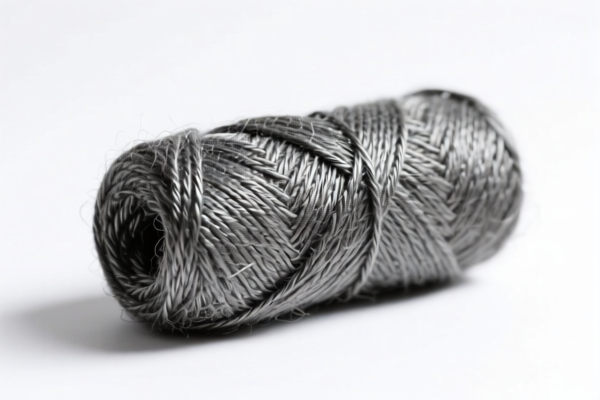
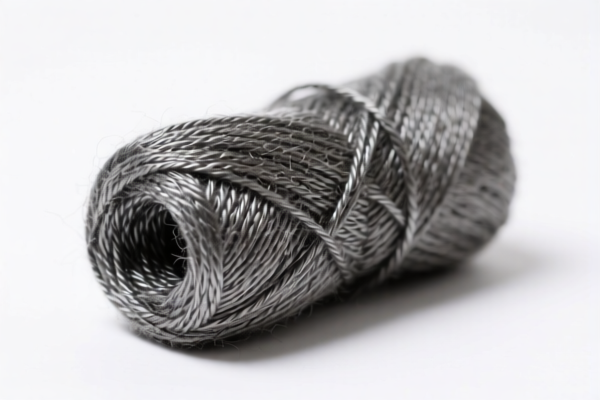
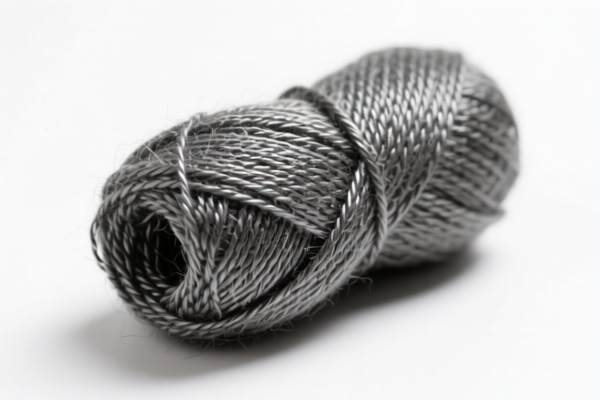
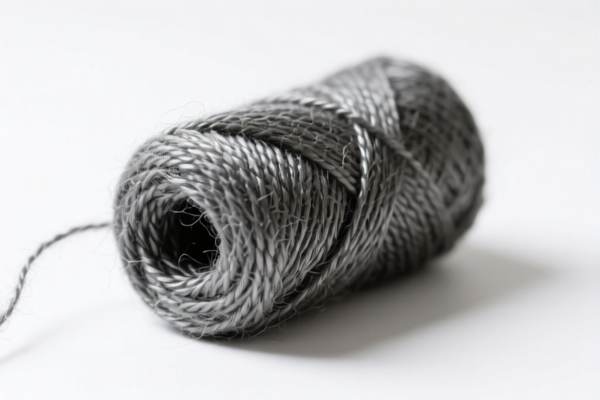
AI Analysis
🌲 Cedar Balls: HS Code Classification & US Customs Clearance Guide (2026 Update)
🌐 HS Code Reference & Clearance Strategy | 2026 Latest Tariff Analysis | Professional通关 Guide
📌 Part I: Product Definition & Classification – Do You Really Understand "Cedar Balls"?
Cedar balls are small, spherical wood or synthetic products primarily used for decorative purposes (e.g., Christmas trees, home decor) or as natural insect repellents (moths, ants). In international trade, their classification depends entirely on the material composition:
1. Wooden Cedar Balls (Natural Wood):
- Made from solid wood (typically cedar).
- Classified under Chapter 44 (Wood and Articles of Wood).
- Specifically, they fall under "Other articles of wood" not elsewhere specified.
2. Artificial/Synthetic Cedar Balls:
- Made from plastic or other materials to mimic cedar.
- Classified under Chapter 67 (Articles of Natural or Artificial Flowers, Fruit, or Leaves).
- Specifically, "Artificial flowers, foliage, and fruit."
⚠️ Critical Distinction:
- If the product is 100% natural wood → It is a Wood Product (Chapter 44).
- If the product is plastic/synthetic mimicking cedar → It is an Artificial Plant Product (Chapter 67).
- Misclassification leads to significant tariff differences due to Section 301 and Section 122 tariffs!
📦 Part II: HS Code Classification Details (2026 Latest Tariff Alignment)
Based on the provided data, here are the three possible classifications for "Cedar Balls":
| HS Code | Product Description | Material Type | Applicable Scenario |
|---|---|---|---|
4421.99.98.80 |
Other wood articles | Wooden (Natural Cedar) | Natural wood balls for decor or repellent |
4421.99.98.70 |
Other wood articles | Wooden (Natural Cedar) | Natural wood balls for decor or repellent |
6702.10.40.00 |
Artificial flowers, foliage, fruit | Plastic | Plastic-made artificial cedar balls |
6702.90.65.00 |
Other artificial flowers, foliage, fruit | Other Materials (Non-wood/plastic mix, etc.) | Artificial cedar balls made of non-plastic materials |
🔍 Key Reminder:
-4421.99.98.80&4421.99.98.70: These are functionally identical in tariff treatment for cedar balls. Both refer to "Other wood articles." The difference in the last two digits (70 vs 80) may relate to specific sub-category tracking by customs, but both incur the same high tariff rate for Chinese-origin goods.
-6702.10.40.00: Specifically for plastic artificial items. Has a lower base tariff but still subject to add-ons.
-6702.90.65.00: For artificial items made of other materials (e.g., fabric, paper, mixed media). Has the highest base tariff.
💰 Part III: 2026 Latest Tariff Rate Breakdown (Including Add-Ons & Policy Surcharges)
✅ Applicable Country: USA (US)
✅ Country of Origin: China (CN)
✅ Effective Date: 2025/2026 (Current active tariffs include Section 301 and Section 122)
🎯 1. 4421.99.98.80 & 4421.99.98.70 —— Wooden Cedar Balls (Natural Wood)
| Item | Detail |
|---|---|
| Base Tariff | 3.3% (ad valorem) |
| Section 301 Tariff | +25.0% (From USITC Footnote 9903.88.01) |
| Section 122 Tariff | +10.0% (Specific additional duty on certain Chinese goods) |
| Total Tariff Rate | 38.3% |
| Tax Calculation | CIF Value × 38.3% |
| De Minimis Exemption | ❌ Not Applicable (Deny de minimis for Section 301/122 goods) |
| Legal Basis | USITC:4421.99.98.80 → FOOTNOTE:301 → SECTION:122 |
📌 Explanation:
- Wooden cedar balls are considered "Other wood articles."
- They are heavily taxed under Section 301 (25%) and Section 122 (10%) due to their origin in China.
- Total duty is 38.3%, which is significantly high and impacts profit margins.
🎯 2. 6702.10.40.00 —— Plastic Artificial Cedar Balls
| Item | Detail |
|---|---|
| Base Tariff | 3.4% (ad valorem) |
| Section 301 Tariff | +0.0% (Exempt or not applicable under current Section 301 list for this specific subheading) |
| Section 122 Tariff | +10.0% (Specific additional duty) |
| Total Tariff Rate | 13.4% |
| Tax Calculation | CIF Value × 13.4% |
| De Minimis Exemption | ❌ Not Applicable (Subject to Section 122) |
| Legal Basis | USITC:6702.10.40.00 → SECTION:122 |
📌 Explanation:
- Plastic artificial cedar balls benefit from a lower base tariff (3.4%) and no Section 301 surcharge (0%).
- Only the Section 122 tariff (10%) applies.
- Total duty is only 13.4%, making it the most cost-effective classification if the product is indeed plastic.
🎯 3. 6702.90.65.00 —— Other Material Artificial Cedar Balls
| Item | Detail |
|---|---|
| Base Tariff | 17.0% (ad valorem) |
| Section 301 Tariff | +7.5% (Partial Section 301 application) |
| Section 122 Tariff | +10.0% (Specific additional duty) |
| Total Tariff Rate | 34.5% |
| Tax Calculation | CIF Value × 34.5% |
| De Minimis Exemption | ❌ Not Applicable |
| Legal Basis | USITC:6702.90.65.00 → FOOTNOTE:301 → SECTION:122 |
📌 Explanation:
- Artificial cedar balls made of non-plastic materials (e.g., fabric, paper) have a high base tariff (17%).
- Subject to a partial Section 301 surcharge (7.5%) and Section 122 (10%).
- Total duty is 34.5%, which is lower than wooden balls but higher than plastic ones.
🛠️ Part IV: Customs Clearance Practical Advice (Avoiding Pitfalls)
✅ 1. Material Verification is Key
| Scenario | Correct HS Code | Tariff Rate | Risk of Misclassification |
|---|---|---|---|
| 100% Wood | 4421.99.98.80 or 70 |
38.3% | Low (if declared correctly) |
| 100% Plastic | 6702.10.40.00 |
13.4% | High (if declared as wood) → Overpay 24.9% |
| Mixed/Other Material | 6702.90.65.00 |
34.5% | Medium |
🔥 Golden Rule:
"Material Defines Code: Wood = 38.3%, Plastic = 13.4%, Other = 34.5%!"
✅ 2. Documentation Requirements
| Document | Required? | Purpose |
|---|---|---|
| Product Specification Sheet | ✔️ | Must clearly state material composition (e.g., "100% Cedar Wood" or "PVC Plastic") |
| Material Test Report | ✔️ | Third-party lab report confirming material type (Wood vs. Plastic) |
| Commercial Invoice | ✔️ | Describe as "Artificial Cedar Balls (Plastic)" or "Wooden Cedar Balls (Natural)" |
| Packing List | ✔️ | Ensure no mixed materials in one shipment if different HS codes are used |
| Origin Certificate | ✔️ | Required for Section 301/122 determination (China origin triggers surcharges) |
✅ 3. Common Mistakes & Consequences
❌ Mistake 1: Declaring plastic cedar balls as wooden to avoid "Artificial" scrutiny
👉 Consequence: Tariff jumps from 13.4% to 38.3% → Overpayment of ~25%!
❌ Mistake 2: Declaring wooden cedar balls as plastic
👉 Consequence: Customs will reject or reclassify → Delay, fines, and potential seizure.
❌ Mistake 3: Ignoring Section 122
👉 Consequence: Even plastic items face 10% Section 122 tariff. Failure to declare leads to penalties.
✅ Best Practice:
- For plastic products: Clearly label as "Artificial Floral Balls – Plastic Material."
- For wooden products: Clearly label as "Natural Cedar Wood Balls."
- Always provide material test reports to support classification.
🌍 Part V: Global Market Comparison (2026)
| Market | Recommended HS Code | Tariff (China Origin) | Key Requirement |
|---|---|---|---|
| 🇺🇸 USA | 6702.10.40.00 (Plastic) |
13.4% | Section 122 declaration |
| 🇺🇸 USA | 4421.99.98.80 (Wood) |
38.3% | Section 301 + 122 declaration |
| 🇨🇳 China | 6702.10.40.00 |
5% | No special surcharges |
| 🇨🇳 China | 4421.99.98.80 |
5% | Standard rate |
| 🇪🇺 EU | 6702.10.40.00 |
0% (if CE certified) | CE Marking |
| 🇪🇺 EU | 4421.99.98.80 |
0% | FSC Certification (optional) |
📌 Conclusion:
- The USA imposes significant tariffs on Chinese-origin cedar balls, especially wooden ones.
- Plastic artificial balls are the most tariff-efficient option for the US market (13.4% vs 38.3%).
- Consider supply chain diversification (e.g., manufacturing in Vietnam or Thailand) to avoid Section 301/122 surcharges entirely.
📌 Part VI: Final Recommendations
💡 Cost-Saving Strategy:
- Switch to Plastic: If feasible, change product material from wood to plastic to reduce tariff from 38.3% to 13.4%.
- Apply for Exclusions: Check if any specific plastic HS codes qualify for Section 301 exclusions (though Section 122 still applies).
- Re-route via Third Country: If shipping from Vietnam/Mexico, ensure substantial transformation occurs to avoid "China origin" labeling.
📞 Action Items:
- ✅ Verify Material Composition with your supplier.
- ✅ Request Material Test Report (Wood vs. Plastic).
- ✅ Choose HS Code based on material:
- Wood →
4421.99.98.80(38.3%) - Plastic →
6702.10.40.00(13.4%) - ✅ Declare Section 122 accurately on entry documents.
🎯 Remember:
🔹 "Material is King: Wood = 38.3%, Plastic = 13.4%!"
🔹 "Section 122 Applies to Both, So Always Declare Origin!"
🔹 "Plastic Saves You 25% in Tariffs!"
✨ Professional Customs Clearance Starts with Accurate Classification!
💼 Every Percent Matters – Optimize Your Supply Chain Today!
📣 Immediate Action:
📞 Contact your customs broker with material test reports
🚀 Optimize HS Code Selection to Save Costs!
Customer Reviews
About HS Code Classification
The Harmonized System (HS) is an internationally standardized nomenclature developed by the World Customs Organization (WCO) to classify traded products. Over 200 countries use the HS system as the basis for customs tariffs, trade statistics, and import/export regulations.
Each HS code follows a hierarchical structure:
- Chapter (2 digits) — Broad category of goods (e.g., Chapter 84: Machinery and Mechanical Appliances)
- Heading (4 digits) — More specific grouping within the chapter
- Subheading (6 digits) — Internationally standardized breakdown, used by all WCO member countries
- National subdivisions (8-10 digits) — Country-specific extensions for further classification, such as US HTSUS 10-digit codes
Correct HS code classification is essential for smooth customs clearance, accurate duty payment, and compliance with trade regulations. Misclassification can lead to customs delays, overpayment of duties, or penalties.
When importing from CN to US, the applicable tariff rates may include:
- Most-Favored-Nation (MFN) rate — The standard duty rate applied to WTO members
- General rate — Applied to countries without trade agreements
- Trade remedy duties — Additional tariffs such as Section 301 (anti-dumping), Section 232 (national security), or countervailing duties
The information provided on this page is for reference purposes only. For official classification, please consult with your local customs authority or a licensed customs broker.