Cedar Construction Timber
CN → US| HS Code | Tariff Rate | Origin | Destination | Doc |
|---|---|---|---|---|
| 9403910080 | 35.0% | CN | US | Official Doc |
| 4407190076 | 35.0% | CN | US | Official Doc |
| 4418300100 | 38.2% | CN | US | Official Doc |
| 4407190068 | 35.0% | CN | US | Official Doc |
| 9403910080 | 35.0% | CN | US | Official Doc |
Product Images
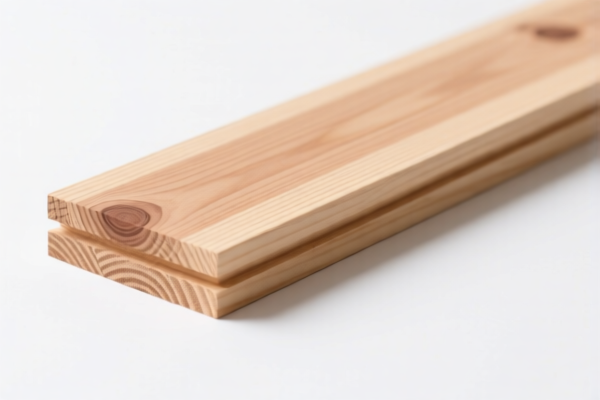
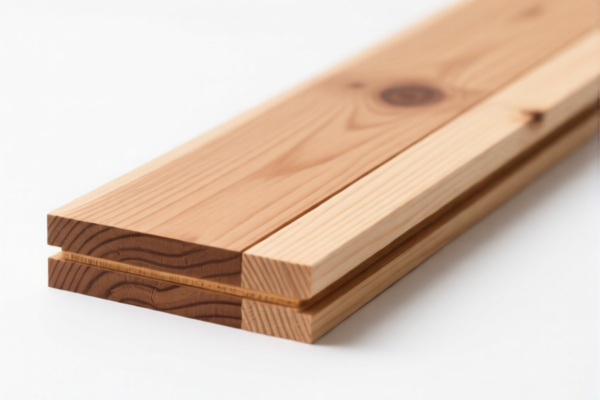
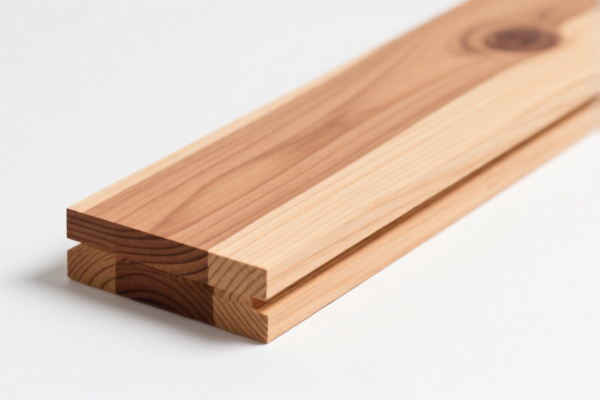
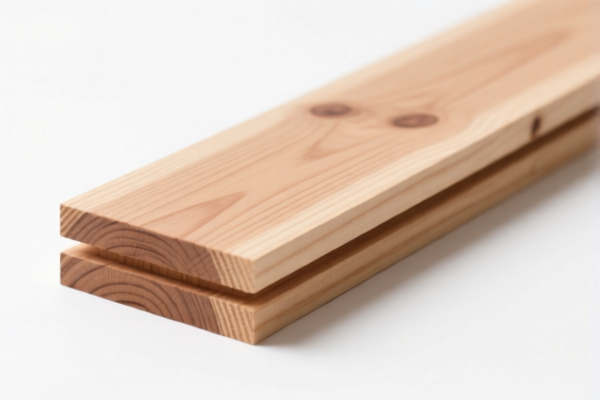
AI Analysis
🌲 Cedar Construction Timber (Western Red Cedar / Cedar Wood)
🌐 HS Code Reference & Customs Clearance Guide | 2026 Latest Tariff Analysis | Professional Entry Strategies
📌 I. Product Definition & Classification: Do You Really Understand "Cedar Construction Timber"?
Cedar construction timber is a high-value wood product widely used in exterior decking, siding, roofing, and structural framing due to its natural resistance to rot, insects, and moisture. In international trade, it is classified based on its processing level and intended use:
Sawn/Lumber (Process 1): Wood that has been sawn, planed, or otherwise shaped but not yet assembled into a final structure or furniture component. This typically falls under Chapter 44 (Wood and Articles of Wood; Wood Charcoal).
Furniture Parts/Components (Process 2): If the cedar wood is specifically shaped or cut to be a part of a piece of furniture (e.g., drawer slides, legs, or decorative trim for a cedar closet), it may fall under Chapter 94 (Furniture).
⚠️ Key Distinction Point:
- If the wood is raw, sawn, or planed (even if labeled "construction timber") and not yet part of a specific furniture assembly → It is Wood/Lumber (Chapter 44).
- If the wood is explicitly identified as a part of furniture (e.g., "Cedar Closet Shelf Component") and not general construction material → It may be classified as Furniture Parts (Chapter 94).
📦 II. HS Code Classification Details (2026 Latest Tariff Authority Comparison)
| HS Code | Product Description | Application Scenario | Tax Rate (CN→US) |
|---|---|---|---|
4407.19.00.76 |
Cedar Construction Timber, processed wood, suitable for general construction use. | Sawn cedar planks, decking materials, general building lumber. | 35.0% |
4418.30.01.00 |
Cedar Construction Timber, specifically for building applications (e.g., roofing, siding, structural beams). | Pre-cut cedar shakes, shakes, shingles, or structural beams for house construction. | 38.2% |
4407.19.00.68 |
Cedar Construction Timber, primary sawn wood (coniferous/cedar). | Rough-sawn or planed cedar logs/boards, basic processing. | 35.0% |
9403.91.00.80 |
Cedar Wood Parts for Furniture. | Cedar components specifically for furniture, closets, or chests (e.g., cedar lining for armoires). | 35.0% |
9403.91.00.80 |
Cedar Wood, classified under Wooden Categories. | Fallback category for cedar wood parts where specific furniture classification is ambiguous. | 35.0% |
🔍 Key Reminder:
- Most "Cedar Construction Timber" intended for general building (siding, decking, framing) should be classified under 4407 (Wood sawn) or 4418 (Construction wood).
- 4418.30.01.00 carries a higher tax burden (38.2%) because it is more specifically defined for building construction items like shakes/shingles.
- 9403.91.00.80 is for furniture parts. Do not use this for general lumber unless it is strictly a part of a furniture item.
💰 III. 2026 Latest Tariff Rate Breakdown (Including Surtaxes & Policy Add-ons)
✅ Applicable Country: United States (US)
✅ Origin: China (CN)
✅ Effective Time: 2025 November 10 onwards (including subsequent imports)
🎯 1. 4407.19.00.76 & 4407.19.00.68 —— Cedar Construction Timber (Sawn/Processed)
| Item | Content |
|---|---|
| Base Duty Rate | 0.0% (Ad Valorem) |
| Section 301 Surcharge | +25.0% (USITC Footnote for Chinese Wood Products) |
| Section 122 Tariff | +10.0% (Specific add-on for certain wood/forestry products) |
| Total Effective Rate | 35.0% |
| Tax Calculation | CIF Value × 35% |
| De Minimis Exemption | ❌ Not Applicable (High tariff threshold prevents de minimis clearance for B2B freight) |
| Legal Basis Path | USITC:4407.19.00.76 → SECTION_301:25% → SECTION_122:10% |
📌 Explanation:
- Although the base duty is 0%, the 25% Section 301 tariff is the dominant cost driver.
- The 10% Section 122 tariff is a specific punitive/add-on tariff applied to these cedar wood categories.
- Total 35% is significant. Ensure your CIF value is accurately declared to avoid underpayment penalties.
🎯 2. 4418.30.01.00 —— Cedar Construction Timber (Building Specific)
| Item | Content |
|---|---|
| Base Duty Rate | 3.2% (Ad Valorem) |
| Section 301 Surcharge | +25.0% |
| Section 122 Tariff | +10.0% |
| Total Effective Rate | 38.2% |
| Tax Calculation | CIF Value × 38.2% |
| De Minimis Exemption | ❌ Not Applicable |
| Legal Basis Path | USITC:4418.30.01.00 → SECTION_301:25% → SECTION_122:10% |
📌 Note:
- This category is more expensive due to a higher base rate (3.2%).
- Use this only if the product is specifically defined as "construction wood" for building structures (e.g., pre-fabricated cedar roofing shakes).
- Risk: Misclassifying general lumber (4407) as construction-specific (4418) can lead to overpayment or audits if the product doesn't fit the strict definition.
🎯 3. 9403.91.00.80 —— Cedar Wood Parts for Furniture
| Item | Content |
|---|---|
| Base Duty Rate | 0.0% |
| Section 301 Surcharge | +25.0% |
| Section 122 Tariff | +10.0% |
| Total Effective Rate | 35.0% |
| Tax Calculation | CIF Value × 35% |
| De Minimis Exemption | ❌ Not Applicable |
| Legal Basis Path | USITC:9403.91.00.80 → SECTION_301:25% → SECTION_122:10% |
📌 Note:
- Same effective rate as4407(35%), but the base duty is also 0%.
- Crucial: Only use this if the cedar wood is a part of furniture. If you ship general construction lumber under this code, CBP may reject it and reclassify it to4407or4418, causing delays.
🛠️ IV. Customs Clearance Practical Advice (Combat Pitfalls Guide)
✅ 1. Required Documentation Checklist (All Mandatory)
| Document | Must Provide | Description |
|---|---|---|
| ✅ Product Specification Sheet | ✔️ | Include species (e.g., Western Red Cedar), dimensions, moisture content, and treatment status. |
| ✅ Photos of Product | ✔️ | Clear shots showing grain, ends, and any stamps/markings (IPPSC marking for pest control is critical). |
| ✅ Commercial Invoice | ✔️ | Must state "Cedar Construction Timber" or "Cedar Wood Parts," not vague terms like "Wood." |
| ✅ Phytosanitary Certificate | ✔️ | Critical for Wood! Proves the wood is free from pests and fungi (ISPM 15 standard). |
| ✅ IPPSC Marking Verification | ✔️ | Ensure wood has the official International Plant Protection Convention stamp. |
| ✅ Bill of Lading/Air Waybill | ✔️ | Match HS Code and weight precisely. |
✅ 2. Declaration Tips (Key Mantras)
🔥 “Species Must Be Clear, Process Must Be Defined, 301 & 122 Are Inevitable!”
| Scenario | Correct Declaration | Incorrect Practice |
|---|---|---|
| General Sawn Cedar | 4407.19.00.76 (Processed) or 68 (Primary Sawn) |
Vague "Wood" → Risk of Audit |
| Cedar Shakes/Shingles | 4418.30.01.00 |
Calling it "Lumber" → Wrong Code |
| Cedar Closet Lining | 9403.91.00.80 |
Calling it "Construction Timber" → Misclassification |
| Raw Logs (Unprocessed) | Different Code (e.g., 4403) | Forcing 4407 → Rejection |
✅ 3. Special Situation Handling
| Situation | Handling Advice |
|---|---|
| Heat-Treated Wood | Provide Heat Treatment Certificate. Untreated wood may be rejected or require fumigation. |
| Mixed Shipments | If cedar is mixed with non-timber items, separate the values. Timber is taxed at 35-38%; other items may have different rates. |
| Value-Added Wood (Stained/Treated) | If chemically treated, ensure the description reflects "Chemically Treated Cedar" to avoid pest control issues. |
| Drop Shipping | Ensure the consignee is not also the shipper unless properly documented to avoid "de minimis" abuse flags. |
🌍 V. Global Main Market Customs Comparison (2026 Latest)
| Country/Region | Recommended HS Code | Tariff (China Origin) | Certification | Remarks |
|---|---|---|---|---|
| 🇺🇸 USA | 4407.19.00.76 / 4418.30.01.00 |
35% - 38.2% | Phytosanitary + IPPSC | High tariff due to Sec 301 & 122 |
| 🇨🇳 China | 4407.19.00.76 |
Low/0% (Varies) | N/A | Import duty may be low, but export tax may apply |
| 🇪🇺 EU | 4407.19.00 |
Variable (Often 0-2.7%) | ISPM 15 | No Section 301/122 equivalent |
| 🇬🇧 UK | 4407.19.00 |
Variable | ISPM 15 | Post-Brexit rules apply |
📌 Conclusion:
- The USA is the most costly market for cedar construction timber due to Section 301 (25%) and Section 122 (10%) tariffs.
- Phytosanitary compliance is just as important as tariff compliance. A missing IPPSC mark can lead to quarantine destruction.
📌 VI. Common Errors & Pitfalls (Blood & Tears Lessons)
❌ Error 1: Declaring "Cedar Wood" without specifying Processing Level
👉 Consequence: CBP may assign the highest default rate or request further examination → Delay + Storage Fees.
❌ Error 2: Misclassifying Furniture Parts as Construction Lumber
👉 Consequence: If audited, you may be flagged for undervaluation or wrong code usage, leading to fines.
❌ Error 3: Ignoring Section 122 Tariff
👉 Consequence: Some brokers omit the 10% add-on. This is illegal. Expect retroactive fines + interest.
❌ Error 4: No Phytosanitary Certificate
👉 Consequence: Immediate Rejection or Destruction of cargo by USDA APHIS.
✅ Correct Approach:
"Western Red Cedar Sawn Lumber, Heat Treated, IPPSC Marked, for Decking Use, HS 4407.19.00.76"
🎯 VII. Conclusion: Professional Declaration, Save Time & Money!
🎯 Remember the Mantra:
🔹 "Cedar is Special, Treatments Matter, 301 is Heavy, 122 is There."
🔹 "Code 4407 is 35%, 4418 is 38.2%, Get the Certificate or Lose Your Ship."
📌 Pro Tip:
If your cedar timber is sourced from Canada, Russia, or other non-China origins, you may avoid the 25% Section 301 tariff, reducing the total to just 10% (Section 122) or even 0% depending on the specific code and trade agreements.
Always verify the Country of Origin!
📣 Action Now:
📞 Contact a licensed Customs Broker + Provide Phytosanitary Certificate + Apply for Pre-Ruling if volume is high.
🚀 Ensure your cedar timber passes CBP inspection smoothly, avoids extra taxes, and arrives on time.
✨ Professional Customs Clearance Starts with Accurate Classification!
💼 Your cost efficiency depends on precise HS Code selection!
Customer Reviews
About HS Code Classification
The Harmonized System (HS) is an internationally standardized nomenclature developed by the World Customs Organization (WCO) to classify traded products. Over 200 countries use the HS system as the basis for customs tariffs, trade statistics, and import/export regulations.
Each HS code follows a hierarchical structure:
- Chapter (2 digits) — Broad category of goods (e.g., Chapter 84: Machinery and Mechanical Appliances)
- Heading (4 digits) — More specific grouping within the chapter
- Subheading (6 digits) — Internationally standardized breakdown, used by all WCO member countries
- National subdivisions (8-10 digits) — Country-specific extensions for further classification, such as US HTSUS 10-digit codes
Correct HS code classification is essential for smooth customs clearance, accurate duty payment, and compliance with trade regulations. Misclassification can lead to customs delays, overpayment of duties, or penalties.
When importing from CN to US, the applicable tariff rates may include:
- Most-Favored-Nation (MFN) rate — The standard duty rate applied to WTO members
- General rate — Applied to countries without trade agreements
- Trade remedy duties — Additional tariffs such as Section 301 (anti-dumping), Section 232 (national security), or countervailing duties
The information provided on this page is for reference purposes only. For official classification, please consult with your local customs authority or a licensed customs broker.