Cedar Log
CN → US| HS Code | Tariff Rate | Origin | Destination | Doc |
|---|---|---|---|---|
| 4403250155 | 35.0% | CN | US | Official Doc |
| 4407190068 | 35.0% | CN | US | Official Doc |
| 4407190069 | 35.0% | CN | US | Official Doc |
| 4407190076 | 35.0% | CN | US | Official Doc |
| 9403910080 | 35.0% | CN | US | Official Doc |
Product Images
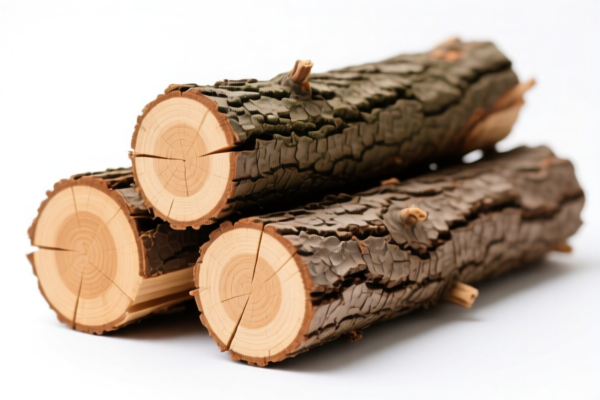
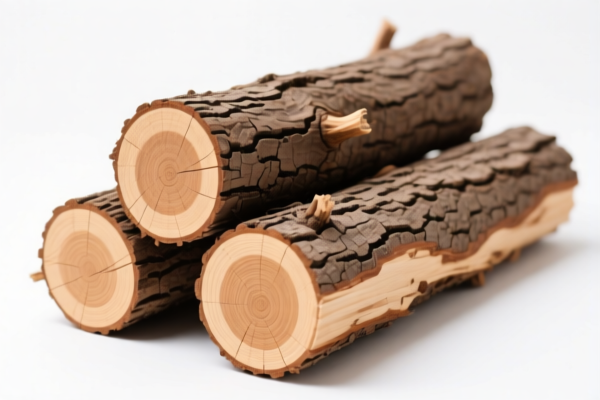
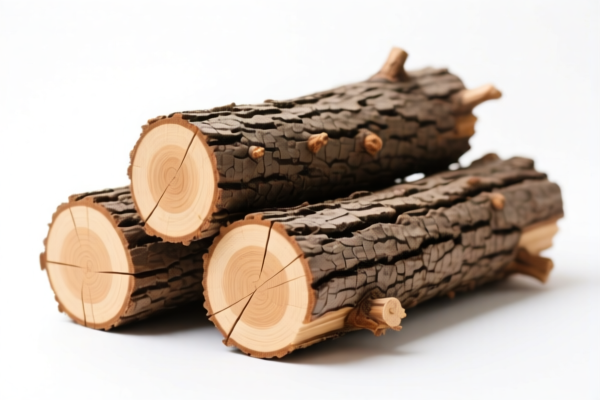
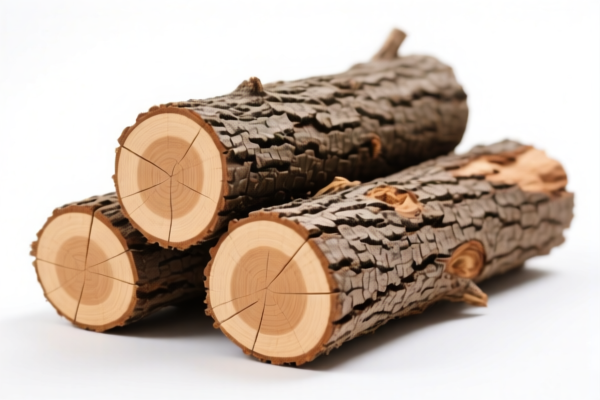
AI Analysis
🌲 Cedar Log (红雪松/雪松原木)
🌐 HS Code Reference & Clearance Guide | 2026 Latest Tariff Analysis | Professional US Customs Strategy
📌 1. Product Definition & Classification: What Exactly is "Cedar Log"?
Cedar wood, particularly Western Red Cedar and other coniferous species, is a high-value timber widely used in construction, fencing, decking, and furniture making. In international trade, "Cedar Log" is not a single HS code but a category of unprocessed or roughly processed timber. The correct classification depends heavily on the species, state of processing (raw vs. sawn), and end-use.
⚠️ Key Distinction Points:
- Raw Logs: Whole tree trunks, debarked or un-debarked, no further shaping → Classified under 4403.25 (Coniferous wood, roughly squared) or similar raw categories. - Sawn/Simple Processing: Wood that has been planed, sliced, or roughly shaped but not yet made into finished goods → Classified under 4407.19 (Other coniferous wood, sawn/chipped). - Semi-Processed/Roughly Shaped: Wood prepared for specific structural uses → Classified under 4407.19.00.68/69/76. - Component Material: If sold as raw material specifically for furniture parts → May fall under 9403.91 (Parts of wooden furniture).
📦 2. HS Code Classification Matrix (Based on Provided Data)
| HS Code | Product Description | Processing State | Tariff Summary |
|---|---|---|---|
| 4403.25.01.55 | Red Cedar Logs (Coniferous, Raw) | Raw logs, unprocessed timber | 35.0% Total Tax |
| 4407.19.00.68 | Red Cedar Logs (Coniferous, Sawn/Chipped) | Sawn or chipped, rough state | 35.0% Total Tax |
| 4407.19.00.69 | Western Red Cedar (Unprocessed Wood) | Roughly processed, not finished | 35.0% Total Tax |
| 4407.19.00.76 | Cedar Wood (Roughly Shaped) | Roughly shaped/squared timber | 35.0% Total Tax |
| 9403.91.00.80 | Cedar Wood (Furniture Parts Raw) | Raw material for wooden furniture components | 35.0% Total Tax |
🔍 Critical Insight:
- All listed HS codes for Cedar Logs carry the same total tax rate of 35.0% due to current US trade policies. - The distinction between these codes is primarily for statistical tracking and customs inspection accuracy, not tariff avoidance (in this specific dataset). - Misclassifying a "log" as "furniture part" or vice versa can lead to customs delays even if the tax rate is identical.
💰 3. 2026 Latest Tariff Rate Breakdown (US Market)
✅ Applicable Country: United States (US)
✅ Origin: China (CN) (Implied by 122-Clause & Section 301 tariffs)
✅ Effective Date: Ongoing (Since 2018-2025 policy continuity)
🎯 Universal Tax Structure for All Listed HS Codes
| Component | Rate | Legal Basis |
|---|---|---|
| Base Tariff | 0.0% | Standard MFN rate for many timber products |
| Section 301 Tariff | +25.0% | US Trade Representative (USTR) List 4B/4C |
| Section 122 Tariff | +10.0% | Specific retaliatory tariffs on Chinese goods |
| Total Tax Rate | 35.0% | Ad Valorem (on CIF Value) |
📌 Detailed Explanation:
- Base Rate (0%): The World Trade Organization (WTO) base rate for unprocessed coniferous wood is often low or zero. - Section 301 (25%): Imposed on a wide range of Chinese imports, including timber and wood products, under the US Trade Act of 1974. - Section 122 (10%): Additional tariffs applied to specific Chinese goods as part of broader trade measures. - Total Impact: 35% is a significant cost burden. Importers must factor this into their landed cost calculations immediately.
🛠️ 4. Clearance Practical Advice (Avoiding Delays & Penalties)
✅ 1. Required Documentation Checklist
| Document | Mandatory? | Notes |
|---|---|---|
| Commercial Invoice | ✅ Yes | Must clearly state "Cedar Log," species (e.g., Western Red Cedar), and HS Code. |
| Packing List | ✅ Yes | Detail volume (MBF - Thousand Board Feet) and weight. |
| Phytosanitary Certificate | ✅ Yes | Critical for wood products. Must confirm no pests/diseases. |
| ISPM 15 Marking | ✅ Yes | If wood is palletized or crated, it must be heat-treated/fumigated and marked. |
| Certificate of Origin | ✅ Yes | Required to prove origin and apply applicable tariffs. |
| Bill of Lading/Air Waybill | ✅ Yes | Standard shipping document. |
✅ 2. Classification Best Practices
🔥 "Be Specific, Be Accurate: Raw vs. Roughly Processed"
| Scenario | Recommended HS Code | Reason |
|---|---|---|
| Whole Tree Trunks (Debarked/Un-debarked) | 4403.25.01.55 |
Fits definition of "Roughly Squared" logs. |
| Sawn/Cut to Length (Still Rough) | 4407.19.00.68 |
"Sawn or chipped" classification. |
| Western Red Cedar (Specific Brand/Type) | 4407.19.00.69 |
Explicitly mentions Western Red Cedar. |
| Roughly Shaped Planks (Not Finished) | 4407.19.00.76 |
"Roughly shaped" implies some planing but not final use. |
| Intended for Furniture Parts | 9403.91.00.80 |
If pre-cut specifically for furniture assembly. |
⚠️ Warning:
- Do NOT classify raw logs as "Finished Furniture" (HS 9403.01) to avoid taxes → This is fraud and will result in severe penalties. - Do NOT use vague terms like "Wood" → Always specify "Cedar Log" or "Red Cedar Timber."
✅ 3. Special Considerations
| Issue | Solution |
|---|---|
| Pest Control | Ensure Phytosanitary Certificate is issued by the exporting country’s agricultural authority. Without it, cargo will be rejected. |
| Volume Calculation | Customs may inspect volume (MBF). Ensure your invoice and packing list match the physical shipment exactly. |
| Tariff Engineering | Since all listed codes have a 35% rate, there is no tariff advantage in switching between these HS codes for cost-saving. Focus on accuracy to avoid delays. |
| Origin Verification | If the cedar is not from China (e.g., Canada, USA), Section 301 and 122 tariffs do not apply. Verify origin with CO. |
🌍 5. Global Market Comparison (2026)
| Market | HS Code Reference | Estimated Tariff (China Origin) | Key Requirement |
|---|---|---|---|
| 🇺🇸 USA | 4403.25, 4407.19, etc. |
35.0% | Phytosanitary Cert, ISPM 15 |
| 🇨🇳 China | 4403.25, 4407.19 |
0-10% | Import License (if applicable) |
| 🇪🇺 EU | 4403.25, 4407.19 |
0-6% | FLEGT License (if from certain regions) |
| 🇬🇧 UK | 4403.25, 4407.19 |
0-6% | Post-Brexit Import Declarations |
📌 Conclusion:
- The US market is the most expensive for Chinese-origin cedar logs due to the 35% tariff. - Canada and the US are major cedar producers. If possible, source from these regions to avoid Section 301/122 tariffs.
📌 6. Common Mistakes & Pitfalls (Lessons Learned)
❌ Mistake 1: Using generic "Wood Logs" without specifying species.
👉 Consequence: Customs may classify under a higher-risk code or request additional documentation, causing delays.
❌ Mistake 2: Ignoring Phytosanitary Requirements.
👉 Consequence: Cargo seized or destroyed due to pest risk. No amount of tariff payment fixes this.
❌ Mistake 3: Misclassifying as "Finished Furniture" to Avoid Tariffs.
👉 Consequence: Fraud detection, heavy fines, and loss of import privileges.
❌ Mistake 4: Assuming All Cedars Are the Same.
👉 Consequence: "Red Cedar" (Western Red Cedar) is different from "Eastern White Cedar." Misclassification leads to incorrect duty assessments.
✅ Correct Approach:
"Western Red Cedar Logs, Roughly Squared, Phytosanitary Certified, ISPM 15 Compliant, HS Code 4403.25.01.55"
🎯 7. Conclusion: Smart Sourcing & Compliance
🎯 Key Takeaways:
🔹 "35% is the Cost of Doing Business" for Chinese-origin cedar in the US. Plan your pricing accordingly.
🔹 "Phytosanitary Certs are Non-Negotiable". No certificate = No entry.
🔹 "Be Specific". Use precise HS codes from the provided list to ensure smooth clearance.
📌 Pro Tip:
If your cedar logs are sourced from Canada, USA, or Europe, you may qualify for 0% tariffs under Free Trade Agreements (CUSMA, NAFTA successor, or EU-US agreements). Verify origin before shipping!
📣 Action Plan:
📞 Engage a licensed customs broker to review your specific shipment details.
📄 Secure Phytosanitary Certification before loading.
💡 Consider sourcing from non-China origins to save 35% on tariffs.
✨ Compliance is Cost-Efficiency!
💼 Get it right the first time, avoid delays, and protect your margins.
Customer Reviews
About HS Code Classification
The Harmonized System (HS) is an internationally standardized nomenclature developed by the World Customs Organization (WCO) to classify traded products. Over 200 countries use the HS system as the basis for customs tariffs, trade statistics, and import/export regulations.
Each HS code follows a hierarchical structure:
- Chapter (2 digits) — Broad category of goods (e.g., Chapter 84: Machinery and Mechanical Appliances)
- Heading (4 digits) — More specific grouping within the chapter
- Subheading (6 digits) — Internationally standardized breakdown, used by all WCO member countries
- National subdivisions (8-10 digits) — Country-specific extensions for further classification, such as US HTSUS 10-digit codes
Correct HS code classification is essential for smooth customs clearance, accurate duty payment, and compliance with trade regulations. Misclassification can lead to customs delays, overpayment of duties, or penalties.
When importing from CN to US, the applicable tariff rates may include:
- Most-Favored-Nation (MFN) rate — The standard duty rate applied to WTO members
- General rate — Applied to countries without trade agreements
- Trade remedy duties — Additional tariffs such as Section 301 (anti-dumping), Section 232 (national security), or countervailing duties
The information provided on this page is for reference purposes only. For official classification, please consult with your local customs authority or a licensed customs broker.