Cellulose Acetate Packaging Board
CN → US| HS Code | Tariff Rate | Origin | Destination | Doc |
|---|---|---|---|---|
| 3921190090 | 41.5% | CN | US | Official Doc |
| 3912110000 | 40.6% | CN | US | Official Doc |
| 3921905050 | 39.8% | CN | US | Official Doc |
| 3912120000 | 40.6% | CN | US | Official Doc |
| 3920730000 | 37.9% | CN | US | Official Doc |
Product Images
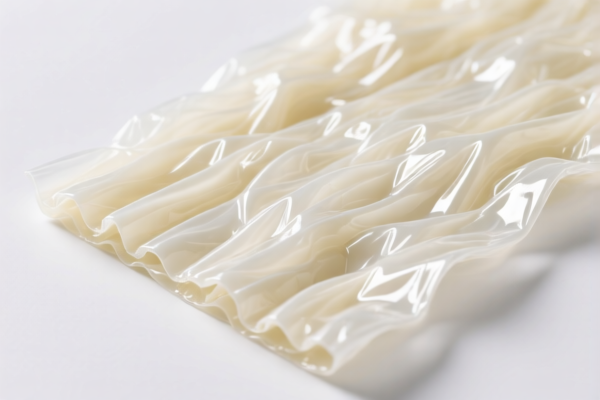
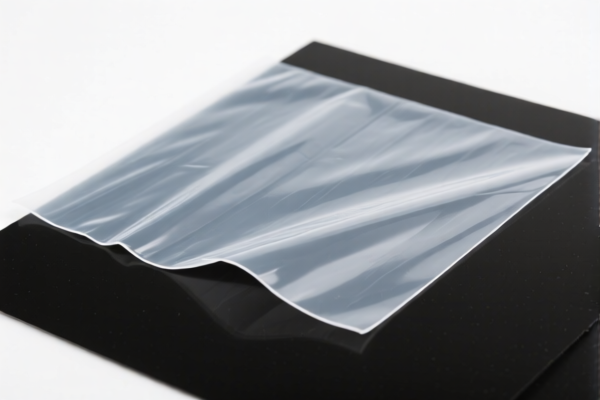
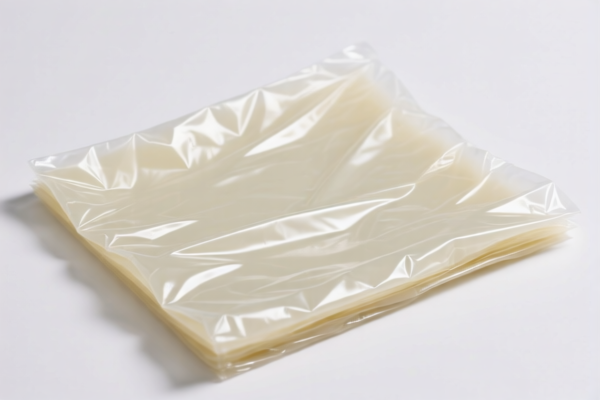
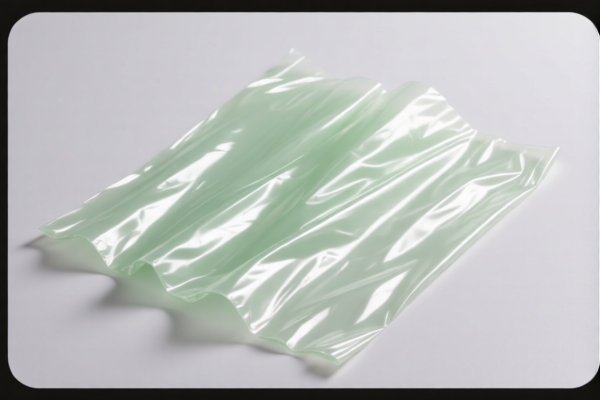
AI Analysis
🧪 Cellulose Acetate Packaging Board: HS Code Classification & 2026 Tariff Strategy
🌐 HS Code Reference & Customs Clearance Guide | 2026 Latest Tariff Analysis | Professional Entry Strategies
📌 I. Product Definition & Classification: What is "Cellulose Acetate Board"?
Cellulose Acetate (CA) Board is a high-performance synthetic material derived from cellulose, known for its clarity, stiffness, and chemical resistance. In international trade, it is primarily classified under Chapter 39 (Plastics and Articles Thereof). The specific HS Code depends on whether the product is considered a semi-raw material (primary form) or a finished/manufactured article (plate/sheet form).
⚠️ Key Distinction:
- If the material is in primary forms (powder, granules, or basic non-shaped sheets) → Classified under 3912.
- If the material is processed into rigid plates, sheets, or specialized packaging boards → Classified under 3920 or 3921.
- Note: All HS Codes below include significant "Section 301" (25%) and "Section 122" (10%) tariffs for Chinese origin goods.
📦 II. HS Code Classification Details (2026 Latest Tariff Authority)
Based on the provided data, here are the specific classifications for Cellulose Acetate Packaging Board.
| HS Code | Product Description | Classification Logic | Total Tariff Rate |
|---|---|---|---|
| 3920.73.00.00 | Cellulose Acetate Plates/Sheets (Packaging Board) | Best Match for "Packaging/Sheet". Classified as plates/sheets of plastics. | 37.9% |
| 3921.19.00.90 | Cellulose Acetate Precision Board (Plate) | Classified as "Other Plates/Sheets" of plastics/synthetic fibers. | 41.5% |
| 3912.11.00.00 | Cellulose Acetate (Primary Form Extension) | Classified as "Cellulose Acetates" in primary forms or basic shapes. | 40.6% |
| 3912.12.00.00 | Cellulose Acetate Board (Semi-Finished) | Classified as "Cellulose Acetates" in semi-finished/primary states. | 40.6% |
| 3921.90.50.50 | Cellulose Acetate Board (Synthetic Fiber/Plastic) | Classified under "Other Plates/Sheets" of synthetic fibers/plastics. | 39.8% |
🔍 Key Reminder:
- 3920.73.00.00 generally carries the lowest total tariff (37.9%) among the options, making it the most cost-effective for standard "Packaging Board" if the physical form fits "plates/sheets."
- Codes under 3912 (40.6% - 41.5%) are typically for less processed forms or specific chemical classifications, which may attract higher duties if the board is already finished.
- 122 Clause Tariff (10%) is applied on top of the base and 301 tariffs for all these categories.
💰 III. 2026 Latest Tariff Rate Breakdown (Including Surtaxes)
✅ Applicable Country: United States (US)
✅ Origin: China (CN)
✅ Effective Time: Current rates apply (Including Section 301 and Section 122)
🎯 1. 3920.73.00.00 —— Cellulose Acetate Plates/Sheets (Packaging Board)
(Lowest Tariff Option)
| Item | Detail |
|---|---|
| Base Tariff | 2.9% |
| Section 301 Surtax | +25.0% |
| Section 122 Tariff | +10.0% |
| Total Tariff Rate | 37.9% |
| Tax Calculation | CIF Value × 37.9% |
| De Minimis Exemption | ❌ Not Applicable (High tariff threshold) |
| Legal Basis | Base Rate (HTSUS) → Section 301 Footnote → Section 122 Order |
📌 Explanation:
- Base (2.9%): Low duty for general plastic plates.
- Section 301 (25%): Retaliatory tariff on Chinese plastic articles.
- Section 122 (10%): Additional surcharge targeting specific synthetic fiber/plastic imports.
- Total 37.9% is the minimum among the provided options, ideal for cost optimization.
🎯 2. 3921.19.00.90 —— Cellulose Acetate Precision Board (Plate)
(Higher Tariff Option)
| Item | Detail |
|---|---|
| Base Tariff | 6.5% |
| Section 301 Surtax | +25.0% |
| Section 122 Tariff | +10.0% |
| Total Tariff Rate | 41.5% |
| Tax Calculation | CIF Value × 41.5% |
| De Minimis Exemption | ❌ Not Applicable |
| Legal Basis | HTSUS 3921.19 → Section 301 → Section 122 |
📌 Explanation:
- Higher base rate (6.5%) due to classification as "Other Plates/Sheets" which may be viewed as more processed or specialized than standard sheets.
- 41.5% total duty significantly increases landed cost.
🎯 3. 3912.11.00.00 & 3912.12.00.00 —— Cellulose Acetate (Primary/Semi-Finished)
| Item | Detail |
|---|---|
| Base Tariff | 5.6% |
| Section 301 Surtax | +25.0% |
| Section 122 Tariff | +10.0% |
| Total Tariff Rate | 40.6% |
| Tax Calculation | CIF Value × 40.6% |
📌 Explanation:
- Even though 3912 refers to "Primary Forms," the base tariff (5.6%) is higher than 3920 (2.9%).
- This classification is risky if the product is clearly a "finished board" rather than raw material. Misclassification can lead to penalties.
🎯 4. 3921.90.50.50 —— Other Plastic/Synthetic Fiber Boards
| Item | Detail |
|---|---|
| Base Tariff | 4.8% |
| Section 301 Surtax | +25.0% |
| Section 122 Tariff | +10.0% |
| Total Tariff Rate | 39.8% |
📌 Explanation:
- A middle-ground option. Base rate is moderate (4.8%), but still higher than 3920.73.
🛠️ IV. Customs Clearance Practical Advice (Avoiding Pitfalls)
✅ 1. Preparation Checklist (Must-Have Documents)
| Document | Required | Note |
|---|---|---|
| Product Spec Sheet | ✔️ | Must specify: Material (Cellulose Acetate), Form (Board/Plate), Thickness, Dimensions. |
| Certificate of Origin | ✔️ | Crucial for verifying Chinese origin to apply correct Section 301/122 rates. |
| Commercial Invoice | ✔️ | Clearly state "Cellulose Acetate Board for Packaging" to match HS description. |
| Packing List | ✔️ | Weight and dimensions per pallet. |
| Photos of Product | ✔️ | Show surface texture, edges, and any branding to prove it's a "board/plate." |
| Composition Statement | ✔️ | Confirm 100% Cellulose Acetate to avoid misclassification as generic plastic. |
✅ 2. Classification Strategy (Key Tips)
🔥 "Form Determines Code, Base Rate Determines Cost!"
| Scenario | Recommended HS Code | Why? |
|---|---|---|
| Standard Packaging Boards | 3920.73.00.00 | Lowest total duty (37.9%). Fits "Plastic Plates/Sheets." |
| High-Precision/Engineered Boards | 3921.19.00.90 | Only use if board has special engineering properties not covered by 3920. |
| Raw/Granular/Unprocessed CA | 3912.11.00.00 | Only if NOT in plate/board form. Do not use for finished boards. |
| Mixed Material Boards | 3921.90.50.50 | If CA is blended with other synthetic fibers. |
⚠️ Warning:
- Do not classify finished packaging boards under 3912 (Primary Forms) unless they are truly unprocessed. Customs may flag this as "misclassification of finished goods" leading to penalties.
- 3920.73.00.00 is the most logical fit for "Packaging Board" as it explicitly covers plates/sheets of plastics.
✅ 3. Special Considerations
| Issue | Solution |
|---|---|
| Section 122 Tariff (10%) | Applies regardless of base rate. Ensure invoice value (CIF) is accurate to avoid under-declaration. |
| Misclassification Risk | If you declare as 3912 (40.6%) but goods are 3920 (37.9%), you may overpay. If you declare 3920 but goods are 3912, you risk underpayment penalties. |
| De Minimis ($800) | ❌ Not Eligible. Cellulose Acetate boards are subject to high tariffs and are excluded from Section 321 de minimis relief for Chinese goods. |
🌍 V. Global Market Comparison (Quick Reference)
| Region | Typical HS Code for CA Board | Est. Duty (China Origin) | Note |
|---|---|---|---|
| 🇺🇸 USA | 3920.73.00.00 | 37.9% | Includes 25% (301) + 10% (122). Highest cost. |
| 🇨🇳 China | 3920.73.00.00 | ~6-10% | Lower duty, but export restrictions may apply. |
| 🇪🇺 EU | 3920.73.00.00 | ~6.5% | No Section 301/122 surtaxes. |
| 🇬🇧 UK | 3920.73.00.00 | ~6.5% | Post-Brexit tariff structure similar to EU. |
📌 Conclusion:
- USA is the most expensive market due to dual surtaxes (301 + 122).
- Optimize HS Code: Use 3920.73.00.00 to minimize the 37.9% burden vs. 41.5% for other board types.
📌 VI. Common Errors & Pitfalls (Blood & Tears Lessons)
❌ Error 1: Classifying finished packaging boards under 3912 (Primary Forms)
👉 Consequence: Customs may reject as "misdeclaration," causing delays, fines, or forced re-classification to 3920/3921.
❌ Error 2: Ignoring Section 122 (10%)
👉 Consequence: Underpayment of duties. Section 122 is separate from Section 301. Total duty = Base + 25% + 10%.
❌ Error 3: Assuming De Minimis ($800) applies
👉 Consequence: Shipments under $800 from China are still taxed if they fall under certain HS codes (including many plastics). CA Board is not exempt.
❌ Error 4: Vague Description "Plastic Board"
👉 Consequence: Customs cannot verify material. May assign highest discretionary rate or hold shipment for lab test.
✅ Correct Approach:
"Cellulose Acetate Plates, 2mm Thickness, Clear Finish, for Packaging Use. Material: 100% Cellulose Acetate. HS Code: 3920.73.00.00."
🎯 VII. Conclusion: Smart Classification, Cost Savings!
🎯 Key Takeaway:
🔹 Best HS Code for Packaging Board:
3920.73.00.00(37.9% Total Duty)
🔹 Avoid:3921.19.00.90(41.5%) and3912codes (40.6%) unless structurally necessary.
🔹 Total Duty Calculation: Base (2.9%) + 301 (25%) + 122 (10%) = 37.9%.🚀 Action Plan:
1. Confirm product form is Plate/Sheet.
2. Use HS 3920.73.00.00.
3. Prepare CIF Invoice with accurate value.
4. Budget for 37.9% total duty for US imports.
✨ Professional Customs Clearance Starts with Accurate HS Codes!
💼 Minimize Costs, Maximize Efficiency!
Customer Reviews
About HS Code Classification
The Harmonized System (HS) is an internationally standardized nomenclature developed by the World Customs Organization (WCO) to classify traded products. Over 200 countries use the HS system as the basis for customs tariffs, trade statistics, and import/export regulations.
Each HS code follows a hierarchical structure:
- Chapter (2 digits) — Broad category of goods (e.g., Chapter 84: Machinery and Mechanical Appliances)
- Heading (4 digits) — More specific grouping within the chapter
- Subheading (6 digits) — Internationally standardized breakdown, used by all WCO member countries
- National subdivisions (8-10 digits) — Country-specific extensions for further classification, such as US HTSUS 10-digit codes
Correct HS code classification is essential for smooth customs clearance, accurate duty payment, and compliance with trade regulations. Misclassification can lead to customs delays, overpayment of duties, or penalties.
When importing from CN to US, the applicable tariff rates may include:
- Most-Favored-Nation (MFN) rate — The standard duty rate applied to WTO members
- General rate — Applied to countries without trade agreements
- Trade remedy duties — Additional tariffs such as Section 301 (anti-dumping), Section 232 (national security), or countervailing duties
The information provided on this page is for reference purposes only. For official classification, please consult with your local customs authority or a licensed customs broker.