Cellulose Ester Packaging Film
CN → US| HS Code | Tariff Rate | Origin | Destination | Doc |
|---|---|---|---|---|
| 3912110000 | 40.6% | CN | US | Official Doc |
| 3912120000 | 40.6% | CN | US | Official Doc |
| 3920730000 | 37.9% | CN | US | Official Doc |
| 3920791000 | 41.2% | CN | US | Official Doc |
| 3921140000 | 41.5% | CN | US | Official Doc |
Product Images
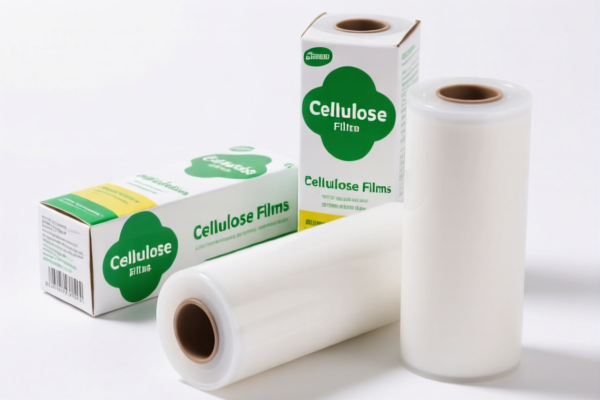
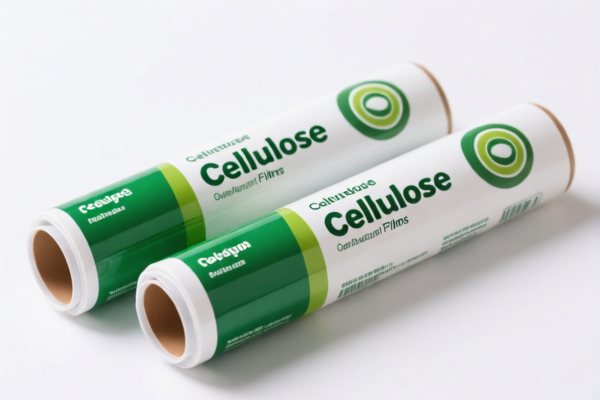
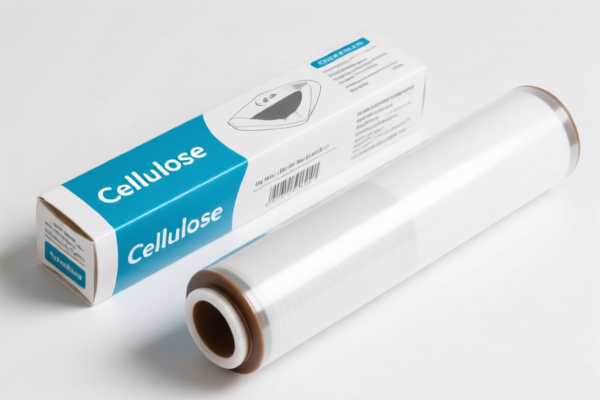
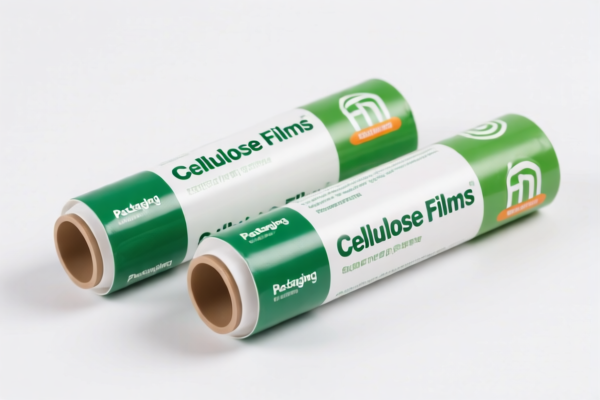
AI Analysis
📦 Cellulose Ester Packaging Film 🎞️
(Material: Cellulose Acetate / Cellulose Ester | Form: Film | Primary State)
🌐 HS Code Reference & Customs Clearance Guide | 2026 Latest Tariff Analysis | Strategic Entry for Cellulose Films
📌 I. Product Definition & Classification: Understanding "Cellulose Ester Film"
Cellulose Ester Packaging Film (typically Cellulose Acetate) is a transparent, biodegradable, or compostable plastic film widely used in food packaging, cigarette filters, and industrial applications.
In international trade (specifically US Imports from China), classification hinges on two critical factors: 1. Chemical Composition: Is it "Cellulose Acetate" (Primary) or a "Derivative/Regenerated"? 2. Physical Form & Thickness: Is it a simple sheet/film (<0.076mm) or a structured plate/sheet?
⚠️ Key Distinction Point: - Strict "Primary" Definition: If the film is purely Cellulose Acetate in its basic form → Chapter 3912. - General Plastic Film: If classified under general plastics chapters (like 3920/3921) due to additives or specific thickness rules → Chapter 3920/3921.
📦 II. HS Code Classification Details (2026 Latest Tariff Authority Cross-Reference)
Based on the provided data, here are the five valid HS Codes for Cellulose Ester Packaging Film, ranging from strict chemical definitions to physical form-based classifications.
| HS Code | Product Description (Summary) | Key Classification Logic | Total Tax Rate |
|---|---|---|---|
3912.11.00.00 |
Cellulose Acetate Film, Material: Cellulose Acetate, Form: Film, Consistent with Primary Form Definition. | ⭐ Most Direct Match: Pure cellulose acetate in primary shape. | 40.6% |
3912.12.00.00 |
Cellulose Acetate Film, Material: Cellulose Acetate, Form: Film, No Plasticization Conflict. | ⭐ Direct Match: Pure form, confirms no conflicting plasticizers affect classification. | 40.6% |
3920.73.00.00 |
Cellulose Acetate Film, Material: Cellulose Acetate, Form: Plates/Sheets/Films, Classification Consistent. | 🔄 Alternative: Classified under "Other Plates/Sheets/Films" of plastics. | 37.9% |
3920.79.10.00 |
Cellulose Ester Film, Material: Cellulose Derivative, Form: Film/Strip/Sheet ≤0.076mm Thickness. | 📏 Thickness Dependent: Specific for ultra-thin films (<0.76mm). | 41.2% |
3921.14.00.00 |
Cellulose Acetate Film, Material: Regenerated Cellulose, Form: Film, Classification Consistent. | ⚠️ Different Material Base: Classified as "Regenerated Cellulose" (e.g., Cellophane-like), not raw acetate. | 41.5% |
🔍 Critical Analysis: - Why so many codes? US Customs (CBP) may interpret "Cellulose Ester" differently. - If it's pure Cellulose Acetate,
3912is the most accurate chemical classification. - If it's treated as a general Plastic Film,3920or3921may apply based on thickness or manufacturing process. - Risk: Misclassification between3912(Primary) and3920(Fabricated Film) can lead to audits if the physical form doesn't match the "Primary Shape" definition.
💰 III. 2026 Tariff Rate Breakdown (Including Additional Duties & Policy Add-ons)
✅ Applicable Country: United States (US) ✅ Country of Origin: China (CN) ✅ Effective Date: Current rates apply (including Section 301 & 122 provisions)
🎯 1. HS Code: 3912.11.00.00 & 3912.12.00.00 (Primary Cellulose Acetate)
| Item | Detail |
|---|---|
| Base Tariff | 5.6% (Ad Valorem) |
| Section 301 Additional Tariff | +25.0% (Standard List 3/4A China tariffs) |
| Section 122 Tariff | +10.0% (Specific provisions for certain plastic articles/materials) |
| Total Tax Rate | 40.6% |
| Calculation Basis | CIF Value × 40.6% |
| De Minimis Exemption? | ❌ NO (Value exceeds $800 threshold for most commercial shipments; high tariff items rarely qualify for 801.32a relief if properly declared) |
| Legal Basis Path | USITC:3912.11.00.00 → FOOTNOTE:301 → FOOTNOTE:122 |
📌 Explanation: - Base 5.6%: Standard Most Favored Nation (MFN) rate for cellulose esters in primary forms. - 25% Section 301: The bulk of the cost. Applied to most Chinese-made plastic films. - 10% Section 122: A specific add-on tariff often applied to plastic materials to protect domestic manufacturing. - Total 40.6%: This is a high-cost item. Margin erosion is significant.
🎯 2. HS Code: 3920.73.00.00 (Plastic Films/Sheets)
| Item | Detail |
|---|---|
| Base Tariff | 2.9% (Lower than 3912) |
| Section 301 Additional Tariff | +25.0% |
| Section 122 Tariff | +10.0% |
| Total Tax Rate | 37.9% |
| Calculation Basis | CIF Value × 37.9% |
| Savings vs. 3912 | 2.7% lower than primary classification |
📌 Caution: While cheaper,
3920.73requires the product to be definitively classified as a "Plastic Film" rather than a "Primary Chemical Product." If CBP deems it primary, you risk back-taxes + penalties.
🎯 3. HS Code: 3920.79.10.00 (Ultra-Thin Cellulose Derivative)
| Item | Detail |
|---|---|
| Base Tariff | 6.2% |
| Section 301 Additional Tariff | +25.0% |
| Section 122 Tariff | +10.0% |
| Total Tax Rate | 41.2% |
| Condition | Film thickness ≤ 0.076 mm |
📌 Note: Higher base rate due to specific "thin film" categorization under cellulose derivatives. Only apply if strictly under 0.76mm.
🎯 4. HS Code: 3921.14.00.00 (Regenerated Cellulose)
| Item | Detail |
|---|---|
| Base Tariff | 6.5% |
| Section 301 Additional Tariff | +25.0% |
| Section 122 Tariff | +10.0% |
| Total Tax Rate | 41.5% |
| Material Note | Requires proof it is Regenerated Cellulose (e.g., viscose-based), not just synthetic cellulose acetate. |
🛠️ IV. Customs Clearance Practical Advice (Risk Mitigation Guide)
✅ 1. Preparation Checklist (Non-Negotiable)
| Document | Required? | Explanation |
|---|---|---|
| ✅ Product Specification Sheet | ✔️ | Must specify: Material (Cellulose Acetate vs. Regenerated), Thickness, Width, Additives. |
| ✅ Material Safety Data Sheet (MSDS) | ✔️ | To prove chemical composition and absence of restricted plasticizers. |
| ✅ Third-Party Test Report | ✔️ | Lab test confirming Cellulose Acetate content. Critical for distinguishing 3912 from 3920. |
| ✅ Commercial Invoice | ✔️ | Clearly state: "Cellulose Acetate Film, Primary Form, for Packaging Use". Avoid vague terms like "Plastic Sheet." |
| ✅ Packing List | ✔️ | Include roll dimensions, core type, and packaging material. |
| ✅ Certificate of Origin (CO) | ✔️ | Mandatory for proving CN origin to apply 301/122 tariffs accurately. |
✅ 2. Declaration Strategy (Critical Tips)
🔥 “Be Precise, Avoid Ambiguity!”
| Scenario | Recommended Declaration | Reason |
|---|---|---|
| Pure Cellulose Acetate | 3912.11.00.00 "Cellulose Acetate Film, Primary Form" |
Most accurate for raw/primary ester films. |
| Thick/Laminated Film | 3920.73.00.00 "Plastic Film, Cellulose Acetate, >0.076mm" |
If processed into specific sheets, 3920 may be safer if primary status is lost. |
| Ultra-Thin (<0.076mm) | 3920.79.10.00 "Cellulose Derivative Film, ≤0.076mm" |
Specific subheading for thin derivatives. |
| Regenerated/Cellophane | 3921.14.00.00 "Regenerated Cellulose Film" |
Only if chemically regenerated (viscose process). |
⚠️ Warning: Do NOT use generic terms like "Plastic Wrap" or "Biodegradable Film" without HS Code specificity. CBP will likely downgrade or reclassify, leading to delays.
✅ 3. Special Considerations
| Situation | Advice |
|---|---|
| Thickness Variance | Ensure thickness is consistently >0.076mm if claiming 3912 or 3920.73. If <0.076mm, you must use 3920.79.10.00 or face misclassification. |
| Additives | If the film contains >20% other plasticizers, it may no longer be "Primary Form" → Move to 3920. |
| Section 122 Eligibility | Verify if your specific manufacturer/supplier is exempt from the 10% Section 122 tariff (rare, but check current lists). |
| Pre-Ruling (Advance Ruling) | STRONGLY RECOMMENDED. Request a CBP Advance Ruling to lock in 3912.11 or 3920.73 before shipping. Cost: ~$500-$1000; Savings: Avoids $40k+ in back taxes. |
🌍 V. Global Market Comparison (2026 Context)
| Market | Recommended HS Code | Estimated Duty (CN Origin) | Key Certification |
|---|---|---|---|
| 🇺🇸 USA | 3912.11.00.00 or 3920.73.00.00 |
37.9% - 41.5% | None specific, but MSDS required. |
| 🇪🇺 EU | 3912.11.00 (Similar) |
~6.5% (Standard) + Possible Carbon Tax | REACH Compliance, Biodegradability Cert. |
| 🇨🇳 China | 3912.11.00 |
5.6% | No 301/122 tariffs. |
| 🇬🇧 UK | 3912.11.00 |
~6.5% | UKCA Marking if applicable. |
📌 Insight: The US is the most expensive market for this product due to the叠加 (stacking) of 301 (+25%) and 122 (+10%) tariffs. EU tariffs are significantly lower (~6.5%), but REACH compliance is stricter.
📌 VI. Common Errors & Pitfalls (Learn from Others)
❌ Error 1: Declaring as "Cellophane" (3921.10) when it's actually Cellulose Acetate (3912).
👉 Result: CBP rejects for material mismatch. Penalty + Reinspection.
❌ Error 2: Ignoring Thickness in Declaration.
👉 Result: If <0.076mm, 3912 is incorrect. Must be 3920.79.10.00. Back Taxes Applied.
❌ Error 3: Vague Description "Plastic Film". 👉 Result: CBP assigns highest general duty + possible fraud flags. Shipment Delayed.
❌ Error 4: Assuming "Biodegradable" changes HS Code. 👉 Result: Biodegradability does NOT change HS Classification. It only affects marketing/eco-labels. No Tax Benefit.
✅ Correct Approach:
"Cellulose Acetate Film, Primary Form, 0.1mm Thickness, Roll Form, for Food Packaging, Made in China"
🎯 VII. Conclusion: Strategic Sourcing & Cost Control
🎯 Key Takeaway:
🔹 Tax Impact is Massive: With 37.9% - 41.5% total duties, profit margins will be heavily impacted. 🔹 Classification is King:
3920.73.00.00(37.9%) is the lowest tax option, but only if legally defensible as a "Plastic Film" rather than "Primary Chemical." 🔹 Action Plan: 1. Test the film thickness and chemical composition rigorously. 2. Apply for a CBP Advance Ruling before shipping the first container. 3. Calculate landed cost including the 10% Section 122 fee – do not forget it!
📣 Immediate Action:
📞 Consult a Customs Broker: Provide product samples + specs. 📄 Request Advance Ruling: Lock in
3912.11or3920.73. 📊 Optimize Supply Chain: Consider if transshipment (if eligible) or alternative sourcing can mitigate the 40% tax burden.
✨ Professional Clearance, Start with Precise Classification! 💼 Every Percentage Point of Tariff Matters in High-Tax Environments!
Customer Reviews
About HS Code Classification
The Harmonized System (HS) is an internationally standardized nomenclature developed by the World Customs Organization (WCO) to classify traded products. Over 200 countries use the HS system as the basis for customs tariffs, trade statistics, and import/export regulations.
Each HS code follows a hierarchical structure:
- Chapter (2 digits) — Broad category of goods (e.g., Chapter 84: Machinery and Mechanical Appliances)
- Heading (4 digits) — More specific grouping within the chapter
- Subheading (6 digits) — Internationally standardized breakdown, used by all WCO member countries
- National subdivisions (8-10 digits) — Country-specific extensions for further classification, such as US HTSUS 10-digit codes
Correct HS code classification is essential for smooth customs clearance, accurate duty payment, and compliance with trade regulations. Misclassification can lead to customs delays, overpayment of duties, or penalties.
When importing from CN to US, the applicable tariff rates may include:
- Most-Favored-Nation (MFN) rate — The standard duty rate applied to WTO members
- General rate — Applied to countries without trade agreements
- Trade remedy duties — Additional tariffs such as Section 301 (anti-dumping), Section 232 (national security), or countervailing duties
The information provided on this page is for reference purposes only. For official classification, please consult with your local customs authority or a licensed customs broker.