Cement Fiber Board
CN → US| HS Code | Tariff Rate | Origin | Destination | Doc |
|---|---|---|---|---|
| 6810990020 | 35.0% | CN | US | Official Doc |
| 6810990080 | 35.0% | CN | US | Official Doc |
| 4411131000 | 35.0% | CN | US | Official Doc |
Product Images
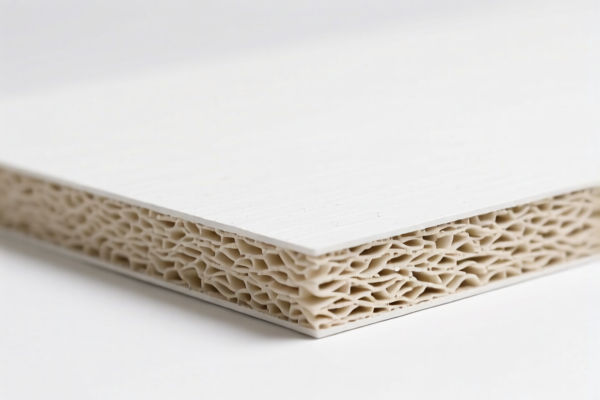
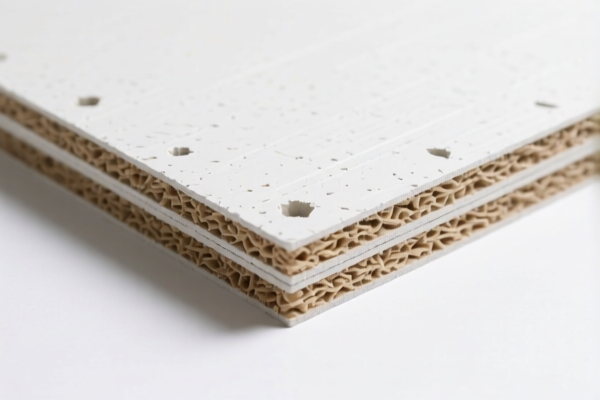
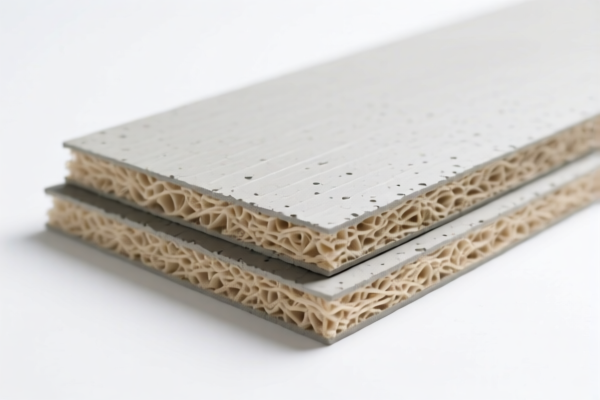
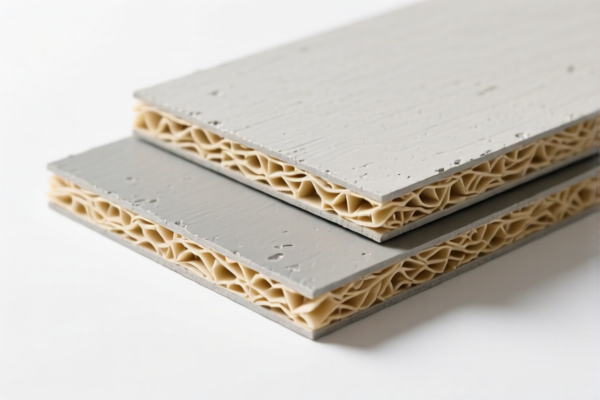
AI Analysis
🏗️ Cement Fiber Board (水泥纤维板)
🌐 HS Code Reference & Customs Clearance Guide | 2026 Latest Tariff Analysis | Professional Clearance Strategy
📌 I. Product Definition & Classification: Do You Really Understand "Cement Fiber Board"?
Cement Fiber Board is a versatile construction material made primarily from cement and reinforcing fibers. In international trade, its classification depends heavily on its specific form and material composition. Misclassification can lead to severe penalties due to the high tariff rates applied to Chinese-origin goods.
Two Main Categories: 1. Cementitious Products: Boards made of cement (often with mineral fibers), classified under Chapter 68. 2. Wood-Based Products: If the "fibers" are primarily wooden/wood-based fibers, it may be classified under Chapter 44.
⚠️ Key Distinction Point:
- If the matrix is cement/concrete → Classified under HS 6810
- If the matrix is wood/wood fiber → Classified under HS 4411
- Warning: Do not confuse "cement board" with "MDF" (Medium Density Fiberboard). The raw material determines the chapter!
📦 II. HS Code Classification Details (2026 Latest Tariff Authority Comparison)
Based on the provided data, here are the exact HS Codes and their specific scopes:
| HS Code | Product Description | Applicability | Tariff Category |
|---|---|---|---|
6810.99.00.20 |
Cement Fiber Board, Cement Material, Board Form | Sheets/Plates made of cement. Falls under "Cement, Concrete or Artificial Stone Articles". | Cementitious Article |
6810.99.00.80 |
Cement Fiber Board, Cement Material, Other Articles | Cement-based fiber products that are NOT standard boards/plates (e.g., pipes, blocks, or other shapes). Falls under "Other". | Cementitious Article |
4411.13.10.00 |
Fiberboard, Wooden/Wood-Based Fiber Material | Medium Density Fiberboard (MDF) or similar panels made primarily from wood fibers. | Wood-Based Fiberboard |
🔍 Critical Reminder:
- HS 6810 is for cement-based boards. The 20-character summary explicitly states "Material: Cement". - HS 4411 is for wood-based fiberboards. The 20-character summary explicitly states "Material: Wooden or other wood-based fibers". - Do not mix these up: A "Cement Fiber Board" is likely6810unless it is a composite where wood fibers dominate, but typically "Cement" implies6810.
💰 III. 2026 Latest Tariff Rate Detailed Explanation (Including Surtaxes & Policy Add-ons)
✅ Applicable Country: United States (US)
✅ Origin: China (CN)
✅ Effective Time: Includes imports after November 10, 2025 (subject to 122 Section and Section 301 rules)
🎯 1. 6810.99.00.20 —— Cement Fiber Board (Cement Material, Board Form)
| Item | Content |
|---|---|
| Base Tariff | 0.0% (ad valorem) |
| Section 301 Surcharge | +25.0% (Added Tariff) |
| Section 122 Surcharge | +10.0% (Specific to Chinese goods, effective Nov 2025) |
| Total Tariff Rate | 35.0% |
| Tax Calculation | CIF Value × 35% |
| De Minimis Exemption | ❌ Not Available (High tariff items are excluded) |
| Legal Basis Path | Section 301 → Section 122 → USITC:6810.99.00.20 |
📌 Explanation:
- "Base Tariff 0%": The standard MFN (Most Favored Nation) duty for cement products is generally 0%. - "Section 301: +25%": This is the legacy Section 301 tariff on Chinese goods, which remains in effect for many manufacturing and construction materials. - "Section 122: +10%": This is a new/additional surcharge targeting specific Chinese imports, significantly increasing the landed cost. - Total 35%: This is a very high effective tariff. Profit margins must be adjusted accordingly.
🎯 2. 6810.99.00.80 —— Cement Fiber Board (Cement Material, Other Forms)
| Item | Content |
|---|---|
| Base Tariff | 0.0% |
| Section 301 Surcharge | +25.0% |
| Section 122 Surcharge | +10.0% |
| Total Tariff Rate | 35.0% |
| Tax Calculation | CIF Value × 35% |
| De Minimis Exemption | ❌ Not Available |
| Legal Basis Path | Section 301 → Section 122 → USITC:6810.99.00.80 |
📌 Note:
- Same tariff structure as6810.99.00.20. The distinction is purely in the form (Board vs. Other Article). - If you are shipping pipes, cladding pieces, or irregular shapes from cement, use this code. - Do not assume lower taxes for "other" shapes; the surcharges apply equally.
🎯 3. 4411.13.10.00 —— Fiberboard (Wood/Wood-Based Fiber Material)
| Item | Content |
|---|---|
| Base Tariff | 0.0% |
| Section 301 Surcharge | +25.0% |
| Section 122 Surcharge | +10.0% |
| Total Tariff Rate | 35.0% |
| Tax Calculation | CIF Value × 35% |
| De Minimis Exemption | ❌ Not Available |
| Legal Basis Path | Section 301 → Section 122 → USITC:4411.13.10.00 |
📌 Note:
- If your product is actually MDF (Medium Density Fiberboard) made from wood, it falls under Chapter 44. - Despite being "wood," Chinese-origin wood fiberboards are heavily taxed at 35% due to the same surcharges. - Clarification: Ensure the product is truly wood-based. If it is cement-based, using4411is a misclassification and will lead to customs disputes.
🛠️ IV. Customs Clearance Practical Advice (Real-World Pitfall Avoidance Guide)
✅ 1. Documentation Checklist (All Required)
| Document | Required | Description |
|---|---|---|
| ✅ Product Spec Sheet | ✔️ | Must clearly state raw material composition (e.g., % Cement, % Fiber). |
| ✅ Product Photos | ✔️ | Clear images of the board, edges, and packaging. Show if it’s rigid (cement) or flexible/wood-like. |
| ✅ Commercial Invoice | ✔️ | Describe as "Cement Fiber Board" or "Wood Fiberboard" accurately. Do not use vague terms like "Building Material." |
| ✅ Bill of Lading/Air Waybill | ✔️ | Standard shipping docs. |
| ✅ Certificate of Origin | ✔️ | To prove Chinese origin (triggers surcharges). |
| ✅ Test Report | ✔️ | If claiming wood-based, provide proof of wood content. If cement-based, provide cement composition proof. |
✅ 2. Declaration Tips (Critical Mantra)
🔥 "Material Determines Chapter, Form Determines Sub-Code!"
| Scenario | Correct Declaration | Wrong Practice | Consequence |
|---|---|---|---|
| Cement Board (Standard Sheets) | 6810.99.00.20 |
Declaring as 4411 (Wood) |
Misclassification Penalty + Back Taxes |
| Cement Pipes/Blocks | 6810.99.00.80 |
Declaring as 6810.99.00.20 |
Possible rejection if form doesn't match "Board" |
| Wood MDF Panel | 4411.13.10.00 |
Declaring as 6810 (Cement) |
Misclassification Penalty + Delay |
| Composite Board (Cement+Wood) | Consult Expert | Guessing | High risk of audit |
✅ 3. Special Situation Handling
| Situation | Handling Advice |
|---|---|
| Is it Cement or Wood? | If the board is lightweight and flexible, it might be wood-based. If heavy and rigid, it’s likely cement. Get a lab test if unsure. |
| Partial Duty Exemption? | ❌ No. Section 301 and 122 tariffs generally apply to all Chinese-origin goods in these categories. No de minimis exemption for shipments over $800 if properly classified and taxed. |
| Transshipment? | ⚠️ High Risk. If goods are merely transshipped through Vietnam/Malaysia but originate in China, they are still subject to 35% tariffs. Customs checks origin rigorously. |
🌍 V. Global Market Comparison (2026 Latest)
| Country/Region | Recommended HS Code | Tariff (China Origin) | Certification | Notes |
|---|---|---|---|---|
| 🇺🇸 USA | 6810 or 4411 |
35% (25% Sec 301 + 10% Sec 122) | No specific FCC/CE needed for basic import, but compliance with US building codes (ASTM) is required. | Highest cost market due to dual surcharges. |
| 🇨🇳 China | 6810 / 4411 |
Varies (Export Duty) | N/A | For export, focus on US tariffs. |
| 🇪🇺 EU | 6810 / 4411 |
~3.5% - 6.5% | CE Marking (Construction Products Regulation) | No 301/122 equivalents, but technical standards are strict. |
| 🇬🇧 UK | 6810 / 4411 |
~5% - 6.5% | UKCA Marking | Post-Brexit standards. |
📌 Conclusion:
- The US is the most challenging market for Cement Fiber Boards due to the 35% total tariff. - EU and UK have standard tariffs but strict technical certifications (CE/UKCA) and environmental standards. - Profitability Check: Ensure your pricing model accounts for the 35% US tariff if exporting to America.
📌 VI. Common Errors & Pitfall Guide (Blood-Teaching Lessons)
❌ Error 1: Declaring Cement Fiber Board as 4411 (Wood Fiberboard) to avoid higher scrutiny.
👉 Consequence: Customs lab test reveals cement content. Fine + Back Taxes + Penalty.
❌ Error 2: Ignoring the "Section 122" 10% surcharge.
👉 Consequence: Underpayment by 10%. Audit triggered, goods seized until payment.
❌ Error 3: Using vague description "Building Material" on Invoice.
👉 Consequence: Customs requires more info, delaying clearance by weeks.
❌ Error 4: Assuming "De Minimis" ($800) exemption applies.
👉 Consequence: Section 301 and 122 tariffs exclude de minimis eligibility for many goods. Full tax must be paid.
✅ Correct Approach:
"Cement Fiber Board, 12mm thick, 1220x2440mm, Material: Portland Cement & Alkali-Resistant Fibers, HS: 6810.99.00.20, Country of Origin: China"
🎯 VII. Conclusion: Professional Declaration, Save Time, Reduce Costs!
🎯 Remember the Mantra:
🔹 "Cement = 6810, Wood = 4411"
🔹 "Total Tax 35% in USA: 0% Base + 25% Sec 301 + 10% Sec 122"
🔹 "Misclassification = Audit, Delay, Fine!"
📌 Pro Tip:
- If your product is a composite (e.g., Cement core with wood veneer), consult a customs broker immediately. The "Essential Character" test will determine the HS code.
- Pre-Import Consultation: Consider filing a Section 321 Entry (if under $800 and eligible) or Advance Ruling if you have high volume.
📣 Immediate Action:
📞 Verify Material Composition (Cement vs. Wood)
📞 Calculate Landed Cost with 35% Tariff for US Destinations
📞 Prepare Accurate Description in Invoice🚀 Clear Customs Smoothly, Control Costs, Maximize Profit!
✨ Professional Clearance Starts with Precise Classification!
💼 Every Dollar of Tariff Matters!
Customer Reviews
About HS Code Classification
The Harmonized System (HS) is an internationally standardized nomenclature developed by the World Customs Organization (WCO) to classify traded products. Over 200 countries use the HS system as the basis for customs tariffs, trade statistics, and import/export regulations.
Each HS code follows a hierarchical structure:
- Chapter (2 digits) — Broad category of goods (e.g., Chapter 84: Machinery and Mechanical Appliances)
- Heading (4 digits) — More specific grouping within the chapter
- Subheading (6 digits) — Internationally standardized breakdown, used by all WCO member countries
- National subdivisions (8-10 digits) — Country-specific extensions for further classification, such as US HTSUS 10-digit codes
Correct HS code classification is essential for smooth customs clearance, accurate duty payment, and compliance with trade regulations. Misclassification can lead to customs delays, overpayment of duties, or penalties.
When importing from CN to US, the applicable tariff rates may include:
- Most-Favored-Nation (MFN) rate — The standard duty rate applied to WTO members
- General rate — Applied to countries without trade agreements
- Trade remedy duties — Additional tariffs such as Section 301 (anti-dumping), Section 232 (national security), or countervailing duties
The information provided on this page is for reference purposes only. For official classification, please consult with your local customs authority or a licensed customs broker.