Center Shelf Support
CN → US| HS Code | Tariff Rate | Origin | Destination | Doc |
|---|---|---|---|---|
| 9403999061 | 35.0% | CN | US | Official Doc |
| 9403994080 | 35.0% | CN | US | Official Doc |
| 3926305000 | 22.8% | CN | US | Official Doc |
| 3926301000 | 24.0% | CN | US | Official Doc |
| 8302423065 | 71.4% | CN | US | Official Doc |
| 8302426000 | 20.9% | CN | US | Official Doc |
Product Images
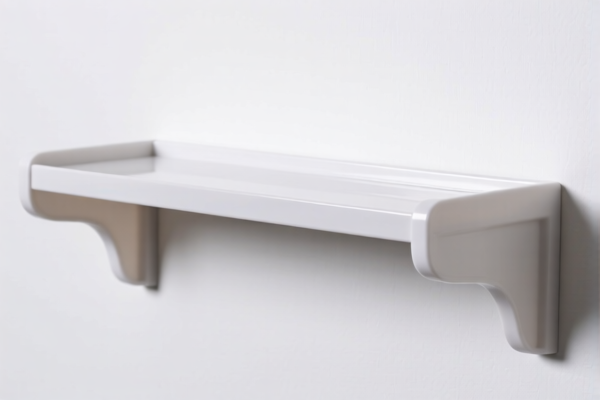
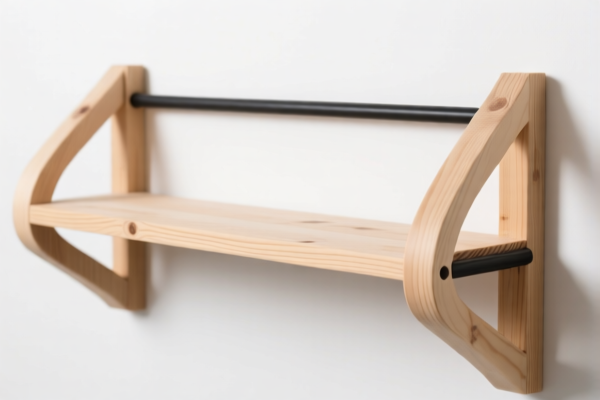
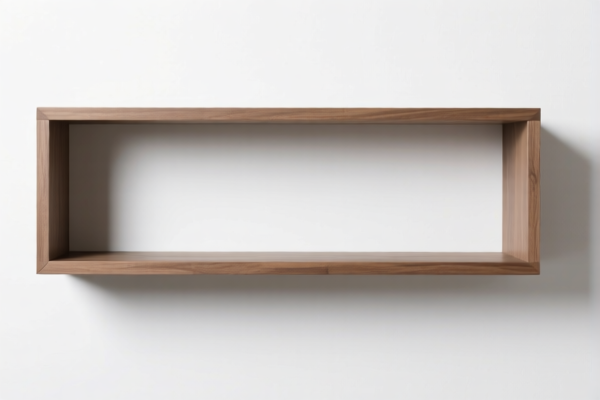
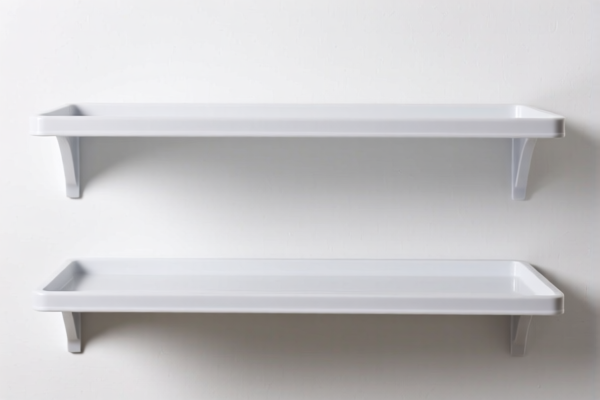
AI Analysis
🖥️ Center Shelf Support (Furniture Parts)
🌐 HS Code Reference & Customs Clearance Guide | 2026 Latest Tariff Analysis | Professional Compliance Strategy
📌 I. Product Definition & Classification: Do You Really Know “Center Shelf Support”?
A "Center Shelf Support" is a critical structural component used to provide stability and load-bearing capacity for middle shelves in bookcases, wardrobes, cabinets, or display units. In international trade, these are classified not as finished furniture, but as parts or fittings depending on their material and form.
The classification depends heavily on material composition and specific function: 1. Raw/Unfinished Parts: Simple brackets or rods made of base metal, plastic, or rubber that require further processing or assembly. 2. Fittings/Fixtures: Pre-assembled fittings suitable for furniture, such as adjustable shelf supports, plastic handles/knobs, or metal hinges with mounts.
⚠️ Key Distinction Point:
- If the item is a basic structural bracket made of base metal (iron, steel, aluminum, zinc) without complex mounting hardware → Often classified under Chapter 83 (Base Metal Mountings).
- If the item is made of plastics/rubber and serves as a fitting → Classified under Chapter 39 (Plastics).
- If the item is a generic furniture part (e.g., wooden or miscellaneous material) not specifically covered by other headings → Classified under Chapter 94 (Furniture Parts).
📦 II. HS Code Classification Details (2026 Latest Tariff Authority Comparison)
| HS Code | Product Description | Material/Type | Applicable Scenario |
|---|---|---|---|
9403.99.90.61 |
Other furniture parts: Other | Non-metal, Non-plastic, Non-base metal (e.g., wood, glass, generic composite) | Generic shelf supports made of materials not specified in other headings |
9403.99.40.80 |
Other furniture parts: Other | Rubber or Plastics | Plastic shelf clips, rubber pads, or plastic support brackets |
8302.42.30.65 |
Base metal mountings/fittings suitable for furniture | Iron, Steel, Aluminum, or Zinc | Metal brackets, rods, or supports specifically designed for furniture mounting |
8302.42.60.00 |
Base metal mountings/fittings suitable for furniture | Other Base Metals (e.g., Copper, Brass, or unspecified) | Metal supports made of metals other than iron, steel, aluminum, or zinc |
3926.30.50.00 |
Articles of plastics: Fittings for furniture, coachwork or the like | Plastics | Plastic furniture fittings, including shelf supports not classified as handles/knobs |
3926.30.10.00 |
Articles of plastics: Fittings for furniture | Plastics | Plastic handles and knobs (if the "support" is actually a decorative handle/knob) |
🔍 Key Reminder:
- If the shelf support is metal and explicitly designed for furniture mounting, it typically falls under HS 8302. - If it is plastic and a general fitting, it falls under HS 3926.30.50. - If it is a plastic handle or knob disguised as a support, it falls under HS 3926.30.10. - For other materials (like wood, glass, or mixed materials not specified elsewhere), use HS 9403.99.90.61.
💰 III. 2026 Latest Tariff Rate Details (Including Additional Taxes, Policy Surcharges)
✅ Applicable Country: United States (US)
✅ Country of Origin: China (CN)
✅ Effective Time: 2025/2026 (Current Trade Relations)
🎯 1. 9403.99.90.61 —— Other Furniture Parts (Other)
| Item | Content |
|---|---|
| Base Duty Rate | 0.0% |
| Additional Duty | 25.0% |
| Total Rate | 25.0% |
| Tax Calculation | CIF Value × 25% |
| De Minimis Exemption | ❌ Not Applicable (Deny De Minimis for China-origin goods under Section 301) |
| Legal Basis | Section 301 Tariff List |
📌 Explanation:
- This is the default rate for furniture parts not specifically covered by other chapters (like base metal or plastics). - The 25% additional tariff is imposed under US Trade Law Section 301 on Chinese goods.
🎯 2. 9403.99.40.80 —— Other Furniture Parts (Rubber or Plastics)
| Item | Content |
|---|---|
| Base Duty Rate | 0.0% |
| Additional Duty | 25.0% |
| Total Rate | 25.0% |
| Tax Calculation | CIF Value × 25% |
| De Minimis Exemption | ❌ Not Applicable |
| Legal Basis | Section 301 Tariff List |
📌 Note:
- Even though it is plastic, if it is classified as a "furniture part" rather than a "fitting" in Chapter 39, it still attracts the 25% additional duty. - Ensure correct material declaration to avoid misclassification penalties.
🎯 3. 8302.42.30.65 —— Base Metal Mountings (Iron, Steel, Aluminum, Zinc)
| Item | Content |
|---|---|
| Base Duty Rate | 3.9% |
| Additional Duty | 7.5% (General Additional) + 50% (Steel/Aluminum/Copper Specific) |
| Total Rate | 61.4% |
| Tax Calculation | CIF Value × 61.4% |
| De Minimis Exemption | ❌ Not Applicable |
| Legal Basis | Section 301 + Steel/Aluminum Tariffs (Section 232) |
📌 Explanation:
- This is a high-risk classification for metal furniture parts. - The 50% additional tariff applies specifically to steel, aluminum, and copper articles from China. - Combined with the 7.5% general additional tariff and 3.9% base rate, the total burden is 61.4%. - Crucial: If your metal support is made of steel or aluminum, this rate applies.
🎯 4. 8302.42.60.00 —— Base Metal Mountings (Other Base Metals)
| Item | Content |
|---|---|
| Base Duty Rate | 3.4% |
| Additional Duty | 7.5% |
| Total Rate | 10.9% |
| Tax Calculation | CIF Value × 10.9% |
| De Minimis Exemption | ❌ Not Applicable |
| Legal Basis | Section 301 Tariff List |
📌 Note:
- If the metal is not iron, steel, aluminum, or zinc (e.g., brass, copper, bronze), the rate is significantly lower at 10.9%. - Verify the exact alloy composition to avoid overpayment.
🎯 5. 3926.30.50.00 —— Fittings for Furniture (Other Plastics)
| Item | Content |
|---|---|
| Base Duty Rate | 0.0% |
| Additional Duty | 0.0% |
| Total Rate | 0.0% |
| Tax Calculation | CIF Value × 0% |
| De Minimis Exemption | ✅ May Apply (if under $800, but check specific trade policies) |
| Legal Basis | No Additional Tariffs for this specific plastic fitting subheading |
📌 Critical Advantage:
- This is the most cost-effective classification for plastic shelf supports! - 0% Total Duty makes it highly competitive. - Ensure the product is clearly described as a "fitting for furniture" and not just a generic "part."
🎯 6. 3926.30.10.00 —— Fittings for Furniture (Handles and Knobs)
| Item | Content |
|---|---|
| Base Duty Rate | 0.0% |
| Additional Duty | 0.0% |
| Total Rate | 0.0% |
| Tax Calculation | CIF Value × 0% |
| De Minimis Exemption | ✅ May Apply |
| Legal Basis | No Additional Tariffs |
📌 Note:
- If the "shelf support" has a decorative knob or handle function, it may qualify for this 0% rate. - Misclassifying a simple bracket as a "handle" is risky and may lead to customs audits.
🛠️ IV. Customs Clearance Practical Advice (Real-World Pitfall Guide)
✅ 1. Preparation Checklist (Essential Documents)
| Document | Required | Description |
|---|---|---|
| ✅ Product Specifications | ✔️ | Material (Plastic, Metal, Wood), Dimensions, Load Capacity |
| ✅ Material Declaration | ✔️ | Exact alloy for metal parts (e.g., "Aluminum 6061" vs. "Steel") |
| ✅ Product Photos | ✔️ | Clear shots of the support, including any mounting holes or clips |
| ✅ Commercial Invoice | ✔️ | Must specify "Furniture Part" or "Fitting for Furniture" |
| ✅ Packing List | ✔️ | Separate if mixed materials are in one shipment |
| ✅ Certificate of Origin | ✔️ | To prove China origin (for tariff calculation) |
✅ 2. Declaration Strategy (Key Tips)
🔥 “Material Matters, Description is Key!”
| Scenario | Correct Declaration | Risk of Wrong Declaration |
|---|---|---|
| Plastic Support | 3926.30.50.00 (Fitting for Furniture) |
Misclassifying as 9403.99.40.80 leads to 25% tax instead of 0% |
| Steel Support | 8302.42.30.65 |
High risk of 61.4% tax. Try to verify if it qualifies for any exclusion |
| Aluminum Support | 8302.42.30.65 |
Same as steel, 61.4% tax. Consider alternative materials if possible |
| Brass Support | 8302.42.60.00 |
Lower risk at 10.9%. Ensure it’s not steel-coated brass |
| Generic Part | 9403.99.90.61 |
Default fallback, 25% tax |
✅ 3. Special Cases
| Case | Recommendation |
|---|---|
| Mixed Materials | If a plastic support has a metal pin, declare as the primary material or split the shipment |
| OEM Custom Parts | Provide design drawings to prove it is a "fitting" rather than a generic part |
| Pre-Assembly | If the support comes pre-assembled with screws/nuts, it is still a "fitting" |
🌍 V. Global Market Comparison (2026 Latest)
| Country/Region | Recommended HS Code | Duty Rate | Certification | Notes |
|---|---|---|---|---|
| 🇺🇸 USA | 3926.30.50.00 (Plastic) |
0% | No special certs | Best for plastic supports |
| 🇺🇸 USA | 8302.42.30.65 (Metal) |
61.4% | N/A | Very high cost for metal |
| 🇪🇺 EU | 8302.42.30.65 |
~4-7% | CE (if electrical) | Lower tariffs than US |
| 🇨🇳 China | 9403.99.90.61 |
~5-10% | N/A | Domestic duty is lower |
📌 Conclusion:
- USA imposes steep tariffs on Chinese metal furniture parts (61.4%) and general parts (25%). - Plastic fittings (3926.30.50.00) enjoy 0% duty in the US, making them a strategic choice for cost optimization. - Consider redesigning metal supports with plastic alternatives if feasible.
📌 VI. Common Mistakes & Pitfalls (Lessons Learned)
❌ Mistake 1: Declaring plastic supports as "furniture parts" (9403.99.40.80) instead of "plastic fittings" (3926.30.50.00).
👉 Consequence: Paying 25% duty instead of 0%.
Fix: Always specify "Plastic Fitting for Furniture" in the description.
❌ Mistake 2: Assuming all metal supports are taxed at 7.5%.
👉 Consequence: Paying 61.4% because steel/aluminum carries an extra 50%.
Fix: Check the alloy composition. If it's steel/aluminum, budget for 61.4%.
❌ Mistake 3: Using generic terms like "Shelf Holder" without material specification.
👉 Consequence: Customs may assign the default 25% rate (9403.99.90.61) or request additional info, causing delays.
Fix: Be specific: "Plastic Center Shelf Support, Model XYZ."
✅ Correct Approach:
"Plastic Furniture Fitting, Center Shelf Support, Adjustable, Polypropylene, Model ABC, No Electrical Components"
🎯 VII. Conclusion: Smart Classification Saves Money!
🎯 Remember the Strategy:
🔹 Plastic? → Aim for
3926.30.50.00(0% Duty)!
🔹 Steel/Aluminum? → Prepare for8302.42.30.65(61.4% Duty)!
🔹 Other Metals? → Check8302.42.60.00(10.9% Duty)!
🔹 Generic/Wood? → Default to9403.99.90.61(25% Duty)!🔹 "Material Determines the Tax, Description Determines the Truth!"
🔹 "Plastic Fitting is the Zero-Duty Hero!"
📌 Pro Tip:
If you are exporting to the US, maximize the use of plastic components or non-steel/non-aluminum metals (like brass) to reduce tariff burden.
Consider applying for an HS Code Advance Ruling if your product design is unique.
📣 Immediate Action:
📞 Consult a Customs Broker
📦 Provide Material Specs & Photos
🚀 Optimize Your Supply Chain to Avoid the 61.4% Metal Tax!
✨ Precise Classification, Profitable Trade!
💼 Every Percent Matters in Customs!
Customer Reviews
About HS Code Classification
The Harmonized System (HS) is an internationally standardized nomenclature developed by the World Customs Organization (WCO) to classify traded products. Over 200 countries use the HS system as the basis for customs tariffs, trade statistics, and import/export regulations.
Each HS code follows a hierarchical structure:
- Chapter (2 digits) — Broad category of goods (e.g., Chapter 84: Machinery and Mechanical Appliances)
- Heading (4 digits) — More specific grouping within the chapter
- Subheading (6 digits) — Internationally standardized breakdown, used by all WCO member countries
- National subdivisions (8-10 digits) — Country-specific extensions for further classification, such as US HTSUS 10-digit codes
Correct HS code classification is essential for smooth customs clearance, accurate duty payment, and compliance with trade regulations. Misclassification can lead to customs delays, overpayment of duties, or penalties.
When importing from CN to US, the applicable tariff rates may include:
- Most-Favored-Nation (MFN) rate — The standard duty rate applied to WTO members
- General rate — Applied to countries without trade agreements
- Trade remedy duties — Additional tariffs such as Section 301 (anti-dumping), Section 232 (national security), or countervailing duties
The information provided on this page is for reference purposes only. For official classification, please consult with your local customs authority or a licensed customs broker.