Ceramic Bowl
CN → US| HS Code | Tariff Rate | Origin | Destination | Doc |
|---|---|---|---|---|
| 6911103550 | 43.5% | CN | US | Official Doc |
| 6912003950 | 14.5% | CN | US | Official Doc |
| 6911108010 | 38.3% | CN | US | Official Doc |
| 6909195095 | 39.0% | CN | US | Official Doc |
| 6912003550 | 19.8% | CN | US | Official Doc |
| 6914108000 | 44.0% | CN | US | Official Doc |
Product Images
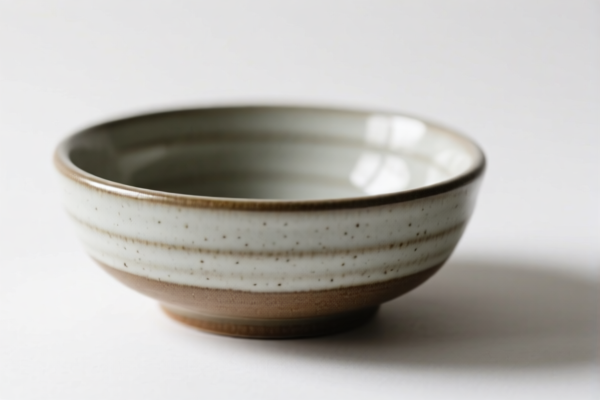
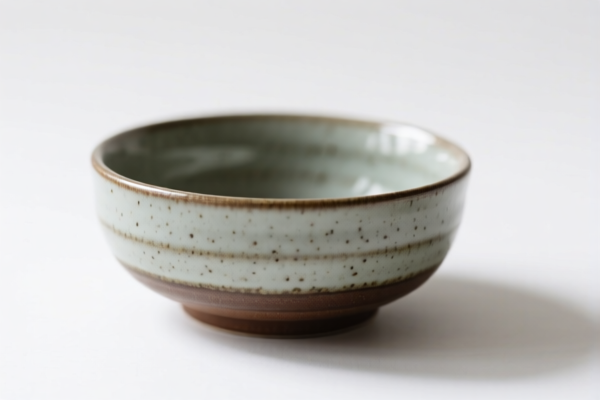


AI Analysis
🍽️ Ceramic Bowls: HS Code Classification & Customs Clearance Guide (2026 Update)
🌐 HS Code Reference & Customs Strategy | Latest Tariff Analysis for Ceramic Tableware | Professional Clearance Protocol
📌 Part I: Product Definition & Classification – Do You Really Understand "Ceramic Bowls"?
A "Ceramic Bowl" is a generic term that covers a wide range of products in international trade. The critical distinction lies in material composition (Porcelain vs. Other Ceramics) and intended use (Tableware vs. Laboratory/Technical). Misclassification leads to drastic differences in tariff rates, ranging from 14.5% to 43.5%.
Key Classification Criteria: 1. Material: Is it Porcelain (fine, white, translucent) or Other Ceramic (earthenware, stoneware, non-porcelain)? 2. Function: Is it for Food Contact (Tableware/Kitchenware) or Laboratory/Technical use? 3. Category: Does it fit a specific sub-category or fall under "Other"?
⚠️ Critical Distinction:
- If it is Porcelain + Tableware → Look at HS Codes starting with6911.10.
- If it is Non-Porcelain Ceramic + Tableware → Look at HS Codes starting with6912.00.
- If it is Ceramic + Laboratory Use → Look at HS Code6909.19.
📦 Part II: HS Code Classification Matrix (2026 Latest Tariff Schedule)
| HS Code | Product Description | Material/Type | Intended Use | Total Tax Rate |
|---|---|---|---|---|
6911.10.80.10 |
Porcelain Bowls, Tableware | Porcelain | Tableware/Kitchenware | 38.3% |
6911.10.35.50 |
Porcelain Bowls, Tableware | Porcelain | Tableware/Kitchenware | 43.5% |
6912.00.35.50 |
Non-Porcelain Ceramic Bowls, Tableware | Earthenware/Stoneware | Tableware/Kitchenware | 19.8% |
6912.00.39.50 |
Non-Porcelain Ceramic Bowls, "Other" | Earthenware/Stoneware | Tableware/Kitchenware | 14.5% |
6909.19.50.95 |
Ceramic Vessels, Laboratory/Technical | Any Ceramic | Lab/Technical Use | 39.0% |
🔍 Key Insight:
- Porcelain items generally incur higher base tariffs (20.8% - 26.0%) compared to Non-Porcelain Ceramic items (4.5% - 9.8%). - Laboratory equipment has a very low base tariff (4.0%) but is subject to the highest Additional Tariff (25.0%), resulting in a high total. - "Other" Non-Porcelain items (6912.00.39.50) offer the lowest total tax (14.5%), provided they do not fall into specific named categories.
💰 Part III: 2026 Detailed Tariff Structure (Including Additional Duties)
✅ Applicable Country: United States (US)
✅ Origin: China (CN)
✅ Effective Date: Post-2025 Policies (Including Section 301 & IEEPA)
🎯 1. 6911.10.80.10 & 6911.10.35.50 – Porcelain Tableware Bowls
These two codes cover Porcelain bowls. The difference in tax rate is driven by specific sub-category definitions.
| Item | Detail |
|---|---|
| Base Tariff | 20.8% (6911.10.80.10) or 26.0% (6911.10.35.50) |
| Section 301 Additional Tariff | +7.5% |
| IEEPA Tariff (Section 122) | +10.0% |
| Total Tax Rate | 38.3% (6911.10.80.10) 43.5% ( 6911.10.35.50) |
| De Minimis Exemption | ❌ Not Eligible (deny_de_minimis) |
| Legal Basis | IEEPA + USITC Footnotes for Section 301 |
📌 Explanation:
- Porcelain is considered a "finished" high-value tableware. - The 26.0% base tariff for6911.10.35.50is significantly higher than6911.10.80.10(20.8%), likely due to specific product definitions or origins within the porcelain category. - Total burden: Nearly half the value of the goods goes to taxes.
🎯 2. 6912.00.35.50 – Non-Porcelain Ceramic Tableware Bowls
For bowls made of earthenware, stoneware, or other non-porcelain ceramics.
| Item | Detail |
|---|---|
| Base Tariff | 9.8% |
| Section 301 Additional Tariff | 0.0% |
| IEEPA Tariff (Section 122) | +10.0% |
| Total Tax Rate | 19.8% |
| De Minimis Exemption | ❌ Not Eligible |
| Legal Basis | IEEPA + USITC for Non-Porcelain Ceramics |
📌 Explanation:
- Non-porcelain ceramics benefit from a much lower base tariff (9.8%) and zero Section 301 duty. - Only the 10% IEEPA duty applies. - This is a cost-effective alternative if your product is not strictly porcelain.
🎯 3. 6912.00.39.50 – Other Non-Porcelain Ceramic Bowls ("Other" Category)
For non-porcelain ceramic bowls that do not fit into specific named sub-categories.
| Item | Detail |
|---|---|
| Base Tariff | 4.5% |
| Section 301 Additional Tariff | 0.0% |
| IEEPA Tariff (Section 122) | +10.0% |
| Total Tax Rate | 14.5% |
| De Minimis Exemption | ❌ Not Eligible |
| Legal Basis | IEEPA + USITC |
📌 Explanation:
- This is the lowest tax rate (14.5%) for ceramic tableware. - Suitable for standard, non-premium, or generic non-porcelain ceramic bowls. - Tip: Ensure the product description is broad enough to fit "Other" but accurate enough to avoid fraud allegations.
🎯 4. 6909.19.50.95 – Ceramic Laboratory/Technical Vessels
For ceramic items used in laboratories, chemical plants, or technical processes, not for food.
| Item | Detail |
|---|---|
| Base Tariff | 4.0% |
| Section 301 Additional Tariff | +25.0% |
| IEEPA Tariff (Section 122) | +10.0% |
| Total Tax Rate | 39.0% |
| De Minimis Exemption | ❌ Not Eligible |
| Legal Basis | IEEPA + USITC |
📌 Explanation:
- While the base tariff is low (4.0%), the Section 301 tariff is 25%, making the total high. - Crucial: This code is ONLY for non-food-contact items. Using this for food bowls is customs fraud.
🛠️ Part IV: Customs Clearance Practical Advice (Avoid Pitfalls)
✅ 1. Required Documentation Checklist
| Document | Required? | Notes |
|---|---|---|
| Product Specification Sheet | ✔️ | Must specify: Material (Porcelain vs. Earthenware), Glaze, Use (Food/Lab). |
| Photos (Clear & Detailed) | ✔️ | Show texture, translucency (for porcelain), and any markings. |
| Commercial Invoice | ✔️ | Clearly state "Ceramic Bowl, Porcelain, Tableware" or "Non-Porcelain Ceramic, Other." |
| Packing List | ✔️ | Include quantity, weight, and volume. |
| FCC/CE Certificates | ❌ | Not typically required for ceramics, but may be requested for glaze safety (lead-free). |
| Lead & Cadmium Test Report | ✔️ | Highly Recommended for US FDA compliance (food contact safety). |
✅ 2. Declaration Tips (Key Mnemonics)
🔥 “Porcelain High Base, Non-Porcelain Low Base, Lab is for Science, Not for Soup!”
| Scenario | Correct HS Code | Common Mistake |
|---|---|---|
| Fine White, Translucent Bowl | 6911.10.xxxx (Porcelain) |
Misdeclare as 6912 to save tax → Audit Risk! |
| Earthenware/Stoneware Bowl | 6912.00.xxxx (Non-Porcelain) |
Misdeclare as 6909 (Lab) → Fraud! |
| Generic Non-Porcelain Bowl | 6912.00.39.50 (14.5%) |
Declare as 6912.00.35.50 (19.8%) → Overpay! |
| Lab Beaker/Crucible | 6909.19.50.95 (39.0%) |
Use for food bowls → Seizure! |
✅ 3. Special Handling
| Situation | Recommendation |
|---|---|
| Mixed Shipment (Porcelain & Non-Porcelain) | Separate shipments or clear itemization. Do not bundle under one HS code. |
| OEM/Private Label | Ensure the supplier provides accurate material specs. "Ceramic" is too vague. |
| Lead-Free Claim | Provide FDA-compliant test reports to avoid detention at CBP for safety concerns. |
| "Other" Category Usage | Use 6912.00.39.50 only if the bowl truly doesn't fit specific sub-categories. Be prepared to justify. |
🌍 Part V: Global Market Comparison (2026)
| Market | Recommended HS Code | Est. Total Tax | Notes |
|---|---|---|---|
| 🇺🇸 USA | 6912.00.39.50 |
14.5% | Lowest duty for non-porcelain. Porcelain is heavily taxed. |
| 🇨🇳 China | 6912.00.39.50 |
Varies | Import duties differ; check current FTA agreements. |
| 🇪🇺 EU | 6912.00 |
Low/0% | Generally lower tariffs, but VAT applies. No Section 301/IEEPA. |
| 🇨🇦 Canada | 6912.00 |
Low | MFN rates apply; less punitive than US Section 301. |
📌 Conclusion:
- The US market is the most expensive for Chinese ceramics due to Section 301 and IEEPA duties. - Non-porcelain ceramics (6912.00.39.50) are the most tax-efficient entry point for tableware. - Porcelain (6911.10) faces high base tariffs + additional duties, making it less competitive on price.
📌 Part VI: Common Errors & Pitfalls (Blood Lessons)
❌ Error 1: Declaring Porcelain as Non-Porcelain to save taxes.
👉 Consequence: Customs inspection will reveal translucency/fine texture. Penalty + Back Taxes + Fraud Allegations.
❌ Error 2: Declaring Food Bowls as Laboratory Equipment (6909.19).
👉 Consequence: Seizure. Lab equipment has specific design features (e.g., heat resistance, chemical resistance). Food bowls are visually distinct.
❌ Error 3: Ignoring the IEEPA 10% Duty.
👉 Consequence: All ceramics from China are subject to this 10% duty, regardless of the base rate. Always factor this in.
❌ Error 4: Misidentifying "Other" vs. Specific Sub-categories.
👉 Consequence: If your bowl fits 6912.00.35.50 (specific type) but you declare 6912.00.39.50 ("Other"), you may face an audit. Ensure your product truly doesn't fit specific descriptions.
✅ Correct Practice:
"Ceramic Bowl, Non-Porcelain, Earthenware, White Glaze, Food-Grade, Lead-Free, Model XYZ"
🎯 Part VII: Conclusion – Precision Classification Saves Money
🎯 Remember the Mantra:
🔹 "Porcelain pays premium, Non-Porcelain pays less, Lab is for science, Food is for eating."
🔹 "HS Code is king, Tax rate is queen, Misclassification is treason."
📌 Pro Tip:
- If you can, shift your product line to Non-Porcelain Ceramics (Earthenware/Stoneware) to utilize the 14.5% - 19.8% tax bracket.
- For Porcelain, consider Value-Added Design or Branding to justify higher prices despite the 38.3% - 43.5% tax burden.
- Always verify the exact definition of "Porcelain" vs. "Other Ceramic" with your customs broker before shipment.
📣 Act Now:
📞 Consult a licensed customs broker.
📄 Obtain Lead-Free Certificates.
🚀 Clearance Success Starts with Accurate Classification!
✨ Professional Clearance, Precision from the Start!
💼 Every Percent of Duty Counts!
Customer Reviews
About HS Code Classification
The Harmonized System (HS) is an internationally standardized nomenclature developed by the World Customs Organization (WCO) to classify traded products. Over 200 countries use the HS system as the basis for customs tariffs, trade statistics, and import/export regulations.
Each HS code follows a hierarchical structure:
- Chapter (2 digits) — Broad category of goods (e.g., Chapter 84: Machinery and Mechanical Appliances)
- Heading (4 digits) — More specific grouping within the chapter
- Subheading (6 digits) — Internationally standardized breakdown, used by all WCO member countries
- National subdivisions (8-10 digits) — Country-specific extensions for further classification, such as US HTSUS 10-digit codes
Correct HS code classification is essential for smooth customs clearance, accurate duty payment, and compliance with trade regulations. Misclassification can lead to customs delays, overpayment of duties, or penalties.
When importing from CN to US, the applicable tariff rates may include:
- Most-Favored-Nation (MFN) rate — The standard duty rate applied to WTO members
- General rate — Applied to countries without trade agreements
- Trade remedy duties — Additional tariffs such as Section 301 (anti-dumping), Section 232 (national security), or countervailing duties
The information provided on this page is for reference purposes only. For official classification, please consult with your local customs authority or a licensed customs broker.