Ceramic Crucible
CN → US| HS Code | Tariff Rate | Origin | Destination | Doc |
|---|---|---|---|---|
| 2504900000 | 35.0% | CN | US | Official Doc |
| 6815190000 | 35.0% | CN | US | Official Doc |
| 3801300000 | 39.9% | CN | US | Official Doc |
| 6815994110 | 35.0% | CN | US | Official Doc |
| 2504105000 | 35.0% | CN | US | Official Doc |
Product Images
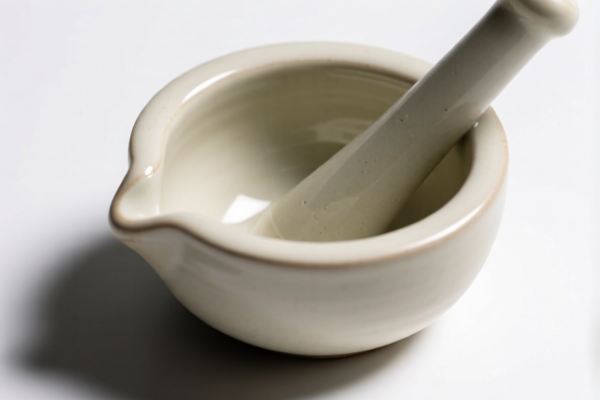
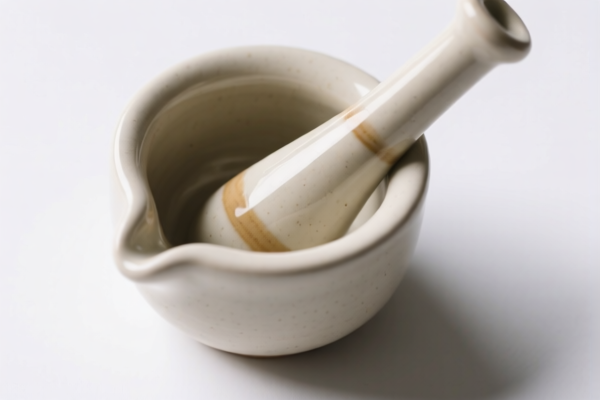
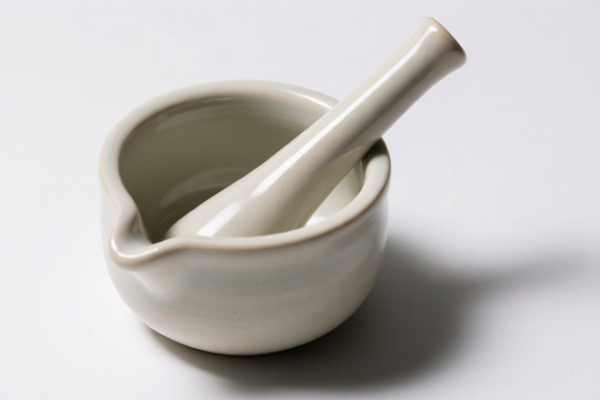
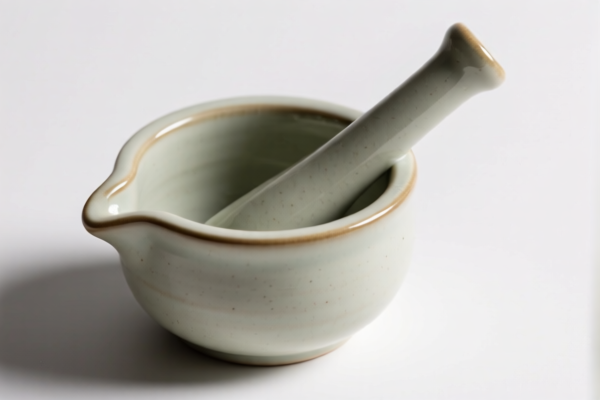
AI Analysis
🏺 Ceramic Crucible (Ceramic Heat-Resistant Vessels)
🌐 HS Code Reference & Customs Clearance Guide | 2026 Latest Tariff Analysis | Professional Clearance Strategy
📌 I. Product Definition & Classification: Do You Really Understand "Ceramic Crucibles"?
A ceramic crucible is a container made from refractory ceramic materials (such as alumina, silica, zirconia, or graphite-ceramic composites), designed to withstand extremely high temperatures for melting metals, sintering materials, or chemical analysis. In international trade, classification depends heavily on the specific material composition and intended use.
⚠️ Key Distinction Point:
- If the crucible is made primarily of Natural Graphite → It may be classified under Chapter 25 (Miscellaneous Mineral Products) or Chapter 68 (Articles of Stone, Plaster, Cement, Asbestos, Mica or Similar Materials).
- If the crucible is made of Pure Ceramic Oxides (e.g., Al₂O₃, ZrO₂) → It falls under Chapter 69 (Ceramic Products).
- If it is a Carbon/Graphite product not fitting natural graphite definitions → It may fall under Chapter 68 or Chapter 38 (depending on manufacturing process).
Note: The data provided below reflects a specific scenario where the product named "Ceramic Crucible" is being cross-referenced against HS codes that primarily match Graphite/Carbon-based or Mineral-based crucibles (as indicated by the provided data containing "Graphite Crucible" matches). This suggests a potential material ambiguity or a composite nature in the specific goods being classified.
📦 II. HS Code Classification Details (Based on Provided Data)
The following HS Codes are derived from the provided dataset, which links "Crucibles" to Graphite, Carbon, and Mineral classifications.
| HS Code | Product Description | Material Basis | Match Reasoning (from Data) |
|---|---|---|---|
2504.90.00.00 |
Natural Graphite, Other | Natural Graphite | The name "Crucible" implies a vessel. If made of natural graphite, it falls under "Other" natural graphite forms. No material conflict with graphite requirements. |
6815.19.00.00 |
Articles of Carbon | Carbon/Graphite | Explicitly contains "Graphite" material, fitting "Carbon Articles". Form matches stone/mineral material articles. |
3801.30.00.00 |
Carbon Pastes/Compounds | Carbon/Graphite | Inferred material is carbonaceous (graphite). Matched to carbon pastes/linings based on material attributes. |
6815.99.41.10 |
Other Articles of Stone/Mineral | Mineral/Graphite | "Graphite" is a mineral substance. "Crucible" is a manufactured form. Classified under "Other" mineral articles. |
2504.10.50.00 |
Natural Graphite, Other | Natural Graphite | Material is graphite (matches natural graphite). Form is crucible (container/part). No conflict if shape isn't limited to powder/sheets. |
🔍 Critical Observation:
The provided data does not list standard ceramic HS codes (such as6903.20or6903.90). Instead, it strongly correlates the term "Crucible" with Graphite and Carbon items.
Implication: If your crucible is truly made of pure ceramic (e.g., high-alumina ceramic), using the HS codes above (like6815or2504) may lead to customs misclassification. These codes are specifically for graphite/carbon/mineral crucibles. Please verify if the "Ceramic Crucible" is actually Graphite Graphitized or Carbon-Ceramic Composite.
💰 III. 2026 Latest Tariff Rate Details (Including Surcharges)
✅ Applicable Country: United States (US)
✅ Origin: China (CN)
✅ Effective Time: Post-November 2025 (based on 2026 tariff structure)
🎯 1. 2504.90.00.00 & 2504.10.50.00 – Natural Graphite (Other Forms)
| Item | Content |
|---|---|
| Base Tariff | 0.0% |
| Section 301 Surcharge | +25.0% (USITC Footnote) |
| IEEPA Surcharge | +10.0% (China-origin specific) |
| Total Tax Rate | 35.0% |
| Calculation | CIF Value × 35% |
| De Minimis Exemption | ❌ Not Eligible |
| Legal Basis | USITC:2504.90.00.00 → FOOTNOTE:9903.88.01 → IEEPA:9903.01.24 |
📌 Explanation:
- Natural graphite is taxed at 0% base, but Section 301 adds 25%.
- The 10% IEEPA tariff applies to Chinese-origin goods.
- Total: 35%.
🎯 2. 6815.19.00.00 – Articles of Carbon
| Item | Content |
|---|---|
| Base Tariff | 0.0% |
| Section 301 Surcharge | +25.0% |
| IEEPA Surcharge | +10.0% |
| Total Tax Rate | 35.0% |
| Calculation | CIF Value × 35% |
| De Minimis Exemption | ❌ Not Eligible |
| Legal Basis | USITC:6815.19.00.00 → FOOTNOTE:9903.88.01 → IEEPA:9903.01.24 |
📌 Note:
Carbon articles (including graphite crucibles) fall under this chapter. The tax structure is identical to natural graphite.
🎯 3. 6815.99.41.10 – Other Articles of Stone/Mineral
| Item | Content |
|---|---|
| Base Tariff | 0.0% |
| Section 301 Surcharge | +25.0% |
| IEEPA Surcharge | +10.0% |
| Total Tax Rate | 35.0% |
| Calculation | CIF Value × 35% |
| De Minimis Exemption | ❌ Not Eligible |
| Legal Basis | USITC:6815.99.41.10 → FOOTNOTE:9903.88.01 → IEEPA:9903.01.24 |
🎯 4. 3801.30.00.00 – Carbon Pastes and Other Carbon Articles
| Item | Content |
|---|---|
| Base Tariff | 4.9% |
| Section 301 Surcharge | +25.0% |
| IEEPA Surcharge | +10.0% |
| Total Tax Rate | 39.9% |
| Calculation | CIF Value × 39.9% |
| De Minimis Exemption | ❌ Not Eligible |
| Legal Basis | USITC:3801.30.00.00 → FOOTNOTE:9903.88.01 → IEEPA:9903.01.24 |
📌 Note:
This is the highest tax rate in the provided data. It applies if the crucible is classified as a "carbon paste" or similar composite material. Avoid this classification unless the product is literally a paste or unformed carbon mass.
🛠️ IV. Customs Clearance Practical Advice (Real-World Pitfall Guide)
✅ 1. Preparation Checklist (All Required)
| Document | Required? | Notes |
|---|---|---|
| ✅ Product Specification Sheet | ✔️ | Must clearly state Material Composition (e.g., "99% Graphite," "Alumina Ceramic," "Silica"). |
| ✅ Product Photos | ✔️ | Show texture, label, and any markings. |
| ✅ Certificate of Analysis (COA) | ✔️ | Crucial to prove if the product is Graphite vs. Ceramic Oxide. |
| ✅ Commercial Invoice | ✔️ | Accurate description: "Graphite Crucible" vs. "Ceramic Crucible." |
| ✅ Packing List | ✔️ | Weight and dimensions for duty calculation. |
✅ 2. Declaration Strategy (Key Mantra)
🔥 "Material First, Shape Second! If it's Graphite, use Chapter 25/68. If it's Pure Ceramic, use Chapter 69!"
| Scenario | Correct HS Code | Wrong HS Code | Consequence |
|---|---|---|---|
| Graphite Crucible | 2504.90.00.00 or 6815.19.00.00 |
6903.90 (Ceramic) |
Potential penalty for misclassification. |
| Alumina Ceramic Crucible | 6903.20 or 6903.90 |
2504.90.00.00 |
High Risk: Customs may reject if material is not graphite. |
| Carbon Paste/Unformed | 3801.30.00.00 |
6815.19.00.00 |
Higher tax (39.9% vs 35%). |
✅ 3. Special Handling
| Situation | Recommendation |
|---|---|
| Ambiguous Material | If the crucible is "Ceramic-Coated Graphite," provide proof of primary material. If graphite is structural, lean toward 6815 or 2504. |
| High-Temperature Ceramic | Ensure HS Code 6903 is used. The provided data does not cover pure ceramic codes. Using 2504 for pure alumina ceramic is incorrect. |
| Graphite Crucible | Clearly state "Graphite" in the description. Use 2504.90.00.00 or 6815.19.00.00 for the 35% rate. |
🌍 V. Global Market Clearance Comparison (2026)
| Country/Region | Recommended HS Code | Tariff (China Origin) | Notes |
|---|---|---|---|
| 🇺🇸 USA | 2504.90.00.00 / 6815.19.00.00 |
35% | Includes 25% Section 301 + 10% IEEPA. |
| 🇨🇳 China | 6815.19.00.00 |
Varies (0-5%) | Check specific import duties for carbon/graphite articles. |
| 🇪🇺 EU | 6815.19.00.00 |
~6.5% | No Section 301 surcharge. Standard MFN rate. |
| 🇦🇺 Australia | 6815.19.00.00 |
5% | No additional surcharges for China. |
📌 Conclusion:
- USA imposes the highest burden due to 35% total tax.
- EU/Australia offer more favorable rates (5-6.5%) for similar goods.
- Critical: Ensure the material description matches the HS Code. Misdeclaring a Graphite Crucible as a Ceramic Crucible (or vice versa) can lead to audits, fines, and cargo detention.
📌 VI. Common Errors & Pitfall Guide (Lessons Learned)
❌ Error 1: Using "Ceramic Crucible" as the name, but declaring under 2504 (Graphite).
👉 Result: Customs requests proof of graphite content. If none, reclassification to 6903 (Ceramic) may occur, changing the duty rate and legal basis.
❌ Error 2: Declaring a Graphite Crucible under 6903.90 (Ceramic).
👉 Result: Potential penalty for false declaration. Graphite is a mineral/carbon product, not a sintered ceramic oxide.
❌ Error 3: Ignoring the 10% IEEPA Surcharge.
👉 Result: Underpayment of duty. The 35% total (0% base + 25% + 10%) is mandatory for Chinese-origin goods.
✅ Correct Practice:
Description: "Graphite Crucible, High Purity, For Melting Metals, 500ml Capacity"
HS Code:2504.90.00.00or6815.19.00.00
Duty: 35%
🎯 VII. Conclusion: Accurate Classification Saves Money!
🎯 Remember:
🔹 "Graphite = 35% (US), Ceramic = Varies (Check Chapter 69)"
🔹 "Material Proof is Key! Don't Guess, Verify!"
🔹 "35% Total Tax is Real – Plan Your Budget Accordingly!"
📌 Pro Tip:
If your product is pure ceramic (e.g., Alumina, Zirconia), do not use the HS codes in the provided data (2504, 6815). Instead, use Chapter 69 (e.g., 6903.20.00.00 or 6903.90.00.00). The provided data is specific to Graphite/Carbon crucibles. Using 2504 for pure ceramic could be considered fraudulent misdeclaration.
📣 Immediate Action:
📞 Confirm Material: Is it Graphite or Ceramic Oxide?
📄 Get COA: Certificate of Analysis from the manufacturer.
🚀 Apply for Ruling: If unsure, apply for a Customs Ruling to lock in the HS Code.
✨ Professional Clearance Starts with Precise Classification!
💼 Your Cost Savings Depend on This 10-Digit Code!
Customer Reviews
About HS Code Classification
The Harmonized System (HS) is an internationally standardized nomenclature developed by the World Customs Organization (WCO) to classify traded products. Over 200 countries use the HS system as the basis for customs tariffs, trade statistics, and import/export regulations.
Each HS code follows a hierarchical structure:
- Chapter (2 digits) — Broad category of goods (e.g., Chapter 84: Machinery and Mechanical Appliances)
- Heading (4 digits) — More specific grouping within the chapter
- Subheading (6 digits) — Internationally standardized breakdown, used by all WCO member countries
- National subdivisions (8-10 digits) — Country-specific extensions for further classification, such as US HTSUS 10-digit codes
Correct HS code classification is essential for smooth customs clearance, accurate duty payment, and compliance with trade regulations. Misclassification can lead to customs delays, overpayment of duties, or penalties.
When importing from CN to US, the applicable tariff rates may include:
- Most-Favored-Nation (MFN) rate — The standard duty rate applied to WTO members
- General rate — Applied to countries without trade agreements
- Trade remedy duties — Additional tariffs such as Section 301 (anti-dumping), Section 232 (national security), or countervailing duties
The information provided on this page is for reference purposes only. For official classification, please consult with your local customs authority or a licensed customs broker.