Ceramic Grinder
CN → US| HS Code | Tariff Rate | Origin | Destination | Doc |
|---|---|---|---|---|
| 6804221000 | 0.0% | CN | US | Official Doc |
| 6804224000 | 35.0% | CN | US | Official Doc |
| 8514399000 | 36.3% | CN | US | Official Doc |
| 8464200120 | 37.0% | CN | US | Official Doc |
| 8464100100 | 35.0% | CN | US | Official Doc |
Product Images
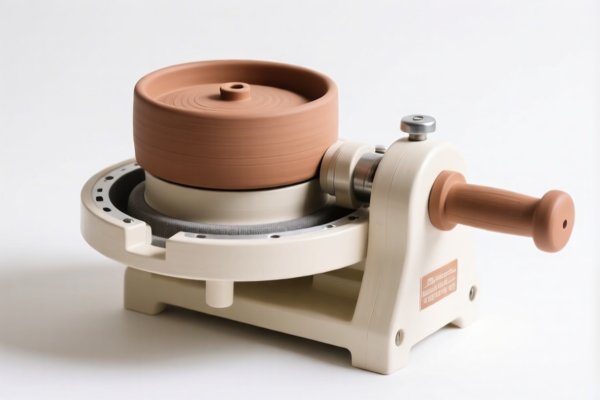
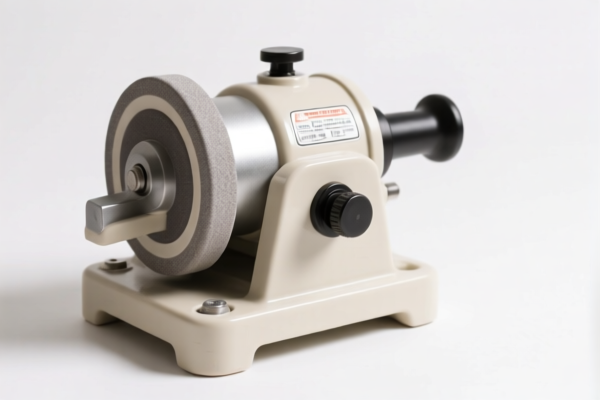
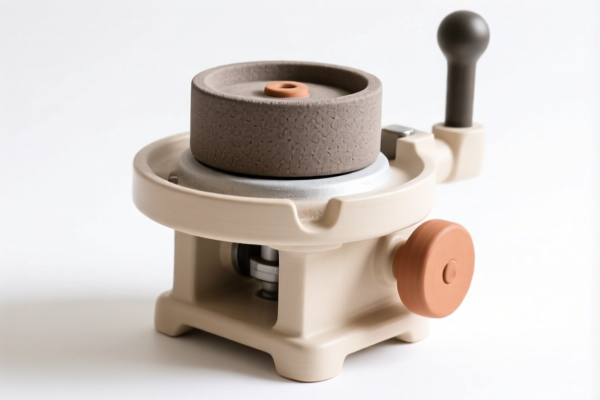
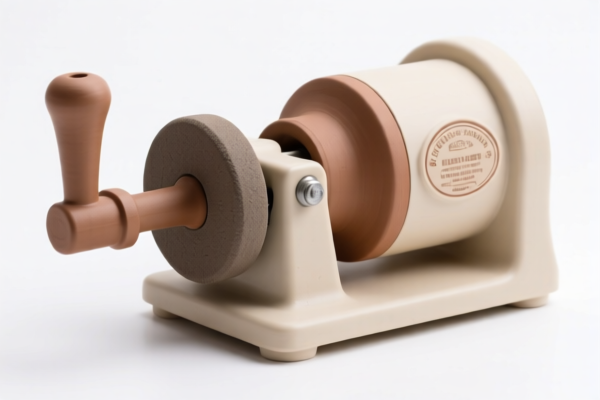
AI Analysis
🛠️ Ceramic Grinder (研磨器) – HS Code Classification & US Customs Clearance Guide 2026
🌐 HS Code Reference & Customs Clearance Strategy | 2026 Latest Tariff Analysis | Professional Compliance Guide
📌 1. Product Definition & Classification Logic: What Exactly is a "Ceramic Grinder"?
A "Ceramic Grinder" is a broad term that can refer to several distinct types of goods depending on its material composition, function, and structure. In international trade, misclassification leads to severe tariff penalties or customs delays.
Based on the provided <DATA>, the classification depends on three main interpretations:
1. Simple Grindstone/Whetstone: A passive abrasive tool (Manual).
2. Electric Heating/Motorized Device: An active device using ceramic elements (Electric/Machine).
3. Machine Tool Component: A specific industrial machine part for processing ceramic materials.
⚠️ Critical Distinction Point:
- If it is a simple stone/block used for sharpening tools by hand → HS 6804.
- If it is an electric device (e.g., electric coffee grinder, power tool) with a ceramic element → HS 8514 or 8464.
- Do not guess: The presence of a motor, plug, or heating element drastically changes the HS Code and tax rate.
📦 2. HS Code Classification Details (2026 Latest Tariff Authority)
Based strictly on the provided <DATA>, here are the applicable HS Codes and their logical justifications:
| HS Code | Product Description & Summary | Key Logic/Inference |
|---|---|---|
6804.22.10.00 |
Grindstones, whetstones, and similar products | Material inferred as abrasive or ceramic. Used for grinding, sharpening, or polishing. |
6804.22.40.00 |
Other Grindstones, Whetstones | Purpose aligns with grinding/sharpening; material inferred as abrasive or ceramic. |
8514.39.90.00 |
Electric Heating Equipment (Other) | Inferred as an electric heating device due to ceramic material composition. Categorized under "Other" electric heaters/devices. |
8464.20.01.20 |
Machine Tools for Working Ceramic Material | The "Ceramic" fits the material requirement, and the "Grinder/Machine" fits the machine tool morphology/usage requirement. |
8464.10.01.00 |
Machine Tools for Working Ceramic Material (Other) | Ceramic fits the material limitation; Machine fits the morphology. Usage and material both match the category. |
🔍 Important Note:
- HS 6804 items are generally passive tools (no motor/electricity).
- HS 8514 and 8464 items are active machines (electric, motorized, or heating elements).
- Misclassifying an electric grinder as a passive stone (HS 6804) to avoid higher taxes is a major compliance risk.
💰 3. 2026 Latest Tariff Rate Breakdown (Including Surcharges & Policies)
✅ Applicable Country: United States (US)
✅ Origin: China (CN)
✅ Effective Time: 2025-2026 (Post-Section 301 & IEEPA measures)
🎯 1. 6804.22.10.00 – Grindstones/Whetstones (Abrasive/Ceramic)
| Item | Content |
|---|---|
| Base Tariff | 5¢/kg + 2% (Ad Valorem) |
| Section 301 Surcharge | +25.0% |
| IEEPA Surcharge (122 Provision) | +10% |
| Total Effective Tax Rate | ~37.0% (Variable: Fixed duty per kg + % of value) |
| Tax Calculation | (5¢ × Weight in kg) + (CIF Value × 2%) + (CIF Value × 25%) + (CIF Value × 10%) |
| De Minimis Exemption | ❌ Not Applicable (Deny de minimis for Chinese goods under current rules) |
| Legal Basis | USITC:6804.22.10.00 + IEEPA:9903.01.24 + USITC:Footnote301 |
📌 Explanation:
- This category applies to non-electric ceramic grinding stones.
- The 5¢/kg is a specific duty, which can be significant for low-value, heavy items.
- The 35% additional tariffs (25% + 10%) are applied on top of the ad valorem base.
🎯 2. 6804.22.40.00 – Other Grindstones/Whetstones
| Item | Content |
|---|---|
| Base Tariff | 0.0% (Ad Valorem) |
| Section 301 Surcharge | +25.0% |
| IEEPA Surcharge (122 Provision) | +10% |
| Total Effective Tax Rate | 35.0% |
| Tax Calculation | CIF Value × 35.0% |
| De Minimis Exemption | ❌ Not Applicable |
| Legal Basis | USITC:6804.22.40.00 + IEEPA:9903.01.24 |
📌 Explanation:
- Similar to the above, but the base rate is 0%.
- Total rate is 35% (25% + 10%).
- Caution: If the item is heavy, the 5¢/kg in the previous code might be cheaper than 35% of a high-value item. Compare costs!
🎯 3. 8514.39.90.00 – Electric Heating Equipment (Ceramic)
| Item | Content |
|---|---|
| Base Tariff | 1.3% |
| Section 301 Surcharge | +25.0% |
| IEEPA Surcharge (122 Provision) | +10% |
| Total Effective Tax Rate | 36.3% |
| Tax Calculation | CIF Value × 36.3% |
| De Minimis Exemption | ❌ Not Applicable |
| Legal Basis | USITC:8514.39.90.00 + IEEPA:9903.01.24 |
📌 Explanation:
- Applies if the grinder is an electric heating device (e.g., ceramic heater element in a grinder).
- Base rate is slightly higher (1.3%), leading to a 36.3% total rate.
🎯 4. 8464.20.01.20 – Machine Tools for Working Ceramic (Other)
| Item | Content |
|---|---|
| Base Tariff | 2.0% |
| Section 301 Surcharge | +25.0% |
| IEEPA Surcharge (122 Provision) | +10% |
| Total Effective Tax Rate | 37.0% |
| Tax Calculation | CIF Value × 37.0% |
| De Minimis Exemption | ❌ Not Applicable |
| Legal Basis | USITC:8464.20.01.20 + IEEPA:9903.01.24 |
📌 Explanation:
- Applies if the "grinder" is a machine tool specifically designed for shaping/cutting ceramic materials.
- Base rate is 2.0%, total 37.0%.
🎯 5. 8464.10.01.00 – Machine Tools for Working Ceramic (Other)
| Item | Content |
|---|---|
| Base Tariff | 0.0% |
| Section 301 Surcharge | +25.0% |
| IEEPA Surcharge (122 Provision) | +10% |
| Total Effective Tax Rate | 35.0% |
| Tax Calculation | CIF Value × 35.0% |
| De Minimis Exemption | ❌ Not Applicable |
| Legal Basis | USITC:8464.10.01.00 + IEEPA:9903.01.24 |
📌 Explanation:
- Another subset for machine tools for ceramic.
- Base rate 0.0%, total 35.0%.
🛠️ 4. Customs Clearance Practical Advice (Pitfall Avoidance)
✅ 1. Essential Documentation Checklist
| Document | Required | Description |
|---|---|---|
| ✅ Product Specifications | ✔️ | Must clearly state: Is it electric? Does it have a motor? Is it a passive stone? |
| ✅ Product Photos | ✔️ | Clear images showing the entire unit, label, and any moving parts (motors/plugs). |
| ✅ Technical Diagram | ✔️ | If claiming it's a "Machine Tool" (HS 8464), provide a diagram showing its function. |
| ✅ Commercial Invoice | ✔️ | Use precise descriptions: "Ceramic Whetstone (Passive)" vs. "Electric Ceramic Grinder". |
| ✅ Material Composition Report | ✔️ | Confirm the material is indeed ceramic or abrasive, not metal or plastic. |
✅ 2. Classification Strategy (Key Mantra)
🔥 "Passive = 6804, Electric = 8514/8464. Check for Motors!"
| Scenario | Correct HS Code | Risk if Wrong |
|---|---|---|
| Hand-held sharpening stone | 6804.22.10.00 or 6804.22.40.00 |
Misclassifying as electric → Higher tax + Audit |
| Electric Coffee Grinder (with ceramic burrs) | 8514.39.90.00 or 8464.10.01.00 |
Misclassifying as passive stone → Penalty for Undervaluation/Tax Evasion |
| Industrial Machine for Cutting Ceramic Tiles | 8464.20.01.20 |
Misclassifying as consumer good → Seizure |
⚠️ Critical Tip:
If you import an electric grinder but declare it as a passive stone (HS 6804), US Customs (CBP) will likely reject the declaration because the presence of a motor/plug disqualifies it from Chapter 68. This leads to liquidated damages and potential fraud investigations.
✅ 3. Special Cases
| Case | Handling Advice |
|---|---|
| Mixed Materials | If the grinder has a ceramic blade but a plastic body and motor, it is likely an electric machine (HS 8514/8464), not a ceramic tool (HS 6804). |
| Accessories | Spare ceramic blades for electric grinders are usually classified under the same HS Code as the main machine, not as separate "stones". |
| De Minimis (Section 321) | ❌ Do NOT rely on De Minimis for these goods from China. The "122 Provision" and Section 301 tariffs apply regardless of value for covered Chinese goods. |
🌍 5. Global Market Comparison (2026)
| Country/Region | Recommended HS Code | Tariff Rate (China Origin) | Notes |
|---|---|---|---|
| 🇺🇸 USA | 6804.22.10.00 / 8514.39.90.00 / 8464.10.01.00 |
35.0% – 37.0% | High tariffs due to 301 + IEEPA. No de minimis exemption. |
| 🇨🇳 China | 6804.22 / 8514.39 / 8464.10 |
5% – 10% (Import Duty) | Standard MFN rates. No additional surcharges. |
| 🇪🇺 EU | 6804.22 / 8208 (Tools) |
6.5% – 9.5% | Lower tariffs than US, but strict CE marking requirements. |
| 🇬🇧 UK | 6804.22 / 8514.39 |
6.5% – 9.5% | Post-Brexit tariffs similar to EU. |
📌 Conclusion:
- The USA has the highest barriers due to layered tariffs (Base + 301 + IEEPA).
- Cost Optimization: If possible, consider sourcing from non-China origins (e.g., Vietnam, Thailand) to potentially avoid IEEPA surcharges, but ensure substantial transformation occurs.
📌 6. Common Mistakes & Pitfalls (Blood & Tears Lessons)
❌ Mistake 1: Declaring an electric grinder as a "Ceramic Stone" (HS 6804)
👉 Consequence: CBP will flag the discrepancy between the description and the photos (motor/plug visible). Result: Hold, Inspection, Penalty, and Retroactive Tax Assessment.
❌ Mistake 2: Ignoring the 5¢/kg specific duty in 6804.22.10.00
👉 Consequence: For high-volume, low-value shipments, the weight-based duty can exceed the ad valorem tax. Calculate total landed cost carefully.
❌ Mistake 3: Assuming De Minimis ($800) applies
👉 Consequence: Denied. Chinese-origin goods subject to Section 301 and IEEPA are explicitly excluded from de minimis treatment under current enforcement guidelines.
❌ Mistake 4: Using vague descriptions like "Kitchen Tool"
👉 Consequence: CBP will assign a default HS Code with potentially higher duties or different regulatory requirements (e.g., FCC for electronics).
✅ Correct Approach:
"Electric Ceramic Burr Grinder, Model XYZ, 120V, 60Hz, For Coffee Beans" → HS 8514.39.90.00
"Natural Ceramic Whetstone, 10x3 cm, For Sharpening Knives" → HS 6804.22.10.00
🎯 7. Conclusion: Precision Classification Saves Money!
🎯 Remember the Mantra:
🔹 "Check for Motor: Electric = Machine, Passive = Stone."
🔹 "China Origin = 35%+ Tax: No De Minimis, No Escape."
🔹 "Describe Specifically: 'Ceramic Grinder' is not enough for CBP."
📌 Pro Tip:
If your product is an electric grinder with ceramic parts, ensure you have FCC Certification (if US market) ready. Lack of electrical compliance can cause customs holds in addition to tariff issues.
📣 Immediate Action:
📞 Contact a Licensed Customs Broker: Provide product photos and specs.
🚀 Apply for Pre-Ruling (CBP Ruling Letter): Get official HS Code confirmation before shipment.
💼 Optimize Landed Cost: Compare6804.22.10.00(Weight-based) vs.6804.22.40.00(Value-based) to choose the cheaper option for your specific product weight/value ratio.
✨ Professional Clearance Starts with Accurate Classification!
💼 Your Bottom Line Depends on the Right HS Code!
Customer Reviews
About HS Code Classification
The Harmonized System (HS) is an internationally standardized nomenclature developed by the World Customs Organization (WCO) to classify traded products. Over 200 countries use the HS system as the basis for customs tariffs, trade statistics, and import/export regulations.
Each HS code follows a hierarchical structure:
- Chapter (2 digits) — Broad category of goods (e.g., Chapter 84: Machinery and Mechanical Appliances)
- Heading (4 digits) — More specific grouping within the chapter
- Subheading (6 digits) — Internationally standardized breakdown, used by all WCO member countries
- National subdivisions (8-10 digits) — Country-specific extensions for further classification, such as US HTSUS 10-digit codes
Correct HS code classification is essential for smooth customs clearance, accurate duty payment, and compliance with trade regulations. Misclassification can lead to customs delays, overpayment of duties, or penalties.
When importing from CN to US, the applicable tariff rates may include:
- Most-Favored-Nation (MFN) rate — The standard duty rate applied to WTO members
- General rate — Applied to countries without trade agreements
- Trade remedy duties — Additional tariffs such as Section 301 (anti-dumping), Section 232 (national security), or countervailing duties
The information provided on this page is for reference purposes only. For official classification, please consult with your local customs authority or a licensed customs broker.