Ceramic Tiles
CN → US| HS Code | Tariff Rate | Origin | Destination | Doc |
|---|---|---|---|---|
| 6810191200 | 39.9% | CN | US | Official Doc |
| 6810191400 | 44.0% | CN | US | Official Doc |
| 6907211011 | 45.0% | CN | US | Official Doc |
| 6907219011 | 43.5% | CN | US | Official Doc |
Product Images
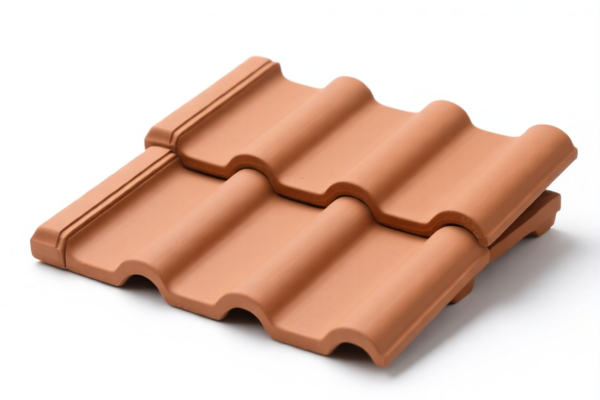
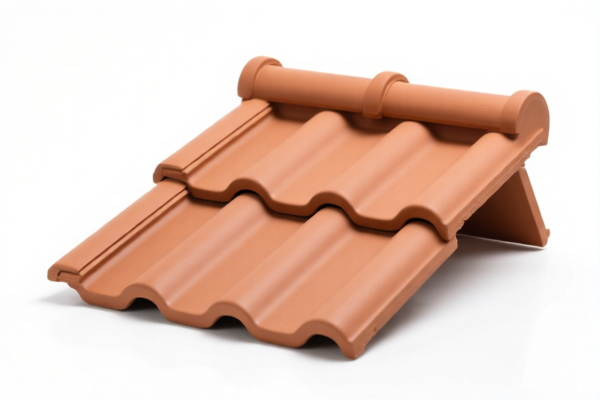
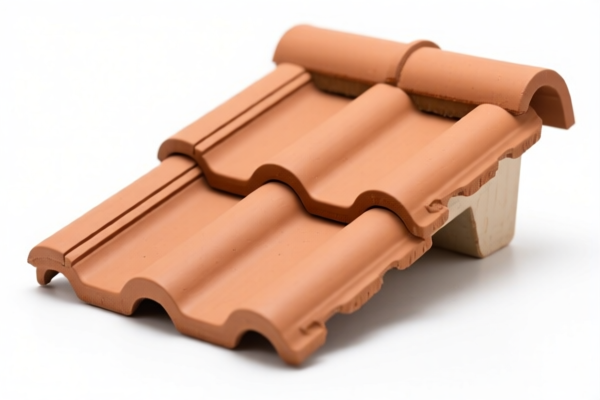

AI Analysis
🏗️ Ceramic Tiles (瓷砖) | Global Customs Classification & Tariff Strategy
🌐 HS Code Reference & Customs Clearance Guide | 2026 Latest Tariff Analysis | Professional Strategy
📌 I. Product Definition & Classification: Do You Really Understand "Ceramic Tiles"?
Ceramic tiles are essential building materials used for flooring, wall cladding, and decorative purposes in residential and commercial construction. In international trade, classification depends strictly on material composition and manufacturing method.
The key distinction lies in whether the tile is: 1. Cement/Concrete/Artificial Stone-based: Bound by non-cementitious adhesives or cementitious materials (HS 6810). 2. True Ceramic/Porcelain: Made from clay, feldspar, silica, and fired at high temperatures (HS 6907).
⚠️ Critical Distinction Point:
- If the tile is made of cement, concrete, or artificial stone and bound by adhesives → It falls under HS 6810.
- If the tile is made of clay/ceramic materials and fired → It falls under HS 6907.
- Misclassification leads to significant tariff discrepancies (from 39.9% to 45.0%).
📦 II. HS Code Classification Details (2026 Latest Tariff Authority Comparison)
| HS Code | Product Description | Material Type | Key Characteristics |
|---|---|---|---|
6810.19.12.00 |
Tiles bound by non-cementitious adhesives | Stone/Ceramic (Non-Cement Bound) | Matches "Floor/Wall Tiles" made of stone/ceramic but bound by non-cement adhesives. |
6810.19.14.00 |
Cement/Concrete/Artificial Stone Tiles | Cement/Concrete/Artificial Stone | Specifically for tiles made of cement, concrete, or artificial stone materials. |
6907.21.10.11 |
Ceramic/Porcelain Tiles | Ceramic/Porcelain | Explicitly matches "Ceramic/China" material requirements. Highest base duty. |
6907.21.90.11 |
Other Ceramic Flag/Flagstone/Paving Tiles | Ceramic | Broad category for ceramic building products including paving/wall tiles. |
🔍 Key Reminder:
- "Ceramic Tiles" generally refers to HS 6907 products (fired clay).
- "Cement Tiles" or "Artificial Stone Tiles" fall under HS 6810.
- Ensure your product specification clearly states "Fired Ceramic" vs. "Cement-Bound" to avoid customs delays.
💰 III. 2026 Latest Tariff Rate Breakdown (Including Additional Taxes & Policy Surcharges)
✅ Applicable Country: United States (US)
✅ Country of Origin: China (CN)
✅ Effective Time: Current Trade War Era (Section 301 & IEEPA)
🎯 1. 6810.19.12.00 – Tiles (Non-Cement Bound Stone/Ceramic)
| Item | Detail |
|---|---|
| Base Duty Rate | 4.9% (Ad Valorem) |
| Section 301 Additional Duty | +25.0% (China-specific) |
| Section 122 Additional Duty | +10.0% (Specific statutory addition) |
| Total Effective Duty Rate | 39.9% |
| Tax Calculation | CIF Value × 39.9% |
| De Minimis Exemption | ❌ Not Eligible (Denied) |
| Legal Basis Path | Section 301: 9903.88.01 → Section 122: 9903.10.01 → USITC: 6810.19.12.00 |
📌 Explanation:
- This classification is for tiles that are not cement-based but are bound by other adhesives.
- The 39.9% total rate is significantly lower than true ceramic tiles (HS 6907).
- Strategy: If your product is stone-ceramic bound by resin/adhesive (not cement), consider this classification for lower duties.
🎯 2. 6810.19.14.00 – Cement/Concrete/Artificial Stone Tiles
| Item | Detail |
|---|---|
| Base Duty Rate | 9.0% (Ad Valorem) |
| Section 301 Additional Duty | +25.0% (China-specific) |
| Section 122 Additional Duty | +10.0% (Specific statutory addition) |
| Total Effective Duty Rate | 44.0% |
| Tax Calculation | CIF Value × 44.0% |
| De Minimis Exemption | ❌ Not Eligible (Denied) |
| Legal Basis Path | Section 301: 9903.88.01 → Section 122: 9903.10.01 → USITC: 6810.19.14.00 |
📌 Explanation:
- Applies specifically to tiles made of cement, concrete, or artificial stone.
- Higher base duty (9.0%) than6810.19.12.00, but still lower than ceramic.
- Strategy: Use this if your product is explicitly cement-bound or concrete-based.
🎯 3. 6907.21.10.11 – Ceramic/Porcelain Tiles (Highest Base Duty)
| Item | Detail |
|---|---|
| Base Duty Rate | 10.0% (Ad Valorem) |
| Section 301 Additional Duty | +25.0% (China-specific) |
| Section 122 Additional Duty | +10.0% (Specific statutory addition) |
| Total Effective Duty Rate | 45.0% |
| Tax Calculation | CIF Value × 45.0% |
| De Minimis Exemption | ❌ Not Eligible (Denied) |
| Legal Basis Path | Section 301: 9903.88.01 → Section 122: 9903.10.01 → USITC: 6907.21.10.11 |
📌 Explanation:
- This is the standard classification for true ceramic/porcelain tiles.
- Highest total rate (45.0%) due to the highest base duty (10.0%).
- Strategy: Only use this if the product is 100% ceramic/porcelain. No duty avoidance possible here due to high base rate.
🎯 4. 6907.21.90.11 – Other Ceramic Building Products
| Item | Detail |
|---|---|
| Base Duty Rate | 8.5% (Ad Valorem) |
| Section 301 Additional Duty | +25.0% (China-specific) |
| Section 122 Additional Duty | +10.0% (Specific statutory addition) |
| Total Effective Duty Rate | 43.5% |
| Tax Calculation | CIF Value × 43.5% |
| De Minimis Exemption | ❌ Not Eligible (Denied) |
| Legal Basis Path | Section 301: 9903.88.01 → Section 122: 9903.10.01 → USITC: 6907.21.90.11 |
📌 Explanation:
- Covers other ceramic flagstones, paving, or wall tiles not specifically listed under6907.21.10.11.
- Slightly lower base duty (8.5%) than6907.21.10.11.
- Strategy: Use if your ceramic tile does not fit the specific description of6907.21.10.11but is still ceramic.
🛠️ IV. Customs Clearance Practical Advice (Real-World Pitfall Guide)
✅ 1. Required Documentation Checklist (All Must Be Provided)
| Document | Mandatory | Description |
|---|---|---|
| ✅ Product Specification Sheet | ✔️ | Must clearly state Material (Ceramic vs. Cement/Concrete) and Binding Agent. |
| ✅ Product Photos | ✔️ | Clear images showing texture, cross-section (if possible), and packaging. |
| ✅ Commercial Invoice | ✔️ | Must accurately describe product as "Ceramic Tile" or "Cement Tile" matching HS Code. |
| ✅ Packing List | ✔️ | Detail weight, dimensions, and number of boxes. |
| ✅ Origin Certificate | ✔️ | To confirm China origin (subject to 301 & 122 duties). |
| ✅ Material Test Report | ✔️ | Recommended to prove ceramic content vs. cement content if disputed. |
✅ 2. Declaration Tips (Key Mantra)
🔥 "Material First, Binding Agent Second, Name Precise, Tax Saved!"
| Scenario | Correct Declaration | Wrong Approach |
|---|---|---|
| True Ceramic Tile | HS 6907.21.10.11 or 6907.21.90.11 |
Misdeclare as Cement Tile → 44% instead of 45%? No, 45% is higher. But if misdeclared as 6810, it's Smuggling/Fraud if not cement. |
| Cement/Concrete Tile | HS 6810.19.14.00 |
Misdeclare as Ceramic → 45% instead of 44%? Slight overpayment. But if misdeclared as non-cement, risk penalty. |
| Resin-Bound Stone Tile | HS 6810.19.12.00 |
Misdeclare as Ceramic → 45% vs. 39.9%. Overpayment. |
| "Ceramic" is just a color name | Verify Material! | If it's concrete with a ceramic glaze, it may be 6810. Don't assume based on name. |
✅ 3. Special Case Handling
| Situation | Handling Advice |
|---|---|
| OEM/Custom Design | Provide design drawings showing material composition. |
| Mixed Shipment (Ceramic + Cement) | Declare Separately! Do not mix HS Codes. Each box must be clearly labeled. |
| High Value Luxury Tiles | Ensure precise description of "Porcelain" vs. "Earthenware" if applicable. |
| Section 122 Duty Applicability | Confirm if your specific product type is currently subject to the 10% Section 122 duty. Some categories may be exempt or changed. Check latest USITC updates. |
🌍 V. Global Main Market Clearance Comparison (2026 Latest)
| Country/Region | Recommended HS Code | Duty Rate | Certification | Remarks |
|---|---|---|---|---|
| 🇺🇸 USA | 6907.21.10.11 |
45.0% (China) | None specific | Highest due to 301+122 |
| 🇺🇸 USA | 6810.19.12.00 |
39.9% (China) | None specific | Lower duty for non-cement bound |
| 🇨🇳 China | 6907.21.10.11 |
20% | CCC (if applicable) | No additional 301/122 |
| 🇪🇺 EU | 6907.21.00 |
4.5% (MFN) | CE (if electrical) | No major surcharges |
| 🇦🇺 Australia | 6907.21.00 |
5.0% | None | No surcharges |
📌 Conclusion:
- USA is the most expensive market for Chinese ceramic tiles due to 301 (25%) + 122 (10%) + Base (10-10%) tariffs.
- Duty Optimization: If your product can be legally classified as non-cement bound stone/ceramic (6810.19.12.00), you save 5.1% (39.9% vs 45.0%).
- Material Proof is critical. Customs may require lab tests to distinguish between "Ceramic" and "Cement-Bound" tiles.
📌 VI. Common Mistakes & Pitfall Guide (Blood & Tears Lessons)
❌ Mistake 1: Calling all tiles "Ceramic" regardless of material.
👉 Consequence: If it's cement-bound, declaring as ceramic (6907) leads to 45% duty instead of 44% or 39.9%. Worse, if it's non-cement but declared as cement, it's fraud.
❌ Mistake 2: Ignoring Section 122 duties.
👉 Consequence: Assuming only 25% (301) is applicable. Section 122 adds another 10%, making the total 35%+ base duty. Total can reach 45%.
❌ Mistake 3: Not distinguishing between 6907.21.10.11 and 6907.21.90.11.
👉 Consequence: 6907.21.10.11 has a 10% base duty, while 6907.21.90.11 has 8.5%. Misclassification costs 1.5% extra.
❌ Mistake 4: Assuming "De Minimis" applies.
👉 Consequence: Tiles are NOT exempt from de minimis (under $800). Even small shipments are subject to full duties and inspections.
✅ Correct Approach:
"Porcelain Floor Tile, 12x12 inch, Fired Clay, Glazed, Model XYZ, Origin China, HS 6907.21.10.11"
🎯 VII. Conclusion: Professional Declaration, Save Time, Cut Costs!
🎯 Remember the Mantra:
🔹 "Material is King, Binding Agent is Queen. Ceramic vs. Cement, Know the Difference."
🔹 "Base Duty Matters. 10% vs 8.5% vs 9% vs 4.9% adds up to thousands."
🔹 "Section 122 is the Silent Killer. 10% extra on everything. Watch out!"
📌 Pro Tip:
If your tiles are ceramic, but you can prove they are bound by non-cement adhesives (e.g., resin-based), you may qualify for HS 6810.19.12.00, saving 5.1% in total duties.
Request a Pre-Ruling from CBP if your product's material composition is borderline.
📣 Immediate Action:
📞 Contact a Certified Customs Broker + Provide Material Test Reports + Apply for HS Code Pre-Ruling
🚀 Ensure Smooth Clearance, Maximize Profit, and Avoid Surprises!
✨ Professional Customs Clearance Starts with Accurate Classification!
💼 Every Percent Saved is Pure Profit!
Customer Reviews
About HS Code Classification
The Harmonized System (HS) is an internationally standardized nomenclature developed by the World Customs Organization (WCO) to classify traded products. Over 200 countries use the HS system as the basis for customs tariffs, trade statistics, and import/export regulations.
Each HS code follows a hierarchical structure:
- Chapter (2 digits) — Broad category of goods (e.g., Chapter 84: Machinery and Mechanical Appliances)
- Heading (4 digits) — More specific grouping within the chapter
- Subheading (6 digits) — Internationally standardized breakdown, used by all WCO member countries
- National subdivisions (8-10 digits) — Country-specific extensions for further classification, such as US HTSUS 10-digit codes
Correct HS code classification is essential for smooth customs clearance, accurate duty payment, and compliance with trade regulations. Misclassification can lead to customs delays, overpayment of duties, or penalties.
When importing from CN to US, the applicable tariff rates may include:
- Most-Favored-Nation (MFN) rate — The standard duty rate applied to WTO members
- General rate — Applied to countries without trade agreements
- Trade remedy duties — Additional tariffs such as Section 301 (anti-dumping), Section 232 (national security), or countervailing duties
The information provided on this page is for reference purposes only. For official classification, please consult with your local customs authority or a licensed customs broker.