Ceramic chimney pot
CN → US| HS Code | Tariff Rate | Origin | Destination | Doc |
|---|---|---|---|---|
| 6914108000 | 44.0% | CN | US | Official Doc |
| 6914908000 | 40.6% | CN | US | Official Doc |
| 6903900010 | 35.0% | CN | US | Official Doc |
| 6903900050 | 35.0% | CN | US | Official Doc |
| 6810195000 | 38.9% | CN | US | Official Doc |
Product Images

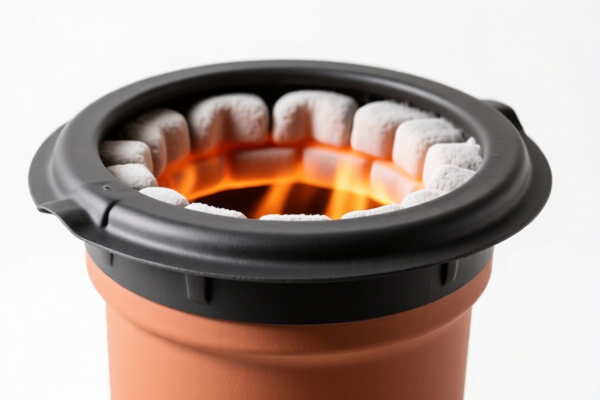


AI Analysis
🏺 Ceramic Chimney Pots: HS Code Classification & Duty Analysis (2026 Update)
🌐 HS Code Reference & Customs Clearance Guide | 2026 Latest Tariff Analysis | Professional Clearance Strategy
📌 1. Product Definition: What Exactly is a "Ceramic Chimney Pot"?
A Ceramic Chimney Pot is a vertical extension placed atop a chimney stack to improve draught, prevent downdrafts, and protect the chimney head from rain and debris. In international trade, while the function is similar, the material composition determines the HS Code classification.
Based on the provided data, all listed items are made of Ceramic. However, the specific type of ceramic (e.g., standard porcelain, refractory, or building material) dictates the HS Code and the resulting tax burden.
⚠️ Key Distinction:
- If the item is a standard porcelain/ceramic ware (like tableware or decorative items) → Chapter 69, Headings 6914 or 6913.
- If the item is a refractory ceramic product (resistant to high heat) → Chapter 69, Heading 6903.
- If the item is considered a brick/ceramic building block → Chapter 68, Heading 6810.
📦 2. HS Code Classification Details (2026 Latest Tariff Reference)
| HS Code | Product Description | Applicable Scenario | Total Tax Rate | Tax Breakdown |
|---|---|---|---|---|
6914.10.80.00 |
Ceramic Chimney Pot, classified under Other Ceramic Articles | Standard ceramic ware category | 44.0% | Base: 9.0% Section 301: 25.0% Section 122: 10.0% |
6914.90.80.00 |
Ceramic Chimney Pot, classified under Other Ceramic Products | Other ceramic products not specified elsewhere | 40.6% | Base: 5.6% Section 301: 25.0% Section 122: 10.0% |
6903.90.00.10 |
Ceramic Chimney Pot, classified under Refractory Ceramic Wares (Vessels) | High-heat resistant ceramic vessels | 35.0% | Base: 0.0% Section 301: 25.0% Section 122: 10.0% |
6903.90.00.50 |
Ceramic Chimney Pot, classified under Refractory Ceramic Wares (Other) | High-heat resistant ceramics not specified elsewhere | 35.0% | Base: 0.0% Section 301: 25.0% Section 122: 10.0% |
6810.19.50.00 |
Ceramic Chimney Pot, classified under Bricks & Similar Ceramic Products | Expanded category of brick-like ceramic products | 38.9% | Base: 3.9% Section 301: 25.0% Section 122: 10.0% |
6810.11.00.70 |
Ceramic Chimney Pot, classified under Building Ceramic Products (Other) | Building materials/other ceramic building goods | 38.2% | Base: 3.2% Section 301: 25.0% Section 122: 10.0% |
🔍 Key Insight:
- The lowest total tax rate is 35.0% (6903.90.00.10/6903.90.00.50), applicable if the chimney pot is certified as Refractory Ceramic. This is crucial because chimney pots are exposed to high temperatures.
- The highest total tax rate is 44.0% (6914.10.80.00), which treats the item as generic "Other Ceramic Articles."
- Section 301 (25%) and Section 122 (10%) are constant additions for China-origin goods, making the Base Rate the primary variable for cost optimization.
💰 3. 2026 Latest Tariff Rate Detailed Analysis (Including Additional Duties)
✅ Applicable Country: United States (US)
✅ Origin: China (CN)
✅ Effective Date: 2025-11-10 onwards (including subsequent imports)
🎯 1. 6914.10.80.00 — Ceramic Chimney Pot (Other Ceramic Articles)
| Item | Content |
|---|---|
| Base Tariff | 9.0% (Ad Valorem) |
| USITC Additional Duty (Sec 301) | +25% |
| IEEPA Additional Duty (Sec 122) | +10% |
| Total Rate | 44.0% |
| Tax Calculation | CIF Value × 44.0% |
| De Minimis Exemption | ❌ Not Eligible (Deny de minimis) |
| Legal Authority Path | IEEPA:9903.01.25 → IEEPA:9903.01.24 → USITC:6914.10.80.00 |
📌 Explanation:
- This classification is often used for "decorative" or "general use" ceramic items.
- High Base Rate (9%) makes this the most expensive option.
- Risk: Misclassifying a refractory chimney pot as "general ceramic" can lead to significant overpayment or customs audits.
🎯 2. 6914.90.80.00 — Ceramic Chimney Pot (Other Ceramic Products)
| Item | Content |
|---|---|
| Base Tariff | 5.6% |
| USITC Additional Duty (Sec 301) | +25% |
| IEEPA Additional Duty (Sec 122) | +10% |
| Total Rate | 40.6% |
| Tax Calculation | CIF Value × 40.6% |
| De Minimis Exemption | ❌ Not Eligible |
| Legal Authority Path | IEEPA:9903.01.25 → IEEPA:9903.01.24 → USITC:6914.90.80.00 |
📌 Note:
- Slightly better than6914.10but still high due to the 5.6% base.
- Use this only if the product does not fit other specific ceramic categories.
🎯 3. 6903.90.00.10 & 6903.90.00.50 — Refractory Ceramic Wares
| Item | Content |
|---|---|
| Base Tariff | 0.0% |
| USITC Additional Duty (Sec 301) | +25% |
| IEEPA Additional Duty (Sec 122) | +10% |
| Total Rate | 35.0% |
| Tax Calculation | CIF Value × 35.0% |
| De Minimis Exemption | ❌ Not Eligible |
| Legal Authority Path | IEEPA:9903.01.25 → IEEPA:9903.01.24 → USITC:6903.90.00.10/50 |
📌 Strategic Advantage:
- Lowest Total Tax (35%) because the Base Tariff is 0%.
- Justification: Chimney pots are functional components exposed to flue gases. If you can provide technical data sheets proving refractory properties (high-heat resistance, silica/alumina content), this is the optimal classification.
- Documentation Required: Material composition report, heat resistance test results.
🎯 4. 6810.19.50.00 — Brick & Similar Ceramic Products
| Item | Content |
|---|---|
| Base Tariff | 3.9% |
| USITC Additional Duty (Sec 301) | +25% |
| IEEPA Additional Duty (Sec 122) | +10% |
| Total Rate | 38.9% |
| Tax Calculation | CIF Value × 38.9% |
| De Minimis Exemption | ❌ Not Eligible |
| Legal Authority Path | IEEPA:9903.01.25 → IEEPA:9903.01.24 → USITC:6810.19.50.00 |
📌 Note:
- Mid-range option.
- Use if the chimney pot is deemed a "structural" or "building component" rather than a "ware" or "refractory."
🎯 5. 6810.11.00.70 — Building Ceramic Products (Other)
| Item | Content |
|---|---|
| Base Tariff | 3.2% |
| USITC Additional Duty (Sec 301) | +25% |
| IEEPA Additional Duty (Sec 122) | +10% |
| Total Rate | 38.2% |
| Tax Calculation | CIF Value × 38.2% |
| De Minimis Exemption | ❌ Not Eligible |
| Legal Authority Path | IEEPA:9903.01.25 → IEEPA:9903.01.24 → USITC:6810.11.00.70 |
📌 Note:
- Slightly better than6810.19due to lower base (3.2%).
- Suitable for chimney pots classified as building materials.
🛠️ 4. Practical Customs Clearance Advice (Risk Avoidance Guide)
✅ 1. Preparation of Documentation (Mandatory)
| Document | Required | Explanation |
|---|---|---|
| ✅ Product Specification Sheet | ✔️ | Must include material composition (e.g., % Al₂O₃, SiO₂) to prove refractory status. |
| ✅ Heat Resistance Test Report | ✔️ | Critical for 6903 classification. Shows max operating temperature. |
| ✅ Product Photos | ✔️ | Clear images of the chimney pot, including any markings or glazing. |
| ✅ Commercial Invoice | ✔️ | Must accurately describe the item as "Ceramic Chimney Pot" and specify material. |
| ✅ Bill of Lading/Air Waybill | ✔️ | Standard shipping document. |
| ✅ Country of Origin Certificate | ✔️ | To verify China origin and apply correct Section 122/301 duties. |
✅ 2. Declaration Strategy (Key Tips)
🔥 "Prove Refractory, Save 9%! Describe Accurately, Avoid Delays!"
| Scenario | Recommended HS Code | Risk of Misclassification |
|---|---|---|
| High-Heat Resistant Pot | 6903.90.00.10 or 6903.90.00.50 |
Low tax (35%). Best Choice if technical specs support it. |
| Standard Decorative Pot | 6914.10.80.00 |
High tax (44%). Use if no heat resistance proof is available. |
| Building Material Style | 6810.11.00.70 |
Mid tax (38.2%). Use if structured like a brick/roof tile. |
| Mixed Package | Declare Separately | Do not lump under one code if items differ in material/usage. |
⚠️ Critical Warning:
- Do not declare as "Household Ceramic Ware" without proof. Customs may challenge the6903classification.
- Ensure the "Summary" in the declaration matches the HS Code description.
- Section 122 (10%) applies to all these codes for China-origin goods. No exemption available.
✅ 3. Special Cases & Handling
| Case | Handling Advice |
|---|---|
| OEM Custom Pots | Provide customer design specs + material data sheet. Proves functional use (reducing risk of "decorative" classification). |
| Glazed vs. Unglazed | Glazing doesn't change HS Code significantly, but material composition does. Focus on core material (clay, refractory castable, etc.). |
| Used/Second-Hand | Generally prohibited or heavily restricted. Ensure new/unused status if required. |
| Packaging | Declare chimney pots separately from accessories (e.g., mounting brackets). Brackets may have different HS Codes. |
🌍 5. Global Market Comparison (2026 Update)
| Country/Region | Recommended HS Code | Tariff Rate | Certification Requirements | Notes |
|---|---|---|---|---|
| 🇺🇸 USA | 6903.90.00.10 |
35.0% | None | Optimal for China origin due to 0% base. |
| 🇨🇳 China | 6903.90.00.10 |
0% (Export) | None | Export duty usually 0%. |
| 🇪🇺 EU | 6914.10 or 6903.90 |
0% - 4.5% | CE (if applicable) | No Section 301/122. Lower base rates. |
| 🇬🇧 UK | 6903.90 |
0% - 4.5% | UKCA | Post-Brexit rules apply. |
| 🇨🇦 Canada | 6903.90 |
0% - 5% | None | FTA benefits may apply. |
📌 Conclusion:
- USA: Highest complexity due to Section 301 (25%) and Section 122 (10%). Optimization focus: Minimize Base Rate.
- EU/UK: No additional punitive tariffs. Focus on correct ceramic classification for lower MFN rates.
📌 6. Common Mistakes & Pitfalls (Lessons Learned)
❌ Mistake 1: Classifying as 6914 (General Ceramic) without refractory proof.
👉 Consequence: Pay 44% instead of 35%. Overpayment of 9% on CIF value.
👉 Fix: Submit material composition report to justify 6903.
❌ Mistake 2: Misdeclaring as "Building Materials" (6810) for decorative items.
👉 Consequence: Customs audit, potential penalties for misclassification.
👉 Fix: Use 6914 if not strictly functional/refractory.
❌ Mistake 3: Ignoring Section 122 (10%).
👉 Consequence: Unexpected duty bill at customs.
👉 Fix: Always calculate Total Tax = Base + 25% + 10%.
🎯 7. Conclusion: Professional Declaration, Cost Optimization!
🎯 Remember the Golden Rule:
🔹 "Refractory Proof = 35% Total; General Ceramic = 40-44% Total."
🔹 "Section 122 (10%) is non-negotiable for China; Base Rate is the key to savings."
🔹 "Documentation is your shield: Technical Specs + Test Reports = Lower Duties."
📌 Pro Tip:
If you are unsure, apply for an Advance Ruling from US Customs and Border Protection (CBP).
Submit your product samples and technical data to get a binding decision on the correct HS Code.
This prevents post-entry audits and ensures you pay the correct 35% (if applicable) instead of guessing.
📣 Action Required:
📞 Contact your freight forwarder with the following:
1. Material Composition Report.
2. Heat Resistance Test Certificate.
3. Photos of the product.
🚀 Secure your 35% rate and clear customs smoothly!
✨ Precision in Classification, Profit in Logistics!
💼 Your margin depends on the decimal point!
Customer Reviews
About HS Code Classification
The Harmonized System (HS) is an internationally standardized nomenclature developed by the World Customs Organization (WCO) to classify traded products. Over 200 countries use the HS system as the basis for customs tariffs, trade statistics, and import/export regulations.
Each HS code follows a hierarchical structure:
- Chapter (2 digits) — Broad category of goods (e.g., Chapter 84: Machinery and Mechanical Appliances)
- Heading (4 digits) — More specific grouping within the chapter
- Subheading (6 digits) — Internationally standardized breakdown, used by all WCO member countries
- National subdivisions (8-10 digits) — Country-specific extensions for further classification, such as US HTSUS 10-digit codes
Correct HS code classification is essential for smooth customs clearance, accurate duty payment, and compliance with trade regulations. Misclassification can lead to customs delays, overpayment of duties, or penalties.
When importing from CN to US, the applicable tariff rates may include:
- Most-Favored-Nation (MFN) rate — The standard duty rate applied to WTO members
- General rate — Applied to countries without trade agreements
- Trade remedy duties — Additional tariffs such as Section 301 (anti-dumping), Section 232 (national security), or countervailing duties
The information provided on this page is for reference purposes only. For official classification, please consult with your local customs authority or a licensed customs broker.