Chain (HS Code 7315893000)
CN → US| HS Code | Tariff Rate | Origin | Destination | Doc |
|---|---|---|---|---|
| 7315893000 | 85.0% | CN | US | Official Doc |
| 7315895000 | 88.9% | CN | US | Official Doc |
| 7315120020 | 85.0% | CN | US | Official Doc |
| 7315120040 | 85.0% | CN | US | Official Doc |
| 8301106020 | 23.6% | CN | US | Official Doc |
Product Images
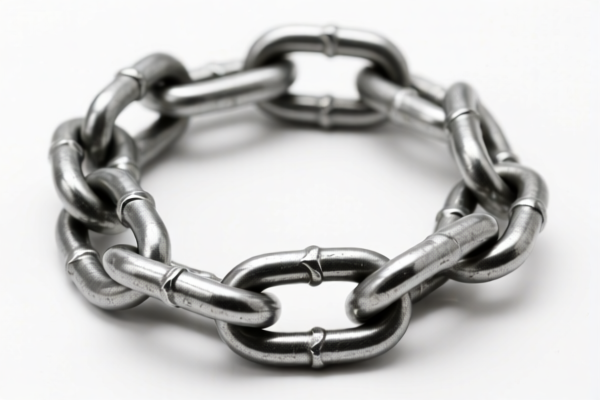
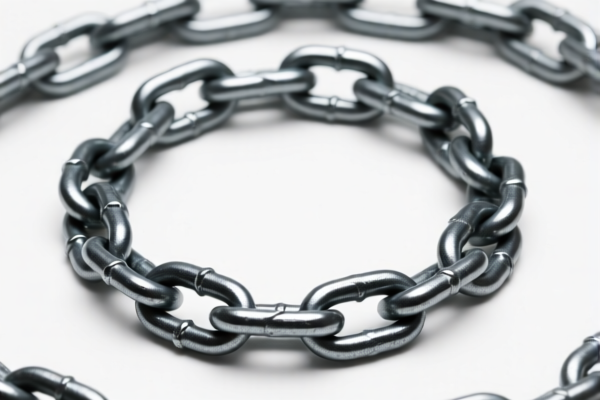
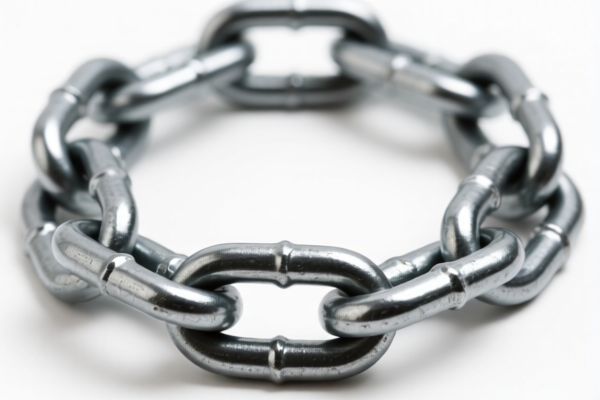
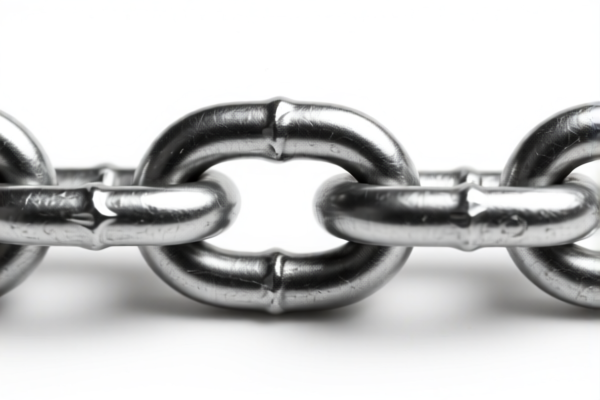
AI Analysis
⛓️ Chain (HS Code 7315.89.30.00) & Alternatives
🌐 HS Code Reference & Customs Clearance Guide | 2026 Latest Tariff Analysis | Professional Clearance Strategy
📌 I. Product Definition & Classification: Do You Really Understand "Chains"?
In international trade, "Chain" is a broad term that covers everything from bicycle drive trains to industrial lifting slings and decorative metal links. The correct HS Code classification depends heavily on material composition (Iron/Steel vs. Other Base Metals) and specific application.
According to the provided data, chains are primarily classified under two main chapters: 1. Chapter 73 (Articles of Iron or Steel): For chains made of iron or steel. 2. Chapter 83 (Miscellaneous Articles of Base Metal): For chains made of other base metals (e.g., brass, aluminum alloys not falling under steel/iron definitions).
⚠️ Key Distinction Point:
- If the chain is made of Iron or Steel → Look at HS Codes 7315.xx.xx.
- If the chain is made of Other Base Metals (non-steel/iron) → Look at HS Code 8301.xx.xx.
- Note: The material is the primary driver for the massive difference in tax rates (85% vs. 23.6%).
📦 II. HS Code Classification Details (Based on Provided Data)
The following table maps the specific HS Codes from your data to their summaries and tax implications.
| HS Code | Summary (From Data) | Material/Category | Total Tax Rate | Key Tax Components |
|---|---|---|---|---|
7315.89.30.00 |
Chain, conforms to iron chain classification, material is Iron/Steel | Iron / Steel | 85.0% | Base: 0% + 301 Tariff: 25% + Section 232 (Steel/Alu/Cu): 50% |
7315.89.50.00 |
Chain, belongs to iron chain sub-category, no material conflict | Iron / Steel | 88.9% | Base: 3.9% + 301 Tariff: 25% + Section 232 (Steel/Alu/Cu): 50% |
7315.12.00.20 |
Chain, directly matches item name under code, material is Iron or Steel | Iron / Steel | 85.0% | Base: 0% + 301 Tariff: 25% + Section 232 (Steel/Alu/Cu): 50% |
7315.12.00.40 |
Chain, conforms to Iron/Steel material and chain form classification | Iron / Steel | 85.0% | Base: 0% + 301 Tariff: 25% + Section 232 (Steel/Alu/Cu): 50% |
8301.10.60.20 |
Chain, form matches, material is Base Metal (Non-Iron/Steel) | Other Base Metal | 23.6% | Base: 6.1% + 301 Tariff: 7.5% + Section 232: Not Applicable |
🔍 Critical Insight:
- Iron/Steel Chains (7315 series) are hit with double penalties: The standard USITC 301 tariff (25%) AND the Section 232 tariff for steel/aluminum/copper products (50%).
- Other Base Metal Chains (8301 series) do not incur the 50% Section 232 tariff, resulting in a significantly lower total tax of 23.6%.
💰 III. 2026 Latest Tariff Rate Breakdown (Detailed Tax Clauses)
✅ Applicable Country: USA (US)
✅ Origin: China (CN)
✅ 生效时间: Current rates apply to imports from China.
🎯 1. 7315.89.30.00 / 7315.12.00.20 / 7315.12.00.40 — Iron/Steel Chains
Total Tax Rate: 85.0% (or 85.0%-88.9% depending on base rate)
| Item | Content |
|---|---|
| Base Tariff | 0.0% (for 7315.89.30 and 7315.12.20) or 3.9% (for 7315.89.50) |
| USITC Added Tariff (Section 301) | +25.0% |
| Section 232 Tariff (10% Steel/Alu/Cu Provision) | +50.0% (Note: Data states "122条款关税10%钢,铝铜制品加征关税: 50%". This implies the Section 232 measure adds 50% on top.) |
| Total Effective Rate | 85.0% (if base is 0%) or 88.9% (if base is 3.9%) |
| Tax Calculation | CIF Value × 85.0% |
| De Minimis Exemption | ❌ Not Available (deny_de_minimis) |
| Legal Path | USITC:7315.89.30.00 → FOOTNOTE:301 (25%) → SECTION232 (50%) |
📌 Explanation:
- Base Tariff: Often 0% for specific steel chains in Chapter 73.
- Section 301 (25%): Standard retaliatory tariff on Chinese goods.
- Section 232 (50%): The "Steel, Aluminum, and Copper Products" tariff. This is the killer. Because these are "Steel" products, they attract this massive additional levy.
- Result: Even if the base duty is free, the combined 75-79% of additional tariffs pushes the total to ~85%.
🎯 2. 8301.10.60.20 — Other Base Metal Chains
Total Tax Rate: 23.6%
| Item | Content |
|---|---|
| Base Tariff | 6.1% |
| USITC Added Tariff (Section 301) | +7.5% |
| Section 232 Tariff | 0% (Not applicable as it is not classified as Iron/Steel/Alu/Cu under Section 232 in this context) |
| Total Effective Rate | 23.6% |
| Tax Calculation | CIF Value × 23.6% |
| De Minimis Exemption | ❌ Not Available (Generally, Section 301 goods deny de minimis) |
| Legal Path | USITC:8301.10.60.20 → FOOTNOTE:301 (7.5%) |
📌 Explanation:
- If your chain is made of a different base metal (e.g., brass, bronze, or non-qualified aluminum alloys that don't trigger the 50% steel tariff), the tax burden is drastically lower.
- The Section 301 tariff is reduced to 7.5% for this specific subheading (as per provided data), and the 50% Section 232 tariff is avoided.
🛠️ IV. Customs Clearance Practical Advice (Battle-Proven Guide)
✅ 1. Preparation Checklist (Mandatory)
| Document | Must Provide | Description |
|---|---|---|
| ✅ Product Specification Sheet | ✔️ | Must clearly state Material Composition (e.g., "Carbon Steel," "Brass," "Stainless Steel"). This is the #1 determinant for HS Code. |
| ✅ Photos (Clear & Detailed) | ✔️ | Show the link structure, any plating, and end fittings (clasps, eyes). |
| ✅ Commercial Invoice | ✔️ | Description must match HS Code summary. E.g., "Steel Chain, 1/4 inch, Carbon Steel." |
| ✅ Certificate of Origin | ✔️ | To confirm China origin (triggering tariffs) or other origin (if eligible). |
| ✅ Material Test Report | ✔️ | Crucial for 8301 vs 7315 decision. A lab test confirming the alloy composition can justify using the lower-tax 8301 code if it's not standard steel. |
✅ 2. Classification Strategy (Key Mantra)
🔥 "Material is King! Steel pays 85%, Other Metals pay 23.6%!"
| Scenario | Correct HS Code | Risk if Wrong |
|---|---|---|
| Standard Carbon Steel Chain | 7315.89.30.00 or 7315.12.00.20 |
N/A (Correct) |
| Stainless Steel Chain | 7315.89.30.00 (likely) |
Stainless is still "Steel," so 85% tax applies. |
| Brass/Brass-Coated Chain | 8301.10.60.20 |
Huge Savings! Avoids 50% Section 232 tax. |
| Plated Iron Chain | 7315.89.30.00 |
Plating does not change the base material (Iron/Steel), so 85% tax applies. |
| Aluminum Chain | Check Data | Data mentions "Steel, Alu, Cu" for 50% tax. If it's aluminum, it might still be 85%. Verify alloy. |
✅ 3. Special Handling Tips
| Situation | Advice |
|---|---|
| OEM Custom Chains | Ensure the supplier declares the exact alloy. If it's a "stainless steel," it falls under Chapter 73. |
| Mixed Material Packaging | Do not split the shipment into "Steel Chains" and "Brass Pins" to reduce tax. Customs may lump them together or penalize for misdeclaration. |
| Section 232 Exclusions | Check if your specific steel product code has an Exclusion Number. If you have a valid Section 232 exclusion, the 50% tariff may be waived, dropping the total to ~25-30%. This is the only way to significantly reduce the 85% burden. |
| Origin Diversification | If possible, source chains from countries not subject to Section 301/232 (e.g., Vietnam, Thailand, Mexico) to avoid the 25%+50% penalties. |
🌍 V. Global Market Comparison (2026 Update)
| Market | Recommended HS Code | Est. Total Tax (China Origin) | Notes |
|---|---|---|---|
| 🇺🇸 USA | 7315.89.30.00 |
85.0% | High due to Section 301 + 232. |
| 🇺🇸 USA | 8301.10.60.20 |
23.6% | Only if material is NOT Iron/Steel. |
| 🇨🇳 China | 7315.89.30.00 |
~5-10% (Import Duty) | No Section 301/232. Lower than US. |
| 🇪🇺 EU | 7315.10.00 |
~4-6% + VAT | No Section 232 equivalent. Competitive. |
| 🇨🇦 Canada | 7315.89.00 |
~15-20% | Has CUSMA advantages if non-originating? |
📌 Conclusion:
- The US market is extremely hostile to Chinese steel chains due to the 85% effective tariff.
- Cost Saving Strategy: Investigate if your product can be classified under 8301 (non-steel base metal) or apply for a Section 232 Exclusion.
📌 VI. Common Errors & Pitfalls (Lessons Learned)
❌ Error 1: Declaring "Steel Chain" as "Metal Hardware" to avoid Section 232
👉 Consequence: Customs audit, penalties, and forced payment of 85% + fines.
❌ Error 2: Assuming "Stainless Steel" is different from "Carbon Steel" for Tariffs
👉 Consequence: Both are "Steel" under Section 232. Both incur the 50% surcharge.
❌ Error 3: Ignoring the "Base Tariff" difference between 7315.89.30 and 7315.89.50
👉 Consequence: 7315.89.50 has a 3.9% base tax, making it 88.9% total vs 85.0% for 7315.89.30. Always pick the lowest base if functional use is identical.
❌ Error 4: Using De Minimis (Section 321) for B2B Shipments
👉 Consequence: Section 301 and 232 goods are explicitly excluded from de minimis thresholds. You will be audited.
✅ Correct Action:
"Carbon Steel Link Chain, 10mm diameter, 100 meters per roll, HS 7315.89.30.00."
Check for Section 232 Exclusion Eligibility immediately.
🎯 VII. Conclusion: Professional Clearance, Cost Control!
🎯 Remember the Mantra:
🔹 "Steel is 85%, Other Metal is 23.6%!"
🔹 "Section 232 is the Trap: 50% Extra Tax on Steel!"
🔹 "Get an Exclusion or Change Material to Save Dollars!"
📌 Pro Tip:
If your company imports significant volumes of steel chains:
1. Apply for Section 232 Exclusions via the USTR website before shipping.
2. Consider Material Substitution: Can you use a brass or composite material that falls under HS 8301?
3. Supplier Negotiation: Ask suppliers if they have alternative origin certifications (e.g., made in Vietnam) to bypass Chinese tariffs.
📣 Immediate Action:
📞 Contact your customs broker NOW with the product spec sheet.
🔍 Request a Pre-Ruling if volume is high.
🚀 Clear your steel chains efficiently, or your profits will be eaten by tariffs!
✨ Professional clearance starts with accurate classification!
💼 Every percentage point saved is pure profit!
Customer Reviews
About HS Code Classification
The Harmonized System (HS) is an internationally standardized nomenclature developed by the World Customs Organization (WCO) to classify traded products. Over 200 countries use the HS system as the basis for customs tariffs, trade statistics, and import/export regulations.
Each HS code follows a hierarchical structure:
- Chapter (2 digits) — Broad category of goods (e.g., Chapter 84: Machinery and Mechanical Appliances)
- Heading (4 digits) — More specific grouping within the chapter
- Subheading (6 digits) — Internationally standardized breakdown, used by all WCO member countries
- National subdivisions (8-10 digits) — Country-specific extensions for further classification, such as US HTSUS 10-digit codes
Correct HS code classification is essential for smooth customs clearance, accurate duty payment, and compliance with trade regulations. Misclassification can lead to customs delays, overpayment of duties, or penalties.
When importing from CN to US, the applicable tariff rates may include:
- Most-Favored-Nation (MFN) rate — The standard duty rate applied to WTO members
- General rate — Applied to countries without trade agreements
- Trade remedy duties — Additional tariffs such as Section 301 (anti-dumping), Section 232 (national security), or countervailing duties
The information provided on this page is for reference purposes only. For official classification, please consult with your local customs authority or a licensed customs broker.