Chair Foot Non Slip Cover
CN → US| HS Code | Tariff Rate | Origin | Destination | Doc |
|---|---|---|---|---|
| 7326200090 | 88.9% | CN | US | Official Doc |
| 4016990500 | 20.9% | CN | US | Official Doc |
| 4016910000 | 37.7% | CN | US | Official Doc |
| 3926902500 | 24.0% | CN | US | Official Doc |
| 3926305000 | 22.8% | CN | US | Official Doc |
Product Images
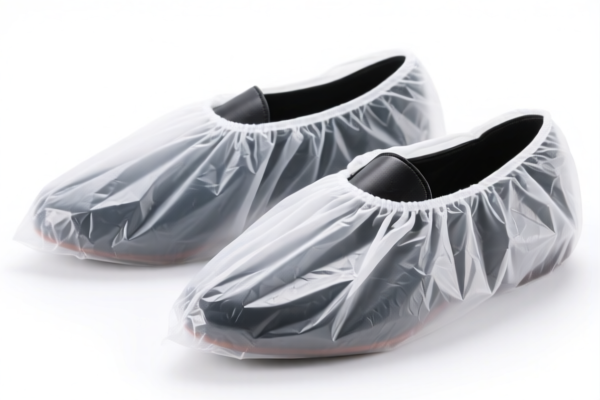
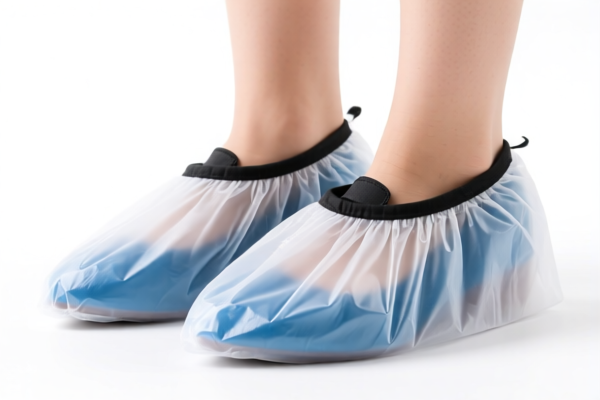
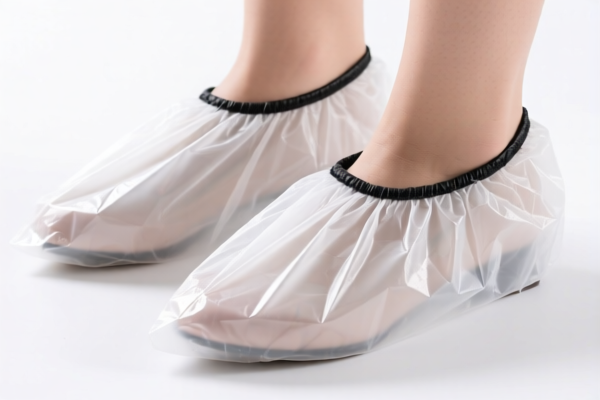
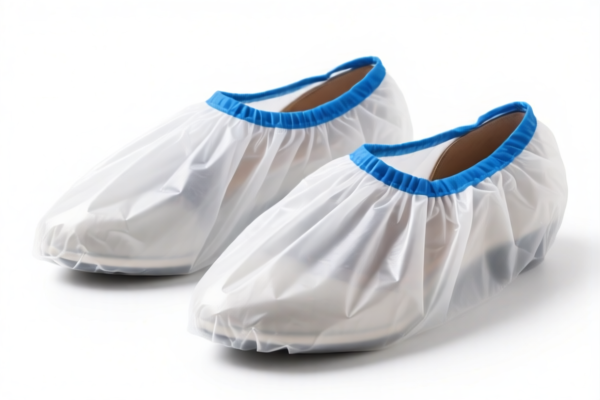
AI Analysis
🛡️ Chair Foot Non-Slip Cover (Furniture Protective Parts)
🌐 HS Code Reference & Customs Clearance Guide | 2026 Latest Tariff Analysis | Professional Clearance Strategy
📌 I. Product Definition & Classification: What Exactly Are "Chair Foot Covers"?
Chair foot non-slip covers are essential accessories designed to protect floors from scratches, reduce noise, and prevent chairs from sliding. In international trade, their classification depends heavily on the material composition and specific function. They are generally categorized into metal, rubber, and plastic types, each with distinct tariff implications under US trade laws (including Section 301 and IEEPA tariffs).
⚠️ Key Distinction Points:
- Metal (Steel/Iron): If made primarily of steel/iron and used as protective caps, they fall under Chapter 73.
- Rubber: If made of vulcanized rubber and used for anti-slip/protection, they fall under Chapter 40.
- Plastic: If made of plastic and used for general furniture accessories, they fall under Chapter 39.
- Misclassification Risk: Declaring rubber items as plastic to avoid higher tariffs is a major compliance risk and can lead to seizures.
📦 II. HS Code Classification Details (2026 Latest Tariff Authority Cross-Reference)
| HS Code | Product Description | Application Scenario | Material |
|---|---|---|---|
7326.20.00.90 |
Iron/Steel articles, protective parts for furniture accessories | Metal caps, steel chair feet | ✅ Steel/Iron |
4016.99.05.00 |
Vulcanized rubber articles, other household items, shape: protective sleeves | Rubber anti-slip socks, rubber caps | ✅ Rubber |
4016.91.00.00 |
Vulcanized rubber articles, mats/protection, for furniture parts | Rubber pads, heavy-duty floor protectors | ✅ Rubber |
3926.90.25.00 |
Plastic articles, other plastic articles not specified elsewhere, furniture accessories | General plastic chair feet, decorative caps | ✅ Plastic |
3926.30.50.00 |
Plastic articles, furniture connectors, other, shape: connection/protection type accessories | Plastic glides, screw-in chair feet | ✅ Plastic |
🔍 Key Reminder:
- Steel/Iron items face the highest additional tariffs due to Section 232 (Steel/Aluminum) and Section 301 measures.
- Rubber items are often used as "anti-slip" solutions; ensure the description matches the material to avoid customs disputes.
- Plastic items are the most common but must be clearly distinguished from rubber based on chemical composition.
💰 III. 2026 Latest Tariff Rate Breakdown (Including Additional Taxes & Policy Add-ons)
✅ Applicable Country: United States (US)
✅ Country of Origin: China (CN)
✅ Effective Time: 2025–2026 (Current ongoing trade policies)
🎯 1. 7326.20.00.90 —— Steel/Iron Protective Parts for Furniture
| Item | Content |
|---|---|
| Base Duty Rate | 3.9% (Ad Valorem) |
| Additional Duty (Section 301) | +25.0% |
| Section 232 Tariff (Steel/Aluminum) | +10.0% |
| IEEPA Additional Tariff | +50.0% (Aluminum/Steel/Copper specific clause) |
| Total Effective Rate | 88.9% |
| Tax Calculation | CIF Value × 88.9% |
| De Minimis Exemption Available? | ❌ No (High value, restricted origin) |
| Legal Basis Path | Section 301: Footnote 9903.88.01 → Section 232: Steel/Aluminum Add-on → IEEPA: 50% Clause → HS: 7326.20.00.90 |
📌 Explanation:
- This is the most expensive category due to the combination of Section 301 (25%) and Section 232 (10% steel/aluminum surcharge) plus the IEEPA 50% levy on certain steel/aluminum products.
- Total 88.9% is a significant cost burden. Importers must consider cost absorption or origin diversification.
🎯 2. 4016.99.05.00 —— Vulcanized Rubber Articles (Other Household/Protective)
| Item | Content |
|---|---|
| Base Duty Rate | 3.4% (Ad Valorem) |
| Additional Duty (Section 301) | +7.5% |
| IEEPA Additional Tariff | +10.0% |
| Total Effective Rate | 20.9% |
| Tax Calculation | CIF Value × 20.9% |
| De Minimis Exemption Available? | ❌ No (Section 301 applies) |
| Legal Basis Path | IEEPA:9903.01.10 → Section 301: Footnote 9903.88.01 → HS: 4016.99.05.00 |
📌 Note:
- Rubber covers are more cost-effective than steel.
- The 7.5% Section 301 tariff applies, plus a 10% IEEPA levy.
- Ensure the product is clearly described as "Vulcanized Rubber" to avoid misclassification into plastic (which might have different rates) or metal.
🎯 3. 4016.91.00.00 —— Vulcanized Rubber Mats/Protective Pads
| Item | Content |
|---|---|
| Base Duty Rate | 2.7% (Ad Valorem) |
| Additional Duty (Section 301) | +25.0% |
| IEEPA Additional Tariff | +10.0% |
| Total Effective Rate | 37.7% |
| Tax Calculation | CIF Value × 37.7% |
| De Minimis Exemption Available? | ❌ No |
| Legal Basis Path | IEEPA:9903.01.10 → Section 301: Footnote 9903.88.01 → HS: 4016.91.00.00 |
📌 Attention:
- If the product is a "mat" or "pad" (larger surface area, e.g., under chair wheels), it may fall here.
- The 25% Section 301 tariff is higher than the 7.5% for "other rubber articles." Proper classification is critical to save 16.8% in tariffs.
- Definition Check: Is it a "sock" covering the foot (4016.99.05.00) or a "pad" underneath (4016.91.00.00)?
🎯 4. 3926.90.25.00 —— Plastic Articles, Furniture Accessories
| Item | Content |
|---|---|
| Base Duty Rate | 6.5% (Ad Valorem) |
| Additional Duty (Section 301) | +7.5% |
| IEEPA Additional Tariff | +10.0% |
| Total Effective Rate | 24.0% |
| Tax Calculation | CIF Value × 24.0% |
| De Minimis Exemption Available? | ❌ No |
| Legal Basis Path | IEEPA:9903.01.10 → Section 301: Footnote 9903.88.01 → HS: 3926.90.25.00 |
📌 Explanation:
- Plastic is a common material for chair feet.
- The 7.5% Section 301 rate applies.
- If the plastic item is considered a "connector" (screw-in type), it might fall under3926.30.50.00(see below).
🎯 5. 3926.30.50.00 —— Plastic Articles, Furniture Connectors
| Item | Content |
|---|---|
| Base Duty Rate | 5.3% (Ad Valorem) |
| Additional Duty (Section 301) | +7.5% |
| IEEPA Additional Tariff | +10.0% |
| Total Effective Rate | 22.8% |
| Tax Calculation | CIF Value × 22.8% |
| De Minimis Exemption Available? | ❌ No |
| Legal Basis Path | IEEPA:9903.01.10 → Section 301: Footnote 9903.88.01 → HS: 3926.30.50.00 |
📌 Attention:
- This HS Code is for "connectors" or "connection/protection type accessories."
- If your chair foot cover has a screw, bolt, or is designed to attach to a specific furniture part, this code may apply.
- It offers a slight tariff advantage (22.8% vs. 24.0%) over general plastic articles.
🛠️ IV. Customs Clearance Practical Advice (Real-World Pitfall Avoidance Guide)
✅ 1. Required Documentation Checklist (Non-Negotiable)
| Document | Required | Description |
|---|---|---|
| ✅ Product Spec Sheet | ✔️ | Material composition (e.g., "90% Vulcanized Rubber"), dimensions, weight |
| ✅ Product Photos (Labeled) | ✔️ | Clear image showing shape (cap vs. pad vs. connector) |
| ✅ Commercial Invoice | ✔️ | Must explicitly state material (e.g., "Plastic Chair Foot Glides") |
| ✅ Packing List | ✔️ | Item count, gross/net weight |
| ✅ Certificate of Origin | ✔️ | If claiming preferential treatment under USMCA or other FTAs |
| ✅ Third-Party Lab Report | ✔️ | Material test report to prove rubber vs. plastic vs. metal |
✅ 2. Declaration Tips (Key Mantras)
🔥 "Material First, Function Second, Name Precise, Tariff Predictable!"
| Scenario | Correct Declaration Method | Wrong Practice |
|---|---|---|
| Metal Chair Caps | 7326.20.00.90 |
Misdeclaring as plastic → Seizure/Fine |
| Rubber Anti-Slip Socks | 4016.99.05.00 |
Misdeclaring as 4016.91.00.00 (Pad) → Higher Tax |
| Plastic Screw-In Glides | 3926.30.50.00 |
Misdeclaring as 3926.90.25.00 → Overpayment |
| Mixed Materials (Rubber Tip + Metal Pin) | Depends on Essential Character | Declaring as one material when it's composite → Reclassification Risk |
✅ 3. Special Case Handling
| Scenario | Handling Advice |
|---|---|
| Composite Materials (e.g., Plastic Shell + Rubber Grip) | Classify based on "Essential Character." If rubber provides the non-slip function, it may lean toward Chapter 40. Provide material breakdown. |
| OEM Custom Shapes | Provide design drawings to customs broker to prove intended use (e.g., "connector" vs. "general accessory"). |
| Small Quantity / De Minimis | ❌ No Benefit: All these HS Codes are subject to Section 301 and IEEPA tariffs. Do not rely on $800 de minimis exemption for China-origin goods. |
| Origin Shift (e.g., Vietnam) | If manufactured in Vietnam, check if IEEPA/Section 301 applies. Some Chinese components may still trigger tariffs. |
🌍 V. Global Market Customs Comparison (2026 Latest)
| Country/Region | Recommended HS Code | Tariff (China Origin) | Certification Required | Notes |
|---|---|---|---|---|
| 🇺🇸 USA | Varies by Material | 20.9% – 88.9% | No specific cert, but material proof needed | High tariff burden |
| 🇪🇺 EU | 3926.90 / 4016.99 |
0% – 4.5% | CE (if applicable), REACH | Lower tariffs, but strict REACH chemical compliance |
| 🇨🇳 China | Same HS Codes | 5% – 10% | N/A | Low import tax, but export from China doesn't change US import duty |
| 🇬🇧 UK | Same HS Codes | 0% – 5% | UKCA | Post-Brexit rules, generally favorable |
📌 Conclusion:
- The US is the most challenging market for these items due to layered tariffs.
- Steel (7326.20.00.90) is the most expensive (88.9%).
- Rubber (4016.99.05.00) and Plastic (3926.30.50.00) are more viable (~21-24%).
📌 VI. Common Errors & Pitfall Guide (Lessons Learned)
❌ Error 1: Declaring "Chair Foot Cover" without specifying material
👉 Consequence: Customs may assign the highest general rate or require manual classification → Delay + Fees
❌ Error 2: Mixing Steel and Plastic in one shipment but declaring all as Plastic
👉 Consequence: Audit failure, back taxes + penalties → Seizure of Goods
❌ Error 3: Assuming "De Minimis" ($800) exemption applies
👉 Consequence: Invalid for China-origin goods under Section 301/IEEPA. Full duties apply.
❌ Error 4: Confusing "Protective Pad" (4016.91.00.00) with "Protective Sleeve" (4016.99.05.00)
👉 Consequence: Wrong tariff rate. Pads are taxed higher (25% Section 301) than sleeves (7.5% Section 301).
✅ Correct Practice:
"Vulcanized Rubber Chair Foot Caps, Anti-Slip, 1.5 Inch Diameter, Black, 100 Pieces per Box"
OR
"Plastic Screw-In Chair Glides, Decorative Cap, 0.5 Inch, Clear, 200 Pieces per Box"
🎯 VII. Conclusion: Professional Declaration, Cost Control, Smooth Clearance!
🎯 Remember the Mantra:
🔹 "Metal is 89%, Rubber is 21%, Plastic is 24%. Don't guess, classify!"
🔹 "Section 301 and IEEPA are real. No de minimis for China."
🔹 "Material proof is your best friend in US Customs."
📌 Pro Tip:
If your chair foot covers are manufactured in Vietnam, Malaysia, or Thailand, check if they qualify for IEEPA exemptions. Tariffs could drop to 0%–10%.
Consider applying for an Advance Ruling (CBP Ruling) to lock in the HS Code and duty rate before shipping large volumes.
📣 Immediate Action:
📞 Consult a licensed US Customs Broker + Provide Material Test Reports + Apply for HS Code Pre-Ruling
🚀 Ensure your Chair Foot Covers clear US Customs efficiently, legally, and cost-effectively!
✨ Professional Classification Starts with Accuracy!
💼 Every percentage point of duty saved is pure profit!
Customer Reviews
About HS Code Classification
The Harmonized System (HS) is an internationally standardized nomenclature developed by the World Customs Organization (WCO) to classify traded products. Over 200 countries use the HS system as the basis for customs tariffs, trade statistics, and import/export regulations.
Each HS code follows a hierarchical structure:
- Chapter (2 digits) — Broad category of goods (e.g., Chapter 84: Machinery and Mechanical Appliances)
- Heading (4 digits) — More specific grouping within the chapter
- Subheading (6 digits) — Internationally standardized breakdown, used by all WCO member countries
- National subdivisions (8-10 digits) — Country-specific extensions for further classification, such as US HTSUS 10-digit codes
Correct HS code classification is essential for smooth customs clearance, accurate duty payment, and compliance with trade regulations. Misclassification can lead to customs delays, overpayment of duties, or penalties.
When importing from CN to US, the applicable tariff rates may include:
- Most-Favored-Nation (MFN) rate — The standard duty rate applied to WTO members
- General rate — Applied to countries without trade agreements
- Trade remedy duties — Additional tariffs such as Section 301 (anti-dumping), Section 232 (national security), or countervailing duties
The information provided on this page is for reference purposes only. For official classification, please consult with your local customs authority or a licensed customs broker.