Chair Leg Caps
CN → US| HS Code | Tariff Rate | Origin | Destination | Doc |
|---|---|---|---|---|
| 7326200090 | 88.9% | CN | US | Official Doc |
| 4016990500 | 20.9% | CN | US | Official Doc |
| 4016910000 | 37.7% | CN | US | Official Doc |
| 3926902500 | 24.0% | CN | US | Official Doc |
| 3926305000 | 22.8% | CN | US | Official Doc |
Product Images
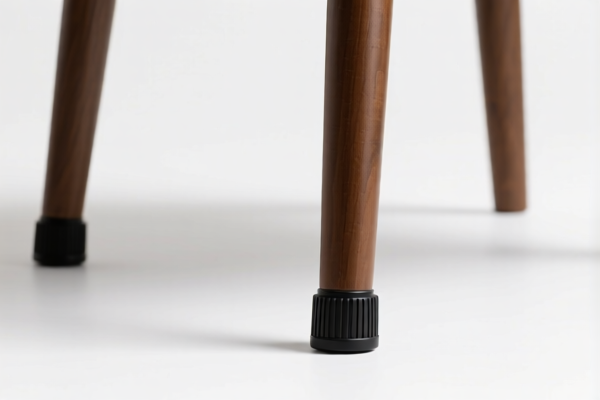
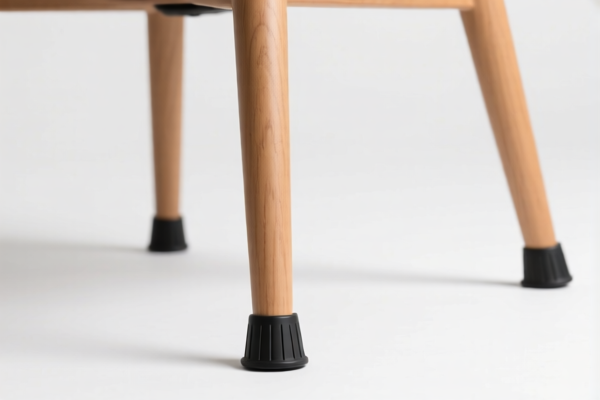
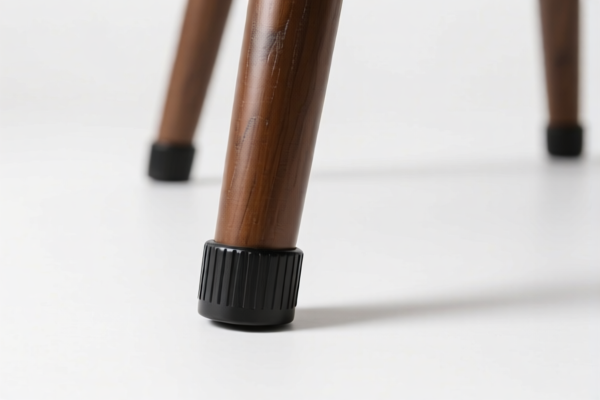
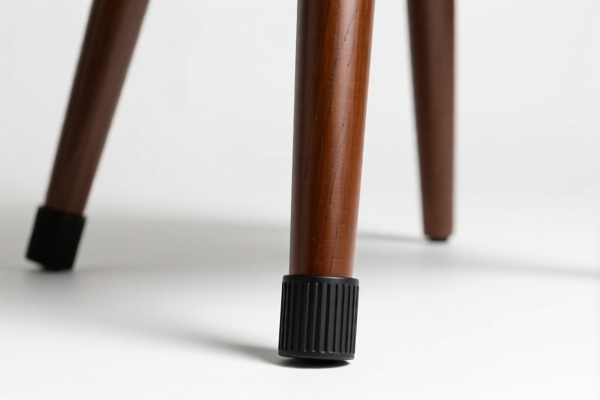
AI Analysis
🏠 Chair Leg Caps (Furniture Protection & Hardware)
🌐 HS Code Reference & Customs Clearance Guide | 2026 Latest Tariff Analysis | Professional Duty Optimization Strategy
📌 I. Product Definition & Classification: Do You Really Know "Chair Leg Caps"?
Chair Leg Caps are small components installed on the feet of furniture (chairs, tables, stools) to protect floors from scratches and reduce noise. In international trade, their classification depends entirely on the material composition and functionality. They are generally categorized into:
- Protective/Cushioning Caps: Made of rubber, plastic, or felt, designed to absorb impact and protect flooring.
- Structural/Hardware Caps: Made of metal (iron/steel) or rigid plastic, serving as decorative covers or structural connectors.
⚠️ Key Distinction Point:
- If the product is a soft, elastic item (rubber/plastic) primarily for protection/cushioning → Falls under Chapter 39 (Plastics) or Chapter 40 (Rubber).
- If the product is a rigid metal part serving as a furniture accessory/connector → Falls under Chapter 73 (Iron/Steel).
📦 II. HS Code Classification Details (2026 Latest Tariff Authority Comparison)
Based on the provided data, here are the precise classifications for Chair Leg Caps depending on material and function:
| HS Code | Product Description | Application Scenario | Material/Function |
|---|---|---|---|
7326.20.00.90 |
Articles of iron or steel, other (as furniture parts, protective) | Metal caps, steel sleeves for chair legs, structural connectors | ✅ Iron/Steel |
4016.99.05.00 |
Other articles of vulcanized rubber other than hard rubber | Soft rubber caps, silicone boots, protective sleeves | ✅ Vulcanized Rubber |
4016.91.00.00 |
Other rubber goods, including mats & dirt scrapers | Rubber pads, protective mats for furniture legs | ✅ Rubber (Mats/Pads) |
3926.90.25.00 |
Other articles of plastics, other | Rigid plastic caps, decorative plastic covers | ✅ Plastic (General) |
3926.30.50.00 |
Other articles of plastics, for furniture | Plastic furniture connectors, protective plastic fittings | ✅ Plastic (Furniture Specific) |
🔍 Critical Note:
- Rubber vs. Plastic: If the cap is flexible and made of rubber, it likely falls under 4016. If it's rigid plastic, it falls under 3926.
- Metal vs. Non-Metal: If the cap is made of metal, it strictly falls under 7326.
- Function Matters: "Protective" vs. "Connector" can shift codes within the same material chapter (e.g., 3926.90.25 vs. 3926.30.50).
💰 III. 2026 Latest Tariff Rate Breakdown (Including Surcharges & Policy Add-ons)
✅ Applicable Country: United States (US)
✅ Origin: China (CN)
✅ Effective Time: Current rates apply (includes Section 301, Section 232, and IEEPA surcharges)
🎯 1. 7326.20.00.90 —— Iron/Steel Articles (Metal Chair Caps)
| Item | Content |
|---|---|
| Base Tariff | 3.9% |
| Section 301 Surcharge | +25.0% |
| Section 232 Surcharge (Steel/Aluminum) | +50.0% |
| Total Effective Rate | 88.9% |
| Tax Calculation | CIF Value × 88.9% |
| De Minimis Eligibility | ❌ None |
| Legal Path | USITC:7326.20.00.90 → SECTION301:Footnote9903.88.01 → SECTION232:SteelArticle |
📌 Explanation:
- Metal furniture parts are hit with triple taxes: Base (3.9%) + Section 301 (25%) + Section 232 Steel Tariff (50%).
- Total burden: ~89%. This is extremely high. Importers must carefully verify if the item is truly "steel" or if a lower-tax material (plastic/rubber) is feasible.
🎯 2. 4016.99.05.00 —— Other Vulcanized Rubber Articles
| Item | Content |
|---|---|
| Base Tariff | 3.4% |
| Section 301 Surcharge | +7.5% |
| Section 122 Surcharge | +10.0% |
| Total Effective Rate | 20.9% |
| Tax Calculation | CIF Value × 20.9% |
| De Minimis Eligibility | ❌ None |
| Legal Path | USITC:4016.99.05.00 → SECTION301:Footnote9903.01.24 → SECTION122:ChinaSpecific |
📌 Explanation:
- Rubber caps are significantly cheaper to import than metal ones.
- The rate is a combination of Base (3.4%) + Section 301 (7.5%) + Section 122 (10%).
- Total burden: ~21%. This is a cost-effective alternative for protective caps.
🎯 3. 4016.91.00.00 —— Rubber Mats & Protective Pads
| Item | Content |
|---|---|
| Base Tariff | 2.7% |
| Section 301 Surcharge | +25.0% |
| Section 122 Surcharge | +10.0% |
| Total Effective Rate | 37.7% |
| Tax Calculation | CIF Value × 37.7% |
| De Minimis Eligibility | ❌ None |
| Legal Path | USITC:4016.91.00.00 → SECTION301:Footnote9903.88.01 → SECTION122 |
📌 Explanation:
- If the chair cap is classified as a "mat" or "pad" (e.g., large rubber feet), the Section 301 tariff jumps to 25% (similar to steel).
- Total burden: ~38%. Higher than simple rubber caps (20.9%), so ensure the description matches4016.99.05.00if possible.
🎯 4. 3926.90.25.00 —— Other Plastic Articles (Non-Specific)
| Item | Content |
|---|---|
| Base Tariff | 6.5% |
| Section 301 Surcharge | +7.5% |
| Section 122 Surcharge | +10.0% |
| Total Effective Rate | 24.0% |
| Tax Calculation | CIF Value × 24.0% |
| De Minimis Eligibility | ❌ None |
| Legal Path | USITC:3926.90.25.00 → SECTION301:Footnote9903.01.24 → SECTION122 |
📌 Explanation:
- General plastic caps fall here.
- Total burden: ~24%. Competitive with rubber caps.
🎯 5. 3926.30.50.00 —— Plastic Articles for Furniture (Connectors/Protective)
| Item | Content |
|---|---|
| Base Tariff | 5.3% |
| Section 301 Surcharge | +7.5% |
| Section 122 Surcharge | +10.0% |
| Total Effective Rate | 22.8% |
| Tax Calculation | CIF Value × 22.8% |
| De Minimis Eligibility | ❌ None |
| Legal Path | USITC:3926.30.50.00 → SECTION301:Footnote9903.01.24 → SECTION122 |
📌 Explanation:
- This is the most optimal classification for plastic chair leg caps, as it specifies "Furniture" use.
- Total burden: ~23%. Slightly lower than general plastics.
🛠️ IV. Customs Clearance Practical Advice (Battle-Tested Pitfall Guide)
✅ 1. Preparation Checklist (Non-Negotiable)
| Document | Required | Explanation |
|---|---|---|
| ✅ Product Photos | ✔️ | Clear shots of material texture (rubber vs. plastic vs. metal). |
| ✅ Material Composition | ✔️ | Must specify: "100% Silicone," "Nitrile Rubber," or "PP Plastic." |
| ✅ Function Description | ✔️ | "Floor protection," "Noise reduction," or "Decorative cap." |
| ✅ Commercial Invoice | ✔️ | Do NOT write "Chair Parts" generally. Use specific HS Code descriptions. |
| ✅ Packing List | ✔️ | Include weight and dimensions per unit. |
✅ 2. Declaration Tips (Key Mantras)
🔥 “Material First, Function Second, Avoid Metal, Choose Rubber/Plastic!”
| Scenario | Correct Declaration | Wrong Practice |
|---|---|---|
| Rubber Caps | "Vulcanized Rubber Chair Leg Caps, Floor Protection" | "Plastic Caps" → Risk of reclassification & penalty |
| Plastic Caps | "PP Plastic Furniture Leg Protectors" | "Iron Caps" → Triggers 88.9% tax! |
| Metal Caps | "Steel Furniture Fittings" | Hidden in plastic box → Smuggling risk |
| Mixed Packages | Separate by HS Code | Mixed LCL → Each item taxed at highest rate |
✅ 3. Special Handling
| Situation | Recommendation |
|---|---|
| Silicone Caps | Classify under 4016.99.05.00 (20.9%) if vulcanized. |
| Hard Plastic | Use 3926.30.50.00 (22.8%) for furniture-specific. |
| Metal Caps | Avoid if possible. If unavoidable, budget for 88.9% duty. |
| EVA/Foam Caps | Check if they fall under 3926.90.25.00 (24.0%). |
🌍 V. Global Market Clearance Comparison (2026 Latest)
| Country/Region | Recommended HS Code | Tariff Rate (China Origin) | Certification Req. | Notes |
|---|---|---|---|---|
| 🇺🇸 USA | 4016.99.05.00 |
20.9% (Rubber) | None | 88.9% for Metal (7326) |
| 🇨🇳 China | 4016.99.05.00 |
3.4% | None | No surcharges |
| 🇪🇺 EU | 4016.99.05.00 |
3.5% | REACH | No Section 301 |
| 🇦🇺 Australia | 4016.99.05.00 |
5.0% | None | Low duty |
| 🇯🇵 Japan | 4016.99.05.00 |
3.0% | None | Very low duty |
📌 Conclusion:
- USA is the most expensive market due to Section 301/232 surcharges.
- Rubber (4016) and Plastic (3926) are far cheaper than Metal (7326) in the US.
- Optimization Strategy: Switch from metal to rubber/plastic caps where possible to save ~65% in duty.
📌 VI. Common Errors & Pitfall Guide (Lessons Learned)
❌ Error 1: Declaring "Chair Leg Caps" as generic "Furniture Parts"
👉 Consequence: Customs may assign 7326 (88.9%) or 9403 (25%) arbitrarily.
👉 Fix: Specify material explicitly.
❌ Error 2: Using "Plastic" for Rubber Caps
👉 Consequence: Audit failure, penalty for false declaration.
👉 Fix: Use "Vulcanized Rubber" for rubber items.
❌ Error 3: Ignoring Section 122 Surcharges
👉 Consequence: Underpayment of 10% on many rubber/plastic items.
👉 Fix: Always add 10% IEEPA surcharge for Chinese-origin goods.
❌ Error 4: Assuming De Minimis ($800) Applies
👉 Consequence: Section 301/122 goods are excluded from de minimis.
👉 Fix: Budget for full duty even for small shipments.
✅ Correct Declaration Example:
"Chair Leg Caps, 100% Nitrile Rubber, Round Shape, Floor Protection, No Metal Content, Model RL-100"
🎯 VII. Conclusion: Professional Declaration, Save Cost, Ensure Compliance!
🎯 Remember the Mantra:
🔹 "Metal 89%, Rubber 21%, Plastic 23% - Choose Right to Win!"
🔹 "HS Code Determines Cost, Material Defines Code, Avoid Metal if Possible!"
📌 Pro Tip:
If your chair leg caps are made of recycled rubber or specialized silicone, consult a customs broker for potential Section 301 Exclusions.
Recommend Advance Ruling for high-volume imports to lock in favorable classification.
📣 Immediate Action:
📞 Contact a licensed customs broker + Provide Material Specs + Apply for Classification Ruling
🚀 Let your Chair Leg Caps clear smoothly, minimize duty, and maximize profit!
✨ Professional clearance starts with precise classification!
💼 Every cent of duty saved is pure profit!
Customer Reviews
About HS Code Classification
The Harmonized System (HS) is an internationally standardized nomenclature developed by the World Customs Organization (WCO) to classify traded products. Over 200 countries use the HS system as the basis for customs tariffs, trade statistics, and import/export regulations.
Each HS code follows a hierarchical structure:
- Chapter (2 digits) — Broad category of goods (e.g., Chapter 84: Machinery and Mechanical Appliances)
- Heading (4 digits) — More specific grouping within the chapter
- Subheading (6 digits) — Internationally standardized breakdown, used by all WCO member countries
- National subdivisions (8-10 digits) — Country-specific extensions for further classification, such as US HTSUS 10-digit codes
Correct HS code classification is essential for smooth customs clearance, accurate duty payment, and compliance with trade regulations. Misclassification can lead to customs delays, overpayment of duties, or penalties.
When importing from CN to US, the applicable tariff rates may include:
- Most-Favored-Nation (MFN) rate — The standard duty rate applied to WTO members
- General rate — Applied to countries without trade agreements
- Trade remedy duties — Additional tariffs such as Section 301 (anti-dumping), Section 232 (national security), or countervailing duties
The information provided on this page is for reference purposes only. For official classification, please consult with your local customs authority or a licensed customs broker.