Charcoal Bamboo Charcoal
CN → US| HS Code | Tariff Rate | Origin | Destination | Doc |
|---|---|---|---|---|
| 4402900100 | 35.0% | CN | US | Official Doc |
| 4402100000 | 35.0% | CN | US | Official Doc |
| 3926909989 | 22.8% | CN | US | Official Doc |
| 3801105090 | 35.0% | CN | US | Official Doc |
Product Images
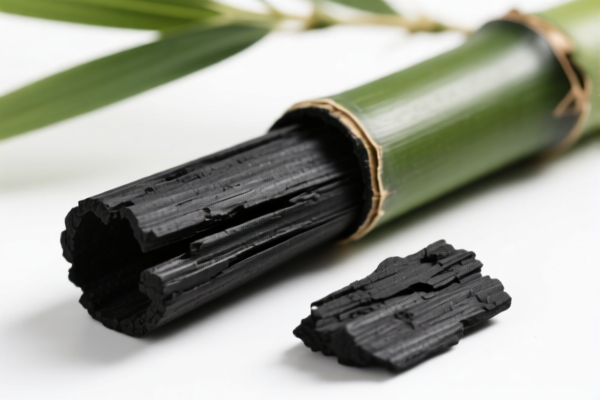
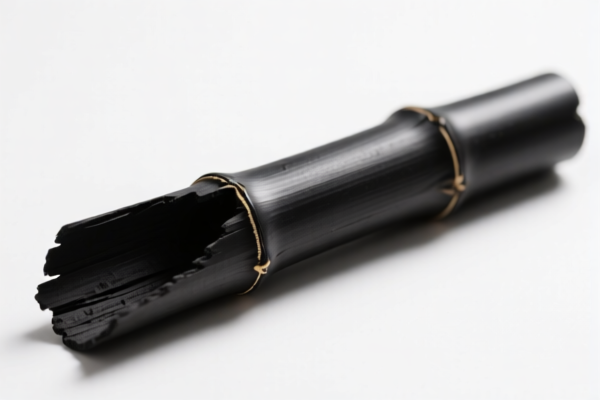
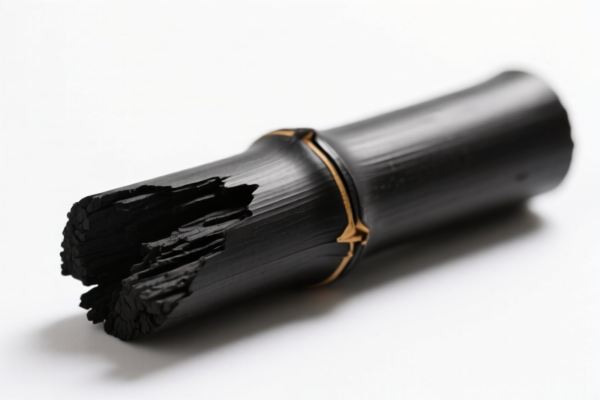
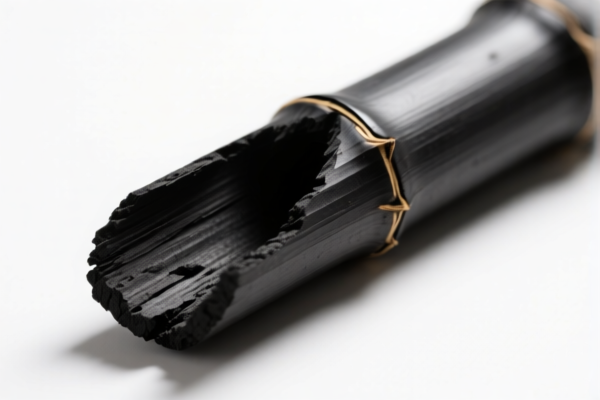
AI Analysis
🎋 Bamboo Charcoal (Hútan)
🌐 HS Code Reference & Customs Clearance Guide | 2026 Latest Tariff Analysis | Professional通关Strategy
📌 I. Product Definition & Classification: Do You Really Understand "Bamboo Charcoal"?
Bamboo Charcoal is a porous carbon material produced by heating bamboo at high temperatures in the absence of oxygen. In international trade, it is primarily classified based on its material composition and physical form.
1. Raw/Unshaped Charcoal (Logs/Briquettes):
If the product is primarily bamboo-derived carbon in bulk, log, or lump form without complex processing into specific plastic or electrical components, it falls under the "Charcoal" chapter.
2. Processed/Finished Articles (Sticks/Tools):
If the bamboo charcoal is processed into specific shapes (like "sticks") and combined with other materials (like plastic handles or molded into specific non-wooden forms), customs may view it as an "Article of Plastic" or "Carbon Article" depending on the dominant material and function.
⚠️ Key Classification Points:
- If it is pure bamboo carbon in lump/log form → Chapter 44 (Wood/Charcoal)
- If it is carbonized bamboo but formed into a "stick" that is considered a plastic composite or carbon article → Chapter 39 (Plastics) or Chapter 38 (Carbon/Graphite)
- Note: The definition of "Charcoal" in HTSUS usually excludes specific manufactured carbon articles that fall under more specific headings.
📦 II. HS Code Classification Matrix (2026 Latest Tariff Data from <DATA>)
Based on the provided <DATA>, here are the four possible HS Code classifications for Bamboo Charcoal products, depending on their specific physical state and manufacturing process.
| HS Code | Product Description & Logic | Total Tax Rate | Tax Breakdown (US-China Trade Context) |
|---|---|---|---|
| 4402.90.01.00 | Bamboo Charcoal (Other Forms) • Logic: Matches "Charcoal" material scope. • Form: Other generic forms (lumps, powder, loose) that don't fit specific wood charcoal subheads. • Material: Bamboo-derived carbon. |
35.0% | • Base: 0.0% • Section 301 (Additional): 25.0% • Section 122 (IEEPA): 10% |
| 4402.10.00.00 | Bamboo Charcoal (Logs/Raw) • Logic: "Bamboo" explicitly matches the material. • Form/Use: Consistent with raw charcoal logs or basic briquettes. • Material: Pure bamboo carbon. |
35.0% | • Base: 0.0% • Section 301 (Additional): 25.0% • Section 122 (IEEPA): 10% |
| 3926.90.99.89 | Bamboo Charcoal Sticks (Plastic Composite) • Logic: Treated as "Other articles of plastics." • Form: "Sticks" (e.g., charcoal brushes, composite tools) where the plastic component or mold defines the article. • Material: Carbon/plastic composite. |
22.8% | • Base: 5.3% • Section 301 (Additional): 7.5% • Section 122 (IEEPA): 10% |
| 3801.10.50.90 | Bamboo Charcoal Sticks (Carbon Article) • Logic: Treated as "Artificial Graphite/Carbon articles." • Form: "Sticks" or specific carbon forms. • Material: Carbon-based, not excluded from this category. |
35.0% | • Base: 0.0% • Section 301 (Additional): 25.0% • Section 122 (IEEPA): 10% |
🔍 Critical Insight:
- The lowest tax rate (22.8%) applies if the product is classified under 3926.90.99.89 (Plastics/Composite). This usually requires the product to be clearly defined as a plastic-molded article containing charcoal, rather than pure charcoal.
- The highest tax rate (35.0%) applies to 4402 (Charcoal) and 3801 (Carbon Articles). These are treated similarly due to the high Section 301 and 122 tariffs.
- Misclassification Risk: Declaring "Charcoal Sticks" as 4402 when they are actually molded composite articles (3926) can lead to underpayment penalties. Conversely, declaring pure lumps as 3926 may trigger customs scrutiny for lacking plastic components.
💰 III. Detailed Tariff Structure Explanation (2026)
All classifications above are subject to US-China trade tariffs. Here is the breakdown:
1. Base Tariff (MFN Rate)
- 4402 Series (Charcoal): 0.0%
Charcoal is generally duty-free under normal MFN rates. - 3801 Series (Carbon/Graphite): 0.0%
Certain carbon articles are also duty-free. - 3926 Series (Plastic Articles): 5.3%
General plastic articles have a moderate base duty.
2. Section 301 Tariffs (USITC Additional Duties)
- 4402 Series: +25.0%
Applied to most wood and charcoal products from China. - 3801 Series: +25.0%
Applied to carbon/graphite products from China. - 3926 Series: +7.5%
A lower additional duty compared to charcoal, which is why this classification offers tax savings.
3. Section 122 Tariffs (IEEPA - China Specific)
- All Categories: +10.0%
Applied specifically to goods originating from China under the International Emergency Economic Powers Act.
📊 Total Effective Tax Rate Summary:
| Classification | Base | Sec 301 | Sec 122 | TOTAL |
|---|---|---|---|---|
| 4402.10.00.00 (Bamboo Charcoal Logs) | 0.0% | 25.0% | 10.0% | 35.0% |
| 4402.90.01.00 (Bamboo Charcoal Other) | 0.0% | 25.0% | 10.0% | 35.0% |
| 3801.10.50.90 (Carbon Sticks) | 0.0% | 25.0% | 10.0% | 35.0% |
| 3926.90.99.89 (Plastic/Composite Sticks) | 5.3% | 7.5% | 10.0% | 22.8% |
📌 Legal Basis Path:
USITC: [HS Code]→FOOTNOTE: 9903.88.01(Sec 301) →IEEPA: 9903.01.25(Sec 122)
🛠️ IV. Customs Clearance Practical Advice (Avoid Pitfalls)
✅ 1. Product Description & Documentation
To ensure smooth clearance and potential tax optimization:
| Document | Requirement | Purpose |
|---|---|---|
| Commercial Invoice | Must specify "Bamboo Charcoal" vs. "Charcoal Composite Stick" | Determines HS Code eligibility. Vague terms like "Charcoal" may lead to misclassification. |
| Product Specifications | Detail: Material composition (e.g., 80% bamboo carbon, 20% plastic binder) | If classified under 3926, you must prove it is a plastic article. Pure charcoal lacks plastic. |
| Photos | Show shape (lumps vs. molded sticks) | Visual evidence of "stick" form supports 3801 or 3926 claims. |
| Certificate of Origin | Must indicate China | Required to apply 122 and 301 tariffs accurately. |
✅ 2. Classification Strategy (Tax Optimization)
-
If selling raw bamboo charcoal lumps/powder:
➤ Use 4402.10.00.00 or 4402.90.01.00.
➤ Tax: 35%. No avoidance possible; this is the standard rate for charcoal. -
If selling "Bamboo Charcoal Sticks" (e.g., for deodorizing, skincare tools):
➤ Option A: Claim as 3801.10.50.90 (Carbon Article).
➤ Tax: 35%. Safe, but high duty.
➤ Option B: Claim as 3926.90.99.89 (Plastic Article).
➤ Tax: 22.8%.
➤ Requirement: The product must be molded or structured as a plastic item with charcoal embedded. Pure charcoal sticks cannot use this. If the stick is primarily carbon with minimal plastic, customs may reject this and assess 35%.
➤ Advantage: 12.2% tax savings per unit!
✅ 3. Common Errors & Pitfalls
❌ Error 1: Declaring "Bamboo Charcoal Sticks" as 4402
👉 Result: Overpayment if it could qualify for 3926 (22.8%) or underpayment if it’s actually carbon (3801).
👉 Fix: Analyze material composition. If >50% carbon by weight and function, 3801 or 4402 is safer. If it’s a plastic mold with charcoal filler, 3926 is viable.
❌ Error 2: Using vague term "Charcoal"
👉 Result: Customs may default to the highest duty or request clarification, causing delays.
👉 Fix: Use precise terms: "Bamboo Charcoal Logs, Raw" or "Molded Bamboo Charcoal Deodorizer Sticks."
❌ Error 3: Ignoring Section 122 Tariff
👉 Result: Underpayment of the 10% IEEPA tariff.
👉 Fix: All China-origin goods are subject to this. Ensure your broker applies it.
🌍 V. Global Market Comparison (2026)
| Market | Recommended HS Code | Estimated Total Tax (China Origin) | Key Notes |
|---|---|---|---|
| 🇺🇸 USA | 3926.90.99.89 (if composite) | 22.8% | Best option for sticks. Use 4402 (35%) for raw charcoal. |
| 🇪🇺 EU | 4402.00 | ~5-10% | No Section 301/122. Lower overall burden. |
| 🇨🇳 China | 4402 | 0% (Export) | Export tax is 0% for charcoal. Import tax varies. |
| 🇬🇧 UK | 4402 | ~5-10% | Post-Brexit, similar to EU but no US tariffs. |
📌 Conclusion:
- The US market is the most challenging due to 35% tariffs on charcoal.
- Optimization Tip: If your "bamboo charcoal sticks" are manufactured as plastic-molded articles, classify under 3926 to save 12.2% in duties.
- For raw charcoal, no tax avoidance is possible; budget for 35%.
📌 VI. Actionable Checklist for Importers
- Product Audit:
- Are your "sticks" pure carbon? → 3801 or 4402 (35%).
-
Are they plastic molds with charcoal fill? → 3926 (22.8%).
-
Documentation:
- Provide material safety data sheets (MSDS) and composition analysis.
-
Clearly state "Made in China" on all documents.
-
Customs Broker Communication:
- Ask: "Can we classify these molded charcoal sticks under 3926 as plastic articles to reduce tariffs?"
-
Provide samples if requested.
-
Contingency Plan:
- If customs challenges 3926, have 3801 as a backup classification (same 35% rate, so no penalty, just no savings).
🎯 VII. Final Verdict
🔹 "Raw Bamboo Charcoal = 35% Tax" (No way out).
🔹 "Molded Charcoal Sticks = 22.8% Tax" (If classified as plastic composite).
🔹 "Pure Carbon Sticks = 35% Tax" (Same as raw charcoal).
💡 Pro Tip:
Redesign packaging or product structure to emphasize "Plastic Composite" features if targeting the US market. This can legally reduce your landed cost by 12.2% per unit.
📣 Immediate Action:
📞 Contact your customs broker with product samples.
📄 Request a Binding Ruling if the classification is ambiguous.
📉 Calculate savings: 12.2% reduction on high-volume shipments can mean thousands in annual savings.
✨ Smart Classification, Smarter Profits!
💼 Don’t let 12.2% slip away. Optimize your HS Code today!
Customer Reviews
About HS Code Classification
The Harmonized System (HS) is an internationally standardized nomenclature developed by the World Customs Organization (WCO) to classify traded products. Over 200 countries use the HS system as the basis for customs tariffs, trade statistics, and import/export regulations.
Each HS code follows a hierarchical structure:
- Chapter (2 digits) — Broad category of goods (e.g., Chapter 84: Machinery and Mechanical Appliances)
- Heading (4 digits) — More specific grouping within the chapter
- Subheading (6 digits) — Internationally standardized breakdown, used by all WCO member countries
- National subdivisions (8-10 digits) — Country-specific extensions for further classification, such as US HTSUS 10-digit codes
Correct HS code classification is essential for smooth customs clearance, accurate duty payment, and compliance with trade regulations. Misclassification can lead to customs delays, overpayment of duties, or penalties.
When importing from CN to US, the applicable tariff rates may include:
- Most-Favored-Nation (MFN) rate — The standard duty rate applied to WTO members
- General rate — Applied to countries without trade agreements
- Trade remedy duties — Additional tariffs such as Section 301 (anti-dumping), Section 232 (national security), or countervailing duties
The information provided on this page is for reference purposes only. For official classification, please consult with your local customs authority or a licensed customs broker.