Charcoal from wood or vegetable origin
CN → US| HS Code | Tariff Rate | Origin | Destination | Doc |
|---|---|---|---|---|
| 2530908050 | 10.0% | CN | US | Official Doc |
| 4402900100 | 35.0% | CN | US | Official Doc |
| 4402200000 | 35.0% | CN | US | Official Doc |
| 3802100050 | 39.8% | CN | US | Official Doc |
| 3802901000 | 40.8% | CN | US | Official Doc |
Product Images
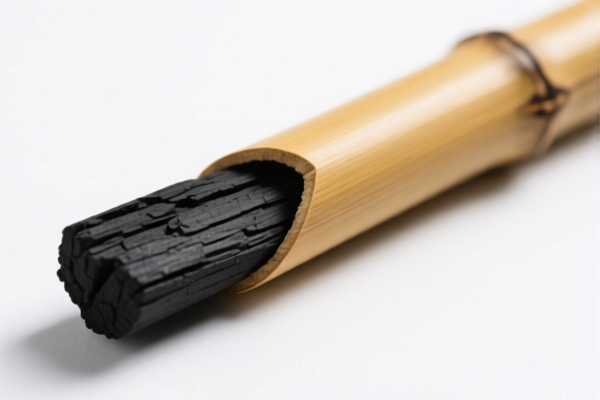
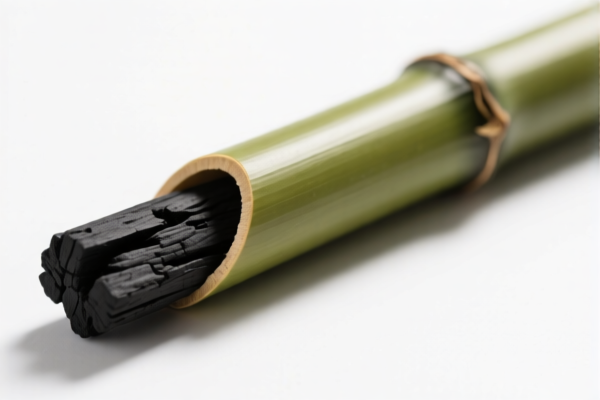
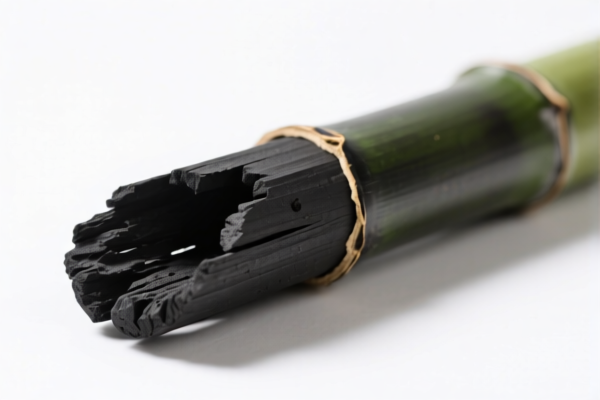
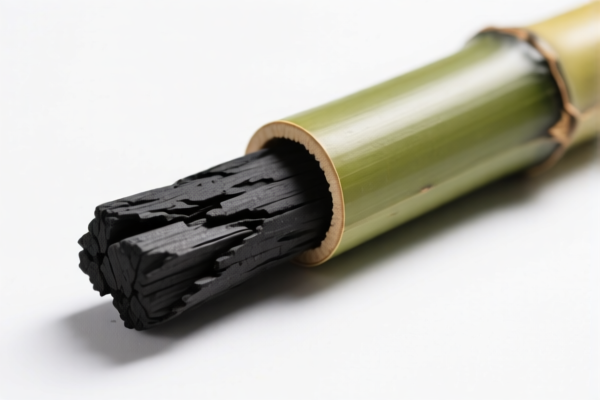
AI Analysis
🔥 Charcoal from Wood or Vegetable Origin (Biomass Charcoal)
🌐 HS Code Reference & Customs Clearance Guide | 2026 Latest Tariff Analysis | Professional Entry Strategy
📌 I. Product Definition & Classification: Do You Really Understand "Charcoal"?
Charcoal, derived from wood, fruit shells, bones, or other plant materials, is a carbonized product. In international trade, it is primarily classified based on physical state, processing level (activated vs. non-activated), and raw material source. Misclassification is the most common cause of customs delays and unexpected tax liabilities for this product.
Key Distinctions: * Non-Activated Charcoal (Raw Charcoal): Simple carbonization without further surface treatment. Falls under Chapter 44 or Chapter 25. * Activated Charcoal (Adsorbent): Processed to have high porosity and adsorption properties. Falls under Chapter 38. * Bone Char/Animal Black: Derived from animal bones. Falls under Chapter 38 or specific animal product codes.
⚠️ Critical Classification Point:
- If it is plain charcoal/fruit shell charcoal used for fuel or simple filtration → Look at 4402 or 2530.
- If it is Activated Charcoal (high surface area) → Look at 3802.
- If it is Bone Char (often used in sugar refining or pigments) → Look at 3802.
📦 II. HS Code Classification Details (2026 Latest Tariff Authority Comparison)
Based on the provided data, here is the precise breakdown for Charcoal from Wood or Vegetable Origin:
| HS Code | Product Description | Material Match | Tax Category |
|---|---|---|---|
2530.90.80.50 |
Other Mineral Products (Non-Specific) Charcoal as an unlisted mineral-like substance. |
Partial Match: Considered a "carbonized product" with mineral-like properties in some interpretations. | Base: 0%, Addl: 0%, 122: 10% |
4402.90.01.00 |
Charcoal (incl. fruit shell, bone, other veg.) Highly matches material requirements; covers specific forms of biomass charcoal. |
High Match: Explicitly covers wood charcoal and fruit shell charcoal. | Base: 0%, Addl: 25%, 122: 10% |
4402.20.00.00 |
Charcoal (Wood or Fruit Shell) Perfectly fits "Wood Charcoal" and "Fruit Shell Charcoal" material and form requirements. |
Perfect Match: Standard code for wood/fruit shell charcoal. | Base: 0%, Addl: 25%, 122: 10% |
3802.10.00.50 |
Activated Carbon (Non-Coal/Non-Coconut) Plants charcoal/fruit shell charcoal fits the category of "other" activated carbon (non-coal, non-coconut). |
Specific Match: Only if Activated. Fits "other" category for plant-based activated carbon. | Base: 4.8%, Addl: 25%, 122: 10% |
3802.90.10.00 |
Other Activated Carbon/Animal Black Includes "Bone Char" (Black of Bone) as it shares material category with activated carbon/animal blacks. |
Specific Match: Specifically for Bone Char or other specific animal/plant blacks not elsewhere specified. | Base: 5.8%, Addl: 25%, 122: 10% |
🔍 Key Insight:
- Standard Wood/Fruit Charcoal → Use4402.20.00.00or4402.90.01.00.
- Activated Charcoal → Use3802.10.00.50.
- Bone Char → Use3802.90.10.00.
-2530.90.80.50is a fallback/alternative classification for "other" carbonized matters not fitting the strict4402definition, but carries lower additional tariffs.
💰 III. 2026 Latest Tariff Rate Details (Including Add-ons & Policy Surcharges)
✅ Applicable Country: United States (US)
✅ Origin: China (CN)
✅ Effective Date: From November 10, 2025 (and subsequent imports)
🎯 1. 2530.90.80.50 —— Other Mineral Products (Alternative Charcoal Classification)
| Item | Details |
|---|---|
| Base Tariff | 0% |
| USITC Additional Tariff (301) | 0% |
| IEEPA Section 122 Tariff | +10% (Specific to China/HK) |
| Total Effective Rate | 10.0% |
| Tax Calculation | CIF Value × 10% |
| De Minimis Exemption? | ❌ Not Applicable (Based on data context) |
| Legal Basis Path | IEEPA:122 → USITC:2530.90.80.50 |
📌 Explanation:
- This code applies if the charcoal is classified as an "unlisted mineral matter" rather than a wood product.
- Lowest Additional Tax: Only 10% (Section 122). No 25% Section 301 tariff.
- Best for Cost Optimization if applicable to your specific product form.
🎯 2. 4402.90.01.00 —— Charcoal (Other, incl. Fruit Shell)
| Item | Details |
|---|---|
| Base Tariff | 0% |
| USITC Additional Tariff (301) | +25% |
| IEEPA Section 122 Tariff | +10% |
| Total Effective Rate | 35.0% |
| Tax Calculation | CIF Value × 35% |
| De Minimis Exemption? | ❌ Not Applicable |
| Legal Basis Path | IEEPA:9903.01.25 → IEEPA:9903.01.24 → USITC:4402.90.01.00 → FOOTNOTE:9903.88.01 |
📌 Explanation:
- Standard classification for fruit shell charcoal.
- High Tariff: 35% total due to 25% Section 301 + 10% Section 122.
🎯 3. 4402.20.00.00 —— Charcoal (Wood or Fruit Shell)
| Item | Details |
|---|---|
| Base Tariff | 0% |
| USITC Additional Tariff (301) | +25% |
| IEEPA Section 122 Tariff | +10% |
| Total Effective Rate | 35.0% |
| Tax Calculation | CIF Value × 35% |
| De Minimis Exemption? | ❌ Not Applicable |
| Legal Basis Path | IEEPA:9903.01.25 → IEEPA:9903.01.24 → USITC:4402.20.00.00 → FOOTNOTE:9903.88.01 |
📌 Explanation:
- The most common code for Wood Charcoal.
- Same high tariff as above (35%) due to Section 301 and 122.
🎯 4. 3802.10.00.50 —— Activated Carbon (Other, Non-Coal/Non-Coconut)
| Item | Details |
|---|---|
| Base Tariff | 4.8% |
| USITC Additional Tariff (301) | +25% |
| IEEPA Section 122 Tariff | +10% |
| Total Effective Rate | 39.8% |
| Tax Calculation | CIF Value × 39.8% |
| De Minimis Exemption? | ❌ Not Applicable |
| Legal Basis Path | IEEPA:9903.01.25 → IEEPA:9903.01.24 → USITC:3802.10.00.50 |
📌 Explanation:
- Applies only if the charcoal is Activated.
- Highest Base Tariff (4.8%) + 25% + 10% = 39.8%.
- Warning: Do not use this for non-activated charcoal.
🎯 5. 3802.90.10.00 —— Other Activated Carbon (incl. Bone Char)
| Item | Details |
|---|---|
| Base Tariff | 5.8% |
| USITC Additional Tariff (301) | +25% |
| IEEPA Section 122 Tariff | +10% |
| Total Effective Rate | 40.8% |
| Tax Calculation | CIF Value × 40.8% |
| De Minimis Exemption? | ❌ Not Applicable |
| Legal Basis Path | IEEPA:9903.01.25 → IEEPA:9903.01.24 → USITC:3802.90.10.00 |
📌 Explanation:
- Specifically for Bone Char or other specific animal/plant blacks.
- Highest Total Rate (40.8%).
- Warning: Only for bone-derived products or specific activated blacks.
🛠️ IV. Customs Clearance Practical Advice (Battle-Tested Pitfall Avoidance)
✅ 1. Required Document Checklist (None Can Be Missed)
| Document | Mandatory | Description |
|---|---|---|
| ✅ Product Specification Sheet | ✔️ | Must specify: Raw material (Wood/Fruit Shell/Bone), Processing method (Carbonized/Activated), Ash content, Moisture content. |
| ✅ Material Safety Data Sheet (MSDS) | ✔️ | Required for customs and safety verification. |
| ✅ Product Photos (Clear Label) | ✔️ | Show packaging, label, and product texture. |
| ✅ Third-Party Test Report | ✔️ | If claiming "Activated Carbon", provide surface area/iodine value test. |
| ✅ Commercial Invoice | ✔️ | Must explicitly state "Charcoal from [Wood/Fruit Shell/Bone]" and HS Code. |
| ✅ Certificate of Origin (CO) | ✔️ | If originating from non-China countries, may qualify for exemptions. |
| ✅ Packing List | ✔️ | Clear description of net/gross weight, packaging type. |
✅ 2. Declaration Techniques (Key Mnemonic)
🔥 "Material First, Activation Second, Label Precisely, Tax Down by Half!"
| Scenario | Correct Declaration | Wrong Approach |
|---|---|---|
| Plain Wood Charcoal | 4402.20.00.00 |
Misdeclare as 3802 (Activated) → 39.8% instead of 35% |
| Fruit Shell Charcoal | 4402.90.01.00 |
Misdeclare as 2530 → 10% (if eligible) or 35% (if not eligible) |
| Activated Charcoal (Plant) | 3802.10.00.50 |
Misdeclare as 4402 → 35% instead of 39.8% (Lower risk, but inaccurate) |
| Bone Char | 3802.90.10.00 |
Misdeclare as 4402 → 35% instead of 40.8% |
| Unspecified Carbonized Matter | 2530.90.80.50 |
Avoid if possible; only use if 4402 does not strictly apply |
✅ 3. Special Case Handling
| Scenario | Handling Advice |
|---|---|
| OEM Custom Charcoal | Provide customer order + technical drawings to prove material origin. |
| Charcoal + Packaging | Declare as whole unit; do not split packaging into separate HS codes unless necessary. |
| Activated vs. Non-Activated | Crucial! If you claim "Activated" but it's not, you face fines. If you claim "Non-Activated" but it is, you overpay tax. Provide test reports. |
| Bone Char | Clearly state "Bone Char" in description. Do not hide it as "Wood Charcoal". |
🌍 V. Global Market Customs Comparison (2026 Latest)
| Country/Region | Recommended HS Code | Tariff (China Origin) | Certification Requirements | Notes |
|---|---|---|---|---|
| 🇺🇸 USA | 4402.20.00.00 |
35% (Wood) 35% (Fruit) 10% (if 2530) |
N/A | High tariffs. 2530 is cheapest but risky. |
| 🇨🇳 China | 4402.20.00.00 |
5% | N/A | Low tariff, easy clearance. |
| 🇪🇺 EU | 4402.10.00 |
0-3% (varies) | CE (if activated) | Low tariffs, strict environmental checks. |
| 🇦🇺 Australia | 4402.10.00 |
5% | N/A | No additional tariffs. |
| 🇯🇵 Japan | 4402.10.00 |
0% | PSE (if activated) | Zero tariff for many charcoal products. |
📌 Conclusion:
- USA is the most expensive market due to Section 301 (25%) and Section 122 (10%) tariffs.
- China, EU, Australia, Japan have significantly lower or zero tariffs.
- Strategy: If exporting to the US, consider2530.90.80.50(10% total) if your charcoal qualifies as "other mineral product" under strict interpretation, but consult a customs broker first.
📌 VI. Common Mistakes & Pitfall Avoidance (Lessons Learned)
❌ Mistake 1: Declaring "Activated Charcoal" as "Wood Charcoal" (4402)
👉 Consequence: Undervaluation of tax liability. Customs may assess 39.8% instead of 35%, plus penalties.
❌ Mistake 2: Using "Charcoal" without specifying material (Wood vs. Bone)
👉 Consequence: Customs may classify as 3802.90.10.00 (40.8%) if they suspect bone content, or delay inspection.
❌ Mistake 3: Not providing Test Reports for "Activated" claims
👉 Consequence: Customs may downgrade to 4402 (35%) but delay clearance for verification.
❌ Mistake 4: Ignoring Section 122 Tariff (10%)
👉 Consequence: Unexpected cost increase of 10% on all China-origin charcoal imports to the US.
✅ Correct Approach:
"Wood Charcoal, 100% Natural, Non-Activated, Ash Content < 5%, Moisture < 10%, HS Code: 4402.20.00.00"
🎯 VII. Conclusion: Professional Declaration, Save Time, Reduce Costs!
🎯 Remember the Mnemonic:
🔹 "Wood/Fruit = 4402 (35%), Activated = 3802 (39.8%), Bone = 3802.90 (40.8%), Alternative = 2530 (10%)."
🔹 "HS Code determines destiny, tariff difference is 25%, one mistake costs thousands!"
📌 Tips:
- If your charcoal originates from Vietnam, Mexico, Thailand, or Malaysia, you may qualify for IEEPA Exemptions, reducing tariffs to 0-5%.
- Apply for Advance Ruling before shipping to avoid clearance risks and unexpected taxes.
📣 Immediate Action:
📞 Contact a professional customs broker + Provide product photos + Apply for HS Code Advance Ruling
🚀 Let your charcoal pass customs smoothly, export efficiently, and double your profit!
✨ Professional clearance starts with accurate classification!
💼 Every cent of your cost deserves precise calculation!
Customer Reviews
About HS Code Classification
The Harmonized System (HS) is an internationally standardized nomenclature developed by the World Customs Organization (WCO) to classify traded products. Over 200 countries use the HS system as the basis for customs tariffs, trade statistics, and import/export regulations.
Each HS code follows a hierarchical structure:
- Chapter (2 digits) — Broad category of goods (e.g., Chapter 84: Machinery and Mechanical Appliances)
- Heading (4 digits) — More specific grouping within the chapter
- Subheading (6 digits) — Internationally standardized breakdown, used by all WCO member countries
- National subdivisions (8-10 digits) — Country-specific extensions for further classification, such as US HTSUS 10-digit codes
Correct HS code classification is essential for smooth customs clearance, accurate duty payment, and compliance with trade regulations. Misclassification can lead to customs delays, overpayment of duties, or penalties.
When importing from CN to US, the applicable tariff rates may include:
- Most-Favored-Nation (MFN) rate — The standard duty rate applied to WTO members
- General rate — Applied to countries without trade agreements
- Trade remedy duties — Additional tariffs such as Section 301 (anti-dumping), Section 232 (national security), or countervailing duties
The information provided on this page is for reference purposes only. For official classification, please consult with your local customs authority or a licensed customs broker.