Cheese Baking Pan
CN → US| HS Code | Tariff Rate | Origin | Destination | Doc |
|---|---|---|---|---|
| 7323999030 | 88.4% | CN | US | Official Doc |
| 3924104000 | 13.4% | CN | US | Official Doc |
| 6911108010 | 38.3% | CN | US | Official Doc |
| 6911108090 | 38.3% | CN | US | Official Doc |
| 3924102000 | 24.0% | CN | US | Official Doc |
| 7323999080 | 88.4% | CN | US | Official Doc |
Product Images
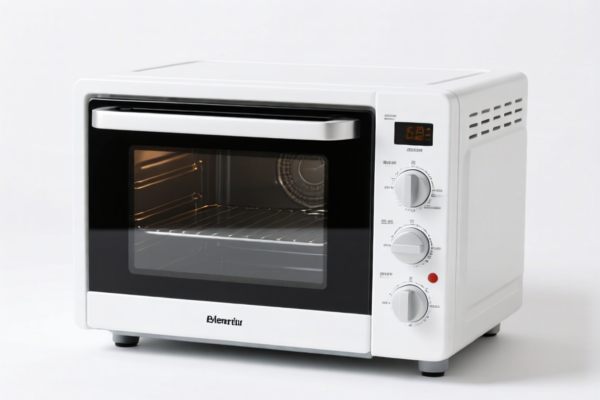
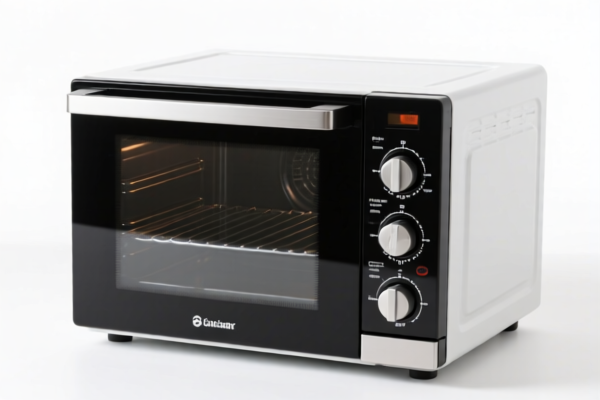
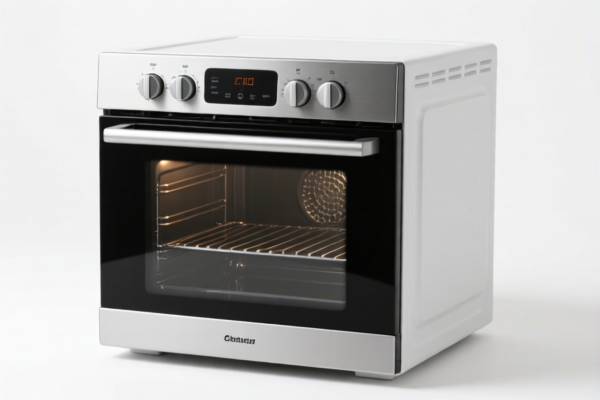

AI Analysis
🧀 Cheese Baking Pan (Cheese Board/Pasta Dish)
🌐 HS Code Reference & Customs Clearance Guide | 2026 Latest Tariff Analysis | Professional Clearance Strategy
📌 Part 1: Product Definition & Classification: Do You Really Understand "Cheese Baking Pan"?
A Cheese Baking Pan (often used for fondue, pasta, or general serving) is a kitchenware item designed for heating or serving cheese-based dishes. In international trade, classification depends strictly on the material and function.
It is primarily categorized into three main material groups: 1. Metal (Iron/Steel): Used for direct heating, durability, and high heat conductivity. 2. Plastic: Used for cold serving or light baking (must be food-safe). 3. Ceramic/Porcelain: Used for aesthetic serving, oven-safe baking, and heat retention.
⚠️ Key Distinction Point:
- If made of Iron/Steel → Subject to heavy Section 232 & Section 301 tariffs (see HS 7323.99.90).
- If made of Plastic → Lower base duty, but watch for Section 301 additions.
- If made of Ceramic → Higher base duty, no additional Section 232 tariffs, but still subject to Section 301.
📦 Part 2: HS Code Classification Details (2026 Latest Tariff Authority Comparison)
| HS Code | Product Description | Material | Application Scenario | Tax Complexity |
|---|---|---|---|---|
7323.99.90.30 |
Iron or steel plates, trays, dishes (Table use) | Iron/Steel | Direct heating, fondue, durable kitchenware | 🔴 High (High Surcharge) |
7323.99.90.80 |
Iron, steel or metal plates, trays, dishes (Kitchen use) | Iron/Steel/Other Metal | Kitchenware, heavy-duty baking | 🔴 High (High Surcharge) |
3924.10.40.00 |
Other plates, kitchenware, toilet articles, of plastics | Plastic | Cold serving, light baking, disposable or reusable | 🟡 Medium (Basic + Section 301) |
3924.10.20.00 |
Plastic plates, kitchenware, toilet articles | Plastic | Standard plastic tableware | 🟡 Medium (Basic + Surcharge) |
6911.10.80.10 |
Ceramic or porcelain plates, kitchenware (Food contact standard) | Ceramic/Porcelain | Oven-safe, aesthetic serving, hot dishes | 🟠 High Base (Section 301 Only) |
6911.10.80.90 |
Ceramic or porcelain plates, other | Ceramic/Porcelain | General ceramic tableware | 🟠 High Base (Section 301 Only) |
🔍 Key Reminder:
- Metal pans (Iron/Steel) face the highest total tax burden due to combined Section 232 (50%) and Section 301 tariffs. - Plastic pans have lower base duties but still incur significant surcharges. - Ceramic pans have higher base duties but no Section 232 steel/aluminum tariffs.
💰 Part 3: 2026 Latest Tariff Rate Breakdown (Including Additional Taxes, Policy Add-ons)
✅ Applicable Country: United States (US)
✅ Origin: China (CN)
✅ Effective Time: Current (2025-2026 Period)
🎯 1. 7323.99.90.30 & 7323.99.90.80 —— Iron/Steel/Ceramic Metal Baking Pans
| Item | Content |
|---|---|
| Base Duty Rate | 3.4% |
| Section 301 Surcharge | +25.0% |
| Section 232 Surcharge (Steel/Aluminum/Copper) | +50.0% |
| Additional 122 Clause Tariff | +10.0% |
| Total Effective Tax Rate | 88.4% |
| Tax Calculation | CIF Value × 88.4% |
| De Minimis Exemption | ❌ Not Eligible (Denied) |
| Legal Basis Path | Section 301: 9903.88.01 + Section 232: 9903.01.13 + Section 122 |
📌 Explanation:
- "Section 232 Tariff 50%": Applies specifically to Iron/Steel products (HS 7323). This is the most punitive tariff layer. - "Section 301 Surcharge 25%": Standard additional tariff on Chinese goods. - "122 Clause 10%": Additional punitive tariff under recent trade actions. - Total 88.4% is a prohibitive tax rate. Importing metal cheese pans from China is extremely costly.
🎯 2. 3924.10.40.00 —— Plastic Cheese Baking Pan (Other Plastic Tableware)
| Item | Content |
|---|---|
| Base Duty Rate | 3.4% |
| Section 301 Surcharge | 0.0% |
| Additional 122 Clause Tariff | +10.0% |
| Total Effective Tax Rate | 13.4% |
| Tax Calculation | CIF Value × 13.4% |
| De Minimis Exemption | ❌ Not Eligible (Specific plastic rules may apply, but generally high scrutiny) |
| Legal Basis Path | Section 122 |
📌 Note:
- Unlike steel, Plastic (HS 3924) does not face Section 232 tariffs. - It benefits from a 0% Section 301 surcharge in this specific sub-category (check latest USITC lists as policies fluctuate, but based on provided data: 0%). - However, the 10% 122 Clause still applies.
🎯 3. 3924.10.20.00 —— Plastic Cheese Baking Pan (Plastic Tableware)
| Item | Content |
|---|---|
| Base Duty Rate | 6.5% |
| Surcharge | +7.5% |
| Additional 122 Clause Tariff | +10.0% |
| Total Effective Tax Rate | 24.0% |
| Tax Calculation | CIF Value × 24.0% |
| Legal Basis Path | Section 301/Other Surcharges + Section 122 |
📌 Note:
- This code has a higher base duty (6.5%) and a 7.5% surcharge, making it more expensive than3924.10.40.00. - Strategic Choice: If both plastic codes are possible,3924.10.40.00is significantly cheaper (13.4% vs 24.0%).
🎯 4. 6911.10.80.10 & 6911.10.80.90 —— Ceramic/Porcelain Cheese Baking Pan
| Item | Content |
|---|---|
| Base Duty Rate | 20.8% |
| Surcharge | +7.5% |
| Additional 122 Clause Tariff | +10.0% |
| Total Effective Tax Rate | 38.3% |
| Tax Calculation | CIF Value × 38.3% |
| Legal Basis Path | Section 301/Other + Section 122 |
📌 Note:
- No Section 232 Tariff: Since it is ceramic, not metal, the 50% penalty is avoided. - High Base Duty: 20.8% is significantly higher than plastic (3.4% or 6.5%). - Total 38.3% is moderate compared to steel (88.4%) but higher than plastic (13.4%).
🛠️ Part 4: Customs Clearance Practical Advice (Pitfall Avoidance Guide)
✅ 1. Material Declaration is Critical
| Material | Recommended HS Code | Total Tax | Clearance Tip |
|---|---|---|---|
| Iron/Steel | 7323.99.90.30/80 |
88.4% | ⚠️ Avoid if possible due to high cost. Ensure "Table Use" description matches. |
| Plastic | 3924.10.40.00 |
13.4% | ✅ Best Option. Ensure it is "Food Contact Safe". Avoid vague terms like "Container". |
| Ceramic | 6911.10.80.10/90 |
38.3% | ✅ Good Alternative. Must meet "Food Contact Standard" for 80.10. |
✅ 2. Description Accuracy (Key for Customs)
🔥 “Material First, Function Second, Tax Consequences Third!”
| Scenario | Correct Declaration | Incorrect Declaration |
|---|---|---|
| Steel Pan | "Iron Table Plate, Baking Dish for Cheese, For Table Use" | "Cookware" or "Industrial Part" → Risk of misclassification |
| Plastic Pan | "Plastic Plate, Kitchenware, For Food Service" | "Tray" or "Container" → May trigger different duty rates |
| Ceramic Pan | "Porcelain Plate, Oven-Safe, Food Contact Standard" | "Ceramic Decorative Item" → May be rejected for food use |
✅ 3. Special Handling Tips
| Scenario | Handling Advice |
|---|---|
| Mixed Materials | If a pan has a steel base and plastic handle, declare based on essential character (usually steel) → 88.4% Tax. Consider separating if possible. |
| OEM/Private Label | Provide clear design sheets to prove "Table Use" vs. "Industrial Use". |
| Food Safety Compliance | For Plastic (3924) and Ceramic (6911), provide FDA Compliance or LFGB test reports. Customs may hold goods without these. |
| Section 232 Exemption | ❌ No Exemption for Iron/Steel cheese pans from China. |
🌍 Part 5: Global Market Comparison (2026 Latest)
| Country/Region | Recommended HS Code | Tax Rate | Certification | Note |
|---|---|---|---|---|
| 🇺🇸 USA | 7323.99.90 (Steel) |
88.4% | FDA | Highest Cost. Avoid if possible. |
| 🇺🇸 USA | 3924.10.40 (Plastic) |
13.4% | FDA | Best Value. |
| 🇺🇸 USA | 6911.10.80 (Ceramic) |
38.3% | FDA | Moderate Cost. |
| 🇪🇺 EU | 7323.99 (Steel) |
~5-10% | LFGB | No Section 232/301. Much cheaper. |
| 🇨🇳 China | 7323.99 (Steel) |
~10-13% | GB | Domestic market favorable. |
📌 Conclusion:
- USA Market: Plastic (3924.10.40.00) is the most cost-effective (13.4%). Steel is prohibitive (88.4%). - EU/Other Markets: Steel is viable due to lower tariffs. - Strategy: If shipping to the US, prefer Plastic or Ceramic over Steel for cheese pans.
📌 Part 6: Common Errors & Pitfall Guide (Lessons Learned)
❌ Error 1: Declaring Steel Pan as "Kitchen Utensil" without specifying material
👉 Consequence: Customs may classify under higher duty categories or delay for verification.
❌ Error 2: Using 7323.99.90.30 for a Plastic Pan
👉 Consequence: Tax discrepancy, penalty, and potential audit.
❌ Error 3: Ignoring Section 232 for Steel Items
👉 Consequence: Unexpected 88.4% tax bill, wiping out all profit margins.
❌ Error 4: No Food Safety Documentation for Ceramic/Plastic
👉 Consequence: CBP may seize goods for lack of FDA compliance proof.
✅ Correct Approach:
"Plastic Cheese Baking Pan, Food-Grade, Model XYZ, For Table Use, FDA Compliant"
→ HS 3924.10.40.00 | Tax 13.4%
🎯 Part 7: Conclusion: Professional Declaration, Save Costs, Ensure Compliance!
🎯 Remember the Mantra:
🔹 "Steel 88, Plastic 13, Ceramic 38. Choose Material Wisely!"
🔹 "Food Safety Docs for Plastic/Ceramic, or Else Customs Holds!"
📌 Tip:
If you must import Steel Cheese Pans, consider origin shifting (e.g., Vietnam, Mexico) to avoid Section 232/301 tariffs, or switch to Plastic/Ceramic alternatives for the US market.
📣 Immediate Action:
📞 Consult a Customs Broker + Provide Material Composition + Apply for Advance Ruling if unsure
🚀 Optimize your supply chain to minimize tariff impact!
✨ Professional Clearance Starts with Accurate Classification!
💼 Every Percent of Tax Savings Counts!
Customer Reviews
About HS Code Classification
The Harmonized System (HS) is an internationally standardized nomenclature developed by the World Customs Organization (WCO) to classify traded products. Over 200 countries use the HS system as the basis for customs tariffs, trade statistics, and import/export regulations.
Each HS code follows a hierarchical structure:
- Chapter (2 digits) — Broad category of goods (e.g., Chapter 84: Machinery and Mechanical Appliances)
- Heading (4 digits) — More specific grouping within the chapter
- Subheading (6 digits) — Internationally standardized breakdown, used by all WCO member countries
- National subdivisions (8-10 digits) — Country-specific extensions for further classification, such as US HTSUS 10-digit codes
Correct HS code classification is essential for smooth customs clearance, accurate duty payment, and compliance with trade regulations. Misclassification can lead to customs delays, overpayment of duties, or penalties.
When importing from CN to US, the applicable tariff rates may include:
- Most-Favored-Nation (MFN) rate — The standard duty rate applied to WTO members
- General rate — Applied to countries without trade agreements
- Trade remedy duties — Additional tariffs such as Section 301 (anti-dumping), Section 232 (national security), or countervailing duties
The information provided on this page is for reference purposes only. For official classification, please consult with your local customs authority or a licensed customs broker.