Cheese Pendant
CN → US| HS Code | Tariff Rate | Origin | Destination | Doc |
|---|---|---|---|---|
| 7113195095 | 23.0% | CN | US | Official Doc |
| 7113195091 | 23.0% | CN | US | Official Doc |
| 7116200500 | 13.3% | CN | US | Official Doc |
| 7117909000 | 28.5% | CN | US | Official Doc |
| 7116201500 | 24.0% | CN | US | Official Doc |
Product Images


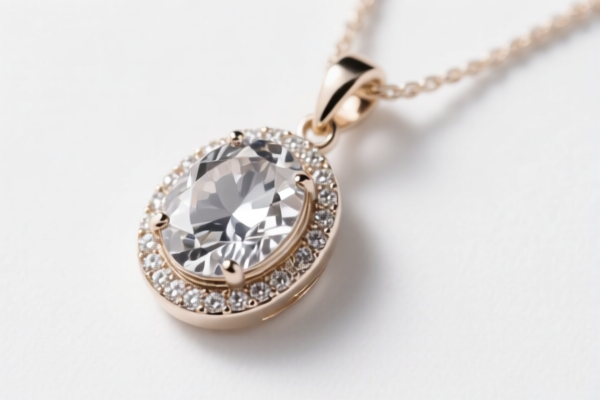
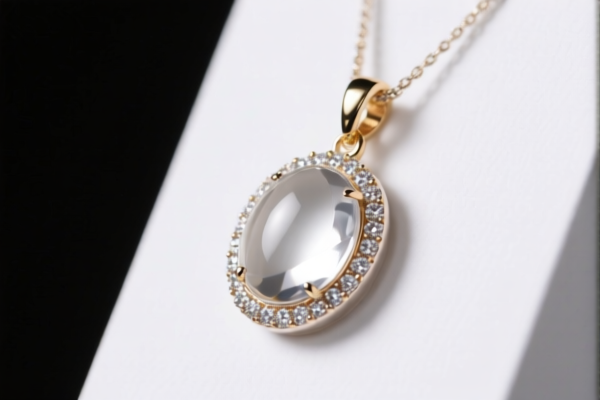
AI Analysis
🧀 Cheese Pendant (Cheese-Shaped Jewelry/Accessory)
🌐 HS Code Reference & Clearance Guide | 2026 Latest Tariff Analysis | Professional Entry Strategy
📌 I. Product Definition & Classification: What Exactly is a "Cheese Pendant"?
A "Cheese Pendant" is a decorative accessory, typically worn as part of a necklace, bracelet, or bag charm. In international trade, its classification depends entirely on its material composition and manufacturing quality. It is not a single HS Code but falls into several categories based on whether it is made of precious metals, semi-precious stones, or base metals/imitation materials.
Key Classification Logic: * Precious Metal Base: If the pendant is made of gold, silver, or platinum (or plated with these), it falls under Chapter 71.13. * Stone/Semiprecious Base: If the "cheese" shape is formed from gems, semi-precious stones, or minerals, it falls under Chapter 71.16. * Base Metal/Imitation: If it is made of copper, zinc alloy, plastic, or non-precious metals designed to look like jewelry but lacking precious metal value, it falls under Chapter 71.17 (Imitation Jewelry) or other base metal chapters.
⚠️ Critical Distinction:
- If it contains precious metal (even as plating) and is intended as jewelry → 7113.xxxx
- If it is made of natural/processed stones → 7116.xxxx
- If it is costume/imitation jewelry (no precious metal value) → 7117.xxxx
📦 II. HS Code Classification Details (Based on Provided Data)
| HS Code | Product Description | Material/Feature Summary | Tax Implication |
|---|---|---|---|
7113.19.50.95 |
Pendants of precious metal (other than gold/silver specific subheadings) | Precious Metal: Likely gold/silver/platinum plated base metal. No conflict with jewelry form. | 23.0% |
7113.19.50.91 |
Pendants of precious metal (other than gold/silver specific subheadings) | Precious Metal: Inferred metal material, not chain/necklace form. | 23.0% |
7116.20.05.00 |
Articles of jewelry and parts thereof, of other materials | Stone/Semiprecious: Gemstone, semi-precious stone, or mineral-based "cheese" shape. | 13.3% |
7117.90.90.00 |
Imitation Jewelry | Imitation: Base metal, plastic, or non-precious material. Classified as "other" imitation jewelry. | 28.5% |
7116.20.15.00 |
Articles of jewelry and parts thereof, of other materials | Stone/Semiprecious: Precious or semiprecious stone material, classified as "other." | 24.0% |
🔍 Key Observation:
- Precious Metal Pendants (7113): Taxed at 23.0%. These are higher-value items, often gold or silver plated.
- Stone-Based Pendants (7116): Tax ranges from 13.3% to 24.0% depending on the specific stone type and classification nuance.
- Imitation Pendants (7117): Taxed at 28.5%. This is the highest tax bracket among the options, often due to "Section 301" or similar punitive tariffs on imitation goods from certain origins.
💰 III. 2026 Latest Tariff Rate Details (Including Surcharges)
✅ Note: The tax details provided in the data indicate a structure typical of US imports from China (Base + Section 301 + 122 Clause).
✅ Structure: Base Tariff + Section 301 Surcharge + "122 Clause" Tariff.
🎯 1. 7113.19.50.95 & 7113.19.50.91 —— Precious Metal Pendants
| Item | Content |
|---|---|
| Base Tariff | 5.5% |
| Section 301 Surcharge | 7.5% |
| "122 Clause" Tariff | 10% |
| Total Tax Rate | 23.0% |
| Tax Calculation | CIF Value × 23.0% |
| De Minimis Exemption | ❌ Typically Not Eligible (jewelry often excluded from $800 de minimis if over threshold or specific origin rules apply) |
| Legal Basis | HTSUS 7113.19.50 + USITC Footnotes (Section 301) + 122 Clause Regulations |
📌 Explanation:
- These codes apply to pendants made of precious metals (gold, silver, platinum) or precious metal-clad base metals.
- The 10% "122 Clause" is a specific additional tariff that may apply to certain jewelry items under US trade policy updates.
- Total 23% is moderate for precious metals but includes significant surcharges.
🎯 2. 7116.20.05.00 —— Stone/Semiprecious Stone Pendants
| Item | Content |
|---|---|
| Base Tariff | 3.3% |
| Section 301 Surcharge | 0.0% |
| "122 Clause" Tariff | 10% |
| Total Tax Rate | 13.3% |
| Tax Calculation | CIF Value × 13.3% |
| De Minimis Exemption | ❌ Likely Not Eligible |
| Legal Basis | HTSUS 7116.20.05 + 122 Clause Regulations |
📌 Explanation:
- This is the lowest total tax rate among the options.
- Applies to pendants made of gems, semi-precious stones, or minerals (e.g., agate, jade, quartz shaped like cheese).
- 0% Section 301 suggests some stone jewelry may be exempt from certain trade wars, but the 10% 122 Clause still applies.
🎯 3. 7116.20.15.00 —— Other Stone/Semiprecious Stone Pendants
| Item | Content |
|---|---|
| Base Tariff | 6.5% |
| Section 301 Surcharge | 7.5% |
| "122 Clause" Tariff | 10% |
| Total Tax Rate | 24.0% |
| Tax Calculation | CIF Value × 24.0% |
| Legal Basis | HTSUS 7116.20.15 + USITC Footnotes + 122 Clause |
📌 Explanation:
- Similar to7116.20.05.00but classified under a different subheading ("Other").
- Higher total tax (24%) due to the addition of the 7.5% Section 301 surcharge.
🎯 4. 7117.90.90.00 —— Imitation Jewelry Pendants
| Item | Content |
|---|---|
| Base Tariff | 11.0% |
| Section 301 Surcharge | 7.5% |
| "122 Clause" Tariff | 10% |
| Total Tax Rate | 28.5% |
| Tax Calculation | CIF Value × 28.5% |
| Legal Basis | HTSUS 7117.90.90 + USITC Footnotes + 122 Clause |
📌 Explanation:
- This is the highest tax rate (28.5%).
- Applies to costume jewelry, plastic, base metal alloys, or non-precious imitation items.
- Often triggers higher punitive tariffs because imitation goods are not protected under precious metal exemptions.
🛠️ IV. Customs Clearance Practical Advice (Pitfall Avoidance Guide)
✅ 1. Documentation Checklist (Essential)
| Document | Required? | Description |
|---|---|---|
| ✅ Product Photos | ✔️ | Clear images showing the "cheese" shape, material texture, and any hallmarks (e.g., "925", "14K"). |
| ✅ Material Declaration | ✔️ | Explicitly state: "Precious Metal Plated Base Metal," "Natural Agate," or "Zinc Alloy Imitation." |
| ✅ Bill of Materials (BOM) | ✔️ | For imitation jewelry, specify all components to avoid misclassification as precious metal. |
| ✅ Commercial Invoice | ✔️ | Must match the HS Code description exactly (e.g., "Cheese-shaped Pendant, Silver Plated, 2026 Model"). |
| ✅ Country of Origin Certificate | ✔️ | Critical for determining Section 301 and 122 Clause applicability. |
✅ 2. Classification Tips (Crucial)
🔥 “Material Defines Code, Code Defines Tax!”
| Scenario | Correct HS Code | Reason |
|---|---|---|
| Gold/Silver Plated | 7113.19.50.95 / 91 |
Precious metal plating classifies it as precious metal jewelry. |
| Natural Stone (Agate, Jade, Quartz) | 7116.20.05.00 |
Lower tax rate (13.3%) due to 0% Section 301. |
| Synthetic Stone or Composite | 7116.20.15.00 |
Higher tax (24%) due to Section 301 surcharge. |
| Plastic/Zinc Alloy (Costume) | 7117.90.90.00 |
Highest tax (28.5%) as imitation jewelry. |
📌 Warning:
- Do NOT classify a gold-plated pendant as "imitation jewelry" to save tax. If the plating is substantial, customs may reclassify it to7113, leading to penalties.
- Do NOT classify a base metal pendant as "stone" just because it looks like cheese. Misdeclaration of material is a serious offense.
✅ 3. Special Situations
| Situation | Advice |
|---|---|
| Mixed Materials | If the pendant is stone + metal chain, classify the pendant separately if possible, or classify the whole item as jewelry based on the dominant component. |
| Gift Sets | If sold as a set with a necklace, the whole set may be classified as a necklace (7113 or 7117), potentially changing the tax rate. |
| De Minimis ($800) | Check if the shipment qualifies for de minimis entry. However, 122 Clause tariffs often negate this for Chinese-origin goods. Consult a broker. |
🌍 V. Global Market Comparison (2026)
| Market | Recommended HS Code | Est. Total Tax | Notes |
|---|---|---|---|
| 🇺🇸 USA | 7116.20.05.00 (Lowest) |
13.3% | Best for stone-based cheese pendants due to 0% Section 301. |
| 🇺🇸 USA | 7113.19.50.95 |
23.0% | For precious metal-plated items. |
| 🇺🇸 USA | 7117.90.90.00 |
28.5% | Avoid for high-value shipments due to high tax. |
| 🇪🇺 EU | 7113/7116/7117 | 4% - 7% | No Section 301 or 122 Clause. Much lower taxes. |
| 🇨🇳 China | 7113/7116/7117 | 5% - 10% | Domestic import duties are lower; no punitive surcharges. |
📌 Strategy:
- For US imports, prioritize stone-based (7116.20.05.00) or precious metal-plated (7113.19.50.95) cheese pendants to minimize tax.
- Avoid imitation (7117) if tax efficiency is critical.
- Consider manufacturing outside China to bypass Section 301 and 122 Clause tariffs if volume is high.
📌 VI. Common Errors & Pitfalls (Lessons Learned)
❌ Error 1: Calling a gold-plated pendant "imitation jewelry"
👉 Consequence: Customs may reclassify to 7113, leading to back taxes + penalties.
❌ Error 2: Claiming a base metal pendant is "stone"
👉 Consequence: Fraudulent declaration, potential seizure, and 28.5% vs 13.3% tax risk.
❌ Error 3: Ignoring the "122 Clause"
👉 Consequence: Underpaying by 10% on every item. Total tax should include 122 Clause.
✅ Correct Approach:
"Cheese-shaped Pendant, Natural Agate (
7116.20.05.00), 2026 Design, Origin: Vietnam"
(This minimizes US tariffs due to 0% Section 301 and lower base rate.)
🎯 VII. Conclusion: Optimize Your Classification, Maximize Profit
🎯 Remember:
🔹 Stone-based (
7116.20.05.00) is the tax hero (13.3%).
🔹 Precious Metal (7113.19.50.95) is the tax middle (23.0%).
🔹 Imitation (7117.90.90.00) is the tax villain (28.5%).
📌 Pro Tip:
If you are importing large volumes, consider pre-classifying your goods with CBP via an Advance Ruling. This ensures no surprises at the border and allows you to optimize your supply chain (e.g., sourcing stones from non-tariff countries).
📣 Immediate Action:
📞 Verify Material Composition
📄 Update HS Codes based on 2026 data
🚀 Optimize Supply Chain to leverage 13.3% rate where possible!
✨ Smart Classification, Smarter Profits!
💼 Every cent saved on tax is pure profit!
Customer Reviews
About HS Code Classification
The Harmonized System (HS) is an internationally standardized nomenclature developed by the World Customs Organization (WCO) to classify traded products. Over 200 countries use the HS system as the basis for customs tariffs, trade statistics, and import/export regulations.
Each HS code follows a hierarchical structure:
- Chapter (2 digits) — Broad category of goods (e.g., Chapter 84: Machinery and Mechanical Appliances)
- Heading (4 digits) — More specific grouping within the chapter
- Subheading (6 digits) — Internationally standardized breakdown, used by all WCO member countries
- National subdivisions (8-10 digits) — Country-specific extensions for further classification, such as US HTSUS 10-digit codes
Correct HS code classification is essential for smooth customs clearance, accurate duty payment, and compliance with trade regulations. Misclassification can lead to customs delays, overpayment of duties, or penalties.
When importing from CN to US, the applicable tariff rates may include:
- Most-Favored-Nation (MFN) rate — The standard duty rate applied to WTO members
- General rate — Applied to countries without trade agreements
- Trade remedy duties — Additional tariffs such as Section 301 (anti-dumping), Section 232 (national security), or countervailing duties
The information provided on this page is for reference purposes only. For official classification, please consult with your local customs authority or a licensed customs broker.