Chef Hat
CN → US| HS Code | Tariff Rate | Origin | Destination | Doc |
|---|---|---|---|---|
| 3926209050 | 15.0% | CN | US | Official Doc |
| 3926909989 | 22.8% | CN | US | Official Doc |
| 6505008015 | 0.0% | CN | US | Official Doc |
| 6505002590 | 42.5% | CN | US | Official Doc |
Product Images
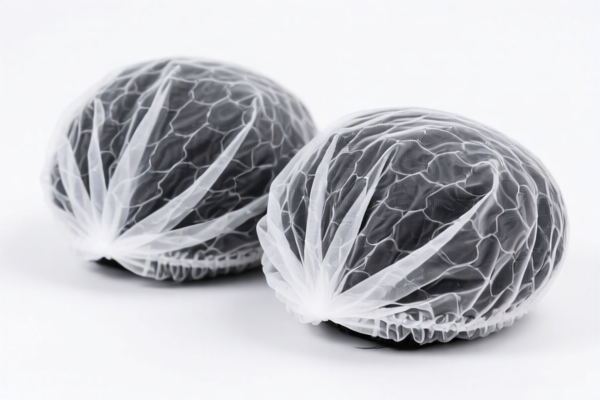


AI Analysis
👨🍳 Chef Hat (Toque Blanche & Culinary Headgear)
🌐 HS Code Reference & Clearance Guide | 2026 Latest Tariff Analysis | Professional通关 Strategy
📌 I. Product Definition & Classification: Do You Really Know Your "Chef Hat"?
The Chef Hat (also known as a Toque Blanche) is a quintessential symbol of professional culinary arts. In international trade, it is not a single item but falls into distinct categories based on material composition and construction method.
International customs authorities distinguish between: 1. Textile-Based Hats (Knitted/Crocheted/Felt): Made from cotton, wool, or synthetic fibers, often knitted or made of non-woven disposable fabric. 2. Plastic/Other Material Articles: Rigid hats or headgear made of plastics or other materials not covered by textile headings.
⚠️ Key Distinction Point:
- If the hat is knitted, crocheted, or made of textile fabric (cotton/synthetic) → Classified under Chapter 65 (Hats) or Chapter 65 (Textile Headgear) depending on specific fiber.
- If the hat is made of plastics (e.g., hard plastic disposable caps) → Classified under Chapter 39 (Plastics).
- Disposable Non-Woven Headgear (often used in food safety) has specific sub-classifications.
📦 II. HS Code Classification Details (2026 Latest Tariff Authority Reference)
Based on your provided data, here are the exact HS Codes and their specific applicability for Chef Hats:
| HS Code | Product Description | Material/Type | Typical Application |
|---|---|---|---|
| 6505.00.80.15 | Hats/headgear, knitted/crocheted or from textile; Nonwoven disposable headgear without peaks/visors | Non-woven (often synthetic) | Disposable food safety hats, hair nets, hygiene caps |
| 6505.00.25.90 | Hats/headgear... Of cotton, flax or both; Not knitted; Other | Cotton/Flax Fabric | Traditional reusable cloth chef hats, fabric headbands |
| 3926.20.90.50 | Articles of apparel/accessories... Of plastics; Other apparel | Rigid or semi-rigid Plastic | Disposable plastic shower caps, hard plastic kitchen caps |
| 3926.90.99.89 | Other articles of plastics... Other; Other Other | General Plastics (misc.) | Plastic headgear not fitting specific apparel sub-codes |
🔍 Critical Observation:
- Textile Chef Hats (Cotton/Non-woven) fall under 6505. These are the most common for professional chefs.
- Plastic Chef Hats fall under 3926. These are less common for traditional chefs but used in specific industrial food processing or hygiene protocols.
💰 III. 2026 Latest Tariff Rate Breakdown (Detailed Tax Analysis)
Based on the provided tax data, here is the detailed cost structure for importing Chef Hats.
🎯 1. 6505.00.80.15 — Nonwoven Disposable Headgear
Perfect for high-hygiene environments like food processing plants.
| Project | Content |
|---|---|
| Description | Nonwoven disposable headgear without peaks or visors (of man-made fibers) |
| Base Tariff | 0.0% |
| Additional Tariff | 0.0% |
| Total Tax Rate | 0.0% |
| Impact | ✅ Zero Duty – Highly favorable for high-volume disposable imports. |
| Legal Basis | Derived from "Other: Of man-made fibers: Other: Not in part of braid" category. |
📌 Note: This is the most tax-efficient code for disposable plastic/polypropylene chef caps used in fast food or sterile environments.
🎯 2. 6505.00.25.90 — Cotton Chef Hats (Non-Knitted)
Traditional fabric hats, breathable and reusable.
| Project | Content |
|---|---|
| Description | Hats of cotton, flax, or both; Not knitted; Other Other |
| Base Tariff | 0.0% |
| Additional Tariff | 0.0% |
| Total Tax Rate | 0.0% |
| Impact | ✅ Zero Duty – No tax burden for traditional cotton textile hats. |
| Legal Basis | Fits "Other: Other: Of cotton... Not knitted" classification. |
📌 Note: Ensure the product is not knitted to qualify for this code. If it is knitted (like a beanie style), the code might change, though the provided data suggests this specific "Non-knitted" cotton code carries 0% tax.
🎯 3. 3926.20.90.50 — Plastic Chef Hats (Apparel)
Plastic apparel and accessories.
| Project | Content |
|---|---|
| Description | Articles of apparel and clothing accessories (including gloves); Of plastics; Other Other |
| Base Tariff | 0.0% |
| Additional Tariff | 0.0% |
| Total Tax Rate | 0.0% |
| Impact | ✅ Zero Duty – Plastic chef hats fall into a duty-free apparel category. |
📌 Note: This code is specific to apparel made of plastic. If the plastic hat is considered a general article (not apparel), it might fall under the next code.
🎯 4. 3926.90.99.89 — Other Plastic Articles (General)
General plastic items not fitting specific apparel definitions.
| Project | Content |
|---|---|
| Description | Other articles of plastics... Other Other |
| Base Tariff | 5.3% |
| Additional Tariff | 7.5% |
| Total Tax Rate | 12.8% |
| Impact | ⚠️ 12.8% Duty – Significant cost increase if misclassified or if the product is deemed a general plastic article rather than "apparel". |
| Legal Basis | "Other: Other Other" general catch-all for plastics. |
📌 Critical Risk: If your plastic chef hat is not explicitly defined as "apparel" (e.g., a hard plastic cap for industrial machinery rather than food service), it may fall here, incurring a 12.8% tax.
🛠️ IV. Clearance Practical Advice (Actionable Strategy)
✅ 1. Preparation Checklist (Must-Have Documents)
| Document | Requirement | Why It Matters |
|---|---|---|
| Product Composition Label | Must state "100% Cotton", "Polypropylene", etc. | Determines if it goes to 6505 (Textile) or 3926 (Plastic). |
| Construction Method | Specify "Non-Knitted", "Nonwoven", or "Molded Plastic". | Distinguishes 6505.00.25.90 (Non-knitted) from knitted variants. |
| Usage Declaration | "Disposable Food Safety Hat" vs. "Industrial Cap". | Ensures classification under "Apparel" (3926.20) to get 0% tax. |
| Material Safety Certs | FDA Food Contact (if applicable). | Often required for food industry items, regardless of tax. |
| Detailed Photos | Show texture (non-woven vs. woven vs. hard plastic). | Customs officers need visual proof to verify "non-woven" status. |
✅ 2. Declaration Tips (The "Golden Rule")
🔥 Rule: "Material First, Construction Second, Use Third!"
| Scenario | Correct HS Code | Risk if Misclassified |
|---|---|---|
| Disposable Polypropylene Cap | 6505.00.80.15 |
If declared as 3926.90... → Lose 12.8% Duty. |
| Cotton Fabric Hat (Woven) | 6505.00.25.90 |
If declared as "Knitted" (not in data) → Check other codes. |
| Hard Plastic Cap (Industrial) | 3926.90.99.89 |
If declared as "Apparel" → 0% (Good), but risk of audit if it's not apparel. |
| General Plastic Headgear | 3926.90.99.89 |
12.8% Tax. Do not try to force "Apparel" classification if it doesn't fit. |
✅ 3. Special Case Handling
| Situation | Recommendation |
|---|---|
| "Chef Hat" but made of Felt | Check Chapter 65 again; Felt has different codes not in this specific dataset. |
| Hat with a Peak/Visor | 6505.00.80.15 specifically says "Without peaks or visors". If it has a brim, it might fall into a different 6505 sub-heading. |
| Set of Hats + Food Service | Do not split the hat. Declare as the complete set, but ensure the hat code is the primary tariff. |
| Mix of Cotton & Polyester | If the hat is knitted, it might not fit 6505.00.25.90 (Non-knitted). Verify the exact blend and construction. |
🌍 V. Global Market Comparison (2026 Context)
| Market | Recommended Code | Est. Tax (China Export) | Key Requirement |
|---|---|---|---|
| 🇺🇸 USA | 6505.00.80.15 |
0% (Section 301 exemptions often apply to disposables) | FDA/CSA compliance |
| 🇪🇺 EU | 6505 |
0% (Most textile hats are duty-free) | CE Mark (if protective) |
| 🇨🇦 Canada | 6505 |
0% | Food safety standards |
| 🇦🇺 Australia | 6505 |
0% | RCM (if electrical components exist) |
📌 Conclusion:
Most Chef Hats (Textile/Disposable) enjoy 0% Duty globally under the codes provided.
Avoid the3926.90.99.89code unless absolutely necessary, as it adds 12.8% tax.
📌 VI. Common Mistakes & Pitfalls (Learn from Others)
❌ Mistake 1: Calling a plastic hat "Chef Hat" and assuming it's 0% tax.
👉 Result: If it's not "Apparel" but a "General Plastic Article", tax jumps to 12.8%.
❌ Mistake 2: Declaring a hat with a visor/brim as 6505.00.80.15.
👉 Result: The code explicitly says "Without peaks or visors". Mismatch leads to classification error.
❌ Mistake 3: Confusing Knitted vs. Non-Knitted Cotton hats.
👉 Result: 6505.00.25.90 is for Non-Knitted. If it's knitted, a different code (not in this dataset) might apply.
✅ Correct Declaration Example:
"Disposable Non-Woven Polypropylene Chef Cap, No Visor, 100% Synthetic, For Food Service Only. HS: 6505.00.80.15"
🎯 VII. Conclusion: Smart Classification for Maximum Savings
🎯 Key Takeaway:
"Textile & Non-Woven = 0% | Plastic Apparel = 0% | General Plastic = 12.8%"
- Always specify "Non-woven" and "No Visor" for the 0% textile code.
- Ensure plastic hats are clearly "Apparel" (clothing accessory) to stay at 0%.
- If in doubt, provide Material Safety Data Sheets (MSDS) and Construction Diagrams to Customs.
📌 Pro Tip:
If your supplier claims the hat is "Cotton" but it feels synthetic, request a Fiber Content Test. Misdeclaring cotton as plastic (or vice versa) can lead to re-classification fines.
📣 Next Steps:
📞 Verify Material Composition with your supplier.
📄 Prepare a Product Fact Sheet highlighting "No Visor" and "Non-Knitted/Non-Woven".
🚀 File with HS Code 6505.00.80.15 for the best 0% tax outcome!
✨ Professional Customs Clearance Starts with Precise Classification!
💼 Every 12.8% saved is pure profit!
Customer Reviews
About HS Code Classification
The Harmonized System (HS) is an internationally standardized nomenclature developed by the World Customs Organization (WCO) to classify traded products. Over 200 countries use the HS system as the basis for customs tariffs, trade statistics, and import/export regulations.
Each HS code follows a hierarchical structure:
- Chapter (2 digits) — Broad category of goods (e.g., Chapter 84: Machinery and Mechanical Appliances)
- Heading (4 digits) — More specific grouping within the chapter
- Subheading (6 digits) — Internationally standardized breakdown, used by all WCO member countries
- National subdivisions (8-10 digits) — Country-specific extensions for further classification, such as US HTSUS 10-digit codes
Correct HS code classification is essential for smooth customs clearance, accurate duty payment, and compliance with trade regulations. Misclassification can lead to customs delays, overpayment of duties, or penalties.
When importing from CN to US, the applicable tariff rates may include:
- Most-Favored-Nation (MFN) rate — The standard duty rate applied to WTO members
- General rate — Applied to countries without trade agreements
- Trade remedy duties — Additional tariffs such as Section 301 (anti-dumping), Section 232 (national security), or countervailing duties
The information provided on this page is for reference purposes only. For official classification, please consult with your local customs authority or a licensed customs broker.