Chemical Additives for Lubricating Oils and Greases
CN → US| HS Code | Tariff Rate | Origin | Destination | Doc |
|---|---|---|---|---|
| 2942005000 | 38.7% | CN | US | Official Doc |
| 3811290000 | 41.5% | CN | US | Official Doc |
| 2942003500 | 41.5% | CN | US | Official Doc |
| 3403191000 | 35.2% | CN | US | Official Doc |
| 3811210000 | 41.5% | CN | US | Official Doc |
Product Images
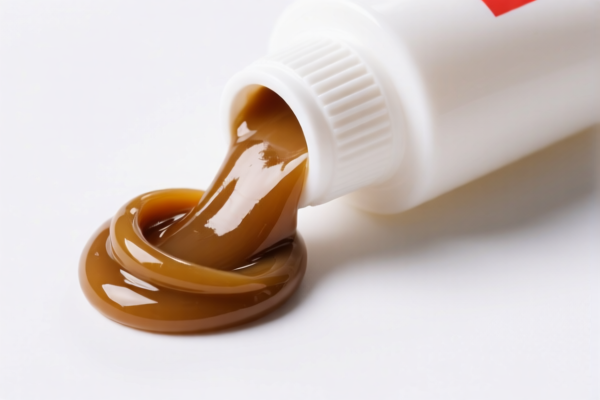
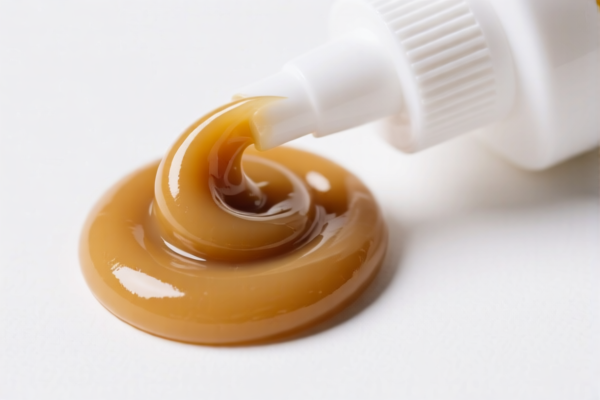
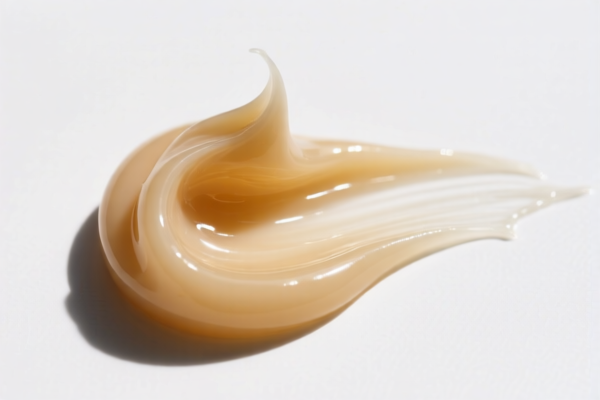

AI Analysis
🧪 Chemical Additives for Lubricating Oils and Greases
🌐 HS Code Reference & Customs Clearance Guide | 2026 Latest Tariff Analysis | Professional Clearance Strategy
📌 I. Product Definition & Classification: What Are You Really Importing?
Chemical additives for lubricating oils and greases are essential compounds added to base oils to enhance performance, extend service life, and protect machinery. In international trade, these products are tricky because they can fall under different chapters depending on their chemical nature (organic vs. mixture) and physical form (liquid solution vs. pure compound).
There are two primary classification paths:
1. Organic Chemical Compounds (Chapter 29):
If the additive is a distinct, single chemical entity (e.g., a specific synthetic ester, anti-wear agent like ZDDP in pure form, or aromatic derivative), it may be classified as an organic chemical product.
2. Prepared Lubricant Additives (Chapter 38):
If the product is a mixture, emulsion, or solution designed specifically for lubrication (e.g., a liquid blend of additives dissolved in solvent), it falls under "Preparations for lubricating purposes."
⚠️ Critical Distinction Point:
- If it is a pure synthetic organic compound → Often 2942.00
- If it is a mixture, solution, or "prepared" additive → Often 3811.29 or 3811.21
- If it is a mixture containing petroleum oil/base → Potentially 3403.19 (Rare but possible if base oil dominates)
📦 II. HS Code Classification Details (2026 Latest Tariff Mapping)
Based on the provided data, here are the five potential HS Codes with their specific logic and tax implications for imports from China to the US.
| HS Code | Product Description | Application Scenario | Classification Logic |
|---|---|---|---|
2942.00.50.00 |
Organic Compounds, Synthetic Lubricant Additive | Pure synthetic chemicals (e.g., synthetic esters, poly-alpha-olefins) used as additive components. | Matches chemical synthesis attributes; classified as organic compounds. |
3811.29.00.00 |
Other Lubricant Additives (Liquid/Prepared) | Liquid additive blends, multi-component mixtures that don’t fit specific subheadings. | Falls under general "other" category for prepared lubricant additives. |
3811.21.00.00 |
Lubricant Additives Containing Petroleum/Synthetic Oil | Additives where the carrier/base is mineral or synthetic oil. | Matches mineral/synthetic oil blend attributes; formulated for lubrication. |
2942.00.35.00 |
Aromatic/Modified Aromatic Organic Compounds | Additives based on aromatic rings or modified aromatic structures (e.g., certain dispersants). | Matches aromatic or modified aromatic material inference. |
3403.19.10.00 |
Lubricant Preparations Containing Petroleum Oil | Mixtures where petroleum oil or asphalt is a key ingredient in the lubricant formulation. | Matches petroleum oil/asphalt-containing preparations for lubrication. |
🔍 Key Reminder:
- Pure Chemicals (single molecule) lean towards Chapter 29 (2942).
- Blends/Mixtures (additives dissolved in solvent or oil) lean towards Chapter 38 (3811) or Chapter 34 (3403).
- Do not assume all "additives" are Chapter 38. High-purity synthetic additives often qualify for Chapter 29, which may have different duty rates.
💰 III. 2026 Latest Tariff Rate Breakdown (Including Surtaxes & Policy Add-ons)
✅ Applicable Country: United States (US)
✅ Origin: China (CN)
✅ Effective Time: From November 10, 2025 (for subsequent imports)
🎯 1. 2942.00.50.00 —— Organic Compounds (Synthetic Additive)
| Item | Content |
|---|---|
| Base Duty Rate | 3.7% (ad valorem) |
| Section 301 Surtax | +25.0% (USITC Footnote 9903.88.01) |
| Section 122 Clause Tariff | +10.0% (China-specific add-on) |
| Total Duty Rate | 38.7% |
| Tax Calculation | CIF Value × 38.7% |
| De Minimis Exemption | ❌ Not Eligible (deny_de_minimis) |
| Legal Authority Path | USITC:2942.00.50.00 → FOOTNOTE:9903.88.01 → Section 122 |
📌 Explanation:
- This classification benefits from the lowest base duty (3.7%) among the options.
- However, it is still heavily impacted by the 25% Section 301 tariff and 10% Section 122 tariff.
- Total: 38.7%. This is the most favorable option if the product is a pure organic compound.
🎯 2. 3811.29.00.00 —— Other Lubricant Additives (Liquid/Prepared)
| Item | Content |
|---|---|
| Base Duty Rate | 6.5% (ad valorem) |
| Section 301 Surtax | +25.0% |
| Section 122 Clause Tariff | +10.0% |
| Total Duty Rate | 41.5% |
| Tax Calculation | CIF Value × 41.5% |
| De Minimis Exemption | ❌ Not Eligible (deny_de_minimis) |
| Legal Authority Path | USITC:3811.29.00.00 → FOOTNOTE:9903.88.01 → Section 122 |
📌 Note:
- This is the "catch-all" classification for liquid additives that don’t fit other specific subheadings.
- Base duty is higher (6.5%) than the organic compound option.
- Total: 41.5%.
🎯 3. 3811.21.00.00 —— Lubricant Additives (Petroleum/Synthetic Oil Based)
| Item | Content |
|---|---|
| Base Duty Rate | 6.5% (ad valorem) |
| Section 301 Surtax | +25.0% |
| Section 122 Clause Tariff | +10.0% |
| Total Duty Rate | 41.5% |
| Tax Calculation | CIF Value × 41.5% |
| De Minimis Exemption | ❌ Not Eligible (deny_de_minimis) |
| Legal Authority Path | USITC:3811.21.00.00 → FOOTNOTE:9903.88.01 → Section 122 |
📌 Note:
- Similar to the above, but specifically for additives containing petroleum/synthetic oil carriers.
- Total: 41.5%.
🎯 4. 2942.00.35.00 —— Aromatic/Modified Aromatic Compounds
| Item | Content |
|---|---|
| Base Duty Rate | 6.5% (ad valorem) |
| Section 301 Surtax | +25.0% |
| Section 122 Clause Tariff | +10.0% |
| Total Duty Rate | 41.5% |
| Tax Calculation | CIF Value × 41.5% |
| De Minimis Exemption | ❌ Not Eligible (deny_de_minimis) |
| Legal Authority Path | USITC:2942.00.35.00 → FOOTNOTE:9903.88.01 → Section 122 |
📌 Note:
- Applicable if the additive is chemically identified as an aromatic or modified aromatic compound.
- Total: 41.5%.
🎯 5. 3403.19.10.00 —— Lubricant Preparations with Petroleum Oil
| Item | Content |
|---|---|
| Base Duty Rate | 0.2% (ad valorem) |
| Section 301 Surtax | +25.0% |
| Section 122 Clause Tariff | +10.0% |
| Total Duty Rate | 35.2% |
| Tax Calculation | CIF Value × 35.2% |
| De Minimis Exemption | ❌ Not Eligible (deny_de_minimis) |
| Legal Authority Path | USITC:3403.19.10.00 → FOOTNOTE:9903.88.01 → Section 122 |
📌 Note:
- Lowest Base Duty (0.2%) of all options!
- However, this classification is strict and only applies if the product is a preparation containing petroleum oil or asphalt.
- Total: 35.2% (The most tax-efficient option IF the product qualifies).
🛠️ IV. Customs Clearance Operational Advice (Practical Pitfall Avoidance)
✅ 1. Required Documentation Checklist (All are Mandatory)
| Document | Mandatory | Description |
|---|---|---|
| ✅ Product Specification Sheet | ✔️ | Must detail chemical composition, concentration, and intended use (lubrication). |
| ✅ Safety Data Sheet (SDS) | ✔️ | Critical for identifying chemical hazards and confirming classification. |
| ✅ Formula/Composition List | ✔️ | Crucial: To distinguish between pure chemicals (Ch. 29) and mixtures (Ch. 38). |
| ✅ Product Photos (Label/Container) | ✔️ | Clear view of HS Code suggestion, ingredients list, and branding. |
| ✅ Commercial Invoice | ✔️ | Must state "Chemical Additives for Lubricating Oils and Greases" accurately. |
| ✅ Packing List | ✔️ | Details net/gross weight and packaging type. |
| ✅ Certificate of Origin | ✔️ | Required to apply any potential preferential treatments (if applicable) or prove CN origin. |
✅ 2. Classification Strategy (Key Principles)
🔥 "Pure Chemicals = Ch29, Mixtures = Ch38/34, Base Rate Dictates Choice!"
| Scenario | Correct HS Code | Error to Avoid |
|---|---|---|
| Pure synthetic organic compound (e.g., ZDDP powder) | 2942.00.50.00 |
Misclassifying as mixture → 41.5% instead of 38.7% |
| Liquid additive blend (additives in solvent) | 3811.29.00.00 |
Misclassifying as pure chemical → Risk of customs audit |
| Additive with petroleum oil base | 3811.21.00.00 |
Ignoring the oil content → Wrong chapter |
| Aromatic-based additive | 2942.00.35.00 |
Overlooking chemical structure → 41.5% |
| Petroleum-oil-containing lubricant prep | 3403.19.10.00 |
Best for tax (35.2%) but requires strict proof of petroleum content |
📌 Crucial Advice:
- If your product is a mixture, you cannot claim Chapter 29.
- If your product contains petroleum oil, consider3403.19.10.00for the lowest total tax (35.2%), but be prepared to prove the petroleum content ratio.
✅ 3. Special Case Handling
| Situation | Handling Advice |
|---|---|
| OEM/Custom Formulation | Provide detailed formula breakdown. Customs may request lab analysis to confirm if it’s a mixture or pure compound. |
| High-Value Synthetic Additives | Aim for 2942.00.50.00 (38.7%) if chemically pure. Justify with SDS and COA (Certificate of Analysis). |
| Petroleum-Based Additives | If the product is >50% petroleum oil, 3403.19.10.00 (35.2%) is the most economical. Document the oil content clearly. |
| Aromatic Compounds | If the chemical structure is aromatic, use 2942.00.35.00 (41.5%). Ensure CAS numbers match aromatic classifications. |
🌍 V. Global Market Comparison (2026 Latest)
| Country/Region | Recommended HS Code | Duty Rate (China Origin) | Certification Requirements | Notes |
|---|---|---|---|---|
| 🇺🇸 USA | 2942.00.50.00 |
38.7% (Best for pure chemicals) | EPA TSCA, OSHA HazCom | 41.5% for mixtures (3811) |
| 🇨🇳 China | 2942.00.50.00 |
~5-6% | CCC (if applicable), GB Standards | No Section 301/122 tariffs |
| 🇪🇺 EU | 2942.00 or 3811 |
0-4% (Varies by chemical) | REACH, CLP/GHS | Strict chemical registration |
| 🇦🇺 Australia | 2942.00 |
~5% | AICIS | No major surtaxes |
| 🇯🇵 Japan | 2942.00 |
~3-5% | JITO | No surtaxes |
📌 Conclusion:
- USA is the highest-tariff market for these additives due to Section 301 (25%) + Section 122 (10%).
- Choosing the right HS Code can save 3.3% (38.7% vs 41.5%) or up to 6.3% (35.2% vs 41.5%) in duties.
- China-origin goods face no additional surtaxes in other major markets.
📌 VI. Common Errors & Pitfall Guide (Lessons Learned)
❌ Error 1: Classifying a mixture as a pure chemical (2942)
👉 Consequence: Customs audit, penalty, and back-tariff (from 38.7% to 41.5% or higher).
✅ Fix: Provide SDS and formula to prove it’s a pure compound.
❌ Error 2: Ignoring Petroleum Oil Content when classifying lubricant prep
👉 Consequence: Missed opportunity for lower tax (3403.19.10.00 at 35.2%).
✅ Fix: If petroleum oil is present, argue for 3403 if formulation allows.
❌ Error 3: Using vague descriptions like "Lubricant Additive"
👉 Consequence: Customs assigns random HS Code, likely the highest tax bracket.
✅ Fix: Be specific: "Synthetic Ester Anti-Wear Additive (Pure)" or "Liquid Lubricant Additive Blend (Petroleum Base)".
❌ Error 4: Assuming De Minimis applies
👉 Consequence: Shipment held at border.
✅ Fix: All these HS Codes are deny_de_minimis. Ensure proper import entry and broker involvement.
🎯 VII. Conclusion: Precise Classification, Maximized Profit!
🎯 Remember the Motto:
🔹 "Pure Chemicals = Ch29 (38.7%), Mixtures = Ch38 (41.5%), Petroleum Base = Ch34 (35.2%)"
🔹 "HS Code Defines Duty, Difference is 6%, Documentation is Key!"
📌 Pro Tip:
If your product is originating from Vietnam, Mexico, or Thailand, you may be eligible for IEEPA exemptions or lower Section 301 rates.
Recommendation: Apply for an Advance Ruling from US Customs and Border Protection (CBP) before shipment to lock in the correct HS Code and duty rate.
📣 Take Action Now:
📞 Contact a licensed customs broker + Provide SDS/Formula + Request CBP Advance Ruling
🚀 Ensure smooth clearance, minimized duty, and maximum profit margin!
✨ Professional Clearance Starts with Accurate Classification!
💼 Every percentage point of duty counts!
Customer Reviews
About HS Code Classification
The Harmonized System (HS) is an internationally standardized nomenclature developed by the World Customs Organization (WCO) to classify traded products. Over 200 countries use the HS system as the basis for customs tariffs, trade statistics, and import/export regulations.
Each HS code follows a hierarchical structure:
- Chapter (2 digits) — Broad category of goods (e.g., Chapter 84: Machinery and Mechanical Appliances)
- Heading (4 digits) — More specific grouping within the chapter
- Subheading (6 digits) — Internationally standardized breakdown, used by all WCO member countries
- National subdivisions (8-10 digits) — Country-specific extensions for further classification, such as US HTSUS 10-digit codes
Correct HS code classification is essential for smooth customs clearance, accurate duty payment, and compliance with trade regulations. Misclassification can lead to customs delays, overpayment of duties, or penalties.
When importing from CN to US, the applicable tariff rates may include:
- Most-Favored-Nation (MFN) rate — The standard duty rate applied to WTO members
- General rate — Applied to countries without trade agreements
- Trade remedy duties — Additional tariffs such as Section 301 (anti-dumping), Section 232 (national security), or countervailing duties
The information provided on this page is for reference purposes only. For official classification, please consult with your local customs authority or a licensed customs broker.