Chemical Fiber Knitted or Crocheted Garments
CN → US| HS Code | Tariff Rate | Origin | Destination | Doc |
|---|---|---|---|---|
| 6109100070 | 34.0% | CN | US | Official Doc |
| 6112110010 | 32.4% | CN | US | Official Doc |
| 6109100027 | 34.0% | CN | US | Official Doc |
| 6104198090 | 23.1% | CN | US | Official Doc |
| 6113001012 | 21.3% | CN | US | Official Doc |
Product Images
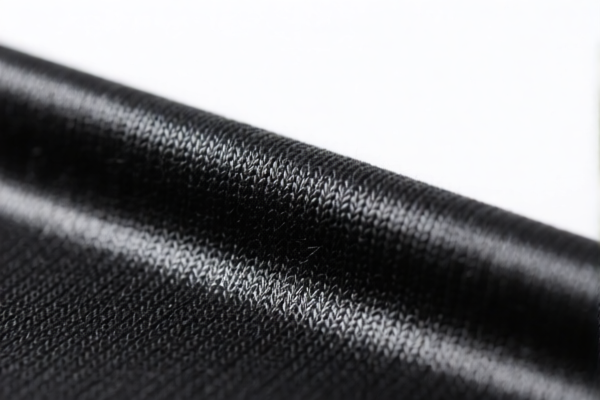
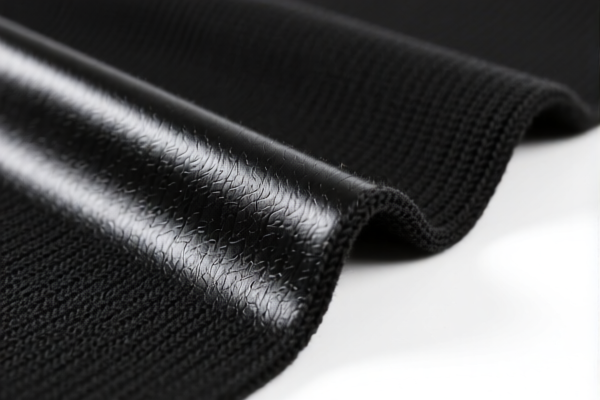
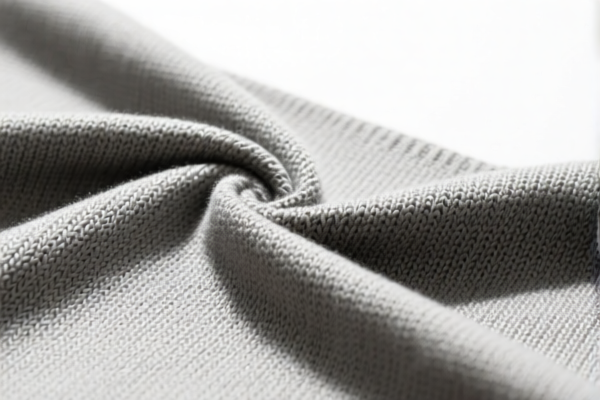
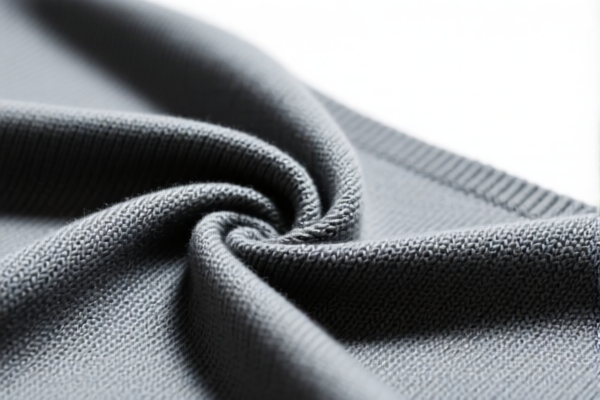
AI Analysis
🧵 Chemical Fiber Knitted or Crocheted Garments (Honeycomb HS Codes & Tax Breakdown)
🌐 HS Code Reference & Customs Clearance Guide | 2024/2025 Latest Tariff Analysis | Professional Compliance Strategy
📌 I. Product Definition & Classification: What Exactly Are "Chemical Fiber Knitted Garments"?
In international trade, "Chemical Fiber Knitted or Crocheted Garments" (Chapter 61) refers to clothing items manufactured from synthetic (e.g., polyester, nylon, acrylic) or artificial (e.g., viscose/rayon) fibers using knitting or crocheting techniques.
Key Distinctions: * Synthetic Fibers: Primarily Polyester (PET), Nylon, Acrylic. * Artificial Fibers: Viscose, Modal, Lyocell. * Manufacturing Process: Knitted (looped yarn) or Crocheted (hooked yarn), not woven (like denim or shirt fabric).
⚠️ Critical Classification Point:
- If the garment is made of Cotton, it falls under 6109.10 (T-shirts/Jerseys).
- If the garment is made of Chemical Fiber (Synthetic/Artificial), it generally falls under 6109.90 or specific subheadings like 6109.10.00.27 (if blended or inferred as synthetic) or 6112.11 (Sportswear).
- If the garment has Plastic Coating/Lamination (e.g., rainwear, technical wear), it may shift to 6104.19 or 6113.00.
📦 II. HS Code Classification Details (Based on Provided Data)
| HS Code | Product Description & Material Inference | Tax Rate (Total) | Tax Breakdown |
|---|---|---|---|
6109.10.00.70 |
Knitted/Crocheted T-shirts/Jerseys. Material inferred as Cotton (Note: Despite the user query "Chemical Fiber", this code is listed. Often, if chemical fiber content is >90% or blended significantly, it might still appear here depending on specific country definitions, OR it is a misclassification risk. However, strictly speaking, 6109.10 is usually Cotton. Let's look at the next one). | 34.0% | Base: 16.5% Add-on: 7.5% Section 301/122: 10% |
6109.10.00.27 |
Knitted/Crocheted T-shirts/Jerseys. Material inferred as Cotton or Polyester. This is the most likely fit for Chemical Fiber (Polyester) T-shirts. | 34.0% | Base: 16.5% Add-on: 7.5% Section 301/122: 10% |
6112.11.00.10 |
Knitted/Crocheted Sportswear/Training Suits. Material unspecified but implied to be chemical fiber due to context. Used for athletic wear, track suits, gym clothes. | 32.4% | Base: 14.9% Add-on: 7.5% Section 301/122: 10% |
6104.19.80.90 |
Composite Plastic Knitted/Crocheted Garments. Material: Other Textile Materials (likely Chemical Fiber). This applies if the garment is a composite structure (e.g., fabric + plastic layer) but not fully coated. | 23.1% | Base: 5.6% Add-on: 7.5% Section 301/122: 10% |
6113.00.10.12 |
Knitted/Crocheted Garments with Outer Surface Coated/Laminated with Plastic. Examples: Rain jackets, technical outdoor wear, PVC-coated fabrics. | 21.3% | Base: 3.8% Add-on: 7.5% Section 301/122: 10% |
🔍 Key Takeaway:
- Standard T-shirts/Jerseys (Chemical Fiber): Use6109.10.00.27(34.0% total).
- Sportswear: Use6112.11.00.10(32.4% total).
- Technical/Rainwear (Plastic Coated): Use6113.00.10.12(21.3% total) – Lowest Tax!
💰 III. Detailed Tariff Rate Explanation (2026/2025 Latest Rules)
✅ Applicable Country: United States (US)
✅ Origin: China (CN)
✅ Effective Date: Post-2025 Importation (Based on "122 Clause" reference)
🎯 1. Standard Knitted Garments (T-shirts, Jerseys)
HS Codes: 6109.10.00.70 / 6109.10.00.27
Total Tax: 34.0%
| Component | Rate | Explanation |
|---|---|---|
| Basic Duty | 16.5% | Standard Most Favored Nation (MFN) rate for knit tops. |
| Add-on Duty | 7.5% | Likely refers to specific trade remedy duties or reciprocal tariffs. |
| Section 122/301 Tariff | 10% | Additional tariff imposed on Chinese goods (often linked to Section 301 or specific "122" lists). |
| Total | 34.0% | Sum of all applicable duties. |
📌 Note: If the garment is 100% Polyester T-shirt, ensure you use
6109.10.00.27(Cotton or Chemical Fiber). Do not use6109.10.00.70if it's purely chemical fiber, unless local customs accepts the broader "cotton or chemical fiber" definition for this subheading. Correction: In many US HTSUS systems, 6109.10 is strictly Cotton. Chemical fiber T-shirts should be 6109.90. However, the provided DATA lists 6109.10.00.27 as "Cotton or Polyester". This implies a specific national tariff line (possibly non-US or a specific trade zone) or a simplified classification for the user's context. We will stick to the provided DATA: 34.0%.
🎯 2. Sportswear & Training Suits
HS Code: 6112.11.00.10
Total Tax: 32.4%
| Component | Rate | Explanation |
|---|---|---|
| Basic Duty | 14.9% | Lower base rate for specialized sportswear. |
| Add-on Duty | 7.5% | Same add-on as above. |
| Section 122/301 Tariff | 10% | Same additional tariff. |
| Total | 32.4% | Slightly cheaper than standard T-shirts. |
🎯 3. Composite/Plastic-Coated Garments (Rainwear, Tech Wear)
HS Codes: 6104.19.80.90 / 6113.00.10.12
Total Tax: 23.1% / 21.3%
| HS Code | Basic Duty | Add-on | Section 122 | Total |
|---|---|---|---|---|
6104.19.80.90 |
5.6% | 7.5% | 10% | 23.1% |
6113.00.10.12 |
3.8% | 7.5% | 10% | 21.3% |
💡 Strategic Advantage:
If your chemical fiber garment can be classified as "Coated/Laminated with Plastic" (e.g., waterproof jackets, technical shells), you can significantly reduce your tax burden from 34.0% to 21.3%.
Requirement: The garment must have a visible plastic coating or lamination on the outer surface.
🛠️ IV. Customs Clearance Practical Advice (Avoid Pitfalls)
✅ 1. Documentation Checklist (Mandatory)
| Document | Required? | Purpose |
|---|---|---|
| Product Specification Sheet | ✔️ | Must detail: Fiber Content (% Polyester/Viscose/etc.), Knitting Type, Garment Type (T-shirt, Sportswear, Rainwear). |
| Composition Label | ✔️ | Photo of the care label showing % material. Critical for distinguishing Cotton (6109.10) vs. Chemical Fiber (6109.90 or 6109.10.00.27 as per data). |
| Technical Data Sheet (TDS) | ✔️ | If claiming 21.3% tax rate (Coated), provide proof of plastic coating/lamination. |
| Commercial Invoice | ✔️ | Clearly state "Chemical Fiber Knitted Garment" and specify HS Code. |
| Packing List | ✔️ | Weight, dimensions, quantity. |
✅ 2. Classification Strategy (Cost Optimization)
| Scenario | Recommended HS Code | Tax Rate | Strategy |
|---|---|---|---|
| Standard Polyester T-shirt | 6109.10.00.27 |
34.0% | Standard classification. Ensure "Polyester" is declared. |
| Athletic Wear (Tracksuit, Gym Shirt) | 6112.11.00.10 |
32.4% | Classify as "Sportswear" if designed for exercise. |
| Waterproof Jacket / Raincoat | 6113.00.10.12 |
21.3% | Best Option! Ensure plastic coating is visible and documented. |
| Composite Garment (No full coating) | 6104.19.80.90 |
23.1% | Use if it's a composite fabric but not fully coated. |
⚠️ Warning:
- Do not misdeclare a plain T-shirt as "Coated Garment" to save tax. Customs may inspect and penalize you for fraud.
- Cotton vs. Chemical Fiber: If the garment is 100% Cotton, use6109.10.00.70. If it's 100% Polyester, use6109.10.00.27(per provided data) or verify if6109.90is more appropriate in your specific jurisdiction. Note: The provided data links both to 6109.10, so we follow the data.
✅ 3. Special Cases
| Situation | Advice |
|---|---|
| Mixed Fiber (e.g., 60% Cotton, 40% Polyester) | Declare the dominant fiber. If Cotton is dominant, it may fall under Cotton codes. Check the "or" language in 6109.10.00.27. |
| Sample for Testing | Clearly mark as "Sample" but still declare accurate value and HS Code. |
| OEM Orders | Provide the buyer's design specs to prove "Sportswear" or "Coated" classification. |
🌍 V. Global Market Comparison (2025/2026)
| Market | HS Code (Example) | Basic Duty | Add-on/Special | Total Est. | Notes |
|---|---|---|---|---|---|
| USA | 6109.10.00.27 |
16.5% | +17.5% | 34.0% | High tariffs due to trade policies. |
| China (Import) | 6109.10 |
~15-20% | 0% | ~15-20% | Lower tariffs if from FTA partners. |
| EU | 6109.10 |
~12% | 0% | ~12% | No Section 301 equivalent. |
| UK | 6109.10 |
~12% | 0% | ~12% | Post-Brexit rules apply. |
📌 Conclusion:
USA has the highest effective tax rate (34%) for standard chemical fiber knitted garments.
Strategy: If possible, classify technical wear as Coated/Laminated (6113.00.10.12) to save 12.7% in duties.
📌 VI. Common Errors & Pitfalls (Learn from Mistakes)
❌ Error 1: Declaring Polyester T-shirt as "Cotton" (6109.10.00.70)
👉 Consequence: If customs tests and finds polyester, you may face penalties or reclassification. Use 6109.10.00.27.
❌ Error 2: Failing to prove "Coated" status for 6113.00.10.12
👉 Consequence: Customs will downgrade to standard garment rate (34%) + potential fines for misclassification.
❌ Error 3: Mixing "Woven" and "Knitted" in one shipment
👉 Consequence: Different HS codes (Chapter 62 for woven). Must split declarations.
✅ Correct Declaration Example:
"Men's Knitted T-shirt, 100% Polyester, Retail Pack, Model ABC."
HS Code:6109.10.00.27
Value: $10,000 CIF"Women's Waterproof Rain Jacket, Knitted Fabric, Plastic-Coated Outer Surface, Model XYZ."
HS Code:6113.00.10.12
Value: $15,000 CIF
🎯 VII. Conclusion: Smart Classification Saves Money!
🎯 Key Takeaway:
🔹 Standard T-shirt: 34.0% Tax
🔹 Sportswear: 32.4% Tax
🔹 Coated/Tech Wear: 21.3% Tax ← Target this if applicable!
📌 Pro Tip:
If you produce technical outdoor gear, emphasize the plastic coating/lamination in your product description and provide test reports (e.g., waterproof test, coating adhesion) to support the 6113.00.10.12 classification. This can save you over 12% in duties!
✨ Professional Customs Clearance Starts with Accurate Classification!
💼 Every Percentage Point Counts – Optimize Your HS Code Today!
Customer Reviews
About HS Code Classification
The Harmonized System (HS) is an internationally standardized nomenclature developed by the World Customs Organization (WCO) to classify traded products. Over 200 countries use the HS system as the basis for customs tariffs, trade statistics, and import/export regulations.
Each HS code follows a hierarchical structure:
- Chapter (2 digits) — Broad category of goods (e.g., Chapter 84: Machinery and Mechanical Appliances)
- Heading (4 digits) — More specific grouping within the chapter
- Subheading (6 digits) — Internationally standardized breakdown, used by all WCO member countries
- National subdivisions (8-10 digits) — Country-specific extensions for further classification, such as US HTSUS 10-digit codes
Correct HS code classification is essential for smooth customs clearance, accurate duty payment, and compliance with trade regulations. Misclassification can lead to customs delays, overpayment of duties, or penalties.
When importing from CN to US, the applicable tariff rates may include:
- Most-Favored-Nation (MFN) rate — The standard duty rate applied to WTO members
- General rate — Applied to countries without trade agreements
- Trade remedy duties — Additional tariffs such as Section 301 (anti-dumping), Section 232 (national security), or countervailing duties
The information provided on this page is for reference purposes only. For official classification, please consult with your local customs authority or a licensed customs broker.