Chemical Resistant Fiber Cloth Tape
CN → US| HS Code | Tariff Rate | Origin | Destination | Doc |
|---|---|---|---|---|
| 5911310020 | 38.8% | CN | US | Official Doc |
| 4010394100 | 43.0% | CN | US | Official Doc |
| 5407942050 | 49.9% | CN | US | Official Doc |
| 5407942020 | 49.9% | CN | US | Official Doc |
| 5911320020 | 38.8% | CN | US | Official Doc |
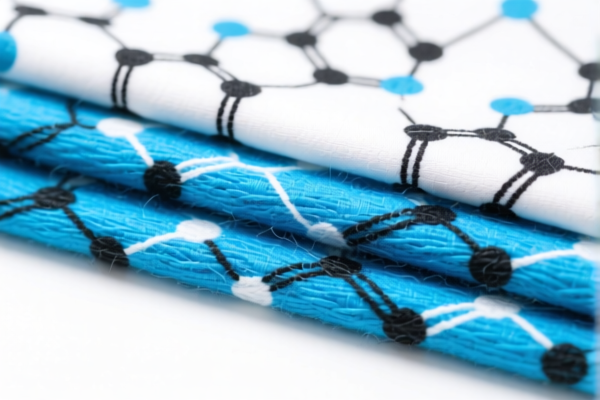
Product Images



AI Analysis
🧪 Chemical Resistant Fiber Cloth Tape (耐化学纤维织物带)
🌐 HS Code Reference & Customs Clearance Guide | 2026 Latest Tariff Analysis | Professional Entry Strategy
📌 Part I: Product Definition & Classification: What Exactly is "Chemical Resistant Fiber Cloth Tape"?
"Chemical Resistant Fiber Cloth Tape" is a broad industrial term. In international trade, its classification depends entirely on its material composition and physical form. It is not a single HS Code but rather a category split across Chapter 54 (Man-made Filaments/Yarns) and Chapter 59 (Textile Impregnated Coated/Laminated Products).
Key Distinctions: * Textile Belts/Straps (General): Woven fabric strips used for packaging, bundling, or general reinforcement. * Transmission/Belt Products: If used specifically for power transmission or material handling (conveyor belts). * Impregnated/Coated Textiles: If the tape is treated with chemicals or rubber to enhance resistance, it may fall under Chapter 59.
⚠️ Critical Classification Point:
- If it is a general woven fabric strip without specific machinery function → Often 5911 (Technical Textiles) or 5407 (Woven Fabrics).
- If it functions as a conveyor/transmission belt → 4010 (Vulcanized Rubber) or 5911.
- If it is a plain woven synthetic fabric not fitted for specific use → 5407.
📦 Part II: HS Code Classification Details (2026 Latest Tariff Authority Comparison)
Based on the provided data, here are the 5 possible classifications for this product, ranging from technical textiles to general synthetics.
| HS Code | Product Description | Application/Reason for Classification | Total Tax Rate |
|---|---|---|---|
5911.31.00.20 |
Chemical Fiber Cloth Tape | Material meets chemical fiber standards; form is cloth tape; classified as Textile Fabric Category. Likely used for technical/paper machinery applications. | 38.8% |
4010.39.41.00 |
Chemical Fiber Cloth Tape | Material: Synthetic Fiber; Form: Transmission Belt/Conveyor Belt. Used for power transmission or material transport. | 43.0% |
5407.94.20.50 |
Chemical Fiber Cloth Tape | Material: Synthetic Fiber; Form: Textile Fabric. No material conflict. Classified as general woven synthetic fabric. | 49.9% |
5407.94.20.20 |
Chemical Fiber Cloth Tape | Material: Synthetic Fiber; Form: Fabric. Purpose inferred as "Other Fabric" category. | 49.9% |
5911.32.00.20 |
Chemical Fiber Cloth Tape | Material: Chemical Fiber; Form: Fabric. Inferred as Paper Machine Cylinder Felt or related technical textile. | 38.8% |
🔍 Key Reminder:
- Chapter 59 (5911) is generally for technical/textile products (like felts, felt-lined belts). If your tape is reinforced with rubber or specialized chemical treatment for industrial machinery, this is the most likely category.
- Chapter 40 (4010) is for rubber belts. If the "cloth tape" is actually a rubber conveyor belt with a fabric carcass, use this.
- Chapter 54 (5407) is for woven fabrics of synthetic filaments. If it’s just a plain woven strip without specific "belt" or "felt" function, it might be misclassified here, leading to higher duties (49.9%). Avoid 5407 if possible, as it attracts the highest tax.
💰 Part III: 2026 Latest Tariff Rate Breakdown (Including Additional Duties & Policy Surcharges)
✅ Applicable Country: United States (US)
✅ Origin: China (CN)
✅ Effective Date: From November 10, 2025 (inclusive of subsequent imports)
🎯 1. 5911.31.00.20 & 5911.32.00.20 —— Technical Textiles / Paper Machine Felts
These two codes share the lowest tax burden among the options.
| Item | Content |
|---|---|
| Base Duty Rate | 3.8% (ad valorem) |
| USITC Additional Duty | +25.0% (Section 301 Tariff) |
| Section 122 Duty | +10.0% (Specific surcharge) |
| Total Tax Rate | 38.8% |
| Tax Calculation | CIF Value × 38.8% |
| De Minimis Eligibility | ❌ No (Not eligible for $800 de minimis exemption) |
| Legal Basis Path | USITC:5911.31.00.20 → FOOTNOTE:301 → Section 122 |
📌 Explanation:
- The 3.8% base rate is low for textile-related imports.
- The 25% Section 301 duty is mandatory for Chinese-origin goods in this category.
- The 10% Section 122 duty is a specific additional levy.
- Total: 38.8%. This is the most cost-effective classification if the product qualifies as a technical textile (e.g., felt, reinforced fabric for machinery).
🎯 2. 4010.39.41.00 —— Transmission/Conveyor Belts
If your product is functionally a belt (for moving materials or transmitting power), this code applies.
| Item | Content |
|---|---|
| Base Duty Rate | 8.0% (ad valorem) |
| USITC Additional Duty | +25.0% (Section 301 Tariff) |
| Section 122 Duty | +10.0% (Specific surcharge) |
| Total Tax Rate | 43.0% |
| Tax Calculation | CIF Value × 43.0% |
| De Minimis Eligibility | ❌ No |
| Legal Basis Path | USITC:4010.39.41.00 → FOOTNOTE:301 → Section 122 |
📌 Note:
- The base duty (8.0%) is higher than Chapter 59.
- Total: 43.0%.
- Use this only if the product is clearly defined as a belt (e.g., "Flat Belt," "Conveyor Belt"). Misclassifying a non-belt fabric here may lead to customs disputes.
🎯 3. 5407.94.20.50 & 5407.94.20.20 —— Synthetic Woven Fabrics (General)
These codes represent general woven synthetic fabrics. They are NOT specific to "tapes" or "belts" but rather generic fabric strips.
| Item | Content |
|---|---|
| Base Duty Rate | 14.9% (ad valorem) |
| USITC Additional Duty | +25.0% (Section 301 Tariff) |
| Section 122 Duty | +10.0% (Specific surcharge) |
| Total Tax Rate | 49.9% |
| Tax Calculation | CIF Value × 49.9% |
| De Minimis Eligibility | ❌ No |
| Legal Basis Path | USITC:5407.94.20.50 → FOOTNOTE:301 → Section 122 |
📌 Warning:
- This is the highest tax bracket (49.9%).
- Only use this if the product is a plain woven fabric strip with no specific industrial application (e.g., decorative tape, general packaging).
- Avoid this classification for technical textiles or belts, as it offers no benefit and maximizes cost.
🛠️ Part IV: Customs Clearance Practical Advice (Battle-Tested Pitfall Guide)
✅ 1. Required Documentation Checklist (Non-Negotiable)
| Document | Must Provide | Description |
|---|---|---|
| ✅ Product Specification Sheet | ✔️ | Details: Material (Nylon/Polyester/PP), Width, Thickness, Chemical Resistance Grade. |
| ✅ Product Photos (Clear) | ✔️ | Show the tape, packaging, and any labels indicating "Industrial Use" or "Chemical Resistant." |
| ✅ Commercial Invoice | ✔️ | Clearly state "Chemical Resistant Fiber Cloth Tape" and specify the HS Code. |
| ✅ Packing List | ✔️ | List net/gross weights, number of rolls. |
| ✅ Material Safety Data Sheet (MSDS) | ✔️ | If the tape is impregnated with chemicals, MSDS may be required to prove compliance. |
| ✅ Certificate of Origin (CO) | ✔️ | Required for origin verification (China origin triggers tariffs). |
✅ 2. Declaration Tips (Key Mantra)
🔥 “Form Defines Code, Function Defines Rate!”
| Scenario | Correct Declaration | Incorrect Practice |
|---|---|---|
| Used in Paper Machines/Heavy Machinery | HS 5911.31.00.20 / 5911.32.00.20 Desc: "Technical Textile Felt/Belt" |
Calling it "Fabric Tape" → Risk of 49.9% |
| Used for Conveyor/Power Transmission | HS 4010.39.41.00 Desc: "Synthetic Conveyor Belt" |
Calling it "Cloth Tape" → May be rejected if not rubberized |
| General Purpose/Packaging | HS 5407.94.20.50 Desc: "Synthetic Woven Fabric Strip" |
Calling it "Technical Belt" → Misclassification risk |
📌 Strategy:
- Prioritize Chapter 59 (5911) if the product is used in industrial machinery. It offers the lowest duty (38.8%).
- Avoid Chapter 54 (5407) unless you have no other option. The 49.9% duty is significant.
- Justification: Provide evidence that the tape is "fitted for specific use" (e.g., paper machine, conveyor) to justify Chapter 59 or 4010.
✅ 3. Special Circumstances Handling
| Situation | Handling Advice |
|---|---|
| OEM Custom Tapes | Provide customer design specs. If the tape is cut to specific sizes for machinery, use 5911 or 4010. |
| Chemical Impregnation | If the tape is coated with rubber or plastic to resist chemicals, it must be declared as Chapter 59 (Impregnated Textiles) or Chapter 40 (Rubber Products), not Chapter 54. |
| Small Samples (De Minimis) | ❌ Do NOT attempt de minimis entry. All codes listed above are not eligible for the $800 exemption. Full entry required. |
| Multi-Purpose Tape | If it can be used both as a belt and general fabric, choose the lower duty code (5911) and provide technical data supporting its industrial use. |
🌍 Part V: Global Market Comparison (2026 Latest)
| Country/Region | Recommended HS Code | Tariff Rate (China Origin) | Certification Requirements | Notes |
|---|---|---|---|---|
| 🇺🇸 USA | 5911.31.00.20 |
38.8% | None specific | Highest risk of Section 301. |
| 🇨🇳 China | 5911.31.00.20 |
5-10% (Varies) | CCC (if applicable) | No Section 301. |
| 🇪🇺 EU | 5911.31.00.20 |
6.5% (Approx.) | CE (if machinery part) | No additional surcharges. |
| 🇬🇧 UK | 5911.31.00.20 |
6.5% (Approx.) | UKCA | Post-Brexit rules apply. |
📌 Conclusion:
- The USA is the most challenging market due to Section 301 and Section 122 tariffs.
- China-origin goods face a 38.8% to 49.9% tariff depending on precise classification.
- Cost Saving Tip: Ensure your product is technically classified as a Technical Textile (5911) rather than a General Fabric (5407) to save ~11% in duty.
📌 Part VI: Common Errors & Pitfall Guide (Lessons from Blood and Tears)
❌ Error 1: Classifying a conveyor belt as a general fabric (5407)
👉 Consequence: Higher duty (49.9%) + potential customs audit for misclassification.
✅ Fix: Use 4010 or 5911 based on material/function.
❌ Error 2: Calling it "Fabric Tape" to avoid "Belt" classification
👉 Consequence: If it’s used in machinery, customs may reclassify it as 5911 or 4010 anyway, causing delays.
✅ Fix: Be honest. Declare "Industrial Cloth Belt" or "Technical Textile Tape".
❌ Error 3: Ignoring Section 122 Tariff
👉 Consequence: Underestimating landed cost by 10%.
✅ Fix: Always add 10% to your cost calculation for China-origin goods.
❌ Error 4: Using De Minimis ($800 exemption) for these codes
👉 Consequence: Entry rejected. All listed HS codes are ineligible for de minimis.
✅ Fix: Always file a formal customs entry (ACE).
🎯 Part VII: Conclusion: Professional Declaration, Save Costs, Ensure Compliance!
🎯 Remember the Mantra:
🔹 "Technical Use? Use 5911 (38.8%). Belt? Use 4010 (43.0%). General Fabric? Avoid 5407 (49.9%)."
🔹 "No De Minimis. Full Entry Required. Section 122 Always Applies."
📌 Pro Tip:
If your Chemical Resistant Fiber Cloth Tape is used in paper machines, textile machinery, or conveyor systems, explicitly state this in your commercial invoice and provide technical diagrams. This supports classification under HS 5911, which offers the lowest tax rate (38.8%).
📞 Immediate Action:
📞 Contact a professional customs broker + Provide Product Specs + Apply for HS Code Pre-Ruling
🚀 Ensure your chemical resistant tape, clears customs smoothly, avoids audits, and maximizes profit!
✨ Professional Clearance Starts with Accurate Classification!
💼 Every Cent of Duty Saved is Pure Profit!
Customer Reviews
About HS Code Classification
The Harmonized System (HS) is an internationally standardized nomenclature developed by the World Customs Organization (WCO) to classify traded products. Over 200 countries use the HS system as the basis for customs tariffs, trade statistics, and import/export regulations.
Each HS code follows a hierarchical structure:
- Chapter (2 digits) — Broad category of goods (e.g., Chapter 84: Machinery and Mechanical Appliances)
- Heading (4 digits) — More specific grouping within the chapter
- Subheading (6 digits) — Internationally standardized breakdown, used by all WCO member countries
- National subdivisions (8-10 digits) — Country-specific extensions for further classification, such as US HTSUS 10-digit codes
Correct HS code classification is essential for smooth customs clearance, accurate duty payment, and compliance with trade regulations. Misclassification can lead to customs delays, overpayment of duties, or penalties.
When importing from CN to US, the applicable tariff rates may include:
- Most-Favored-Nation (MFN) rate — The standard duty rate applied to WTO members
- General rate — Applied to countries without trade agreements
- Trade remedy duties — Additional tariffs such as Section 301 (anti-dumping), Section 232 (national security), or countervailing duties
The information provided on this page is for reference purposes only. For official classification, please consult with your local customs authority or a licensed customs broker.