Chemical Resistant Synthetic Rubber
CN → US| HS Code | Tariff Rate | Origin | Destination | Doc |
|---|---|---|---|---|
| 3911907000 | 35.0% | CN | US | Official Doc |
| 3911901000 | 35.0% | CN | US | Official Doc |
| 4002990000 | 35.0% | CN | US | Official Doc |
| 4005200000 | 35.0% | CN | US | Official Doc |
| 4005100000 | 35.0% | CN | US | Official Doc |
Product Images
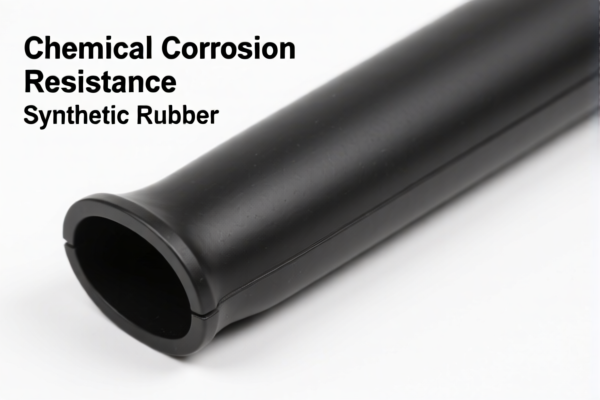
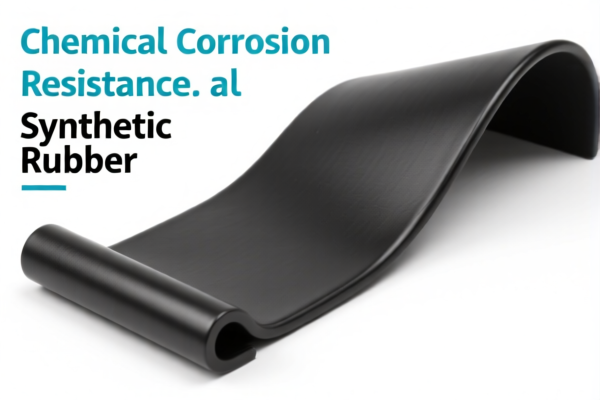
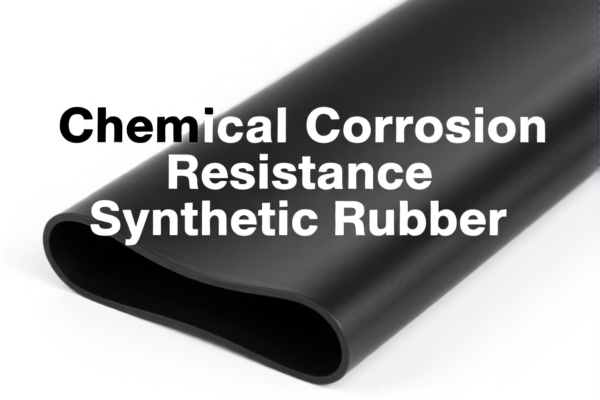
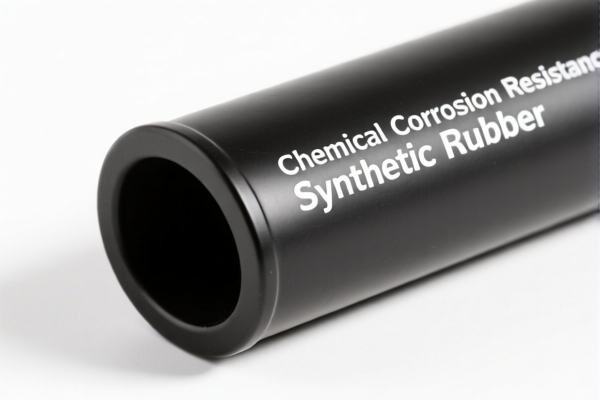
AI Analysis
🧪 Chemical Resistant Synthetic Rubber: HS Code Classification & 2026 US Customs Clearance Guide
🌐 HS Code Reference & Customs Clearance Guide | 2026 Latest Tariff Analysis | Professional Clearance Strategy
📌 Part 1: Product Definition & Classification: What is "Chemical Resistant Synthetic Rubber"?
Chemical resistant synthetic rubber refers to high-performance elastomers designed to withstand aggressive chemicals, solvents, oils, and high temperatures. In international trade, it is primarily categorized under Chapter 40 (Rubber and Articles Thereof) or Chapter 39 (Plastics and Articles Thereof) depending on the specific chemical structure and state (vulcanized vs. unvulcanized).
Key Distinction:
- Synthetic Rubber (Chapter 40): Includes Butyl, Chlorobutyl, Chloroprene (Neoprene), Acrylonitrile Butadiene (NBR), and other synthetic elastomers.
- Polymeric Materials (Chapter 39): Some specialized synthetic rubbers may be classified under Chapter 39 if they are considered "plastics" or specific polymer types (e.g., certain sulfonated rubbers).
⚠️ Critical Classification Point:
- If the rubber is unvulcanized and mixed with additives → Often classified under 4005 or 3911.
- If the rubber is vulcanized or finished goods → Different HS codes apply (not covered in this specific dataset).
- Data Source Constraint: This guide strictly uses the provided<DATA>which lists five specific HS codes for "High-Temperature Synthetic Rubber" with chemical resistance properties.
📦 Part 2: HS Code Classification Details (2026 Latest Tariff Authority)
The following table details the five HS codes provided in the <DATA> set, all applicable to Chemical Resistant Synthetic Rubber.
| HS Code | Product Description | Classification Basis | Key Characteristics |
|---|---|---|---|
3911.90.70.00 |
High-Temp Synthetic Rubber, Chlorinated Synthetic Rubber | Chapter 39 (Plastics) | Chlorinated rubber base, high chemical resistance |
3911.90.10.00 |
High-Temp Synthetic Rubber, Polysulfide & Related Elastomers | Chapter 39 (Plastics) | Polysulfide-based, excellent solvent resistance |
4002.99.00.00 |
High-Temp Synthetic Rubber, Other Synthetic Rubbers | Chapter 40 (Rubber) | General synthetic rubber, not specified further |
4005.20.00.00 |
High-Temp Synthetic Rubber, Unvulcanized Mixed Rubber | Chapter 40 (Rubber) | Unvulcanized, compounded with additives |
4005.10.00.00 |
High-Temp Synthetic Rubber, Specific Performance Raw Material | Chapter 40 (Rubber) | Specific engineered synthetic rubber raw material |
🔍 Important Note:
- All five HS codes in the dataset have a total tax rate of 35% for US imports from China.
- Classification depends on the chemical composition (chlorinated vs. polysulfide vs. other) and state (unvulcanized mixed vs. specific raw material).
💰 Part 3: 2026 Latest Tariff Rate Breakdown (Including Surcharges)
✅ Applicable Country: United States (US)
✅ Origin: China (CN)
✅ Effective Date: 2025+ (Current rates apply)
🎯 1. 3911.90.70.00 – Chlorinated Synthetic Rubber
| Item | Detail |
|---|---|
| Base Tariff | 0.0% |
| Section 301 Tariff | 25.0% |
| Section 122 Tariff | 10.0% |
| Total Tax Rate | 35.0% |
| Tax Calculation | CIF Value × 35% |
| De Minimis Exemption | ❌ Not Eligible (denied for these HS codes under current rules) |
| Legal Basis | Section 301: 25% + Section 122: 10% |
📌 Explanation:
- Section 301: 25% tariff on Chinese imports under US Trade Act Section 301.
- Section 122: 10% tariff under Section 122 of the Trade Act of 1962 (for national security/import relief).
- Total 35% is a high tariff burden. Pre-clearance assessment is critical.
🎯 2. 3911.90.10.00 – Polysulfide & Related Elastomers
| Item | Detail |
|---|---|
| Base Tariff | 0.0% |
| Section 301 Tariff | 25.0% |
| Section 122 Tariff | 10.0% |
| Total Tax Rate | 35.0% |
| Tax Calculation | CIF Value × 35% |
| De Minimis Exemption | ❌ Not Eligible |
| Legal Basis | Section 301: 25% + Section 122: 10% |
📌 Explanation:
- Polysulfide rubbers (e.g., Thiokol) are highly resistant to fuels and solvents.
- Same tax structure as above: 0% base + 25% (301) + 10% (122) = 35%.
🎯 3. 4002.99.00.00 – Other Synthetic Rubber
| Item | Detail |
|---|---|
| Base Tariff | 0.0% |
| Section 301 Tariff | 25.0% |
| Section 122 Tariff | 10.0% |
| Total Tax Rate | 35.0% |
| Tax Calculation | CIF Value × 35% |
| De Minimis Exemption | ❌ Not Eligible |
| Legal Basis | Section 301: 25% + Section 122: 10% |
📌 Explanation:
- This is a "catch-all" for synthetic rubbers not specified in other subheadings (e.g., certain types of EPDM, IIR).
- 35% total tax applies uniformly.
🎯 4. 4005.20.00.00 – Unvulcanized Mixed Rubber
| Item | Detail |
|---|---|
| Base Tariff | 0.0% |
| Section 301 Tariff | 25.0% |
| Section 122 Tariff | 10.0% |
| Total Tax Rate | 35.0% |
| Tax Calculation | CIF Value × 35% |
| De Minimis Exemption | ❌ Not Eligible |
| Legal Basis | Section 301: 25% + Section 122: 10% |
📌 Explanation:
- Applies to rubber compounds that have not yet been vulcanized (cured).
- Commonly used in manufacturing seals, gaskets, and hoses.
- 35% total tax applies.
🎯 5. 4005.10.00.00 – Specific Performance Rubber Raw Material
| Item | Detail |
|---|---|
| Base Tariff | 0.0% |
| Section 301 Tariff | 25.0% |
| Section 122 Tariff | 10.0% |
| Total Tax Rate | 35.0% |
| Tax Calculation | CIF Value × 35% |
| > De Minimis Exemption | ❌ Not Eligible |
| Legal Basis | Section 301: 25% + Section 122: 10% |
📌 Explanation:
- For synthetic rubbers with specific engineered properties (e.g., enhanced heat/chemical resistance).
- 35% total tax applies.
🛠️ Part 4: Customs Clearance Practical Advice
✅ 1. Required Documentation (Mandatory)
| Document | Required | Notes |
|---|---|---|
| ✅ Product Specification Sheet | ✔️ | Must detail chemical composition, resistance properties, and temperature range. |
| ✅ Material Safety Data Sheet (MSDS/SDS) | ✔️ | Essential for chemical handling and classification verification. |
| ✅ Certificate of Origin (CO) | ✔️ | Proves Chinese origin; crucial for calculating surtaxes. |
| ✅ Commercial Invoice | ✔️ | Must clearly state "Synthetic Rubber" and HS code. |
| ✅ Packing List | ✔️ | Detail weight, volume, and packaging type. |
| ✅ Test Reports | ✔️ | Lab reports proving chemical/heat resistance properties. |
✅ 2. Declaration Tips (Key Mantras)
🔥 "Correct Composition, Clear Description, Avoid Misclassification!"
| Scenario | Correct Declaration | Wrong Practice |
|---|---|---|
| Chlorinated Rubber | Declare as 3911.90.70.00 with "Chlorinated Synthetic Rubber" |
Misclassifying as 4002 → Risk of audit & penalties |
| Polysulfide Rubber | Declare as 3911.90.10.00 with "Polysulfide Elastomer" |
Calling it "Plastic" → Incorrect chapter |
| Unvulcanized Compound | Declare as 4005.20.00.00 with "Unvulcanized Mixed Rubber" |
Declaring as "Finished Parts" → Wrong tariff |
| General Synthetic Rubber | Declare as 4002.99.00.00 with "Synthetic Rubber, Other" |
Vague description → Customs delay |
✅ 3. Special Considerations
| Scenario | Handling Advice |
|---|---|
| High-Value Shipments | Consider Advance Ruling from CBP to confirm HS code and tariff liability. |
| Mixed Products | If rubber is part of a larger assembly, ensure it is not classified as a "finished article" which may have different duties. |
| Chemical Compliance | Ensure compliance with EPA and OSHA regulations for handling and transport. |
| Section 122 Eligibility | Verify if any exemptions apply under current executive orders (currently, none apply to these HS codes from China). |
🌍 Part 5: Global Market Comparison (2026)
| Country/Region | Recommended HS Code | Tariff Rate | Notes |
|---|---|---|---|
| 🇺🇸 USA | 3911.90.70.00 / 4005.20.00.00 etc. |
35% | 25% (301) + 10% (122) + 0% base |
| 🇨🇳 China | Varies by export | 0% (Export) | Domestic production may have different incentives |
| 🇪🇺 EU | Varies (e.g., 4002, 3911) | 0-6.5% | No Section 301/122 equivalent; lower tariffs |
| 🇯🇵 Japan | Varies | 0-5% | Generally lower duties on rubber products |
| 🇮🇳 India | Varies | 5-15% | Higher than EU but lower than US |
📌 Conclusion:
- USA has the highest tariff burden for Chinese-origin synthetic rubber due to Section 301 and 122 duties.
- EU, Japan, and India offer more favorable tariff structures.
- Strategic Recommendation: Consider supply chain diversification (e.g., sourcing from Vietnam, Mexico, or Thailand) to avoid US surtaxes.
📌 Part 6: Common Errors & Pitfalls
❌ Error 1: Misclassifying unvulcanized rubber as finished rubber goods
👉 Consequence: Incorrect tariff application; potential duty underpayment/overpayment.
❌ Error 2: Failing to specify chemical composition in documentation
👉 Consequence: Customs may reclassify, leading to delays and additional duties.
❌ Error 3: Ignoring Section 122 tariffs
👉 Consequence: Unexpected 10% surcharge; financial planning errors.
❌ Error 4: Assuming de minimis exemption applies
👉 Consequence: Shipments under $800 may still be subject to tariffs for these HS codes.
✅ Correct Practice:
"High-Temperature Synthetic Rubber, Polysulfide-Based, Unvulcanized, Chemical Resistant, for Industrial Seal Manufacturing"
🎯 Part 7: Conclusion: Precision in Classification Saves Money
🎯 Remember the Mantra:
🔹 "35% Total Tax, 25% + 10%, No Exemptions for China."
🔹 "Correct HS Code, Avoid Penalties, Smooth Clearance."
📌 Pro Tip:
If your synthetic rubber is sourced from Vietnam, Mexico, or Thailand, you may qualify for lower or zero tariffs due to FTAs (e.g., USMCA, ASEAN).
Apply for Pre-Rulings with CBP to confirm HS code and tariff liability before shipment.
📣 Immediate Action:
📞 Contact a Licensed Customs Broker
📄 Provide Product Specs & MSDS
🚀 Achieve Efficient Clearance & Maximize Profit Margins!
✨ Professional Clearance Starts with Accurate Classification!
💼 Every Dollar Saved on Duties is Pure Profit!
Customer Reviews
About HS Code Classification
The Harmonized System (HS) is an internationally standardized nomenclature developed by the World Customs Organization (WCO) to classify traded products. Over 200 countries use the HS system as the basis for customs tariffs, trade statistics, and import/export regulations.
Each HS code follows a hierarchical structure:
- Chapter (2 digits) — Broad category of goods (e.g., Chapter 84: Machinery and Mechanical Appliances)
- Heading (4 digits) — More specific grouping within the chapter
- Subheading (6 digits) — Internationally standardized breakdown, used by all WCO member countries
- National subdivisions (8-10 digits) — Country-specific extensions for further classification, such as US HTSUS 10-digit codes
Correct HS code classification is essential for smooth customs clearance, accurate duty payment, and compliance with trade regulations. Misclassification can lead to customs delays, overpayment of duties, or penalties.
When importing from CN to US, the applicable tariff rates may include:
- Most-Favored-Nation (MFN) rate — The standard duty rate applied to WTO members
- General rate — Applied to countries without trade agreements
- Trade remedy duties — Additional tariffs such as Section 301 (anti-dumping), Section 232 (national security), or countervailing duties
The information provided on this page is for reference purposes only. For official classification, please consult with your local customs authority or a licensed customs broker.