Chemical Waste Collection Box
CN → US| HS Code | Tariff Rate | Origin | Destination | Doc |
|---|---|---|---|---|
| 8479906500 | 17.5% | CN | US | Official Doc |
| 3924905650 | 20.9% | CN | US | Official Doc |
| 7310290030 | 85.0% | CN | US | Official Doc |
| 7310290055 | 85.0% | CN | US | Official Doc |
| 8479895500 | 20.3% | CN | US | Official Doc |
Product Images
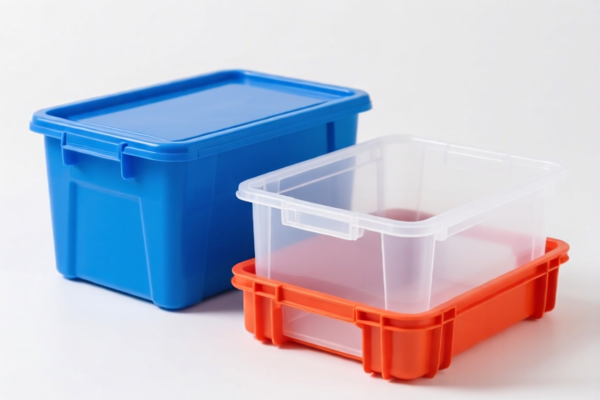
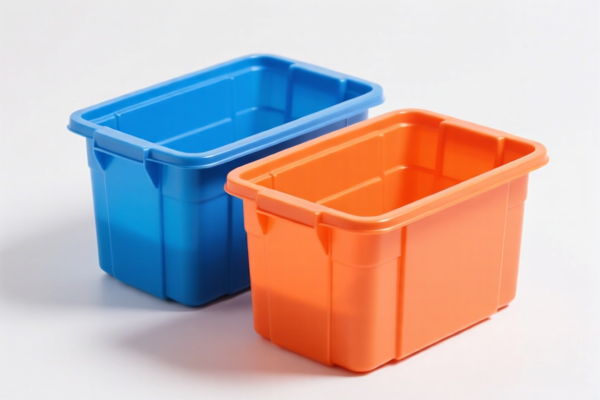
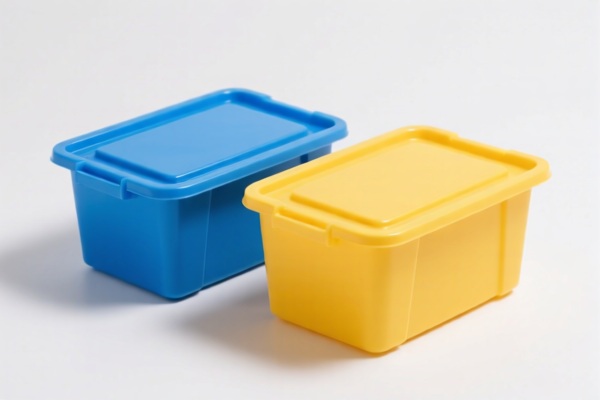
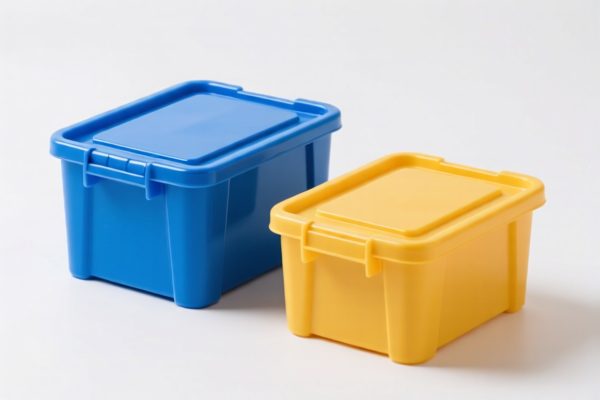
AI Analysis
🧪 Chemical Waste Collection Box (Hazmat Storage)
🌐 HS Code Reference & Customs Clearance Guide | 2026 Latest Tariff Analysis | Professional Compliance Strategy
📌 I. Product Definition and Classification: Do You Truly Understand "Chemical Waste Boxes"?
Chemical waste collection boxes are specialized industrial containers designed for the safe storage, segregation, and transport of hazardous materials. In international trade, these are not simple "bins" but critical safety equipment. The classification depends heavily on Material, Structure, and Function.
⚠️ Key Distinction Points:
- If the box is a component part of a larger machine (e.g., the hopper of a compactor) →归入 8479.90.65.00
- If it is a plastic container for general household or non-industrial use →归入 3924.90.56.50
- If it is a metal (steel/aluminum) box for industrial transport/storage →归入 7310.29.00.30 or 7310.29.00.55
- If it is a complete mechanical unit (e.g., a compacting unit) →归入 8479.89.55.00
📦 II. HS Code Classification Details (2026 Latest Tariff Authority Mapping)
| HS Code | Product Description | Application Scenario | Material/Structure |
|---|---|---|---|
8479.90.65.00 |
Parts of machinery: Container components for waste recovery | Used in waste recycling systems; matches the application scenario of garbage compactors | Component/Part |
3924.90.56.50 |
Plastic tableware, kitchenware, or other household articles | Inferenced as plastic material; falls under household or general utility articles | Plastic |
7310.29.00.30 |
Iron or steel containers (excluding pressure vessels) | Industrial recycling boxes; matches metal (steel/aluminum) attributes for transport/storage | Metal (Steel/Aluminum) |
7310.29.00.55 |
Other iron or steel containers | Industrial containers; matches iron/steel material with no conflict | Metal (Steel/Iron) |
8479.89.55.00 |
Other machines and mechanical appliances: Waste processing machinery | Matches the function of waste processing (compacting); falls under mechanical appliances | Mechanical Unit |
🔍 Critical Reminder:
- "Chemical Waste Box" is a generic term. You MUST specify if it is a simple container (HS 7310/3924) or a machine component/unit (HS 8479). - If it is a metal box used for industrial transport, it is classified under 7310, not as a "part" of a machine unless it is an integral, non-detachable component of a compactor.
💰 III. 2026 Latest Tariff Rate Breakdown (Including Surcharges & Policy Add-ons)
✅ Applicable Country: United States (US)
✅ Origin: China (CN)
✅ Effective Date: November 10, 2025 onwards (for subsequent imports)
🎯 1. 8479.90.65.00 — Parts: Container Components for Waste Recovery
| Item | Content |
|---|---|
| Base Duty Rate | 0% (ad valorem) |
| Section 301 Surcharge | +7.5% |
| Section 122 Tariff | +10% |
| Total Tariff Rate | 17.5% |
| Tax Calculation | CIF Value × 17.5% |
| De Minimis Eligibility | ❌ No (Deny de minimis) |
| Legal Basis Path | Base: 0% → Sec301: 7.5% → Sec122: 10% |
📌 Explanation:
- This code applies if the item is explicitly a component (e.g., a hopper) of a waste handling machine. - Total 17.5% is moderate but still significant compared to base 0%.
🎯 2. 3924.90.56.50 — Plastic Tableware/Other Plastic Articles
| Item | Content |
|---|---|
| Base Duty Rate | 3.4% |
| Section 301 Surcharge | +7.5% |
| Section 122 Tariff | +10% |
| Total Tariff Rate | 20.9% |
| Tax Calculation | CIF Value × 20.9% |
| De Minimis Eligibility | ❌ No |
| Legal Basis Path | Base: 3.4% → Sec301: 7.5% → Sec122: 10% |
📌 Explanation:
- If customs determines your "box" is made of plastic and looks like household/industrial plasticware, it falls here. - Total 20.9% includes the base duty, which makes it slightly more expensive than the metal component option.
🎯 3. 7310.29.00.30 — Iron/Steel Containers (Industrial Transport)
| Item | Content |
|---|---|
| Base Duty Rate | 0% |
| Section 301 Surcharge | +25.0% |
| Section 122 Tariff | +10% |
| Steel/Aluminum Surcharge | +50% (Specific to Steel/Aluminum products) |
| Total Tariff Rate | 85.0% |
| Tax Calculation | CIF Value × 85.0% |
| De Minimis Eligibility | ❌ No |
| Legal Basis Path | Base: 0% → Sec301: 25% → Sec122: 10% → Steel/Alum Surcharge: 50% |
📌 ⚠️ HIGH RISK ALERT:
- This is the highest tariff option. - Steel containers imported from China face an additional 50% surcharge for steel/aluminum products. - Total 85% makes this category extremely costly. Only use if no other classification fits.
🎯 4. 7310.29.00.55 — Other Iron/Steel Containers
| Item | Content |
|---|---|
| Base Duty Rate | 0% |
| Section 301 Surcharge | +25.0% |
| Section 122 Tariff | +10% |
| Steel/Aluminum Surcharge | +50% |
| Total Tariff Rate | 85.0% |
| Tax Calculation | CIF Value × 85.0% |
| De Minimis Eligibility | ❌ No |
| Legal Basis Path | Base: 0% → Sec301: 25% → Sec122: 10% → Steel/Alum Surcharge: 50% |
📌 Explanation:
- Similar to 7310.29.00.30. The distinction between .30 and .55 is subtle in tariff application here; both attract the full 50% steel surcharge. - Avoid this category unless you are certain the item is a standalone steel box and not a machine part.
🎯 5. 8479.89.55.00 — Other Machinery: Waste Processing
| Item | Content |
|---|---|
| Base Duty Rate | 2.8% |
| Section 301 Surcharge | +7.5% |
| Section 122 Tariff | +10% |
| Total Tariff Rate | 20.3% |
| Tax Calculation | CIF Value × 20.3% |
| De Minimis Eligibility | ❌ No |
| Legal Basis Path | Base: 2.8% → Sec301: 7.5% → Sec122: 10% |
📌 Explanation:
- Applies if the "box" is actually a machine (e.g., a self-contained compactor unit) that processes waste. - Total 20.3% is competitive, slightly higher than the plastic option, but far lower than the steel container option.
🛠️ IV. Customs Clearance Practical Advice (Battle-Tested Pitfall Avoidance)
✅ 1. Documentation Checklist (Non-Negotiable)
| Document | Must Provide | Explanation |
|---|---|---|
| ✅ Product Specification Sheet | ✔️ | Must detail: Material (Plastic/Metal), Dimensions, Capacity, Chemical Compatibility |
| ✅ Product Photos (Labeled) | ✔️ | Show the box alone vs. installed in a machine. This determines if it's a "part" or "container". |
| ✅ Commercial Invoice | ✔️ | Use precise description: "Steel Container for Industrial Waste" vs. "Part of Waste Compactor". |
| ✅ MSDS (Material Safety Data Sheet) | ✔️ | Required for chemical waste containers to prove safety standards. |
| ✅ Certificate of Origin (CO) | ✔️ | To verify China origin and apply surcharges correctly. |
| ✅ Packing List | ✔️ | Indicate if the box is shipped with a machine or separately. |
✅ 2. Declaration Strategy (Key Mantra)
🔥 “Don’t Call it a Box if it’s a Part, Don’t Call it a Part if it’s a Box!”
| Scenario | Correct Declaration | Wrong Practice |
|---|---|---|
| Standalone Plastic Bin | 3924.90.56.50 (20.9%) |
Declare as "Metal Part" → Audit Risk |
| Standalone Steel Drum/Box | 7310.29.00.30 (85.0%) |
Avoid this if possible due to high tax |
| Hopper/Part of Compactor | 8479.90.65.00 (17.5%) |
Declare as "Steel Box" → 85% Tax! |
| Self-Contained Compactor | 8479.89.55.00 (20.3%) |
Declare as "Container" → 85% Tax! |
✅ 3. Special Case Handling
| Situation | Handling Advice |
|---|---|
| Mixed Materials | If the box is steel with a plastic lid, customs may classify based on the principal material (Steel → 85%). Consider if the plastic component is minor. |
| OEM Custom Design | Provide design drawings showing the box is interchangeable or specific to a machine. Specific parts lean towards 8479. |
| Used/Refurbished | Provide proof of prior use and cleaning. Hazardous waste containers have strict sanitation rules. |
| Drum vs. Box | If it’s a cylindrical drum, it’s often 7310. If it’s a rectangular bin with a lid, it might be 3924 (if plastic) or 7310 (if metal). |
🌍 V. Global Market Clearance Comparison (2026 Latest)
| Country/Region | Recommended HS Code | Tariff Rate | Certification Required | Notes |
|---|---|---|---|---|
| 🇺🇸 USA | 8479.90.65.00 or 3924.90.56.50 |
17.5% - 20.9% | OSHA Compliant | Avoid 7310 (85%) |
| 🇨🇳 China | 8479.90.65.00 or 7310 |
0% - 8% | None | No Section 301/122 |
| 🇪🇺 EU | 8479.90.65.00 |
0% (if machinery part) | CE Marking | Favorable for machinery parts |
| 🇬🇧 UK | 8479.90.65.00 |
0% - 5% | UKCA | Post-Brexit rules apply |
📌 Conclusion:
- The USA is the most costly market due to Section 301 and 122 tariffs. - Strategic Recommendation: If your product is a metal box, try to justify it as a "Part of Machinery" (8479.90.65.00) rather than a standalone "Container" (7310). This saves ~67.5% in tariffs!
📌 VI. Common Errors & Pitfalls (Blood Lessons)
❌ Error 1: Declaring a standalone steel chemical bin as 7310
👉 Consequence: 85% Tax!
✅ Fix: Check if it’s a part of a larger system. If so, declare as 8479.90.65.00 (17.5%).
❌ Error 2: Declaring a plastic bin as "Steel Container"
👉 Consequence: Wrong HS Code, potential fraud allegations, and delays.
✅ Fix: Clearly state material in the invoice: "HDPE Plastic Waste Bin".
❌ Error 3: Ignoring the "Chemical" aspect
👉 Consequence: Hazardous material violations.
✅ Fix: Provide MSDS and ensure the container is rated for chemical resistance.
🎯 VII. Conclusion: Precise Classification Saves Money!
🎯 Remember the Mantra:
🔹 "Metal Box? 85%! Machine Part? 17.5%! Plastic Bin? 20.9%!"
🔹 "HS Code Defines Life, Tax Rate Defines Profit. Declare Correctly, Pay Less."
📌 Pro Tip:
If your product is exported to the USA, consider:
1. Pre-Ruling: Apply for an Advance Ruling from US CBP to confirm if your metal box is a "part" or "container".
2. Supply Chain Adjustment: If possible, source plastic components (3924) to avoid the steel surcharge.
3. Documentation: Ensure the commercial invoice explicitly states "Part of Waste Recovery System" if claiming 8479.90.65.00.
📣 Immediate Action:
📞 Contact your customs broker with 3 photos (front, side, installed) and spec sheet.
🚀 Optimize your HS Code to reduce the 85% risk to 17.5%.
✨ Professional Clearance Starts with Accurate Classification!
💼 Every percentage point saved is pure profit!
Customer Reviews
About HS Code Classification
The Harmonized System (HS) is an internationally standardized nomenclature developed by the World Customs Organization (WCO) to classify traded products. Over 200 countries use the HS system as the basis for customs tariffs, trade statistics, and import/export regulations.
Each HS code follows a hierarchical structure:
- Chapter (2 digits) — Broad category of goods (e.g., Chapter 84: Machinery and Mechanical Appliances)
- Heading (4 digits) — More specific grouping within the chapter
- Subheading (6 digits) — Internationally standardized breakdown, used by all WCO member countries
- National subdivisions (8-10 digits) — Country-specific extensions for further classification, such as US HTSUS 10-digit codes
Correct HS code classification is essential for smooth customs clearance, accurate duty payment, and compliance with trade regulations. Misclassification can lead to customs delays, overpayment of duties, or penalties.
When importing from CN to US, the applicable tariff rates may include:
- Most-Favored-Nation (MFN) rate — The standard duty rate applied to WTO members
- General rate — Applied to countries without trade agreements
- Trade remedy duties — Additional tariffs such as Section 301 (anti-dumping), Section 232 (national security), or countervailing duties
The information provided on this page is for reference purposes only. For official classification, please consult with your local customs authority or a licensed customs broker.