Chemically Modified Natural Polymer Resin
CN → US| HS Code | Tariff Rate | Origin | Destination | Doc |
|---|---|---|---|---|
| 1302390090 | 20.7% | CN | US | Official Doc |
| 1302320020 | 17.5% | CN | US | Official Doc |
| 3824100000 | 41.0% | CN | US | Official Doc |
| 3824992100 | 35.0% | CN | US | Official Doc |
| 3907400000 | 40.8% | CN | US | Official Doc |
Product Images
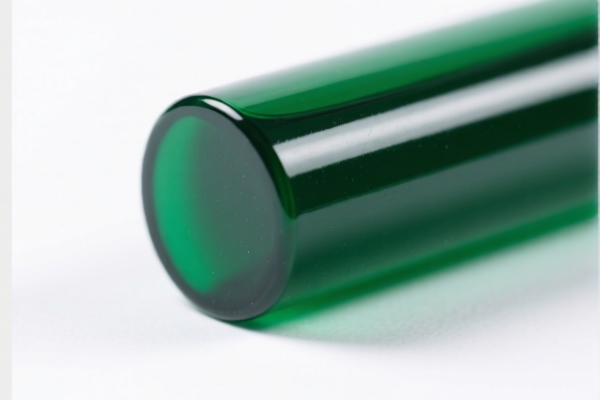

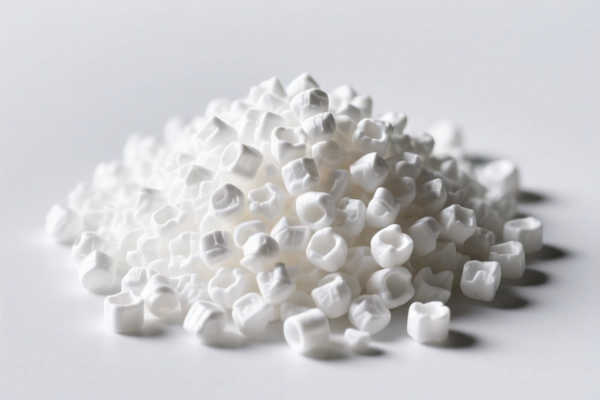
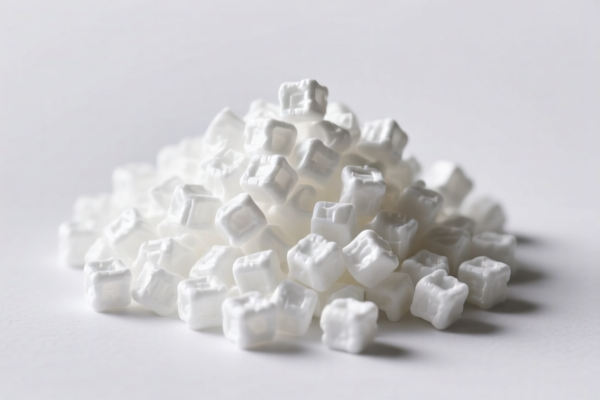
AI Analysis
🧪 Chemically Modified Natural Polymer Resin
HS Code Classification & U.S. Customs Clearance Guide | 2026 Updated Tariff Analysis
🌐 HS Code Reference & Clearance Strategy | Professional Grade Customs Insights
This document provides a detailed breakdown of the HS Code classification for Chemically Modified Natural Polymer Resin based on the provided dataset. It highlights the significant impact of product formulation, physical state, and regulatory classification on duty rates.
⚠️ Critical Warning:
The classification of "modified natural polymers" is highly sensitive to their origin (plant-based vs. synthetic modification) and physical form. Misclassification can lead to massive duty discrepancies (from 17.5% to 41.0%) and potential customs delays.
📦 I. HS Code Classification Matrix (2026 Latest Tariff Data)
Below are the four primary classifications identified in the data, ranging from lowest tax (17.5%) to highest tax (41.0%).
| HS Code | Classification Logic | Tax Rate | Key Justification |
|---|---|---|---|
1302.32.00.20 |
Natural Polymers / Plant-Based | 17.5% | Classified as a "modified natural polymer powder" in primary form, consistent with plant-derived adhesives/thickeners. |
1302.39.00.90 |
Other Modified Natural Polymers | 20.7% | Powder form, derived from plant extracts, categorized as plant-based mucilage/thickening agents. |
3824.99.21.00 |
Prepared Binders / Chemical Preparations | 35.0% | Powder form, but classified under chemical preparations due to "modified" nature fitting chemical product characteristics. |
3824.10.00.00 |
Prepared Binders for Metal Casting | 41.0% | Classified as a "prepared chemical" suitable as a binder raw material, falling under specific chemical preparation codes. |
Note: The data also lists
3907.40.00.00(Polycarbonate Resin) with a 40.8% tax rate. This appears to be a misclassification or alternative material (Polycarbonate is synthetic, not "Natural Polymer"). If the resin is strictly natural, this code is likely incorrect unless the product is fully synthetic polycarbonate.
💰 II. Detailed Tariff Breakdown (U.S. Import from China)
All tariffs below assume Origin: China (CN) and Destination: USA (US), including Section 301 duties and IEEPA surcharges.
🎯 Option 1: 1302.32.00.20 — Best Case (Lowest Duty)
- Product Description: Modified natural polymer powder, primary form, plant-derived adhesive/thickener.
- Tax Structure:
- Base Duty: 0.0%
- Section 301 (Additional): 7.5%
- IEEPA (China Surcharge): 10.0%
- Total Effective Rate: 17.5%
- Why This Rate?: Harmonized Tariff Schedule (HTS) Chapter 13 covers "Extracts of Barks, Leaves, Fruits, etc." and "Pectic Substances, Agar-Agar, and Other Mucilages and Thickeners." If the modification is minor or retains its natural plant identity, this is the most favorable code.
🎯 Option 2: 1302.39.00.90 — Moderate Duty
- Product Description: Modified natural polymer powder, plant extract范畴, mucilage/thickener.
- Tax Structure:
- Base Duty: 3.2%
- Section 301 (Additional): 7.5%
- IEEPA (China Surcharge): 10.0%
- Total Effective Rate: 20.7%
- Why This Rate?: This falls under "Other" natural polymers. The base duty is slightly higher, but the additional taxes remain the same.
🎯 Option 3: 3824.99.21.00 — High Duty
- Product Description: Powder form, modified natural polymer, classified as a chemical preparation.
- Tax Structure:
- Base Duty: 0.0%
- Section 301 (Additional): 25.0%
- IEEPA (China Surcharge): 10.0%
- Total Effective Rate: 35.0%
- Why This Rate?: Chapter 38 covers "Miscellaneous Chemical Products." If the polymer is significantly modified or used as a generic chemical binder/preparation, it moves out of Chapter 13. The Section 301 duty jumps from 7.5% to 25%.
🎯 Option 4: 3824.10.00.00 — Worst Case (Highest Duty)
- Product Description: Prepared chemical, binder raw material.
- Tax Structure:
- Base Duty: 6.0%
- Section 301 (Additional): 25.0%
- IEEPA (China Surcharge): 10.0%
- Total Effective Rate: 41.0%
- Why This Rate?: This code is often for "Prepared binders for metal casting or foundry molds." If customs determines your "powder" is a prepared binder rather than a raw polymer material, this high duty applies.
🛠️ III. Customs Clearance Strategy & Recommendations
✅ 1. Product Documentation (Must-Haves)
To support the 17.5% or 20.7% classification (Chapter 13), you must prove the product is plant-based and retains its natural polymer character.
| Document | Purpose |
|---|---|
| Certificate of Origin (CO) | Proves origin from China (triggers tariffs) or other countries (potential exemptions). |
| MSDS / SDS | Critical: Must clearly state the ingredient is a "Natural Polymer" (e.g., modified starch, cellulose, gum) and not a synthetic resin like polycarbonate. |
| Formula / Composition Analysis | Detail the % of natural polymer vs. chemical modifiers. High natural content supports Chapter 13. |
| Physical State Proof | Photos and specs showing "Powder" form. |
| Function Description | Describe use as "thickener," "adhesive," or "mucilage" rather than "industrial binder" or "plastic resin." |
✅ 2. Classification Strategy: How to Choose?
| Scenario | Recommended HS Code | Tax Rate | Action |
|---|---|---|---|
| Plant-Based Extract (e.g., modified starch, gum) | 1302.32.00.20 |
17.5% | ✅ Preferred. Emphasize "Plant Origin" and "Primary Form." |
| Plant-Based, Other Natural Polymer | 1302.39.00.90 |
20.7% | ✅ Good. If specific sub-heading doesn't fit. |
| Highly Modified / Chemical Preparation | 3824.99.21.00 |
35.0% | ⚠️ Risk. Only if natural character is lost. |
| Used as Foundry Binder | 3824.10.00.00 |
41.0% | ❌ Avoid. Unless specifically for metal casting. |
📌 Key Distinction:
- Chapter 13 (1302.xxxx): Natural polymers in primary forms, or slightly modified for preservation/purification.
- Chapter 38 (3824.xxxx): Prepared chemical binders, mixtures, or preparations where the natural character is secondary to the chemical preparation.
✅ 3. Common Customs Pitfalls
❌ Pitfall 1: Calling it "Resin" or "Plastic"
👉 Risk: Customs may reclassify as 3907.40.00.00 (Polycarbonate) or 3902.xxxx (Plastics), leading to high duties and FDA/ASTA scrutiny.
✅ Fix: Use terms like "Modified Natural Polymer Powder," "Plant-Based Thickeners," or "Natural Gum Derivatives."
❌ Pitfall 2: Hiding the Modification Process
👉 Risk: If the modification is extensive (e.g., chemical cross-linking that creates a new synthetic substance), Chapter 13 is invalid.
✅ Fix: Provide technical data showing the polymer backbone remains natural (e.g., cellulose, starch, alginate).
❌ Pitfall 3: Incorrect "Form" Declaration
👉 Risk: Claiming "Liquid" when it's "Powder" (or vice versa) triggers inspection.
✅ Fix: Ensure physical form matches HS Code descriptions exactly.
✅ 4. Clearance Tips
- Pre-Ruling Request: If the product is borderline between Chapter 13 and 38, file an Advanced Ruling Request with CBP to lock in the lower tax rate.
- Supplier Declaration: Get a written statement from the manufacturer confirming the product is derived from natural sources and not a synthetic polymer.
- HS Code Precision: Do not use generic codes. Use the most specific 10-digit code (
1302.32.00.20) that accurately reflects the product. - Tariff Engineering: If the modification level is high, consider if the product can be slightly reformulated to fall under Chapter 13. If not, accept the 35-41% duty but optimize other costs.
📌 IV. Conclusion
For Chemically Modified Natural Polymer Resin, the duty rate ranges from 17.5% to 41.0% depending on its classification under Chapter 13 (Natural Polymers) or Chapter 38 (Chemical Preparations).
- Best Case:
1302.32.00.20at 17.5% (Plant-based, primary form). - Worst Case:
3824.10.00.00at 41.0% (Prepared binder/chemical preparation).
🚀 Pro Tip:
Always default to Chapter 13 if the product is derived from plants. Provide robust documentation proving its natural origin. Avoid terms like "synthetic resin," "polycarbonate," or "industrial binder" in commercial invoices.
✨ Professional Customs Clearance Starts with Accurate Classification!
💼 Save up to 23.5% in duties by choosing the correct HS Code!
Customer Reviews
About HS Code Classification
The Harmonized System (HS) is an internationally standardized nomenclature developed by the World Customs Organization (WCO) to classify traded products. Over 200 countries use the HS system as the basis for customs tariffs, trade statistics, and import/export regulations.
Each HS code follows a hierarchical structure:
- Chapter (2 digits) — Broad category of goods (e.g., Chapter 84: Machinery and Mechanical Appliances)
- Heading (4 digits) — More specific grouping within the chapter
- Subheading (6 digits) — Internationally standardized breakdown, used by all WCO member countries
- National subdivisions (8-10 digits) — Country-specific extensions for further classification, such as US HTSUS 10-digit codes
Correct HS code classification is essential for smooth customs clearance, accurate duty payment, and compliance with trade regulations. Misclassification can lead to customs delays, overpayment of duties, or penalties.
When importing from CN to US, the applicable tariff rates may include:
- Most-Favored-Nation (MFN) rate — The standard duty rate applied to WTO members
- General rate — Applied to countries without trade agreements
- Trade remedy duties — Additional tariffs such as Section 301 (anti-dumping), Section 232 (national security), or countervailing duties
The information provided on this page is for reference purposes only. For official classification, please consult with your local customs authority or a licensed customs broker.