Chemically Treated Sludge
CN → US| HS Code | Tariff Rate | Origin | Destination | Doc |
|---|---|---|---|---|
| 3824999386 | 40.0% | CN | US | Official Doc |
| 3802100050 | 39.8% | CN | US | Official Doc |
| 3824999397 | 40.0% | CN | US | Official Doc |
| 3802905000 | 39.8% | CN | US | Official Doc |
| 3926909989 | 22.8% | CN | US | Official Doc |
Product Images
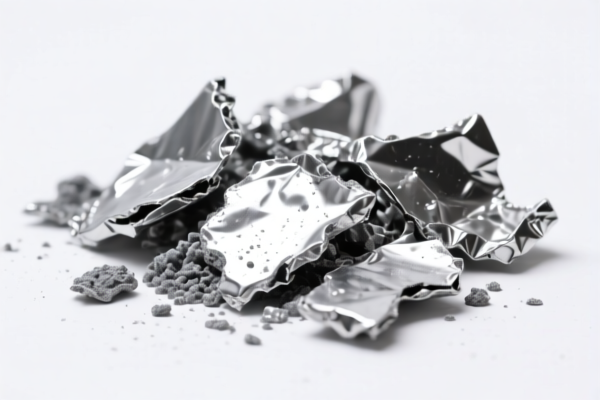
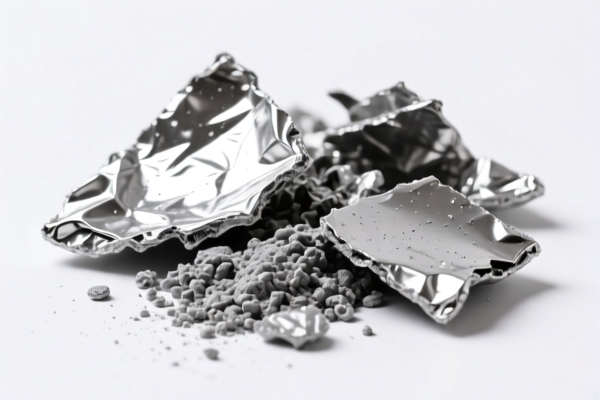
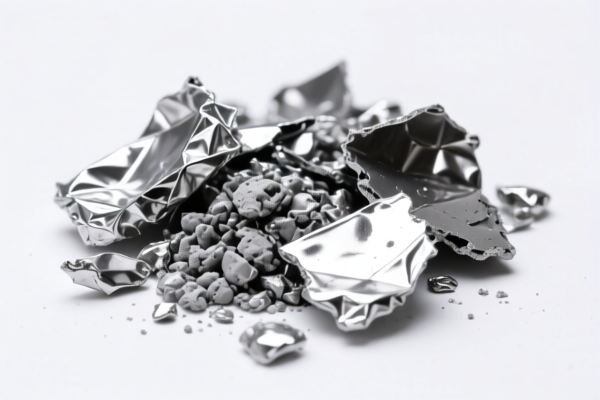
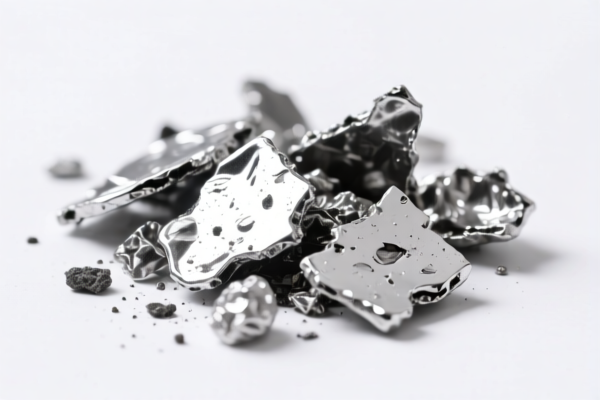
AI Analysis
🧪 Chemically Treated Sludge: HS Code Classification & US Customs Clearance Guide
🌐 HS Code Reference & Clearance Strategy | 2026 Latest Tariff Analysis | Professional Compliance Guide
📌 I. Product Definition & Classification: What is "Chemically Treated Sludge"?
Chemically treated sludge refers to solid, semi-solid, or liquid residues generated from industrial wastewater treatment, municipal sewage, or chemical processes, which have undergone specific chemical modifications (such as flocculation, conditioning, or stabilization) to reduce volume, toxicity, or improve dewaterability.
In international trade, this product does not have a single exclusive HS code. Its classification depends heavily on the primary chemical nature, physical state, and specific application (e.g., activated carbon content, polymer additives, or general chemical制剂).
⚠️ Key Classification Logic:
- If it contains significant activated carbon or mineral adsorbents → Consider 3802.
- If it consists of polymers or general chemical preparations for sludge stabilization → Consider 3824.
- If it is a generic "other" plastic/polymer-based sludge conditioner → Consider 3926.
📦 II. HS Code Classification Details (2026 Latest Tariff Mapping)
| HS Code | Product Description | Application Scenario | Tax Rate (Total) |
|---|---|---|---|
3824.99.93.86 |
Sludge treatment materials, typically chemical agents or additives, classified under other chemical products and preparations. | General chemical sludge conditioners, flocculants, stabilizers. | 40.0% |
3802.10.00.50 |
Sludge treatment materials inferred as chemical additives or agents, belonging to other categories. | Chemical additives not specifically named elsewhere; generic chemical sludge handlers. | 39.8% |
3824.99.93.97 |
Sludge treatment materials related to the chemical industry, fitting the characteristics of other chemical products and preparations. | Broad chemical制剂 for sludge processing, industrial chemical mixes. | 40.0% |
3802.90.50.00 |
Sludge treatment materials may contain activated carbon or related mineral/chemical additives. | Products rich in activated carbon, mineral adsorbents, or similar mineral-based sludge treatment agents. | 39.8% |
3926.90.99.89 |
Sludge treatment materials are mostly polymeric or chemical agents, falling under the residual category for plastics or chemical materials. | Polymer-based sludge dewatering aids, plastic-derived chemical treatments. | 22.8% |
🔍 Key Differentiator:
- 3824/3802: Focus on chemical preparations and mineral/activated carbon content.
- 3926: Focus on polymeric/plastic-derived materials.
- Note: The 3926 classification has a significantly lower base tariff structure, potentially reducing the total tax burden if the product is primarily polymer-based.
💰 III. 2026 Latest Tariff Rate Breakdown (Including Additional Duties & Policy Surcharges)
✅ Applicable Country: United States (US)
✅ Country of Origin: China (CN)
✅ Effective Date: November 10, 2025 (and subsequent imports)
🎯 1. 3824.99.93.86 & 3824.99.93.97 — Chemical Sludge Treatment Preparations
| Item | Details |
|---|---|
| Base Tariff | 5.0% (Ad Valorem) |
| Section 301 Additional Tariff | +25.0% |
| Section 122 Tariff | +10.0% |
| Total Tariff | 40.0% |
| Tax Calculation | CIF Value × 40% |
| De Minimis Eligibility | ❌ Not Eligible (Denied under current trade policies for chemical goods from CN) |
| Legal Basis Path | USITC:3824.99.93 → Footnote:301(25%) + Section 122(10%) |
📌 Explanation:
- The 25% comes from USITC Section 301 actions against Chinese imports;
- The 10% is an additional tariff under Section 122 (or similar national security/trade provisions);
- Total 40% is a high-cost barrier. Accurate description is critical to avoid misclassification.
🎯 2. 3802.10.00.50 & 3802.90.50.00 — Activated Carbon/Mineral-Based Sludge Agents
| Item | Details |
|---|---|
| Base Tariff | 4.8% (Ad Valorem) |
| Section 301 Additional Tariff | +25.0% |
| Section 122 Tariff | +10.0% |
| Total Tariff | 39.8% |
| Tax Calculation | CIF Value × 39.8% |
| De Minimis Eligibility | ❌ Not Eligible |
| Legal Basis Path | USITC:3802.10/90 → Footnote:301(25%) + Section 122(10%) |
📌 Note:
- Slightly lower base rate (4.8% vs 5.0%) results in a 0.2% savings;
- If the product is activated carbon-heavy, this is the preferred classification to minimize costs.
🎯 3. 3926.90.99.89 — Polymer-Based Sludge Treatments
| Item | Details |
|---|---|
| Base Tariff | 5.3% (Ad Valorem) |
| Section 301 Additional Tariff | +7.5% |
| Section 122 Tariff | +10.0% |
| Total Tariff | 22.8% |
| Tax Calculation | CIF Value × 22.8% |
| De Minimis Eligibility | ❌ Not Eligible |
| Legal Basis Path | USITC:3926.90.99 → Footnote:301(7.5%) + Section 122(10%) |
📌 Critical Advantage:
- Total Tariff is 22.8%, which is ~17% lower than the chemical/mineral classifications!
- Condition: The product must be genuinely polymer-based (e.g., polyacrylamide flocculants, synthetic polymers). Misclassification here can lead to severe penalties.
🛠️ IV. Customs Clearance Practical Advice (Pitfall Avoidance Guide)
✅ 1. Required Documentation Checklist
| Document | Mandatory | Notes |
|---|---|---|
| ✅ Product Specification Sheet | ✔️ | Must detail chemical composition, % of active ingredients, physical state. |
| ✅ Safety Data Sheet (SDS) | ✔️ | Crucial for hazard classification and handling instructions. |
| ✅ Certificate of Analysis (COA) | ✔️ | Proves whether the product is polymer-based, carbon-based, or general chemical. |
| ✅ Commercial Invoice | ✔️ | Clearly state: "Chemically Treated Sludge Conditioner – [Type]". Avoid vague terms like "Sludge". |
| ✅ Packing List | ✔️ | Include net/gross weight, dimensions, and container type. |
| ✅ Origin Certificate | ✔️ | Required for verifying CN origin and applying correct additional tariffs. |
✅ 2. Declaration Strategy (Key Rules)
🔥 "Describe the Chemistry, Not Just the Waste!"
| Scenario | Correct Declaration | Risk of Wrong Declaration |
|---|---|---|
| Polymer Flocculant | 3926.90.99.89 |
If misdeclared as general chemical (3824), you pay 40% instead of 22.8%. |
| Activated Carbon Sludge Aid | 3802.90.50.00 |
If misdeclared as general plastic, customs may reject due to non-compliance with chemical regs. |
| General Chemical Additive | 3824.99.93.86 |
Safe default if composition is unknown, but highest cost among generic chemicals. |
| Raw Sludge (No Treatment) | N/A (Likely banned/restricted) | Do not declare as "treated" if unprocessed. |
✅ 3. Special Handling Tips
| Situation | Recommendation |
|---|---|
| Hybrid Products | If the product contains both polymers and activated carbon, provide a weight-based breakdown to justify the lowest applicable rate (3926 or 3802). |
| Hazardous Materials | If the sludge is classified as hazardous (UN numbers), ensure Hazmat documentation is complete. Additional handling fees apply. |
| Pre-Ruling Application | Strongly Recommended: Apply for an Advance Ruling with CBP to confirm if 3926 is applicable for your specific polymer formula. |
🌍 V. Global Market Comparison (2026 Update)
| Country/Region | Recommended HS Code | Total Tariff (CN Origin) | Certification Required | Notes |
|---|---|---|---|---|
| 🇺🇸 USA | 3926.90.99.89 (if polymer) |
22.8% | SDS, EPA compliance | 3824/3802 = ~40% |
| 🇨🇳 China | 3824.99.93 / 3926.90.99 |
0-5% (Export Duty may apply) | None (for export) | Check import duty for final destination. |
| 🇪🇺 EU | 3824.99 / 3926.90 |
0-6.5% | REACH Registration | No Section 301/122 surcharges. |
| 🇬🇧 UK | 3824.99 / 3926.90 |
0-6.5% | UK REACH | Post-Brexit rules apply. |
📌 Conclusion:
- USA is the most costly market due to Section 301 and Section 122 tariffs.
- Polymer-based products (3926) offer a significant 17%+ tariff advantage over chemical/mineral products (3824/3802) in the US.
- EU/UK offer more favorable rates without the aggressive US surcharges.
📌 VI. Common Mistakes & Pitfalls (Lessons Learned)
❌ Mistake 1: Using vague terms like "Sludge" or "Waste" on the invoice.
👉 Consequence: Customs may classify under restricted waste codes or deny entry entirely.
👉 Fix: Use precise chemical names: "Polyacrylamide Flocculant for Sludge Treatment".
❌ Mistake 2: Misclassifying polymer-based products as general chemicals (3824).
👉 Consequence: Overpaying 17.2% in tariffs ($17.20 per $100 of goods).
👉 Fix: Provide COA showing >50% polymer content to justify 3926.
❌ Mistake 3: Ignoring Section 122 tariffs.
👉 Consequence: Underestimating clearance costs by 10%.
👉 Fix: Always include Section 122 in your landed cost calculation for CN-origin goods.
🎯 VII. Conclusion: Optimize Classification, Maximize Profit
🎯 Key Takeaway:
🔹 "Polymers Win: 3926 saves 17% vs 3824 in the US!"
🔹 "Be Specific: Vague descriptions = High Taxes + Delays."
🔹 "Verify Composition: COA and SDS are your best friends for classification."
📌 Pro Tip:
If your sludge treatment material is polymer-based, aggressively pursue HS Code 3926.90.99.89 to leverage the 22.8% total tariff rate. If it is activated carbon or general chemical, prepare for ~40% tariffs.
📣 Immediate Action:
📞 Consult a Customs Broker + Provide COA/SDS + Apply for Pre-Ruling
🚀 Ensure Smooth US Customs Clearance and Cost Efficiency!
✨ Precision in Classification is Precision in Profit!
💼 Every percentage point saved is pure margin gained!
Customer Reviews
About HS Code Classification
The Harmonized System (HS) is an internationally standardized nomenclature developed by the World Customs Organization (WCO) to classify traded products. Over 200 countries use the HS system as the basis for customs tariffs, trade statistics, and import/export regulations.
Each HS code follows a hierarchical structure:
- Chapter (2 digits) — Broad category of goods (e.g., Chapter 84: Machinery and Mechanical Appliances)
- Heading (4 digits) — More specific grouping within the chapter
- Subheading (6 digits) — Internationally standardized breakdown, used by all WCO member countries
- National subdivisions (8-10 digits) — Country-specific extensions for further classification, such as US HTSUS 10-digit codes
Correct HS code classification is essential for smooth customs clearance, accurate duty payment, and compliance with trade regulations. Misclassification can lead to customs delays, overpayment of duties, or penalties.
When importing from CN to US, the applicable tariff rates may include:
- Most-Favored-Nation (MFN) rate — The standard duty rate applied to WTO members
- General rate — Applied to countries without trade agreements
- Trade remedy duties — Additional tariffs such as Section 301 (anti-dumping), Section 232 (national security), or countervailing duties
The information provided on this page is for reference purposes only. For official classification, please consult with your local customs authority or a licensed customs broker.