Chenille Mop
CN → US| HS Code | Tariff Rate | Origin | Destination | Doc |
|---|---|---|---|---|
| 9603908040 | 20.3% | CN | US | Official Doc |
| 9603908050 | 70.3% | CN | US | Official Doc |
Product Images
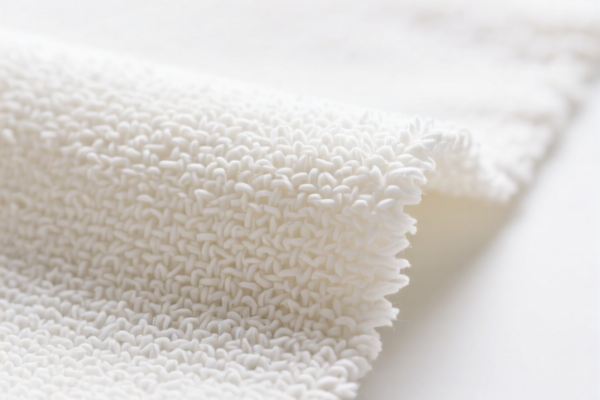
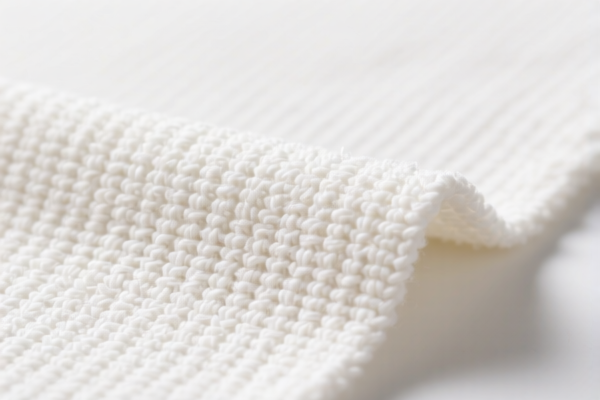
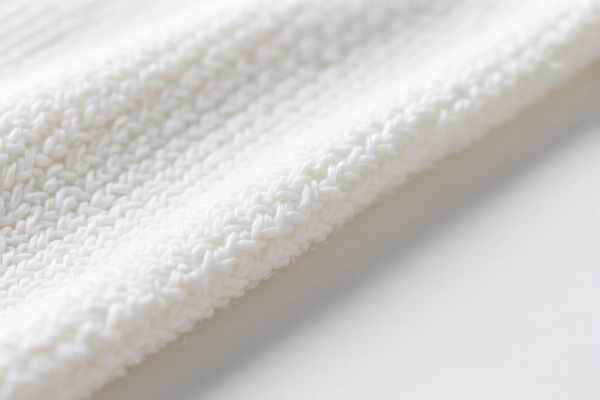
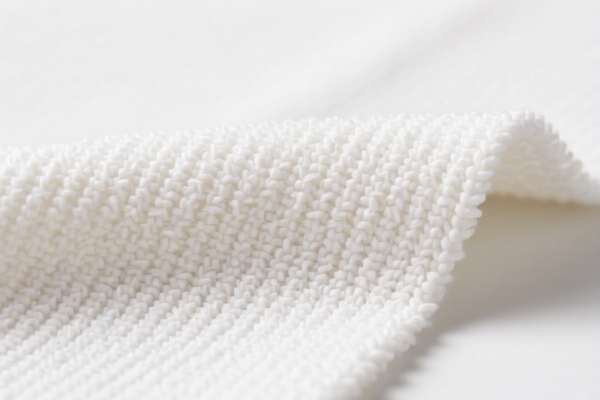
AI Analysis
🧹 Chenille Mop (Microfiber & Squegee Cleaning Tools)
🌐 HS Code Reference & Customs Clearance Guide | 2026 Latest Tariff Analysis | Professional Compliance Strategy
📌 Part I: Product Definition & Classification: Do You Really Know a "Chenille Mop"?
A Chenille Mop is not a single product but a category of cleaning tools characterized by high-absorbency, plush heads (often made of polyester/nylon microfiber) designed for dry dusting or wet mopping, often accompanied by squeegees or buckets. In international trade, classification depends heavily on the specific composition and intended use described in the commercial invoice.
Crucially, for US imports from China, steel, aluminum, or copper components can drastically alter the tariff rate due to Section 301 and IEEPA restrictions.
⚠️ Key Distinction Point:
- Plastic/Microfiber Heads + Plastic Handles: Typically falls under 9603.90.80.40 ("Other other brooms").
- Plastic/Microfiber Heads with Metal (Steel/Aluminum/Copper) Components: Falls under 9603.90.80.50 ("Other other"), triggering a punitive 50% additional tariff on top of base rates.
- Squeegees: If the primary function is squeegeeing glass/windows, it might still fall under 9603, but components matter.
📦 Part II: HS Code Classification Details (2026 Latest Tariff Authority Alignment)
Based on the provided , here are the two critical classifications for Chenille Mops and related cleaning tools:
| HS Code | Product Description | Key Characteristics | Tariff Rate (China Origin) |
|---|---|---|---|
9603.90.80.40 |
Other Other Brooms | Non-motorized floor sweepers, mops, feather dusters, prepared knots/tufts. Non-metallic construction predominates. | 10.3% |
9603.90.80.50 |
Other Other | Same category as above, but includes items containing Steel, Aluminum, or Copper components that trigger specific add-on tariffs. | 60.3% |
🔍 Critical Warning:
- The difference between 10.3% and 60.3% is driven by material composition.
- If your chenille mop has a metal handle (steel/aluminum), a metal squeegee blade frame, or metal connectors, it likely falls under 9603.90.80.50.
- Pure plastic/microfiber mops without significant metal structural parts may qualify for 9603.90.80.40.
💰 Part III: 2026 Latest Tariff Rate Breakdown (Detailed Tax Clause Analysis)
✅ Applicable Country: United States (US)
✅ Origin: China (CN)
✅ Effective Time: 2025/2026 Trade Rules (Section 301 & IEEPA)
🎯 1. 9603.90.80.40 —— "Other Other Brooms" (Non-Metallic/Standard)
| Item | Content |
|---|---|
| Base Tariff | 2.8% |
| Add-on Tariff (Section 301) | +7.5% |
| Total Effective Rate | 10.3% |
| Tax Calculation | CIF Value × 10.3% |
| De Minimis Exemption | ❌ Not Applicable (Valued goods subject to scrutiny) |
| Legal Basis Path | HTSUS:9603.90.80.40 → USITC Section 301 List 4 |
📌 Explanation:
- This is the standard rate for plastic/microfiber mops, brushes, and brooms without significant metal content.
- The 7.5% add-on is a standard Section 301 duty for many consumer goods from China.
- Total: 10.3% is manageable for most exporters.
🎯 2. 9603.90.80.50 —— "Other Other" (With Steel/Aluminum/Copper)
| Item | Content |
|---|---|
| Base Tariff | 2.8% |
| Add-on Tariff (Section 301) | +7.5% |
| Steel/Aluminum/Copper Add-on | +50% (Specific punitive tariff on metal-containing cleaning tools) |
| Total Effective Rate | 60.3% |
| Tax Calculation | CIF Value × 60.3% |
| De Minimis Exemption | ❌ Not Applicable |
| Legal Basis Path | HTSUS:9603.90.80.50 → USITC Section 301 List 4 + Special Metal Provisions |
📌 Explanation:
- The 60.3% rate is prohibitive. It includes a massive 50% penalty for products containing steel, aluminum, or copper.
- Many chenille mops have metal stems, metal clips, or metal squeegee frames. If any part is identified as steel/aluminum/copper, the entire product may be subject to this higher rate.
- Total: 60.3% makes exports unprofitable unless absorbed by the buyer.
🛠️ Part IV: Customs Clearance Practical Advice (Pitfall Avoidance Guide)
✅ 1. Documentation Checklist (Non-Negotiable)
| Document | Required? | Description |
|---|---|---|
| ✅ Product Specification Sheet | ✔️ | Detail material composition: Handle (Plastic/Metal?), Head (Microfiber/Chenille?), Squeegee (Rubber/Plastic/Metal frame?). |
| ✅ Bill of Materials (BOM) | ✔️ | Explicitly list all components and their materials. Highlight if metal parts are non-structural or minor. |
| ✅ Product Photos | ✔️ | Clear images of the mop head, handle connection, and any squeegee mechanism. |
| ✅ Commercial Invoice | ✔️ | Describe as: "Chenille Microfiber Mop, Plastic Handle, Rubber Squeegee Head" (Avoid vague terms like "Cleaning Tool"). |
| ✅ Packing List | ✔️ | Ensure no mixed containers with different HS codes. |
✅ 2. Classification Strategy (Crucial Tips)
🔥 "Material Matters: Plastic Wins, Metal Kills!"
| Scenario | Recommended HS Code | Reasoning |
|---|---|---|
| Pure Plastic Handle + Microfiber Head | 9603.90.80.40 |
No steel/aluminum/copper → 10.3% |
| Plastic Handle + Metal Clip/Connector | Risk Zone | If metal is structural or major component → 9603.90.80.50 → 60.3% |
| Metal Handle (Steel/Aluminum) | 9603.90.80.50 |
Avoid if possible due to 60.3% rate |
| Squeegee with Metal Frame | 9603.90.80.50 |
Metal frame triggers the 50% add-on |
📌 Pro Tip:
- If your mop has a small metal spring or minor metal clip, argue that it is not a "steel/aluminum/copper product" for tariff purposes. Provide engineering specs to prove the metal content is negligible.
- However, if the handle is metal, you cannot avoid9603.90.80.50. Consider switching to aluminum-coated plastic or solid plastic handles.
✅ 3. Special Considerations
| Situation | Handling Advice |
|---|---|
| OEM Custom Mops | Provide design drawings showing material composition. Avoid metal if possible. |
| Mixed Containers | Do not mix 9603.90.80.40 and 9603.90.80.50 items in one shipment without clear segregation. |
| Squeegee Parts | If shipped separately, ensure they are classified correctly. A metal squeegee frame alone is subject to 60.3%. |
| Prepared Knots/Tufts | If sold as raw materials for brush making, classify under 5608 or 9603 depending on form. Check with customs. |
🌍 Part V: Global Market Comparison (2026)
| Country/Region | Recommended HS Code | Tariff Rate | Notes |
|---|---|---|---|
| 🇺🇸 USA | 9603.90.80.40 |
10.3% | For non-metallic mops. Avoid metal to prevent 60.3%. |
| 🇺🇸 USA | 9603.90.80.50 |
60.3% | For metallic components. High risk. |
| 🇨🇳 China | 9603.90.80.40 |
Low/0% | Domestic tariffs are minimal. |
| 🇪🇺 EU | 9603.30.00 |
Various | EU has different classification. Microfiber mops may fall under different headings. Check EU TARIC. |
| 🇬🇧 UK | 9603.30.00 |
Various | Post-Brexit tariffs differ. |
📌 Conclusion:
- USA is the only major market with this specific 60.3% penalty for metal-containing cleaning tools.
- Design for Compliance: Use all-plastic or wooden handles to stay under 10.3%.
📌 Part VI: Common Mistakes & Pitfalls (Lessons Learned)
❌ Mistake 1: Describing a metal-handled mop as "Plastic Mop"
👉 Consequence: Customs inspection reveals metal → Retroactive 60.3% tariff + Penalties + Delays
❌ Mistake 2: Assuming "Chenille" means a specific HS Code
👉 Consequence: Chenille is a material, not a classification basis. Function and Material determine the code.
❌ Mistake 3: Ignoring the Squeegee Frame Material
👉 Consequence: A rubber squeegee with a steel frame triggers the 50% add-on. Use plastic frames.
✅ Correct Practice:
"Chenille Mop, 12-inch, Plastic Handle, Microfiber Head, Plastic Squeegee Frame"
→ HS Code:9603.90.80.40
→ Tariff: 10.3%
🎯 Part VII: Conclusion: Smart Design Saves Money!
🎯 Remember This Mantra:
🔹 "No Metal, No Penalty! Keep it Plastic, Keep it Clean!"
🔹 "HS Code 9603.90.80.40 is your friend; 9603.90.80.50 is your nightmare!"
📌 Action Items:
1. Audit your product: Does it have any steel, aluminum, or copper?
2. If Yes: Consider redesigning with plastic alternatives to save 50%.
3. Document Everything: Provide material breakdowns to customs.
4. Consult a Broker: If unsure, request an Advance Ruling from US Customs.
📣 Final Tip:
For chenille mops, material choice is tariff strategy. Avoid metal, and you pay 10.3%. Include metal, and you pay 60.3%. The difference is 50 percentage points – your profit margin!
✨ Professional Classification, Profitable Clearance!
💼 Every Gram of Metal Costs You 50% – Avoid It!
Customer Reviews
About HS Code Classification
The Harmonized System (HS) is an internationally standardized nomenclature developed by the World Customs Organization (WCO) to classify traded products. Over 200 countries use the HS system as the basis for customs tariffs, trade statistics, and import/export regulations.
Each HS code follows a hierarchical structure:
- Chapter (2 digits) — Broad category of goods (e.g., Chapter 84: Machinery and Mechanical Appliances)
- Heading (4 digits) — More specific grouping within the chapter
- Subheading (6 digits) — Internationally standardized breakdown, used by all WCO member countries
- National subdivisions (8-10 digits) — Country-specific extensions for further classification, such as US HTSUS 10-digit codes
Correct HS code classification is essential for smooth customs clearance, accurate duty payment, and compliance with trade regulations. Misclassification can lead to customs delays, overpayment of duties, or penalties.
When importing from CN to US, the applicable tariff rates may include:
- Most-Favored-Nation (MFN) rate — The standard duty rate applied to WTO members
- General rate — Applied to countries without trade agreements
- Trade remedy duties — Additional tariffs such as Section 301 (anti-dumping), Section 232 (national security), or countervailing duties
The information provided on this page is for reference purposes only. For official classification, please consult with your local customs authority or a licensed customs broker.