Chewing Gum
CN → US| HS Code | Tariff Rate | Origin | Destination | Doc |
|---|---|---|---|---|
| 1704903550 | 40.6% | CN | US | Official Doc |
| 2106909998 | 16.4% | CN | US | Official Doc |
| 2106903900 | 10.0% | CN | US | Official Doc |
| 1806909019 | 23.5% | CN | US | Official Doc |
| 1806909090 | 23.5% | CN | US | Official Doc |
Product Images
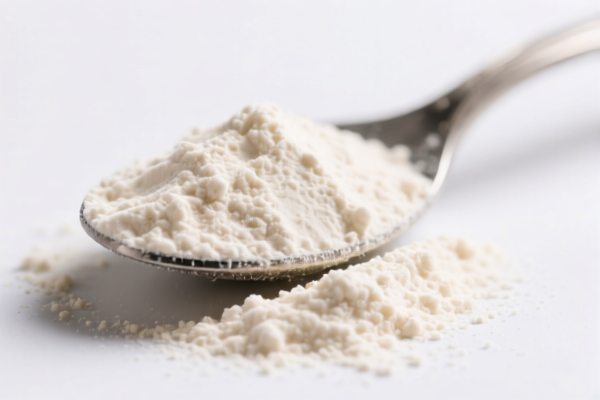
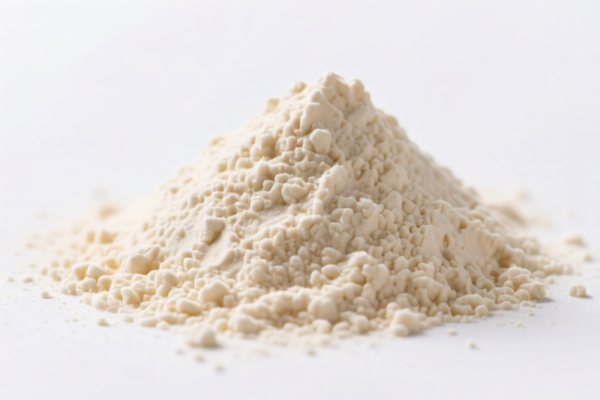
AI Analysis
🍬 Chewing Gum: HS Code Classification & US Customs Clearance Guide (2026)
🌐 HS Code Reference & Customs Clearance Strategy | 2026 Latest Tariff Analysis | Professional Import Guidance
📌 I. Product Definition: What Exactly Is "Chewing Gum"?
Chewing gum is a flexible, chewable substance primarily used for flavoring or as a candy. In international trade and US Customs classification, it is broadly categorized under Chapter 17 (Sugar and Sugar Confectionery) or Chapter 21 (Miscellaneous Food Preparations).
The critical distinction lies in the material composition and processing method: * Pure Candy/Gum Base: If the product is defined strictly as a sweetened, non-cocoa gum base, it may fall under Chapter 17. * Food Preparation/Other: If the product includes specific flavorings, fillings, or is considered a general "food preparation" not specifically listed elsewhere, it may fall under Chapter 21.
⚠️ Key Distinction Point:
- Is it a simple, uncoated gum base? → Likely 1704.
- Is it a flavored preparation or coated gum? → Likely 2106 or 1806.
- Does it contain cocoa? → If yes, 1806; if no, 1704 or 2106.
📦 II. HS Code Classification Details (Based on Provided Data)
Below is the detailed breakdown of potential HS Codes for Chewing Gum, based on the provided dataset. Note that different interpretations of the product's composition lead to different classifications.
| HS Code | Product Description / Match Basis | Total Tax Rate | Tax Breakdown (Base + Section 301 + 122 Clause) |
|---|---|---|---|
| 1704.90.35.50 | Sugar Confectionery (No Cocoa) Match Basis: Classified as ready-to-eat candy. Fits the "non-cocoa candy" material attribute. Assumes retail packaging. Although peanuts aren't explicitly mentioned, it’s inferred as a "other" category candy in the absence of conflicts. |
40.6% | Base: 5.6% Section 301 (China): 25.0% 122 Clause: 10.0% |
| 2106.90.99.98 | Other Food Preparations Match Basis: Chewing gum is treated as a "food preparation." It fits the "other" category (not beverage, non-dairy creamer, non-sweetener candy, etc.). Inferred as a general food preparation based on common sense. |
16.4% | Base: 6.4% Section 301 (China): 0.0% 122 Clause: 10.0% |
| 2106.90.39.00 | Other Food Preparations (Candy-like) Match Basis: Gum is a food product. Its form fits the category of "sugar lozenges/candy products." No material conflict. Classified under "other unlisted food preparations." |
10.0% | Base: 0.0% Section 301 (China): 0.0% 122 Clause: 10.0% |
| 1806.90.90.19 | Cocoa Preparations (Other) Match Basis: Based on the name "Gum Strip," inferred as sugary/chewy food. Classified under "other candies" within cocoa preparations. No material conflict with peanuts. |
23.5% | Base: 6.0% Section 301 (China): 7.5% 122 Clause: 10.0% |
| 1806.90.90.90 | Cocoa Preparations (Other) Match Basis: Inferred as sugary/cocoa candy. Falls under "other" sub-category of chocolates/cocoa products. No conflict with specific ingredients like peanuts. |
23.5% | Base: 6.0% Section 301 (China): 7.5% 122 Clause: 10.0% |
🔍 Critical Analysis:
- The lowest tax rate (10.0%) is found under 2106.90.39.00, assuming no base tariff or Section 301 duties apply.
- The highest tax rate (40.6%) is under 1704.90.35.50, due to the combined 25% Section 301 and 10% 122 Clause duties on top of the base 5.6%.
- 2106.90.99.98 sits in the middle at 16.4%, with no Section 301 duty but still subject to the 122 Clause.
💰 III. 2026 Latest Tariff Rate Detailed Explanation (Focus on US Imports)
✅ Applicable Country: United States (US)
✅ Origin: China (CN) (Note: Section 301 and 122 Clause taxes typically apply to Chinese goods)
✅ Effective Date: Post-2025 Policies
🎯 1. 1704.90.35.50 —— Sugar Confectionery (Non-Cocoa Candy)
| Item | Details |
|---|---|
| Base Tariff | 5.6% (ad valorem) |
| Section 301 Duty (China) | +25.0% |
| 122 Clause Duty | +10.0% |
| Total Effective Rate | 40.6% |
| Calculation | CIF Value × 40.6% |
| De Minimis Exemption | ❌ Not Eligible (High tariff rates usually negate de minimis benefits for large shipments; check specific CBP rules) |
| Legal Path | HTSUS:1704.90.35.50 → Section 301: Footnote 9903.88.01 → 122 Clause |
📌 Explanation:
- This code is often used for standard non-cocoa candies.
- The 25% Section 301 duty significantly increases costs for Chinese-origin products.
- The 10% 122 Clause is an additional penalty often applied to specific strategic or sensitive goods.
🎯 2. 2106.90.99.98 —— Other Food Preparations
| Item | Details |
|---|---|
| Base Tariff | 6.4% |
| Section 301 Duty (China) | 0.0% |
| 122 Clause Duty | +10.0% |
| Total Effective Rate | 16.4% |
| Calculation | CIF Value × 16.4% |
| De Minimis Exemption | ❌ Not Eligible (due to 122 Clause) |
| Legal Path | HTSUS:2106.90.99.98 → 122 Clause |
📌 Explanation:
- Chewing gum is frequently classified here if it’s considered a "preparation" rather than pure candy.
- No Section 301 duty makes this significantly cheaper than1704codes.
- The 10% 122 Clause is the only additional tax burden.
🎯 3. 2106.90.39.00 —— Other Food Preparations (Sugar/Candy-like)
| Item | Details |
|---|---|
| Base Tariff | 0.0% |
| Section 301 Duty (China) | 0.0% |
| 122 Clause Duty | +10.0% |
| Total Effective Rate | 10.0% |
| Calculation | CIF Value × 10.0% |
| De Minimis Exemption | ❌ Not Eligible (due to 122 Clause) |
| Legal Path | HTSUS:2106.90.39.00 → 122 Clause |
📌 Explanation:
- This is the most cost-effective classification among the options, assuming the product fits the "sugar lozenge/candy-like" description in Chapter 21.
- Zero base and Section 301 duties make it highly attractive.
- Only the 10% 122 Clause applies.
🎯 4. & 5. 1806.90.90.19 / 1806.90.90.90 —— Cocoa Preparations
| Item | Details |
|---|---|
| Base Tariff | 6.0% |
| Section 301 Duty (China) | +7.5% |
| 122 Clause Duty | +10.0% |
| Total Effective Rate | 23.5% |
| Calculation | CIF Value × 23.5% |
| De Minimis Exemption | ❌ Not Eligible |
| Legal Path | HTSUS:1806.90.90.19/90 → Section 301 → 122 Clause |
📌 Explanation:
- These codes are for products containing cocoa. If your chewing gum contains cocoa or is considered a chocolate-based confection, use these.
- The Section 301 duty is lower (7.5%) compared to1704codes (25%).
🛠️ IV. Customs Clearance Practical Advice (Real-World Pitfall Avoidance)
✅ 1. Document Checklist (Essential for US Entry)
| Document | Required? | Notes |
|---|---|---|
| ✅ Product Specification Sheet | ✔️ | Must clearly state ingredients, flavorings, and whether it contains cocoa. |
| ✅ Commercial Invoice | ✔️ | Must include HS Code, Country of Origin (China), and CIF value. |
| ✅ Certificate of Origin (CO) | ✔️ | Crucial for determining Section 301 applicability. |
| ✅ Ingredients List | ✔️ | To prove no cocoa content (for 1704/2106) or confirm cocoa content (for 1806). |
| ✅ FDA Prior Notice | ✔️ | Chewing gum is a food product; FDA prior notice is mandatory. |
| ✅ Labeling Proof | ✔️ | Ensure labels meet US FDA requirements (nutrition facts, allergens). |
✅ 2. Declaration Strategy (Key Tips)
🔥 "Classify by Composition, Not Just Name! 'Chewing Gum' is ambiguous."
| Scenario | Recommended HS Code | Why? |
|---|---|---|
| Standard Non-Cocoa Gum | 2106.90.39.00 | Lowest tax (10%). If it can be argued as a "food preparation" rather than pure candy. |
| Standard Non-Cocoa Gum (Strict Candy) | 1704.90.35.50 | If deemed pure confectionery. High tax (40.6%) but safer if ingredients are simple. |
| Chocolate-Covered or Cocoa-Infused Gum | 1806.90.90.19 | Contains cocoa. Moderate tax (23.5%). |
| Generic "Other" Food Prep | 2106.90.99.98 | Middle ground (16.4%). Safe if classification is uncertain. |
⚠️ Warning:
- Do not simply write "Chewing Gum" on the invoice. Use a precise description like "Flavor Chewing Gum, Sugar Base, Non-Cocoa, Retail Packaged".
- If using 2106.90.39.00, be prepared to prove it is a "food preparation" and not a "sugar confectionery" to avoid challenges from CBP.
✅ 3. Special Cases & Risk Mitigation
| Case | Handling Advice |
|---|---|
| Low-Value Shipments (De Minimis) | While some codes might qualify for de minimis (<$800), the 122 Clause (10%) often negates this benefit for Chinese goods. Consult a broker. |
| Origin Change | If sourced from Vietnam, Thailand, or Mexico, Section 301 duties may not apply. This can reduce taxes significantly. |
| Allergen Declaration | If peanuts are present, ensure clear labeling. Mislabeling can lead to FDA seizures, not just customs delays. |
| FDA Registration | Ensure foreign facility is FDA registered. Chewing gum is a food product subject to FSMA rules. |
🌍 V. Global Market Comparison (2026)
| Country/Region | Recommended HS Code | Estimated Tax (China Origin) | Key Requirements |
|---|---|---|---|
| 🇺🇸 USA | 2106.90.39.00 |
10.0% (Best Option) | FDA Prior Notice, 122 Clause Applies |
| 🇺🇸 USA | 1704.90.35.50 |
40.6% (Avoid if possible) | High Section 301 Duty |
| 🇪🇺 EU | 1704.90.31 |
~24% | No Section 301, but VAT applies |
| 🇨🇳 China | 1704.90.00.90 |
~5-10% | No Additional Duties |
| 🇯🇵 Japan | 1704.90.00.90 |
~8-10% | Shoku Ho (Food Safety) Compliance |
📌 Conclusion:
- The USA is the most complex market due to Section 301 and 122 Clause taxes.
- Classifying under Chapter 21 (2106.90.39.00) is the most strategic move to minimize costs (10% total) for Chinese-origin chewing gum.
📌 VI. Common Mistakes & Pitfalls (Learn from Others' Losses)
❌ Mistake 1: Using 1704 codes for cocoa-containing gum
👉 Consequence: Misclassification. CBP may reclassify to 1806 and assess penalties.
❌ Mistake 2: Ignoring the 122 Clause
👉 Consequence: Underpayment of duties. The 10% 122 Clause is automatic for many Chinese goods. Plan for 10% extra!
❌ Mistake 3: Vague Descriptions ("Chewing Gum")
👉 Consequence: CBP exam delays. Provide ingredients and form (strip, ball, pouch) to justify HS Code.
❌ Mistake 4: Assuming De Minimis Applies
👉 Consequence: Goods detained at border. High tariff rates often exclude shipments from de minimis benefits.
✅ Correct Approach:
"Flavor Chewing Gum, Sugar Base, Non-Cocoa, Individually Wrapped, Retail Packaged"
→ Supports2106.90.39.00→ 10% Total Duty.
🎯 VII. Conclusion: Smart Classification Saves Money!
🎯 Key Takeaway:
🔹 "Chapter 21 is Your Friend!" → Aim for
2106.90.39.00to pay only 10% total tax.
🔹 "Avoid Chapter 17 if Possible" →1704carries 25% Section 301 + 10% 122 Clause = 40.6%.
🔹 "Check for Cocoa" → If it has cocoa, use1806(23.5%).
📌 Pro Tip:
If you are importing from China, always calculate the 122 Clause (10%) in your cost model. It is no longer optional!
For large volumes, consider Origin Diversification (e.g., Vietnam) to avoid Section 301 duties entirely.
📣 Immediate Action:
📞 Engage a Customs Broker to apply for an Advance Ruling on your specific chewing gum formula.
📋 Verify Ingredients to ensure they support your chosen HS Code.
💸 Budget for 10-40% Duties depending on classification!
✨ Professional Classification, Predictable Costs, Smooth Clearance!
💼 Every cent saved in duties is pure profit!
Customer Reviews
About HS Code Classification
The Harmonized System (HS) is an internationally standardized nomenclature developed by the World Customs Organization (WCO) to classify traded products. Over 200 countries use the HS system as the basis for customs tariffs, trade statistics, and import/export regulations.
Each HS code follows a hierarchical structure:
- Chapter (2 digits) — Broad category of goods (e.g., Chapter 84: Machinery and Mechanical Appliances)
- Heading (4 digits) — More specific grouping within the chapter
- Subheading (6 digits) — Internationally standardized breakdown, used by all WCO member countries
- National subdivisions (8-10 digits) — Country-specific extensions for further classification, such as US HTSUS 10-digit codes
Correct HS code classification is essential for smooth customs clearance, accurate duty payment, and compliance with trade regulations. Misclassification can lead to customs delays, overpayment of duties, or penalties.
When importing from CN to US, the applicable tariff rates may include:
- Most-Favored-Nation (MFN) rate — The standard duty rate applied to WTO members
- General rate — Applied to countries without trade agreements
- Trade remedy duties — Additional tariffs such as Section 301 (anti-dumping), Section 232 (national security), or countervailing duties
The information provided on this page is for reference purposes only. For official classification, please consult with your local customs authority or a licensed customs broker.