Chewing gum strip
CN → US| HS Code | Tariff Rate | Origin | Destination | Doc |
|---|---|---|---|---|
| 1704100000 | 21.5% | CN | US | Official Doc |
| 2106909985 | 16.4% | CN | US | Official Doc |
| 1704903550 | 40.6% | CN | US | Official Doc |
| 2106909998 | 16.4% | CN | US | Official Doc |
| 2106903900 | 10.0% | CN | US | Official Doc |
| 1806909019 | 23.5% | CN | US | Official Doc |
Product Images
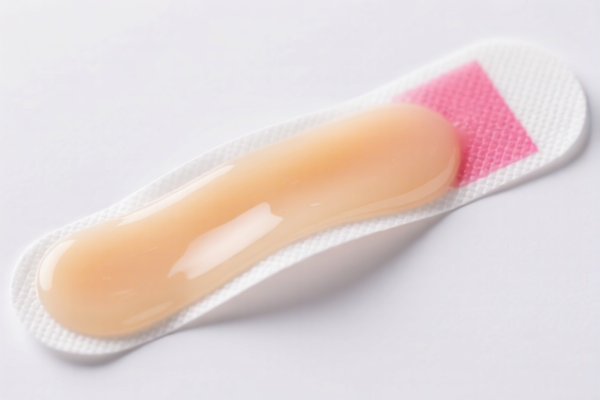
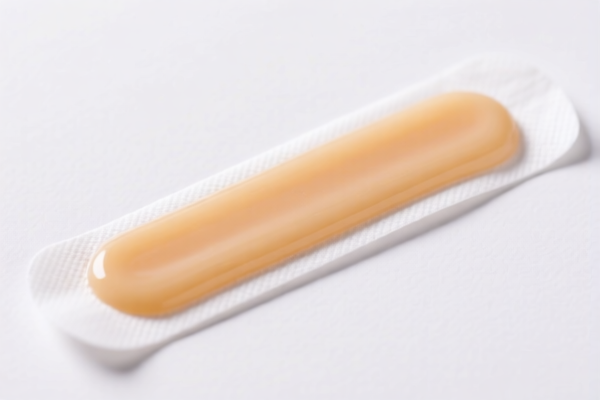
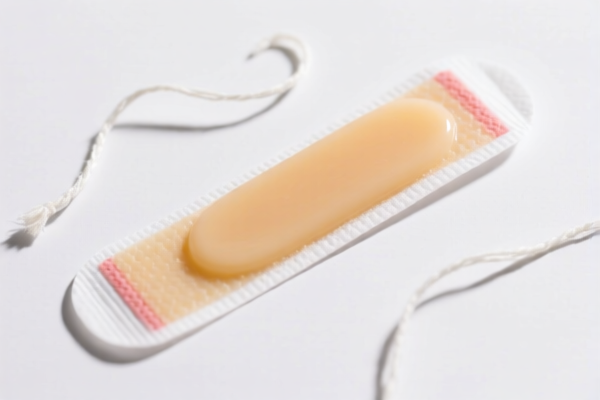
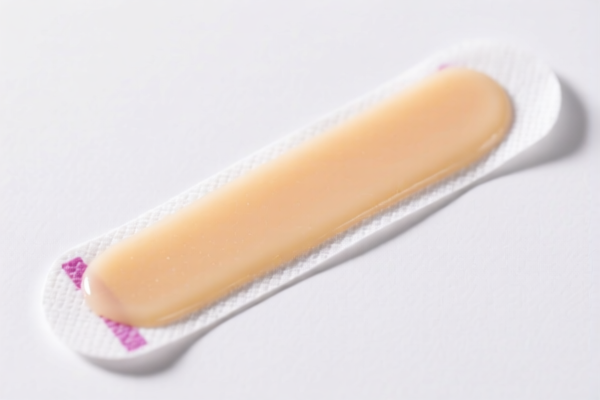
AI Analysis
🍬 Chewing Gum Strips (Chewing Gum)
🌐 HS Code Reference & Customs Clearance Guide | 2026 Latest Tariff Analysis | Professional Clearance Strategy
📌 Part 1: Product Definition & Classification: Do You Really Understand "Chewing Gum"?
Chewing gum strips are a specific form of confectionery, defined as masticatory products typically made from a gum base, sweeteners, flavorings, and softeners. In international trade, they fall under the broad category of "Sugar Confectionery." However, the exact HS Code depends on the presence of cocoa, packaging format, and specific ingredient composition (e.g., synthetic sweeteners vs. sugar).
⚠️ Key Classification Distinctions:
- Chewing Gum vs. Candy: If it is strictly "chewing gum" (gum base + sweeteners), it typically falls under Heading 1704.
- Cocoa Content: If it contains cocoa, it falls under Heading 1806.
- Food Preparations: If it is a complex food preparation not strictly defined as candy, it may fall under Heading 2106.
- Packaging: Retail packaging vs. bulk packaging can sometimes influence sub-heading classification.
📦 Part 2: HS Code Classification Details (2026 Latest Tariff Authority Comparison)
Based on the provided data, here are the five potential HS Codes for Chewing Gum Strips, along with their summaries and tax implications.
| HS Code | Product Description | Application Scenario | Tax Summary |
|---|---|---|---|
1704.10.00.00 |
Chewing Gum (Chewy Candy) | Standard chewing gum,不含可可 (Cocoa-free), fits the definition of chewy candy. | Total: 21.5% |
2106.90.99.85 |
Food Preparations (Synthetic Sweeteners) | Chewing gum with synthetic sweeteners; no conflict with candy attributes. | Total: 16.4% |
1704.90.35.50 |
Other Sugar Confectionery (Retail Pack) | Ready-to-eat candy, fits cocoa-free candy material & retail packaging. | Total: 40.6% |
2106.90.99.98 |
Food Preparations (General Fallback) | Chewing gum as a food preparation; fits the "other" category fallback attribute. | Total: 16.4% |
2106.90.39.00 |
Sugar Preparations (Sugar Candy/Lozenges) | Fits the form of sugar candies/confections; low base tariff. | Total: 10.0% |
1806.90.90.19 |
Chocolate/Other Candy (Cocoa-containing) | Note: If the gum strip contains cocoa, it falls here. Fits "other candy" attributes. | Total: 23.5% |
🔍 Key Reminder:
- Cocoa Content is Critical: If your chewing gum strip contains cocoa, it MUST be classified under 1806.90.90.19 (Total Tax: 23.5%). If it is cocoa-free, it should not be classified here.
- Retail vs. Bulk: Codes like1704.90.35.50often apply to retail-packaged items, while others might apply to bulk or specific preparations.
- Synthetic vs. Natural Sweeteners: The use of synthetic sweeteners may allow classification under 2106.90.99.85 (Total Tax: 16.4%), which is significantly lower than the standard chewing gum code.
💰 Part 3: 2026 Latest Tariff Rate Details (Including Surtaxes, Policy Add-ons)
✅ Applicable Country: United States (US)
✅ Origin: China (CN)
✅ Effective Date: 2025/2026 (Based on Section 301 & IEEPA rules)
🎯 1. 1704.10.00.00 — Chewing Gum (Standard Cocoa-Free)
| Item | Content |
|---|---|
| Base Tariff | 4.0% |
| Section 301 Surcharge | 7.5% |
| Section 122 Tariff | 10.0% |
| Total Tariff Rate | 21.5% |
| Tax Calculation | CIF Value × 21.5% |
| De Minimis Exemption | ❌ Not Eligible (High risk of audit) |
| Legal Basis | Section 301 + IEEPA Section 122 |
📌 Explanation:
- This is the standard classification for most cocoa-free chewing gums.
- The 21.5% rate is a combination of the base MFN rate, the Section 301 surcharge (7.5%), and the Section 122 tariff (10%).
- Warning: Do not confuse this with lower-tax categories by misdeclaring ingredients.
🎯 2. 2106.90.99.85 — Food Preparations (Synthetic Sweeteners)
| Item | Content |
|---|---|
| Base Tariff | 6.4% |
| Section 301 Surcharge | 0.0% |
| Section 122 Tariff | 10.0% |
| Total Tariff Rate | 16.4% |
| Tax Calculation | CIF Value × 16.4% |
| De Minimis Exemption | ❌ Not Eligible |
| Legal Basis | IEEPA Section 122 (10%) + Base 6.4% |
📌 Advantage:
- If your chewing gum uses synthetic sweeteners (e.g., aspartame, sucralose) and is classified as a "food preparation" rather than pure "chewing gum," you may qualify for this lower rate (16.4%).
- Zero Section 301 Surcharge makes this category significantly more cost-effective than1704.10.00.00.
🎯 3. 1704.90.35.50 — Other Sugar Confectionery (Retail Pack)
| Item | Content |
|---|---|
| Base Tariff | 5.6% |
| Section 301 Surcharge | 25.0% |
| Section 122 Tariff | 10.0% |
| Total Tariff Rate | 40.6% |
| Tax Calculation | CIF Value × 40.6% |
| De Minimis Exemption | ❌ Not Eligible |
| Legal Basis | Section 301 (25%) + IEEPA Section 122 (10%) + Base 5.6% |
📌 High Cost Warning:
- This category attracts the highest tariff (40.6%) due to the 25% Section 301 surcharge.
- Only use if your product strictly fits "other sugar confectionery" and cannot be classified under1704.10or2106.
- Avoid this classification if possible due to cost inefficiency.
🎯 4. 2106.90.99.98 — Food Preparations (General Fallback)
| Item | Content |
|---|---|
| Base Tariff | 6.4% |
| Section 301 Surcharge | 0.0% |
| Section 122 Tariff | 10.0% |
| Total Tariff Rate | 16.4% |
| Tax Calculation | CIF Value × 16.4% |
| De Minimis Exemption | ❌ Not Eligible |
| Legal Basis | IEEPA Section 122 (10%) + Base 6.4% |
📌 Note:
- Similar to2106.90.99.85, this is a fallback category for food preparations.
- It offers the same 16.4% rate with no Section 301 surcharge.
- Use only if the product does not fit other specific food preparation subheadings.
🎯 5. 2106.90.39.00 — Sugar Preparations (Sugar Candy/Lozenges)
| Item | Content |
|---|---|
| Base Tariff | 0.0% |
| Section 301 Surcharge | 0.0% |
| Section 122 Tariff | 10.0% |
| Total Tariff Rate | 10.0% |
| Tax Calculation | CIF Value × 10.0% |
| De Minimis Exemption | ❌ Not Eligible |
| Legal Basis | IEEPA Section 122 (10%) + Base 0.0% |
📌 Lowest Cost Option:
- If your chewing gum strip is considered a sugar preparation or sugar candy/lozenge (not strictly "chewing gum" with gum base), it may qualify for this lowest rate (10.0%).
- Zero Base Tariff + Zero Section 301 = Only 10% IEEPA tariff.
- Caution: Requires strong justification that the product is "sugar candy" and not "chewing gum."
🎯 6. 1806.90.90.19 — Chocolate/Other Candy (Cocoa-Containing)
| Item | Content |
|---|---|
| Base Tariff | 6.0% |
| Section 301 Surcharge | 7.5% |
| Section 122 Tariff | 10.0% |
| Total Tariff Rate | 23.5% |
| Tax Calculation | CIF Value × 23.5% |
| De Minimis Exemption | ❌ Not Eligible |
| Legal Basis | Section 301 (7.5%) + IEEPA Section 122 (10%) + Base 6.0% |
📌 Important:
- Only for Cocoa-Containing Gum: If your chewing gum strip contains cocoa, you MUST use this code.
- The 23.5% rate is higher than the cocoa-free food preparation codes but lower than the retail candy code1704.90.35.50.
- Do not misdeclare cocoa-containing gum as cocoa-free to avoid penalties.
🛠️ Part 4: Customs Clearance Practical Advice (Real-World Pitfall Avoidance)
✅ 1. Documentation Checklist (Mandatory)
| Document | Required | Description |
|---|---|---|
| ✅ Product Specification Sheet | ✔️ | Detailed ingredient list (especially cocoa content and sweetener type) |
| ✅ Ingredient Breakdown | ✔️ | % of gum base, sweeteners, flavors, softeners |
| ✅ Product Photos | ✔️ | Clear images of packaging, label, and product form (strip, ball, etc.) |
| ✅ Certificate of Origin (CO) | ✔️ | To confirm origin as China (CN) |
| ✅ Commercial Invoice | ✔️ | Must clearly state: "Chewing Gum Strips" or "Sugar Candy," not vague terms |
| ✅ Packing List | ✔️ | Net/Gross weight, number of pieces per box |
| ✅ FCC/FDA Compliance Docs | ✔️ | If applicable for food safety standards |
✅ 2. Declaration Tips (Key Mantra)
🔥 “Ingredient Matters, Cocoa is Key, Sweetener Defines the Path, Misdeclaration Costs You!”
| Scenario | Correct Declaration | Error to Avoid |
|---|---|---|
| Standard Chewing Gum (Cocoa-Free) | 1704.10.00.00 |
Misdeclare as "Candy" → 40.6% |
| Chewing Gum with Synthetic Sweeteners | 2106.90.99.85 |
Misdeclare as "Chewing Gum" → 21.5% |
| Chewing Gum with Cocoa | 1806.90.90.19 |
Misdeclare as "Cocoa-Free" → Penalties + 23.5% |
| Sugar Candy/Lozenges (No Gum Base) | 2106.90.39.00 |
Misdeclare as "Chewing Gum" → 10% vs 21.5% |
| Retail Packaged Confectionery | 1704.90.35.50 |
Misdeclare as "Bulk" → 40.6% |
✅ 3. Special Case Handling
| Situation | Handling Advice |
|---|---|
| OEM Private Label | Provide brand authorization and ingredient specs to avoid "undisclosed origin" flags. |
| Mixed Packaging (Gum + Mints) | Declare separately if possible. Mixing may complicate classification. |
| New Product (Unusual Ingredients) | Apply for Advance Ruling before shipment to confirm HS Code. |
| Cocoa Content Below Threshold | If cocoa is < 5%, it may still be classified under 1704 or 2106, but declare accurately. |
🌍 Part 5: Global Market Clearance Comparison (2026 Latest)
| Country/Region | Recommended HS Code | Tariff Rate | Certification Requirements | Notes |
|---|---|---|---|---|
| 🇺🇸 USA | 1704.10.00.00 or 2106.90.99.85 |
16.4% - 21.5% | FDA Registration + Labeling | High scrutiny on ingredient claims. |
| 🇨🇳 China | 1704.10.00.00 |
4.0% - 5.0% | China Food Safety Standard (GB) | No Section 301/IEEPA tariffs. |
| 🇪🇺 EU | 1704.10.00 |
0% - 20% | EU Food Standards + Allergen Labeling | No extra surtaxes, but strict labeling. |
| 🇦🇺 Australia | 1704.10.00 |
5.0% | FSANZ Standards | Low tariff, simple clearance. |
| 🇯🇵 Japan | 1704.10.00 |
0% - 15% | JFC Standards | No surtaxes, but detailed ingredient disclosure. |
📌 Conclusion:
- USA is the most complex market due to Section 301 and IEEPA tariffs.
- Choice of HS Code can save 10-30% in tariffs.
- Accurate ingredient declaration is critical to avoid audits and penalties.
📌 Part 6: Common Mistakes & Pitfall Guide (Lessons Learned)
❌ Mistake 1: Declaring "Chewing Gum" for all products regardless of cocoa content.
👉 Consequence: If it contains cocoa, it should be 1806.90.90.19 (23.5%). Misdeclaration leads to audits and fines.
❌ Mistake 2: Using 1704.90.35.50 (40.6%) when 2106.90.99.85 (16.4%) is applicable.
👉 Consequence: Overpayment of 24.2% in tariffs. Always check if synthetic sweeteners allow a lower classification.
❌ Mistake 3: Vague descriptions like "Candy" or "Sweet."
👉 Consequence: Customs may assign the highest possible rate (40.6%) or delay clearance for further inspection.
❌ Mistake 4: Ignoring Section 122 Tariff.
👉 Consequence: All listed rates include a 10% IEEPA Section 122 tariff. Forgetting to budget for this can lead to cash flow issues.
✅ Correct Approach:
“Chewing Gum Strips, Sugar-Based, Cocoa-Free, Retail Package, Model XYZ”
or
“Sugar Candy, Lozenge Form, No Gum Base, Retail Package, Model ABC”
🎯 Part 7: Conclusion: Professional Declaration, Save Costs, Ensure Smooth Clearance!
🎯 Remember the Mantra:
🔹 “Cocoa? No Cocoa? Synthetic Sweetener? Check the Code!”
🔹 “16.4% vs 40.6%: A 24% Difference, Choose Wisely!”
🔹 “IEEPA 10% is Always On, Don’t Forget to Budget!”
📌 Pro Tip:
- If your product qualifies for 2106.90.39.00 (10.0%), ensure it is not a traditional chewing gum (with gum base) but rather a sugar candy/lozenge.
- For US imports, always verify if your product can be classified under 2106.90.99.85 (16.4%) to avoid the 7.5% Section 301 surcharge.
- Apply for Advance Rulings if you are unsure about the classification. It saves time and money in the long run.
📣 Immediate Action:
📞 Consult with a licensed customs broker.
📄 Provide detailed ingredient lists.
🚀 Optimize your HS Code classification to minimize tariffs and maximize profits.
✨ Professional Customs Clearance Starts with Accurate Classification!
💼 Every cent of tax saved is pure profit!
Customer Reviews
About HS Code Classification
The Harmonized System (HS) is an internationally standardized nomenclature developed by the World Customs Organization (WCO) to classify traded products. Over 200 countries use the HS system as the basis for customs tariffs, trade statistics, and import/export regulations.
Each HS code follows a hierarchical structure:
- Chapter (2 digits) — Broad category of goods (e.g., Chapter 84: Machinery and Mechanical Appliances)
- Heading (4 digits) — More specific grouping within the chapter
- Subheading (6 digits) — Internationally standardized breakdown, used by all WCO member countries
- National subdivisions (8-10 digits) — Country-specific extensions for further classification, such as US HTSUS 10-digit codes
Correct HS code classification is essential for smooth customs clearance, accurate duty payment, and compliance with trade regulations. Misclassification can lead to customs delays, overpayment of duties, or penalties.
When importing from CN to US, the applicable tariff rates may include:
- Most-Favored-Nation (MFN) rate — The standard duty rate applied to WTO members
- General rate — Applied to countries without trade agreements
- Trade remedy duties — Additional tariffs such as Section 301 (anti-dumping), Section 232 (national security), or countervailing duties
The information provided on this page is for reference purposes only. For official classification, please consult with your local customs authority or a licensed customs broker.