Child Safety Lock
CN → US| HS Code | Tariff Rate | Origin | Destination | Doc |
|---|---|---|---|---|
| 7326908688 | 87.9% | CN | US | Official Doc |
| 8301106080 | 23.6% | CN | US | Official Doc |
| 7326190080 | 87.9% | CN | US | Official Doc |
| 3925900000 | 40.3% | CN | US | Official Doc |
| 3925200010 | 22.8% | CN | US | Official Doc |
Product Images
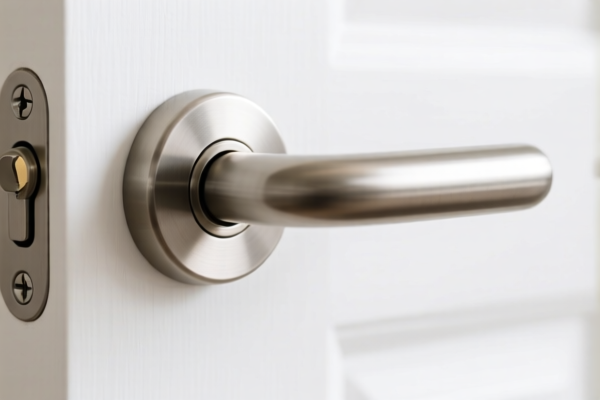
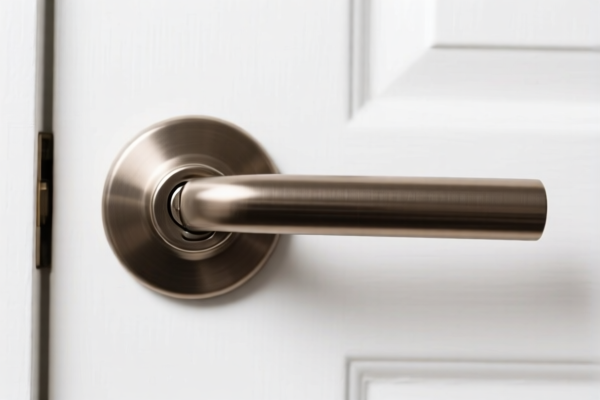
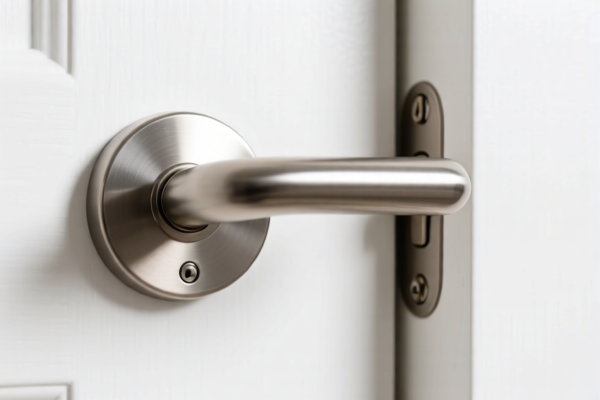
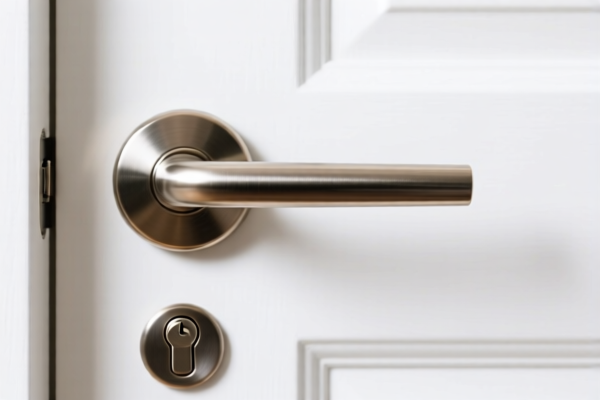
AI Analysis
🔒 Child Safety Lock (Safety Latches & Door Guards)
🌐 HS Code Reference & Clearance Guide | 2026 Latest Tariff Analysis | Professional Customs Strategy
📌 Part I: Product Definition & Classification: Do You Know What a "Child Safety Lock" Really Is?
Child safety locks are essential home safety devices designed to prevent children from opening doors, drawers, cabinets, or appliances. In international trade, these products are generally categorized based on their primary material and functional nature. They are not treated as a single unified category but are split between metal hardware (locks/latches) and plastic construction accessories (door guards).
Two Main Categories:
-
Metal Safety Locks/Latches: Made primarily of steel, iron, or other base metals. These are functional locking mechanisms often installed on kitchen cabinets, toilets, or fireplaces. > Key Distinction: If the product is a mechanical locking device made of metal, it falls under Chapter 73 (Articles of Iron or Steel) or Chapter 83 (Base Metal Mountings).
-
Plastic Safety Gates/Guards: Made primarily of plastic polymers, often used as passive barriers or simple latches for doors and windows. These are considered building components or plastic articles. > Key Distinction: If the product is a non-metallic barrier or latch made of plastic, it falls under Chapter 39 (Plastics and Articles Thereof).
⚠️ Critical Classification Point:
- Metal-based mechanical locks →归入 7326 or 8301
- Plastic-based door guards/locks → 归入 3925
📦 Part II: HS Code Classification Details (2026 Latest Tariff Authority Comparison)
Based on the product "Child Safety Lock," here are the three most relevant HS Codes derived from the data, categorized by material and function.
| HS Code | Product Description | Material Basis | Applicable Scenario |
|---|---|---|---|
7326.90.86.88 |
Other articles of iron or steel (Catch-all for steel safety locks) | Steel/Iron | Metal latches, steel brackets, heavy-duty metal locks |
8301.10.60.80 |
Padlocks & other locks made of base metal | Base Metal | Functional metal padlocks, keyed safety locks |
3925.90.00.00 |
Other building articles (Plastic safety gates/guards) | Plastic | Plastic door knobs covers, plastic slide bolts, plastic baby gate latches |
3925.20.00.10 |
Other building materials (Plastic door components) | Plastic | Plastic door stoppers, plastic anti-squeeze guards |
7326.19.00.80 |
Other articles of iron or steel (General steel items) | Steel/Iron | Simple steel wires or basic metal fasteners used as locks |
🔍 Important Reminder:
- Metal Locks: If the lock mechanism is metal, Customs will strictly apply Chapter 73 or 83. Misclassifying a metal lock as plastic (3925) will result in significant duty underpayment and penalties. - Plastic Locks: If the product is purely plastic (e.g., twist-lock covers for faucets or simple plastic sliding bolts), it falls under Chapter 39. - "Catch-all" Codes: Many HS codes here are "兜底" (catch-all) categories. Precise material declaration is critical to avoid reclassification.
💰 Part III: 2026 Latest Tariff Rate Breakdown (Including Additional Taxes & Policies)
✅ Applicable Country: United States (US)
✅ Origin: China (CN)
✅ Effective Date: Current US Trade Policies (Section 301, IEEPA, Section 232)
🎯 1. 7326.90.86.88 & 7326.19.00.80 —— Metal/Steel Safety Locks (High Tariff Risk)
These codes apply to steel or iron child safety locks. Due to US trade policies against Chinese steel/aluminum products, these carry the highest combined tax burden.
| Item | Content |
|---|---|
| Base Duty Rate | 2.9% (Standard MFN Rate) |
| Section 301 Additional Duty | +25.0% (On all Chinese goods in this category) |
| Section 232 Duty (Steel/Aluminum) | +50.0% (Specific to steel/aluminum articles under Section 232) |
| Total Tax Rate | 87.9% |
| Tax Calculation | CIF Value × 87.9% |
| Legal Basis Path | Section 232 (Steel/Aluminum) → Section 301 (China-specific) → Base Tariff |
📌 Explanation:
- The 87.9% total tax is extremely high. It combines the base duty (2.9%), the Section 301 tariff (25%), and the Section 232 tariff (50%) applicable to steel articles. - Note: If the lock is made of stainless steel or specific alloys, Section 232 may apply more strictly. - Warning: This is a high-cost item for importers. Profit margins are severely squeezed.
🎯 2. 8301.10.60.80 —— Metal Padlocks/Locks (Moderate-High Tariff)
This code applies to padlocks or similar locking devices made of base metal. It excludes the heavy Section 232 steel tariff if classified specifically as "locks" rather than general "steel articles," but still bears Section 301 and other surcharges.
| Item | Content |
|---|---|
| Base Duty Rate | 6.1% |
| Section 301 Additional Duty | +7.5% (Variable rate based on specific product list) |
| Other Surcharges (e.g., IEEPA/122) | +10% (Specific clause for certain metal articles) |
| Total Tax Rate | 23.6% |
| Tax Calculation | CIF Value × 23.6% |
| Legal Basis Path | Chapter 83 (Base Metal Mountings) → Section 301 → Additional Surcharges |
📌 Note:
- 23.6% is significantly lower than the 87.9% steel rate, but still substantial. - Ensure the product is clearly described as a "Lock" or "Padlock" to avoid being reclassified under7326(which triggers the 50% Section 232 tariff).
🎯 3. 3925.90.00.00 & 3925.20.00.10 —— Plastic Safety Doors/Locks (Moderate Tariff)
These codes apply to plastic child safety devices (e.g., plastic door knob covers, plastic latches). Plastics are generally not subject to Section 232 tariffs.
| Item | Content | 3925.90.00.00 |
3925.20.00.10 |
|---|---|---|---|
| Base Duty Rate | 5.3% | 5.3% | |
| Section 301 Additional Duty | +25.0% | +7.5% | |
| Other Surcharges (IEEPA/122) | +10% | 10% (Included in detailed breakdown) | |
| Total Tax Rate | 40.3% | 22.8% | |
| Tax Calculation | CIF × 40.3% | CIF × 22.8% | |
| Legal Basis Path | Chapter 39 (Plastics) → Section 301 → Additional Surcharges |
📌 Explanation:
-3925.20.00.10(22.8%) is the most cost-effective option if your product can be legally classified as a "Building Material/Component" (e.g., a plastic door stopper or guard). -3925.90.00.00(40.3%) is for "Other Plastic Building Articles." - Key Strategy: If your safety lock is plastic, try to argue for3925.20(Building Component) rather than3925.90(Other) to save ~17.5% in duties, provided the function aligns with "building component."
🛠️ Part IV: Clearance Practical Advice (Real-World Pitfall Avoidance)
✅ 1. Preparation Checklist (Essential Documents)
| Document | Required? | Purpose |
|---|---|---|
| ✅ Product Photos | ✔️ | Must clearly show material (metal vs. plastic), installation method, and mechanism. |
| ✅ Material Composition Sheet | ✔️ | Critical! Declare % of Steel, Plastic, Rubber, etc. Customs will verify against HS Code. |
| ✅ Technical Specifications | ✔️ | Weight, dimensions, installation kit contents. |
| ✅ Commercial Invoice | ✔️ | Clearly state "Child Safety Lock (Plastic)" or "Steel Safety Latch" – never generic "Lock". |
| ✅ Customs Declaration Form | ✔️ | Select correct HS Code based on material. |
| ✅ Origin Certificate (if applicable) | ✔️ | To prove CN origin for tariff calculation. |
✅ 2. Declaration Tips (Key Mantras)
🔥 “Material Determines Code, Description Determines Tax!”
| Scenario | Correct Declaration | Incorrect Declaration | Risk |
|---|---|---|---|
| Plastic Door Knob Cover | 3925.20.00.10 (Plastic Building Component) |
Generic "Plastic Lock" → 3925.90.00.00 |
Overpay 17.5% duty |
| Steel Cabinet Latch | 7326.90.86.88 (Steel Article) |
Misclassified as "Plastic" | Underpayment, Penalty, Seizure |
| Metal Padlock | 8301.10.60.80 (Base Metal Lock) |
Misclassified as 7326 |
Pay 87.9% instead of 23.6% |
| Mixed Material (Steel + Plastic) | Declare Main Function/Material | Vague "Safety Device" | Customs will reclassify to highest tariff |
✅ 3. Special Case Handling
| Situation | Handling Advice |
|---|---|
| Mixed Materials | If the lock has a plastic handle but a metal latch body, Customs may classify based on essential character. Usually, the metal part dominates, leading to higher tariffs (7326 or 8301). |
| OEM/White Label | Ensure the supplier provides accurate material certs. Generic "Baby Guard" claims may not suffice for 3925 classification. |
| Gift Sets | If sold with installation screws (steel), the whole set may be classified as steel items. |
| Pre-Installed Locks | If sold installed on a door, the door may be classified as a door, not a lock. |
🌍 Part V: Global Market Comparison (2026 Update)
| Country/Region | Recommended HS Code | Estimated Duty (China Origin) | Notes |
|---|---|---|---|
| 🇺🇸 USA | 3925.20.00.10 (Plastic) |
22.8% | Low for plastic, high for metal (87.9%) |
| 🇺🇸 USA | 7326.90.86.88 (Steel) |
87.9% | Avoid if possible due to Section 232 |
| 🇨🇳 China | 8301.10.60.80 |
~5-10% | Lower duties, no Section 301/232 |
| 🇪🇺 EU | 8301.10.00 |
~0-3% | No Section 301/232 equivalents |
| 🇬🇧 UK | 8301.10.00 |
~0-3% | Post-Brexit tariffs apply |
📌 Conclusion:
- USA is the most expensive market due to overlapping Section 301 and Section 232 tariffs on metal products. - Plastic locks (3925) are significantly cheaper to import into the US than metal locks (7326/8301). - Strategy: If possible, design safety locks with plastic mechanisms where feasible to reduce duty costs.
📌 Part VI: Common Errors & Pitfalls (Lessons Learned)
❌ Error 1: Declaring a steel lock as a plastic item to avoid Section 232.
👉 Consequence: Customs inspection reveals steel → Penalty + Back taxes + Possible fraud charge.
❌ Error 2: Using "Child Lock" as the generic description without material specification.
👉 Consequence: Customs assigns the highest default rate or demands re-classification → Delayed clearance.
❌ Error 3: Ignoring Section 232 for steel products.
👉 Consequence: Missing the 50% steel tariff → Underpayment → Audit risk.
❌ Error 4: Confusing 3925.20 (Building Component) with 3925.90 (Other).
👉 Consequence: Paying 40.3% instead of 22.8% unnecessarily.
✅ Correct Approach:
"Plastic? Use 3925. Metal? Use 7326/8301. Declare Material Clearly!"
🎯 Part VII: Conclusion: Professional Classification Saves Money
🎯 Remember These Key Points:
🔹 Plastic Safety Locks: Aim for
3925.20.00.10(22.8% duty).
🔹 Metal Padlocks: Aim for8301.10.60.80(23.6% duty).
🔹 Steel Articles: Avoid if possible, or prepare for7326.90.86.88(87.9% duty).
🔹 Material Declaration is King: Always specify "Plastic" or "Steel" in the commercial invoice and description.
📌 Pro Tip:
If your product is a plastic door stopper or plastic latch, emphasize its function as a building component (
3925.20) rather than a general consumer good to minimize duties.
📣 Immediate Action:
📞 Consult Customs Broker: Provide product photos and material specs before shipping.
📝 Apply for Advance Ruling: If unsure, request a binding tariff information (BTI) or advance ruling to mitigate risk.
✨ Professional Customs Clearance Starts with Accurate Classification!
💼 Every Percent of Duty Counts – Optimize Your HS Code Today!
Customer Reviews
About HS Code Classification
The Harmonized System (HS) is an internationally standardized nomenclature developed by the World Customs Organization (WCO) to classify traded products. Over 200 countries use the HS system as the basis for customs tariffs, trade statistics, and import/export regulations.
Each HS code follows a hierarchical structure:
- Chapter (2 digits) — Broad category of goods (e.g., Chapter 84: Machinery and Mechanical Appliances)
- Heading (4 digits) — More specific grouping within the chapter
- Subheading (6 digits) — Internationally standardized breakdown, used by all WCO member countries
- National subdivisions (8-10 digits) — Country-specific extensions for further classification, such as US HTSUS 10-digit codes
Correct HS code classification is essential for smooth customs clearance, accurate duty payment, and compliance with trade regulations. Misclassification can lead to customs delays, overpayment of duties, or penalties.
When importing from CN to US, the applicable tariff rates may include:
- Most-Favored-Nation (MFN) rate — The standard duty rate applied to WTO members
- General rate — Applied to countries without trade agreements
- Trade remedy duties — Additional tariffs such as Section 301 (anti-dumping), Section 232 (national security), or countervailing duties
The information provided on this page is for reference purposes only. For official classification, please consult with your local customs authority or a licensed customs broker.