Chinese Lamb Fur
CN → US| HS Code | Tariff Rate | Origin | Destination | Doc |
|---|---|---|---|---|
| 4102103000 | 12.0% | CN | US | Official Doc |
| 4102293000 | 19.5% | CN | US | Official Doc |
| 4301300000 | 10.0% | CN | US | Official Doc |
| 4301900000 | 10.0% | CN | US | Official Doc |
Product Images
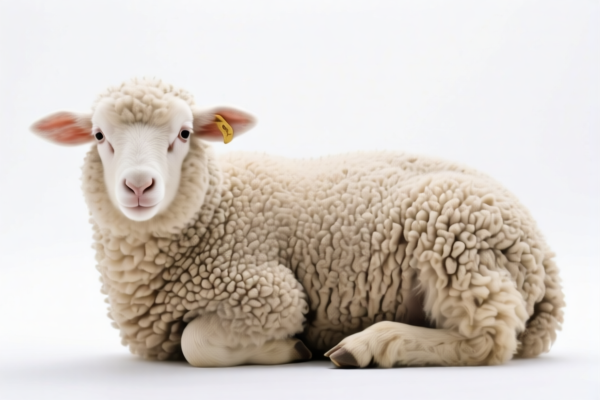
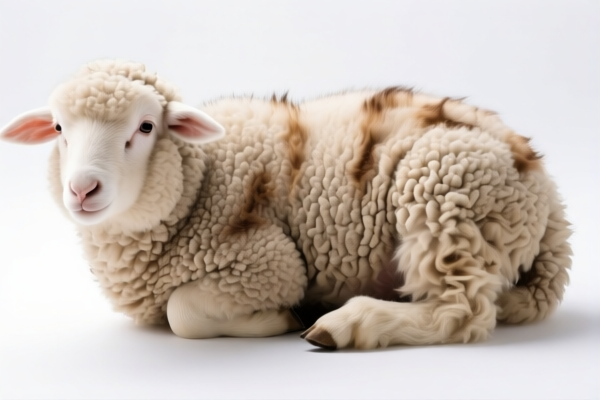
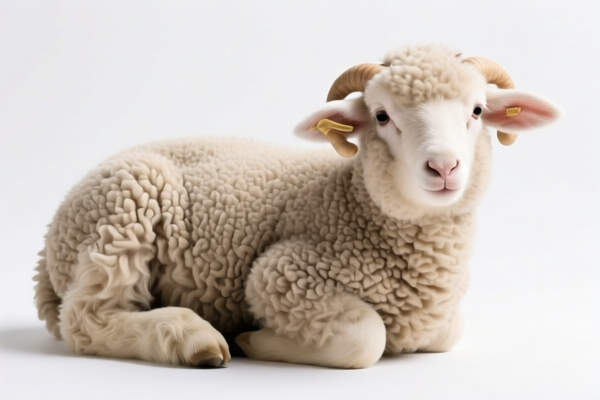
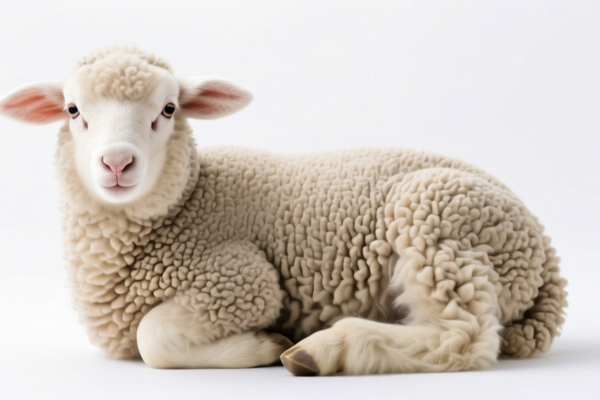
AI Analysis
🐑 Chinese Lamb Fur (羊皮)
🌐 HS Code Reference & Customs Clearance Guide | 2026 Latest Tariff Analysis | Professional Customs Strategy
📌 I. Product Definition & Classification: Do You Really Understand “Lamb Fur”?
Lamb fur (sheepskin) is a natural raw material widely used in the garment, footwear, and leather goods industries. In international trade, its classification depends heavily on its processing state (raw vs. tanned) and form (whole skin vs. fragments). Misclassification can lead to severe tariff discrepancies and customs delays.
⚠️ Key Distinction Point:
- If the fur is untanned/raw (preserved but not chemically tanned for leather use) → Generally falls under Chapter 41 or 43 (depending on specific preservation method and form).
- If the fur is tanned/prepared for furrier use (soft, pliable, ready for clothing) → Falls under Chapter 43.
- Note: The provided data indicates ambiguity between raw skins (Ch 41) and prepared fur (Ch 43), leading to different tariff structures.
📦 II. HS Code Classification Details (Based on Provided Data)
| HS Code | Product Description | Matching Basis (from Data) | Total Tax Rate |
|---|---|---|---|
4102.10.30.00 |
Sheepskin (Raw/Untanned) | "Sheepskin" matches material category (sheep/lamb skin); fits "Other" category for raw skins without further processing. | 12.0% |
4102.29.30.00 |
Sheepskin (Raw/Untanned) | Material matches (sheep/lamb raw hide); inferred as raw skin untanned or further processed. | 19.5% |
4301.30.00.00 |
Lamb Fur (Prepared/Tanned) | Material category (lamb/sheep skin) fits raw fur classification features. | 10.0% |
4301.90.00.00 |
Other Lamb Fur | Material is sheepskin, fits fur raw hide category; form matches fur merchant raw hides/scrap. | 10.0% |
🔍 Critical Warning:
- Chapter 41 Codes (4102...): Treat lamb as raw animal hide/skin. Higher base duties + Section 301 tariffs often apply.
- Chapter 43 Codes (4301...): Treat lamb as raw fur (intended for furriers). Lower base duties (0% base in this data), but still subject to Section 122 tariffs.
- Confusion Risk: Customs may challenge the distinction between "raw skin for leather" (Ch 41) and "raw skin for fur" (Ch 43). Documentation is key!
💰 III. 2026 Latest Tariff Rate Breakdown (Including Surcharges & Policy Add-ons)
✅ Applicable Country: China (CN) → USA (US) Assumed based on "122 Clause" and typical high-tariff context
✅ Product: Chinese Lamb Fur
✅ Effective Time: Current 2026 Tariff Regime
🎯 1. 4102.10.30.00 – Sheepskin (Raw)
| Item | Content |
|---|---|
| Base Duty | 2.0% (ad valorem) |
| Section 301 Surcharge | 7.5% (Note: Data lists 7.5% for 4102.29, but 0% for 4102.10? Data shows 0.0% for 4102.10) → Correction from Data: 0.0% |
| Section 122 Clause | 10.0% |
| Total Rate | 12.0% |
| Tax Calculation | CIF Value × 12.0% |
| De Minimis Exemption | ❌ Not Applicable (General Cargo) |
| Legal Basis Path | HTSUS:4102.10.30.00 → Footnote: Sec 301 (0%) → Sec 122 (10%) |
📌 Explanation:
- Base Duty 2.0%: Standard duty for raw sheepskins.
- Section 301: 0.0%: According to provided data, this specific subheading may not be subject to the 7.5% or 25% Section 301 rate (unlike 4102.29).
- Section 122: 10.0%: Specific surcharge applied to certain animal products.
- Total 12.0%: Moderate tariff burden.
🎯 2. 4102.29.30.00 – Other Sheepskins (Raw)
| Item | Content |
|---|---|
| Base Duty | 2.0% (ad valorem) |
| Section 301 Surcharge | 7.5% |
| Section 122 Clause | 10.0% |
| Total Rate | 19.5% |
| Tax Calculation | CIF Value × 19.5% |
| De Minimis Exemption | ❌ Not Applicable |
| Legal Basis Path | HTSUS:4102.29.30.00 → Footnote: Sec 301 (7.5%) → Sec 122 (10%) |
📌 Explanation:
- Base Duty 2.0%: Standard duty.
- Section 301: 7.5%: This subheading is subject to a specific Section 301 surcharge (likely due to different processing state or exclusions).
- Section 122: 10.0%: Same surcharge as above.
- Total 19.5%: Significantly higher than4102.10.30.00. Ensure correct subheading!
🎯 3. 4301.30.00.00 – Lamb Fur (Prepared/For Furriers)
| Item | Content |
|---|---|
| Base Duty | 0.0% (ad valorem) |
| Section 301 Surcharge | 0.0% |
| Section 122 Clause | 10.0% |
| Total Rate | 10.0% |
| Tax Calculation | CIF Value × 10.0% |
| De Minimis Exemption | ❌ Not Applicable |
| Legal Basis Path | HTSUS:4301.30.00.00 → Footnote: Sec 301 (0%) → Sec 122 (10%) |
📌 Explanation:
- Base Duty 0.0%: Raw fur for furriers often has lower base duties.
- Section 301: 0.0%: Not subject to Section 301 surcharges in this classification.
- Section 122: 10.0%: Still subject to the specific animal product surcharge.
- Total 10.0%: Lowest tariff option. Best for cost optimization if product qualifies.
🎯 4. 4301.90.00.00 – Other Raw Fur
| Item | Content |
|---|---|
| Base Duty | 0.0% (ad valorem) |
| Section 301 Surcharge | 0.0% |
| Section 122 Clause | 10.0% |
| Total Rate | 10.0% |
| Tax Calculation | CIF Value × 10.0% |
| De Minimis Exemption | ❌ Not Applicable |
| Legal Basis Path | HTSUS:4301.90.00.00 → Footnote: Sec 301 (0%) → Sec 122 (10%) |
📌 Explanation:
- Same tax structure as4301.30.00.00.
- Use this for lamb fur fragments, edges, or other non-standard forms.
- Total 10.0%: Competitive rate.
🛠️ IV. Customs Clearance Practical Advice (Pitfall Avoidance Guide)
✅ 1. Documentation Checklist (Essential for Smooth Clearance)
| Document | Required? | Purpose |
|---|---|---|
| ✅ Product Specification Sheet | ✔️ | Detail preservation method (salted, dried, tanned?) |
| ✅ Photos of Goods | ✔️ | Show texture, form (whole skin vs. fragments), and label |
| ✅ Commercial Invoice | ✔️ | Clearly state “Raw Lamb Fur” or “Sheepskin Raw Hide” |
| ✅ Packing List | ✔️ | Indicate net weight, gross weight, and number of pieces |
| ✅ Certificate of Origin | ✔️ | For potential FTAs (if any apply) |
| ✅ Processing Certificate | ✔️ | Confirm if tanned/untanned to support Ch 41 vs. Ch 43 |
✅ 2. Classification Strategy (Key Tips)
🔥 “Raw for Leather = Ch 41; Raw for Fur = Ch 43; Documentation is King!”
| Scenario | Recommended HS Code | Reason |
|---|---|---|
| Sheepskin intended for leather production | 4102.10.30.00 or 4102.29.30.00 |
Matches Chapter 41 definition of raw hides |
| Lamb fur intended for clothing/furriers | 4301.30.00.00 |
Lower tax (10% vs. 12-19.5%); fits fur classification |
| Lamb fur fragments/scrap | 4301.90.00.00 |
Fits “other raw fur” description |
⚠️ Risk: If you declare as
4102(raw hide) but the fur is clearly prepared for fur use, Customs may reclassify to4301, causing delays. Conversely, if declared as4301but it’s raw for leather, they may force4102.
✅ 3. Special Considerations
| Situation | Advice |
|---|---|
| Salted vs. Dried | Specify preservation method; may affect Ch 41 subheading |
| With Wool vs. Without Wool | Wool-on skins are more common for fur (Ch 43); skinned hides for leather (Ch 41) |
| Origin Labeling | Clearly mark “Made in China” to avoid origin fraud allegations |
| Antibiotic/Residue Testing | Some markets require proof of no harmful chemicals, even for raw fur |
🌍 V. Global Market Comparison (2026 Latest)
| Country/Region | Recommended HS Code | Estimated Tax (China Origin) | Certification | Notes |
|---|---|---|---|---|
| 🇺🇸 USA | 4301.30.00.00 |
10.0% | None typically | Best rate via Ch 43 classification |
| 🇨🇳 China | 4301.30.00.00 |
~10-15% (Import Duty) | None | Domestic market has different rules |
| 🇪🇺 EU | 4301.10 |
~0-5% | REACH Compliance | Strict chemical regulations |
| 🇯🇵 Japan | 4301.10 |
~10-15% | Animal Health | Quota systems may apply |
📌 Conclusion:
- USA: Opt for Ch 43 (4301.30.00.00) to minimize duty to 10% vs. 12-19.5% for Ch 41.
- EU/Japan: Focus on chemical compliance (REACH) more than duty optimization.
📌 VI. Common Mistakes & Pitfalls (Lessons Learned)
❌ Mistake 1: Declaring “Lamb Fur” as 4102 (Raw Hide) when it’s clearly for fur use
👉 Consequence: Higher duty (12-19.5%) + potential penalty for misdeclaration.
👉 Fix: Use 4301.30.00.00 if intended for furriers.
❌ Mistake 2: Not specifying preservation method (salted/dried)
👉 Consequence: Customs cannot determine correct Ch 41 subheading → Delay.
👉 Fix: Include “Salted Sheepskin” or “Dried Lamb Fur” in description.
❌ Mistake 3: Ignoring Section 122 Clause (10%)
👉 Consequence: Underestimating total cost by 10% on all codes.
👉 Fix: Budget for 10% surcharge on all lamb fur imports to USA.
✅ Correct Declaration Example:
“RAW LAMB FUR, SHELLED, SALTED, FOR FURRIER USE, HS 4301.30.00.00”
🎯 VII. Conclusion: Precision Classification Saves Money!
🎯 Remember This Rule:
🔹 “For Fur → Ch 43 (10%); For Leather → Ch 41 (12-19.5%)”
🔹 “Section 122 Adds 10% Universally”
🔹 “Document Preservation Method Clearly!”
📌 Pro Tip:
If your lamb fur is tanned and dressed (ready for clothing), it might fall under Chapter 4304 (furskins) or Chapter 4114 (chemically prepared leather), which may have different tax treatments. Ensure your product matches the “raw” definition in 4301.
📣 Immediate Action:
📞 Consult a licensed customs broker for Pre-Ruling on your specific lamb fur product.
📄 Prepare Photos & Specs showing it’s “raw” and “for fur use” to support4301.30.00.00.
🚀 Optimize your duty from 19.5% down to 10% with correct classification!
✨ Professional Customs Clearance Starts with Accurate Classification!
💼 Every Percent Saved is Profit Gained!
Customer Reviews
About HS Code Classification
The Harmonized System (HS) is an internationally standardized nomenclature developed by the World Customs Organization (WCO) to classify traded products. Over 200 countries use the HS system as the basis for customs tariffs, trade statistics, and import/export regulations.
Each HS code follows a hierarchical structure:
- Chapter (2 digits) — Broad category of goods (e.g., Chapter 84: Machinery and Mechanical Appliances)
- Heading (4 digits) — More specific grouping within the chapter
- Subheading (6 digits) — Internationally standardized breakdown, used by all WCO member countries
- National subdivisions (8-10 digits) — Country-specific extensions for further classification, such as US HTSUS 10-digit codes
Correct HS code classification is essential for smooth customs clearance, accurate duty payment, and compliance with trade regulations. Misclassification can lead to customs delays, overpayment of duties, or penalties.
When importing from CN to US, the applicable tariff rates may include:
- Most-Favored-Nation (MFN) rate — The standard duty rate applied to WTO members
- General rate — Applied to countries without trade agreements
- Trade remedy duties — Additional tariffs such as Section 301 (anti-dumping), Section 232 (national security), or countervailing duties
The information provided on this page is for reference purposes only. For official classification, please consult with your local customs authority or a licensed customs broker.