Chinese Lamb Skin
CN → US| HS Code | Tariff Rate | Origin | Destination | Doc |
|---|---|---|---|---|
| 4102103000 | 12.0% | CN | US | Official Doc |
| 4102293000 | 19.5% | CN | US | Official Doc |
| 4301300000 | 10.0% | CN | US | Official Doc |
| 4301900000 | 10.0% | CN | US | Official Doc |
Product Images
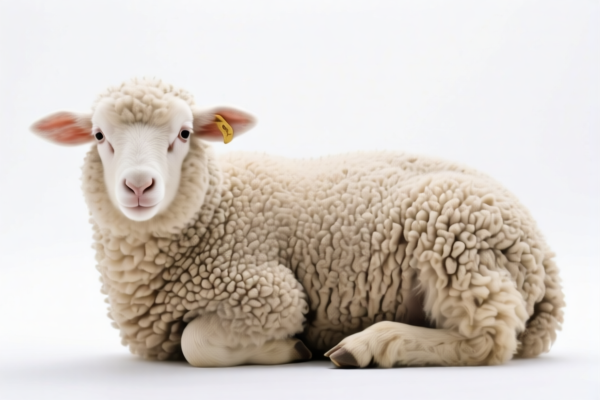
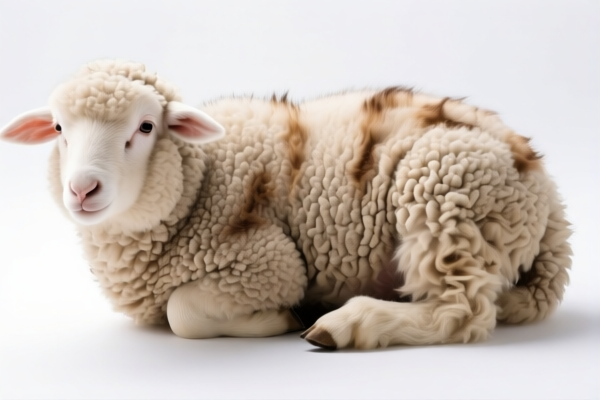
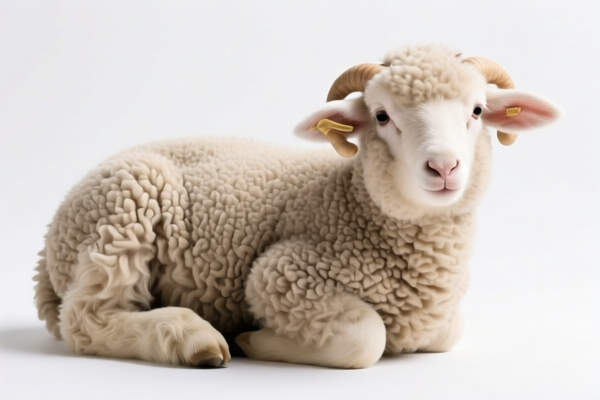
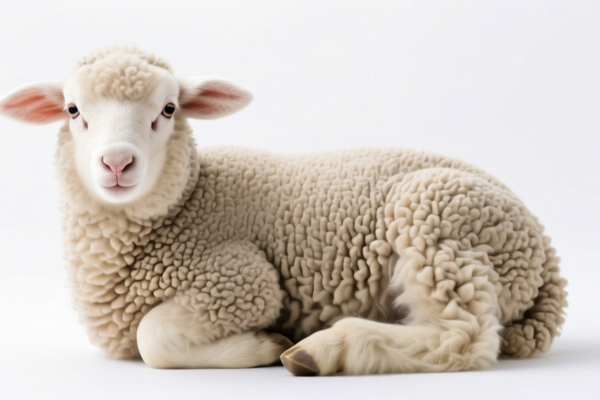
AI Analysis
🐑 Lamb Skin (Raw Hides/Skins)
🌐 HS Code Reference & Customs Clearance Guide | 2026 Latest Tariff Analysis | Professional Strategy for Chinese Exports
📌 I. Product Definition & Classification: What Exactly is "Lamb Skin"?
In international trade, "Lamb Skin" (羊皮) generally refers to the raw hides or skins of sheep or lambs, typically untanned (raw). However, depending on the level of processing, origin, and specific biological characteristics (e.g., sheepskin vs. lambskin), they can fall under different chapters of the Harmonized System (HS).
Two Main Categories: 1. Chapter 41: Animal Skins and Hides (Leather): For skins that are merely salted, dried, or preserved but not tanned. These are intended for further processing into leather goods. 2. Chapter 43: Furskins and Artificial Fur: For raw skins where the hair/pelt is the primary value driver, often used directly for fur garments or trimming.
⚠️ Critical Distinction Point:
- If the skin is raw, salted, or dried without tanning → Chapter 41 (Leather Base).
- If the skin is raw but classified as "Furskin" (often due to high hair value or specific species like certain lambs) → Chapter 43 (Fur Base).
- Tanned skins would fall elsewhere (e.g., 4104, 4303), but the provided data specifically addresses raw/un-tanned scenarios.
📦 II. HS Code Classification Details (Based on Provided Data)
| HS Code | Product Description | Matching Logic | Total Tax Rate |
|---|---|---|---|
4102.10.30.00 |
Sheepskins, Class 1 | Direct match: Name "Lamb Skin" corresponds to material. Fits raw hide characteristics. | 12.0% |
4102.29.30.00 |
Sheepskins, Other | Match: Raw skins of sheep/lambs, un-tanned. Specific subset of sheepskins. | 19.5% |
4301.30.00.00 |
Furskins (Sheep/Lamb) | Match: Classified as "Lambskin/Sheepskin" under Furskins. Fits raw fur classification. | 10.0% |
4301.90.00.00 |
Other Furskins | Match: Classified as raw fur skin for commercial fur use. General fur category. | 10.0% |
🔍 Key Insight:
- The choice between Chapter 41 and Chapter 43 depends on whether customs views the item as raw material for leather or raw fur for pelts.
- Tax rates vary significantly: From 10% (Chapter 43) to 19.5% (Chapter 41, specific sheepskin).
- All rates include Section 301 tariffs and IEEPA surcharges (as detailed below).
💰 III. 2026 Latest Tariff Rate Breakdown (Including Additional Taxes)
✅ Applicable Country: United States (US)
✅ Origin: China (CN)
✅ Effective Date: Current applicable rates as per provided data
🎯 1. 4102.10.30.00 —— Sheepskins, Class 1 (Raw)
| Item | Detail |
|---|---|
| Base Duty | 2.0% |
| Section 301 Additional Duty | 0.0% |
| IEEPA Section 122 Surcharge | 10.0% |
| Total Tax Rate | 12.0% |
| Calculation Basis | CIF Value × 12.0% |
| De Minimis Eligibility | ❌ No (Typically denied for raw animal products due to biosecurity/trade restrictions) |
| Legal Basis Path | HTSUS:4102.10.30 → Section 301: 9903.01.25 → IEEPA: 9903.01.24 |
📌 Explanation:
- This is the most favorable rate in Chapter 41 for sheepskins.
- It assumes the goods are classified as "Class 1" sheepskins, which may have lower Section 301 exposure.
- Warning: Misclassification here if the skin is actually "Other Sheepskins" (4102.29.30.00) could lead to a 7.5% additional penalty.
🎯 2. 4102.29.30.00 —— Other Sheepskins (Raw)
| Item | Detail |
|---|---|
| Base Duty | 2.0% |
| Section 301 Additional Duty | 7.5% |
| IEEPA Section 122 Surcharge | 10.0% |
| Total Tax Rate | 19.5% |
| Calculation Basis | CIF Value × 19.5% |
| De Minimis Eligibility | ❌ No |
| Legal Basis Path | HTSUS:4102.29.30 → Section 301: 9903.01.25 → IEEPA: 9903.01.24 |
📌 Critical Note:
- This code attracts a 7.5% Section 301 tariff, making it 7.5 percentage points higher than4102.10.30.00.
- Use this only if the skin does not qualify as "Class 1" (e.g., damaged, non-standard, or specific sub-type).
🎯 3. 4301.30.00.00 —— Furskins, Sheep/Lamb (Raw)
| Item | Detail |
|---|---|
| Base Duty | 0.0% |
| Section 301 Additional Duty | 0.0% |
| IEEPA Section 122 Surcharge | 10.0% |
| Total Tax Rate | 10.0% |
| Calculation Basis | CIF Value × 10.0% |
| De Minimis Eligibility | ❌ No |
| Legal Basis Path | HTSUS:4301.30 → IEEPA: 9903.01.24 |
📌 Strategy:
- This is the lowest total tax rate (10%) if the product can be legally classified under Chapter 43.
- Requires justification that the item is primarily valued as fur/pelt rather than leather hide.
- Risk: Customs may challenge this if the skin is salted/dried for leather production.
🎯 4. 4301.90.00.00 —— Other Furskins (Raw)
| Item | Detail |
|---|---|
| Base Duty | 0.0% |
| Section 301 Additional Duty | 0.0% |
| IEEPA Section 122 Surcharge | 10.0% |
| Total Tax Rate | 10.0% |
| Calculation Basis | CIF Value × 10.0% |
| De Minimis Eligibility | ❌ No |
| Legal Basis Path | HTSUS:4301.90 → IEEPA: 9903.01.24 |
📌 Strategy:
- Same rate as4301.30.00.00, used for unclassified or mixed furskins.
- Less specific than4301.30.00.00, so only use if4301.30is not applicable.
🛠️ IV. Customs Clearance Practical Advice (Avoiding Pitfalls)
✅ 1. Documentation Checklist (Mandatory)
| Document | Required? | Notes |
|---|---|---|
| ✅ Commercial Invoice | ✔️ | Must clearly state: "Raw Sheepskins/Lambskins," quantity, weight, and processing status (e.g., "Salted," "Dried," "Fresh"). |
| ✅ Packing List | ✔️ | Include gross/net weight, number of hides, and any preservatives used. |
| ✅ Fumigation Certificate | ✔️ | Critical for raw animal products. USDA APHIS requires proof of pest control. |
| ✅ Veterinary Health Certificate | ✔️ | Proves the skins are free from infectious diseases (e.g., Foot-and-Mouth). |
| ✅ Product Photographs | ✔️ | Show texture, hair quality, and any treatments (salt, chemicals). |
| ✅ HS Code Pre-Ruling | ✔️ | Highly recommended to confirm Chapter 41 vs. 43 classification. |
✅ 2. Classification Strategy (Key Mantra)
🔥 "Leather vs. Fur: Weight, Treatment, and Intent Define the Code!"
| Scenario | Recommended HS Code | Reason |
|---|---|---|
| High-quality, uniform skins, salted for leather | 4102.10.30.00 |
Best balance of low base duty + no 301 tariff. |
| Damaged, irregular, or non-standard skins | 4102.29.30.00 |
Higher tax (19.5%), but necessary if not Class 1. |
| High-value pelts, hair intact for fur garments | 4301.30.00.00 |
Lowest tax (10%), but requires strong fur justification. |
| Mixed/unspecified raw skins | 4301.90.00.00 |
Fallback for Chapter 43, same 10% rate. |
⚠️ Warning:
- Do NOT ship raw animal products without a Fumigation Certificate.
- Do NOT misclassify leather hides as fur to avoid Section 301 tariffs. Customs may audit and impose penalties + back duties.
✅ 3. Special Considerations
| Situation | Advice |
|---|---|
| Biosecurity Checks | USDA APHIS may inspect at port. Ensure packaging is clean and labeled correctly. |
| Value Declaration | Ensure CIF value includes freight and insurance. Under-declaration leads to seizures. |
| Chapter 43 vs. 41 Dispute | If customs argues for Chapter 41, be prepared with technical specs showing fur value (hair length, density). |
| De Minimis Exclusion | Remember, Section 321 (De Minimis) does NOT apply to raw animal products from China. All shipments must go through formal entry. |
🌍 V. Global Market Comparison (2026)
| Market | Recommended HS Code | Est. Total Tax | Notes |
|---|---|---|---|
| 🇺🇸 USA | 4102.10.30.00 |
12.0% | Lowest among Chapter 41 options. |
| 🇺🇸 USA | 4301.30.00.00 |
10.0% | Lowest overall, but classification risk. |
| 🇨🇳 China (Import) | 4102.10.30.00 |
~2-5% | Varies by trade agreement; generally lower. |
| 🇪🇺 EU | 4102.10.30 |
~12-15% | Check EU TARIC; no 301-style surcharges. |
📌 Conclusion:
- USA is the highest-tariff market due to IEEPA and Section 301.
- Opt for4102.10.30.00for standard raw sheepskins to minimize risk and cost.
- Only use4301.30.00.00if the product is definitively a fur pelt, not a leather hide.
📌 VI. Common Errors & Pitfalls (Lessons Learned)
❌ Error 1: Using "Lamb Skin" without specifying "Raw" or "Salted"
👉 Consequence: Customs delays for biosecurity verification; potential seizure.
❌ Error 2: Classifying raw hides as Chapter 43 to get 10% tax
👉 Consequence: If deemed leather, back-tariffs of 9.5% (19.5% - 10%) plus penalties.
❌ Error 3: Ignoring Fumigation Requirements
👉 Consequence: Shipment rejected or destroyed at US port.
❌ Error 4: Assuming De Minimis Applies
👉 Consequence: Package held for formal entry; fines for incorrect shipment type.
✅ Correct Approach:
"Raw Sheepskins, Salted, Fumigated, HS Code 4102.10.30.00, Origin: China"
🎯 VII. Conclusion: Smart Classification, Smooth Clearance!
🎯 Remember the Mantra:
🔹 "Leather = Ch41, Fur = Ch43. Raw = No De Minimis. Fumigation = Mandatory."
🔹 "12% is safe, 10% is risky. Choose wisely!"
📌 Pro Tip:
If you have large volumes, consider applying for a Customs Ruling to lock in your HS Code classification. This provides legal certainty and avoids unexpected audits.
📣 Immediate Action:
📞 Contact a licensed customs broker.
📄 Prepare Fumigation Certificates.
🚀 Ensure your supplier provides accurate Processing Details (salted/dried/fresh).
✨ Professional Clearance Starts with Precise Classification!
💼 Your Cost Savings Depend on This!
Customer Reviews
About HS Code Classification
The Harmonized System (HS) is an internationally standardized nomenclature developed by the World Customs Organization (WCO) to classify traded products. Over 200 countries use the HS system as the basis for customs tariffs, trade statistics, and import/export regulations.
Each HS code follows a hierarchical structure:
- Chapter (2 digits) — Broad category of goods (e.g., Chapter 84: Machinery and Mechanical Appliances)
- Heading (4 digits) — More specific grouping within the chapter
- Subheading (6 digits) — Internationally standardized breakdown, used by all WCO member countries
- National subdivisions (8-10 digits) — Country-specific extensions for further classification, such as US HTSUS 10-digit codes
Correct HS code classification is essential for smooth customs clearance, accurate duty payment, and compliance with trade regulations. Misclassification can lead to customs delays, overpayment of duties, or penalties.
When importing from CN to US, the applicable tariff rates may include:
- Most-Favored-Nation (MFN) rate — The standard duty rate applied to WTO members
- General rate — Applied to countries without trade agreements
- Trade remedy duties — Additional tariffs such as Section 301 (anti-dumping), Section 232 (national security), or countervailing duties
The information provided on this page is for reference purposes only. For official classification, please consult with your local customs authority or a licensed customs broker.