Chlorinated Paraffin Plasticizer
CN → US| HS Code | Tariff Rate | Origin | Destination | Doc |
|---|---|---|---|---|
| 3812205000 | 40.0% | CN | US | Official Doc |
| 2712200000 | 17.5% | CN | US | Official Doc |
| 3824992100 | 35.0% | CN | US | Official Doc |
| 3824994900 | 41.5% | CN | US | Official Doc |
| 2712902000 | 35.0% | CN | US | Official Doc |
Product Images


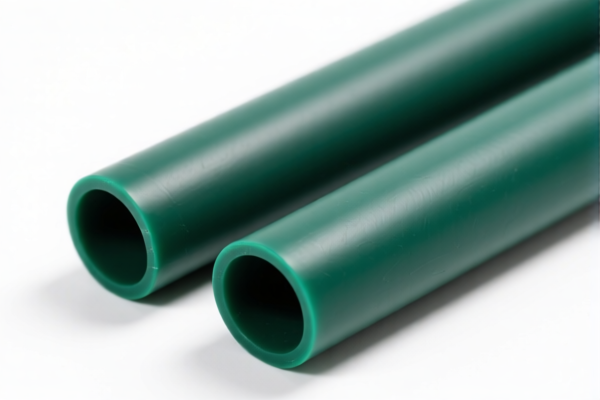
AI Analysis
🧪 Chlorinated Paraffin (Chlorinated Paraffin Plasticizer)
🌐 HS Code Classification & Customs Clearance Guide | 2026 Tax Analysis | Strategic Compliance Strategy
📌 I. Product Definition & Classification: Do You Understand "Chlorinated Paraffin"?
Chlorinated Paraffin (CP), often referred to as Chlorinated Paraffin Plasticizer, is a complex mixture of chlorinated alkanes produced by the chlorination of paraffin wax. It is widely used as a plasticizer, flame retardant, and lubricant in the textile, leather, plastic, and rubber industries.
In international trade, CP is frequently misclassified due to its dual nature as both a chemical intermediate and a petroleum derivative. The correct classification depends heavily on the specific chemical composition and intended use:
- Chemical Mixture/Preparation: If CP is processed as a specialized additive for plastics/rubbers/textiles.
- Mineral Wax Derivative: If CP is viewed primarily as a derivative of mineral wax (paraffin).
⚠️ Key Distinction:
- If classified as a Chemical Preparation/Additive → Likely falls under Chapter 38 (Higher Tariff Risk due to Section 301/122).
- If classified as a Mineral Wax Derivative → Likely falls under Chapter 27 (Potentially Lower Tariff, but still subject to additional duties).
📦 II. HS Code Classification Details (2026 Latest Tariff Reference)
Based on the provided data, here are the 5 possible HS Code classifications for Chlorinated Paraffin, with their corresponding tax implications.
| HS Code | Product Description | Application/Reasoning | Tax Rate |
|---|---|---|---|
3812.20.50.00 |
Textile Additive / Plasticizer | Classified as a complex plasticizer for rubber or plastics. CP is used as an auxiliary agent in textiles and plastics. | 40.0% |
3824.99.21.00 |
Chemical Preparation | Classified as a chemical product/preparation (mixture). CP is a chemically treated mixture. | 35.0% |
3824.99.49.00 |
Hydrocarbon Mixture | Classified as a mixture of hydrocarbons/organic compounds. CP is derived from hydrocarbon chains. | 41.5% |
2712.20.00.00 |
Mineral Wax Derivative | Classified as a derivative of mineral wax (paraffin wax). CP is a chlorinated derivative of paraffin. | 17.5% |
2712.90.20.00 |
Other Mineral Waxes | Classified as "Other similar products" to mineral wax. Broad category for wax-like substances. | 35.0% |
🔍 Critical Insight:
- Chapter 38 (Codes 3812, 3824): Generally attracts higher tariffs (35%–41.5%) due to being classified as "chemical preparations." This is the most common classification for CP used as a plasticizer.
- Chapter 27 (Codes 2712): Offers lower tariffs (17.5%–35%), but requires strict proof that the product is primarily a "wax derivative" rather than a specialized chemical additive. Customs authorities often scrutinize this classification.
💰 III. 2026 Latest Tariff Rate Breakdown (Including Additional Duties)
✅ Applicable Country: USA (US)
✅ Origin: China (CN)
✅ Effective Date: Ongoing (Subject to Section 301 and Section 122 adjustments)
🎯 1. 3812.20.50.00 – Chlorinated Paraffin as Plasticizer
| Item | Detail |
|---|---|
| Base Duty | 5.0% |
| Section 301 Additional Duty | +25.0% |
| Section 122 Duty | +10.0% |
| Total Tariff | 40.0% |
| Tax Calculation | CIF Value × 40% |
| De Minimis Eligibility | ❌ Not Eligible (High risk of audit/seizure) |
| Legal Basis Path | HTSUS:3812.20.50 → Section 301 Footnote → Section 122 Addl. Duty |
📌 Explanation:
- The 25% Section 301 duty is standard for most Chinese chemical goods.
- The 10% Section 122 duty is a specific additional tariff often applied to certain chemical imports.
- Total 40% is a significant cost driver.
🎯 2. 3824.99.21.00 – Chemical Preparation (No Base Tariff)
| Item | Detail |
|---|---|
| Base Duty | 0.0% |
| Section 301 Additional Duty | +25.0% |
| Section 122 Duty | +10.0% |
| Total Tariff | 35.0% |
| Tax Calculation | CIF Value × 35% |
| De Minimis Eligibility | ❌ Not Eligible |
| Legal Basis Path | HTSUS:3824.99.21 → Section 301 Footnote → Section 122 Addl. Duty |
📌 Note:
- Although the base duty is 0%, the 35% total is still high due to the additive duties.
- This classification is often used for CP that is not specifically labeled for textiles but for general chemical processing.
🎯 3. 3824.99.49.00 – Hydrocarbon Mixture (Highest Base Duty)
| Item | Detail |
|---|---|
| Base Duty | 6.5% |
| Section 301 Additional Duty | +25.0% |
| Section 122 Duty | +10.0% |
| Total Tariff | 41.5% |
| Tax Calculation | CIF Value × 41.5% |
| De Minimis Eligibility | ❌ Not Eligible |
| Legal Basis Path | HTSUS:3824.99.49 → Section 301 Footnote → Section 122 Addl. Duty |
📌 Warning:
- This is the most expensive classification (41.5%).
- It applies when CP is broadly categorized as a "hydrocarbon mixture" without specific plasticizer or wax designation. Avoid this if possible.
🎯 4. 2712.20.00.00 – Mineral Wax Derivative (Lowest Total Tariff)
| Item | Detail |
|---|---|
| Base Duty | 0.0% |
| Section 301 Additional Duty | +7.5% |
| Section 122 Duty | +10.0% |
| Total Tariff | 17.5% |
| Tax Calculation | CIF Value × 17.5% |
| De Minimis Eligibility | ❌ Not Eligible |
| Legal Basis Path | HTSUS:2712.20.00 → Section 301 (Reduced Rate for Waxes?) → Section 122 Addl. Duty |
📌 Opportunity:
- 17.5% is the lowest total tariff among all options.
- Crucial Requirement: You must provide technical documentation proving the product is a derivative of mineral wax (paraffin) and not a specialized chemical plasticizer. If Customs disagrees, they will reclassify it to Chapter 38, leading to back taxes and penalties.
🎯 5. 2712.90.20.00 – Other Mineral Waxes
| Item | Detail |
|---|---|
| Base Duty | 0.0% |
| Section 301 Additional Duty | +25.0% |
| Section 122 Duty | +10.0% |
| Total Tariff | 35.0% |
| Tax Calculation | CIF Value × 35.0% |
| De Minimis Eligibility | ❌ Not Eligible |
| Legal Basis Path | HTSUS:2712.90.20 → Section 301 Footnote → Section 122 Addl. Duty |
📌 Note:
- Same total rate as3824.99.21.00(35%), but under a different chapter.
- Less common for CP, as it is specifically a "chlorinated" derivative, not a general "other wax."
🛠️ IV. Customs Clearance Practical Advice (Avoid Pitfalls)
✅ 1. Document Checklist (Essential for Clearance)
| Document | Required | Notes |
|---|---|---|
| ✅ Technical Data Sheet (TDS) | ✔️ | Must specify Carbon Chain Length, Chlorine Content (%), and Physical State. |
| ✅ Safety Data Sheet (SDS) | ✔️ | Required for chemical safety compliance (OSHA/EPA). |
| ✅ Certificate of Origin | ✔️ | Essential to verify China origin and apply/additional duties. |
| ✅ Commercial Invoice | ✔️ | Must clearly state: "Chlorinated Paraffin (Chlorinated Paraffin Plasticizer)" with HS Code. |
| ✅ Usage Declaration | ✔️ | State intended use: "Plasticizer for PVC," "Flame Retardant," etc. |
| ✅ Chain of Custody | ✔️ | Proving the source of paraffin wax (mineral vs. synthetic) helps justify Chapter 27. |
✅ 2. Declaration Strategy (Key Tips)
🔥 "Classify by Use, Not Just Name! Chapter 27 Saves Money, But Chapter 38 is Safer!"
| Scenario | Recommended HS Code | Risk Level |
|---|---|---|
| Used as Plasticizer in PVC/Textiles | 3812.20.50.00 (40%) |
🟡 Medium (Standard) |
| General Chemical Additive | 3824.99.21.00 (35%) |
🟡 Medium |
| Strictly Mineral Wax Derivative | 2712.20.00.00 (17.5%) |
🔴 High (Requires strong proof) |
| Broad Hydrocarbon Mixture | 3824.99.49.00 (41.5%) |
🔴 High (Avoid if possible) |
📌 Key Advice:
- If you aim for 17.5% (Chapter 27), you must provide lab tests showing the product is chemically similar to paraffin wax and used as a wax derivative.
- If Customs rejects Chapter 27, they will default to Chapter 38 (35-41.5%), and you will owe the difference.
- Recommendation: For most commercial CP,3812.20.50.00or3824.99.21.00is the safer, more accepted classification.
✅ 3. Special Circumstances
| Situation | Handling Advice |
|---|---|
| OEM/Custom Blends | Clearly label the base paraffin source and chlorination degree. |
| Flame Retardant Grade | May require additional EPA/FDA notifications if used in packaging or toys. |
| Small Shipments (<800 USD) | Do NOT rely on De Minimis. CP is often flagged for anti-dumping/countervailing duties. |
| Environmental Compliance | Ensure CP meets REACH (EU) or TSCA (US) regulations for chlorine content. |
🌍 V. Global Market Comparison (2026 Latest)
| Country/Region | Recommended HS Code | Estimated Tariff | Notes |
|---|---|---|---|
| 🇺🇸 USA | 3812.20.50.00 or 2712.20.00.00 |
17.5% – 41.5% | High Section 301/122 duties. Chapter 27 offers savings but high audit risk. |
| 🇪🇺 EU | 3824.99.95 (Typical) |
6.5% | No Section 301/122. But may have environmental taxes (REACH). |
| 🇨🇳 China | 3824.99.99 |
5% – 10% | Low base duty. Export from China is subject to different rules. |
| 🇮🇳 India | 3824.99.99 |
7.5% | Basic Customs Duty + SWS + IGST. Total ~28-30%. |
📌 Conclusion:
- USA is the most expensive market due to Section 301/122.
- EU offers lower duties but stricter environmental compliance.
📌 VI. Common Mistakes & Pitfalls (Lessons Learned)
❌ Mistake 1: Declaring CP as "Mineral Oil" or "Lubricant"
👉 Consequence: Customs may reclassify to Chapter 38, leading to back taxes + penalties.
❌ Mistake 2: Using Chapter 27 (2712) without proof of wax origin
👉 Consequence: Audit failure, classification correction to Chapter 38 (higher tax).
❌ Mistake 3: Ignoring Section 122 Duties
👉 Consequence: Underpayment of 10% additional duty → Seizure or fines.
❌ Mistake 4: Declaring "Plasticizer" without specifying type
👉 Consequence: Ambiguity leads to manual review, delays in clearance.
✅ Correct Approach:
"Chlorinated Paraffin (CP), Chlorine Content: 52%, Carbon Chain: C10-C13, Used as Plasticizer for PVC. HS Code: 3812.20.50.00."
🎯 VII. Conclusion: Professional Classification Saves Money!
🎯 Remember This Mantra:
🔹 "Chapter 27 is Cheaper, Chapter 38 is Safer!"
🔹 "Section 301 + 122 = High Tax. Prepare Early!"
🔹 "Chlorine Content is Key. Document Everything!"
📌 Pro Tip:
If your CP is sourced from Vietnam, Thailand, or Malaysia, you may qualify for lower Section 301 duties (check FTAs).
Request an Advance Ruling from US Customs (CBP) to lock in your HS Code and avoid surprise audits.
📣 Immediate Action:
📞 Consult a licensed customs broker.
📄 Prepare technical data sheets (TDS/SDS).
🚀 Optimize your supply chain for compliance and cost-efficiency!
✨ Professional Classification Starts with Precision!
💼 Every dollar of tax saved is pure profit!
Customer Reviews
About HS Code Classification
The Harmonized System (HS) is an internationally standardized nomenclature developed by the World Customs Organization (WCO) to classify traded products. Over 200 countries use the HS system as the basis for customs tariffs, trade statistics, and import/export regulations.
Each HS code follows a hierarchical structure:
- Chapter (2 digits) — Broad category of goods (e.g., Chapter 84: Machinery and Mechanical Appliances)
- Heading (4 digits) — More specific grouping within the chapter
- Subheading (6 digits) — Internationally standardized breakdown, used by all WCO member countries
- National subdivisions (8-10 digits) — Country-specific extensions for further classification, such as US HTSUS 10-digit codes
Correct HS code classification is essential for smooth customs clearance, accurate duty payment, and compliance with trade regulations. Misclassification can lead to customs delays, overpayment of duties, or penalties.
When importing from CN to US, the applicable tariff rates may include:
- Most-Favored-Nation (MFN) rate — The standard duty rate applied to WTO members
- General rate — Applied to countries without trade agreements
- Trade remedy duties — Additional tariffs such as Section 301 (anti-dumping), Section 232 (national security), or countervailing duties
The information provided on this page is for reference purposes only. For official classification, please consult with your local customs authority or a licensed customs broker.