Chopper
CN → US| HS Code | Tariff Rate | Origin | Destination | Doc |
|---|---|---|---|---|
| 8438800000 | 35.0% | CN | US | Official Doc |
| 8210000000 | 38.7% | CN | US | Official Doc |
| 8438600000 | 35.0% | CN | US | Official Doc |
| 8442300150 | 35.0% | CN | US | Official Doc |
| 8438800000 | 35.0% | CN | US | Official Doc |
Product Images
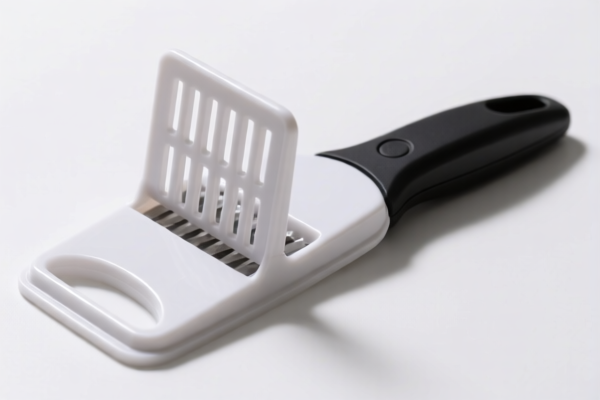
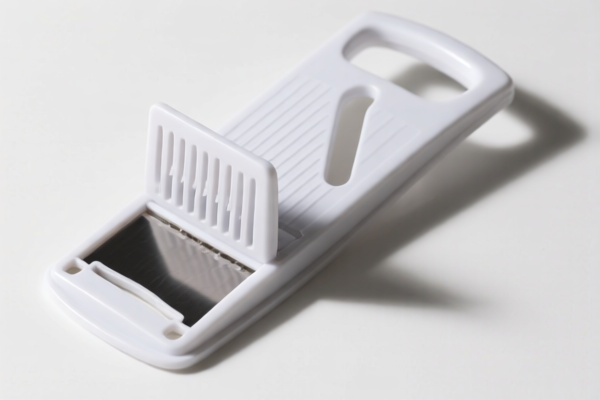
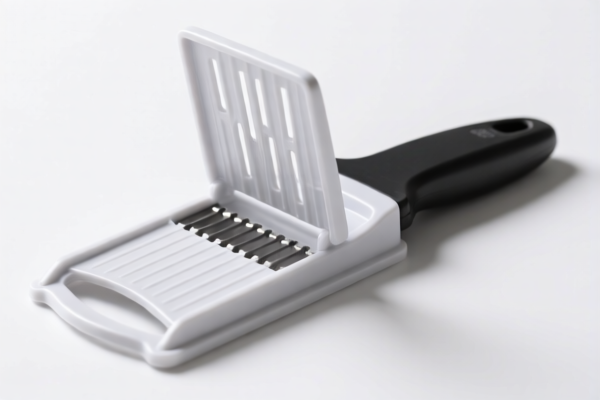
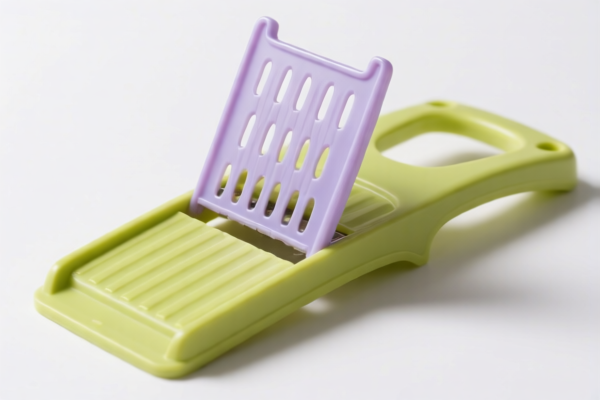
AI Analysis
🔪 Food Slicer / Chopper (Food Preparation Machinery & Tools)
🌐 HS Code Reference & Customs Clearance Guide | 2026 Latest Tariff Analysis | Professional Entry Strategy 📌 I. Product Definition & Classification: What Exactly is a "Chopper"?
A "Chopper" in the context of international trade typically refers to devices used for preparing, slicing, or processing food. However, the Harmonized System (HS) code classification depends heavily on its mechanical nature, power source, and specific use case.
It generally falls into two main categories: 1. Mechanical Food Processing Machines: Industrial or commercial units designed for large-scale food preparation (slicing fruits, vegetables, etc.). 2. Manual Household Utensils: Simple hand-held tools for basic food prep.
⚠️ Key Distinction Point: - If it is a powered mechanical device for preparing fruits, nuts, or vegetables → Often classified under Chapter 84 (Machinery). - If it is a manual hand tool (like a handheld chopper or manual slicer) → Often classified under Chapter 82 (Articles of Cutlery).
📦 II. HS Code Classification Details (Based on Provided Data)
Based on the provided dataset, there are four primary HS codes with distinct tax implications.
| HS Code | Product Description & Logic | Total Tax Rate | Tax Breakdown Details |
|---|---|---|---|
| 8438.80.00.00 | Food Processing Machinery: Choppers classified as machinery for the industrial preparation or manufacturing of food or beverages. | 35.0% | Base: 0.0% Additional (Section 301): 25.0% Section 122 Tariff: 10.0% |
| 8210.00.00.00 | Manual Food Prep Utensils: Manual mechanical instruments for food/drink preparation. Fits the description of manual tools. | 38.7% | Base: 3.7% Additional (Section 301): 25.0% Section 122 Tariff: 10.0% |
| 8438.60.00.00 | Fruit/Veg Preparation Machinery: Machinery specifically for preparing fruits, nuts, or vegetables. | 35.0% | Base: 0.0% Additional (Section 301): 25.0% Section 122 Tariff: 10.0% |
| 8442.30.01.50 | Specialized Mechanical Equipment: Stripping/Cutting machines classified as other machinery/devices for preparing specific components. | 35.0% | Base: 0.0% Additional (Section 301): 25.0% Section 122 Tariff: 10.0% |
🔍 Critical Observation: - 3 out of 4 codes carry a 35.0% total tax rate. - 1 code (8210) carries a higher rate of 38.7% due to a non-zero base tariff (3.7%). - All codes are subject to Section 122 Tariff (10%) and Section 301 Additional Tariff (25%).
💰 III. Detailed Tariff Rate Analysis (2026 Latest Data)
✅ Applicable Context: Likely United States (US) imports from China (CN) (inferred from Section 301 and Section 122 references). ✅ Effective Time: 2025/2026 Period.
🎯 1. 8438.80.00.00 —— Food Processing Machinery (General)
Best for: General-purpose electric food choppers/slicers used in commercial kitchens.
| Item | Detail |
|---|---|
| Base Tariff | 0.0% |
| Section 301 Additional | +25.0% |
| Section 122 Tariff | +10.0% |
| Total Effective Rate | 35.0% |
| Calculation | CIF Value × 35.0% |
| Legal Basis | Machinery for food/beverage prep; Subject to China-specific punitive tariffs. |
📌 Explanation: - This code offers a 0% base tariff, making it more attractive than manual tools if the base rate is the only differentiator. However, the 25% Section 301 and 10% Section 122 tariffs apply equally, resulting in a high total burden.
🎯 2. 8210.00.00.00 —— Manual Cutlery/Utensils
Best for: Hand-held choppers, manual slicers, or non-electric kitchen tools.
| Item | Detail |
|---|---|
| Base Tariff | 3.7% |
| Section 301 Additional | +25.0% |
| Section 122 Tariff | +10.0% |
| Total Effective Rate | 38.7% |
| Calculation | CIF Value × 38.7% |
| Legal Basis | Manual mechanical appliances; Classified as articles of cutlery/tools. |
📌 Warning: - This is the most expensive classification due to the 3.7% base tariff. - Many importers try to avoid this if a machinery code (
84xx) is applicable, as the base rate adds to the punitive tariffs.
🎯 3. 8438.60.00.00 —— Fruit/Vegetable Preparation Machinery
Best for: Specialized industrial choppers/slicers for produce.
| Item | Detail |
|---|---|
| Base Tariff | 0.0% |
| Section 301 Additional | +25.0% |
| Section 122 Tariff | +10.0% |
| Total Effective Rate | 35.0% |
| Calculation | CIF Value × 35.0% |
| Legal Basis | Specific machinery for fruit/nut/veg prep. |
📌 Advantage: - Like
8438.80.00.00, it has a 0% base tariff. - If the chopper is specifically designed for fruits/vegetables, this is the most precise and cost-effective classification (same total rate as general machinery).
🎯 4. 8442.30.01.50 —— Specialized Stripping/Cutting Machines
Best for: Industrial "Stripping" or specialized cutting equipment not fitting general food prep.
| Item | Detail |
|---|---|
| Base Tariff | 0.0% |
| Section 301 Additional | +25.0% |
| Section 122 Tariff | +10.0% |
| Total Effective Rate | 35.0% |
| Calculation | CIF Value × 35.0% |
| Legal Basis | Other machinery/devices for component preparation. |
📌 Note: - Only use if the machine performs a specific "stripping" or specialized function distinct from general food prep. - Otherwise,
8438.60.00.00or8438.80.00.00are more standard for food choppers.
🛠️ IV. Customs Clearance Practical Advice
✅ 1. How to Choose the Right HS Code?
| Scenario | Recommended HS Code | Why? |
|---|---|---|
| Electric Food Slicer/Chopper (General) | 8438.80.00.00 |
Fits "industrial preparation of food" broadly. 35% tax. |
| Electric Slicer for Fruits/Veg | 8438.60.00.00 |
More specific than 8438.80. Same 35% tax. Preferred for precision. |
| Manual Hand Chopper/Slicer | 8210.00.00.00 |
It's a manual tool. Highest Tax (38.7%). Avoid if possible. |
| Industrial Stripping Machine | 8442.30.01.50 |
Only for specialized "stripping" functions. 35% tax. |
📌 Cost-Saving Tip: - Prefer Machinery Codes (84xx) over Manual Tools (82xx) if your product is electric or motorized, as the base tariff is 0% vs 3.7%. - Between
8438.80.00.00and8438.60.00.00,8438.60.00.00is more descriptive for produce slicers, reducing customs inquiry risk.
✅ 2. Documentation Requirements
To ensure smooth clearance and avoid re-classification penalties:
| Document | Purpose |
|---|---|
| Product Specification Sheet | Must clearly state: Voltage, Power (Watts), Material, and Primary Function (e.g., "Electric chopper for vegetables"). |
| Photos | Show the motor, power cord, and blade assembly to prove it is a machine (not manual). |
| Commercial Invoice | Description should match the HS Code logic (e.g., "Electric Food Processor, 500W, Model XYZ"). |
| Proof of Origin | Required for Section 122 and Section 301 determination (likely China-origin). |
✅ 3. Common Pitfalls & Warnings
❌ Pitfall 1: Misclassifying an Electric Chopper as a Manual Tool (8210).
👉 Result: You might think manual tools are cheaper, but with the 3.7% base + 35% penalties, it hits 38.7%, which is higher than the 35% for machinery. Also, customs may flag it for misrepresentation.
❌ Pitfall 2: Using 8438.80.00.00 for a Fruit-Specific Slicer.
👉 Result: Not necessarily "wrong," but 8438.60.00.00 is more precise. Customs may accept either, but precision reduces audit risk.
❌ Pitfall 3: Ignoring Section 122 Tariff (10%). 👉 Result: Many importers forget Section 122, leading to surprise bills at customs. All 4 codes include this 10% add-on.
🌍 V. Global Market Comparison (Inferred)
| Market | Likely HS Code | Estimated Total Tax | Notes |
|---|---|---|---|
| 🇺🇸 USA (China Origin) | 8438.60.00.00 or 8438.80.00.00 |
35.0% | High due to Sec 301 (25%) + Sec 122 (10%). |
| 🇺🇸 USA (Manual Tool) | 8210.00.00.00 |
38.7% | Avoid if electric alternatives exist. |
| 🇪🇺 EU | Varies | ~0-5% Base | No Section 301/122 tariffs. Likely lower total duty. |
| 🇨🇳 China (Export) | Varies | 0% (Export Duty) | Focus is on destination country tariffs. |
📌 Conclusion for US Importers: - The 35% vs 38.7% difference is significant. Always verify if the product is electric/motorized to qualify for the 0% base tariff machinery codes (
84xx). - Section 122 (10%) is a fixed cost; budget for it regardless of the code.
📌 VI. Actionable Checklist
- Determine Power Source: Is it electric/motorized? → Aim for HS 8438.
- Specify Use Case: Is it for fruits/vegetables? → Prefer HS 8438.60.00.00.
- Avoid Manual Codes Unless Necessary:
HS 8210has a higher base rate. - Prepare Specs: Clearly label "Electric" and "Food Processing Machinery" on invoices.
- Budget for 35%: Assume a 35% total landed duty cost for machinery from China to the US.
📣 Final Verdict:
🔹 "Electric Chopper? Go for
8438.60.00.00(35%)."
🔹 "Manual Chopper? Prepare for8210.00.00.00(38.7%)."
🔹 "Always factor in Section 122 (10%)!"
📞 Pro Tip: Request a Customs Ruling from US CBP if your product is ambiguous. It provides legal certainty and prevents future back-taxes.
✨ Precision in Classification = Savings in Taxation!
Customer Reviews
About HS Code Classification
The Harmonized System (HS) is an internationally standardized nomenclature developed by the World Customs Organization (WCO) to classify traded products. Over 200 countries use the HS system as the basis for customs tariffs, trade statistics, and import/export regulations.
Each HS code follows a hierarchical structure:
- Chapter (2 digits) — Broad category of goods (e.g., Chapter 84: Machinery and Mechanical Appliances)
- Heading (4 digits) — More specific grouping within the chapter
- Subheading (6 digits) — Internationally standardized breakdown, used by all WCO member countries
- National subdivisions (8-10 digits) — Country-specific extensions for further classification, such as US HTSUS 10-digit codes
Correct HS code classification is essential for smooth customs clearance, accurate duty payment, and compliance with trade regulations. Misclassification can lead to customs delays, overpayment of duties, or penalties.
When importing from CN to US, the applicable tariff rates may include:
- Most-Favored-Nation (MFN) rate — The standard duty rate applied to WTO members
- General rate — Applied to countries without trade agreements
- Trade remedy duties — Additional tariffs such as Section 301 (anti-dumping), Section 232 (national security), or countervailing duties
The information provided on this page is for reference purposes only. For official classification, please consult with your local customs authority or a licensed customs broker.