Christmas Candy Box
CN → US| HS Code | Tariff Rate | Origin | Destination | Doc |
|---|---|---|---|---|
| 3923109000 | 38.0% | CN | US | Official Doc |
| 3923900080 | 38.0% | CN | US | Official Doc |
| 7013492090 | 32.5% | CN | US | Official Doc |
| 7013496090 | 24.7% | CN | US | Official Doc |
Product Images
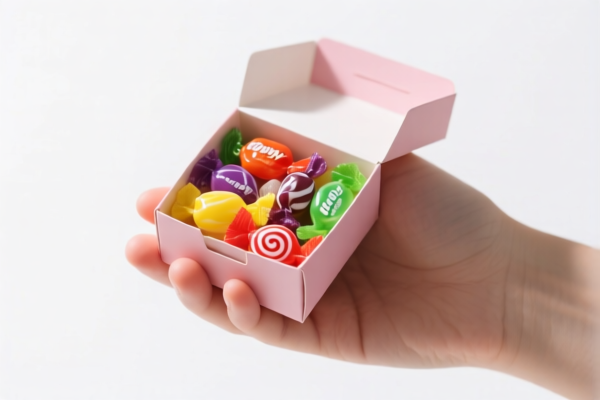
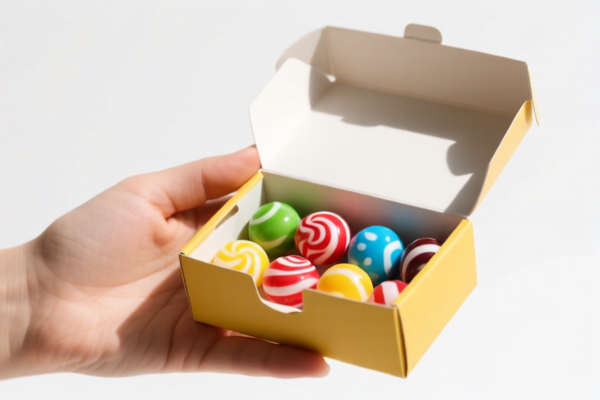
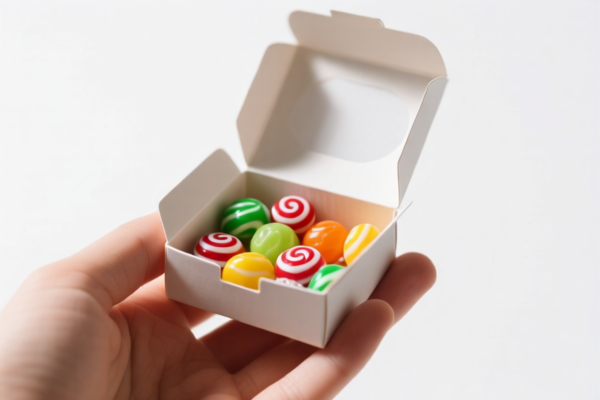
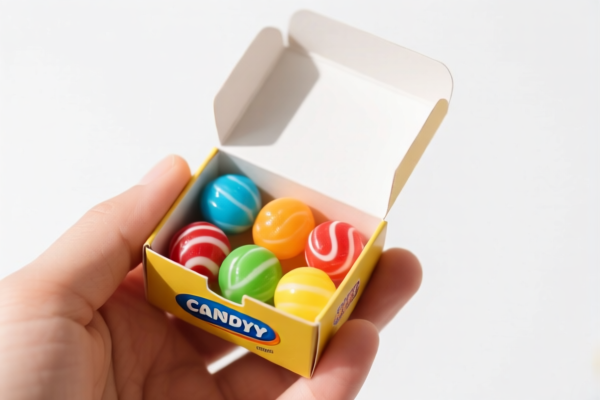
AI Analysis
🍬 Christmas Candy Box (Holiday Sweets Packaging)
🌐 HS Code Reference & Customs Clearance Guide | 2026 Latest Tariff Analysis | Strategic Clearance Strategy
📌 I. Product Definition & Classification: What is a "Christmas Candy Box"?
A "Christmas Candy Box" is a festive packaging item primarily used for gifting or storing confectionery during the holiday season. In international trade, its classification depends entirely on the primary material and specific design/usage. It is not a single commodity but a category spanning plastics, glass, and potentially paper/cardboard (though paper is less common for rigid "boxes" in this specific context).
⚠️ Key Distinction Point:
- If the box is Plastic → It is classified as a plastic article of packaging (Chapter 39).
- If the box is Glass → It is classified as glassware/tableware or decorative glass (Chapter 70).
- Note: While paper/cardboard exists, the provided data only covers Plastic and Glass categories. We must choose based on the physical material.
📦 II. HS Code Classification Details (Based on Provided Data)
| HS Code | Material | Summary / Logic | Total Tax Rate | Tax Details Breakdown |
|---|---|---|---|---|
| 3923.10.90.00 | Plastic | Candy boxes are packaging supplies. Based on common sense, if made of plastic, they fall under plastic packaging items. | 38.0% | Base Tariff: 3.0% Add-on Tariff: 25.0% Section 301 (122 Clause): 10% |
| 3923.90.00.80 | Plastic (Other) | Candy boxes are packaging supplies. If the specific plastic type doesn't fit the first subheading, it falls under the "Other" catch-all category for plastic packaging. | 38.0% | Base Tariff: 3.0% Add-on Tariff: 25.0% Section 301 (122 Clause): 10% |
| 7013.49.20.90 | Glass | Candy boxes are often made of glass, serving as tableware or dining accessories. Classified under glassware articles. | 32.5% | Base Tariff: 22.5% Add-on Tariff: 0.0% Section 301 (122 Clause): 10% |
| 7013.49.60.90 | Glass | The box may be glass, used for indoor decoration. It fits the "Other" category under glass articles based on use and form. | 24.7% | Base Tariff: 7.2% Add-on Tariff: 7.5% Section 301 (122 Clause): 10% |
🔍 Critical Insight:
- Plastic Boxes (HS 3923...): Have a higher total tax rate (38.0%) due to a 25% add-on tariff, but a lower base tariff (3.0%).
- Glass Boxes (HS 7013...): Have lower total tax rates (24.7% - 32.5%) because they often benefit from lower base tariffs (7.2%-22.5%) and potentially no Section 301 add-on tariffs (0%-7.5%), despite having a 10% Section 301 clause in the data.
- Decision Factor: Material identification is crucial. A glass box is significantly cheaper to import than a plastic one under these specific tariff structures.
💰 III. 2026 Latest Tariff Rate Details (Including Surcharges & Policy Add-ons)
✅ Applicable Country: USA (US)
✅ Origin: China (CN) (Inferred from "122 Clause" and typical US-China trade context)
✅ Effective Time: Current Trade War Era Surcharges Apply
🎯 1. 3923.10.90.00 & 3923.90.00.80 —— Plastic Candy Boxes (Packaging)
| Item | Content |
|---|---|
| Base Tariff | 3.0% (Ad Valorem) |
| USITC Add-on Tariff (Section 301) | +25.0% |
| Section 122 Clause Tariff | +10.0% |
| Total Effective Tax Rate | 38.0% |
| Tax Calculation | CIF Value × 38.0% |
| De Minimis Exemption | ❌ Not Eligible (Due to Section 301 surcharges) |
| Legal Basis Path | USITC:3923.10.90.00 → FOOTNOTE:301 → IEEPA:Section122 |
📌 Explanation:
- The 25% Section 301 tariff is the dominant cost driver for plastic packaging from China.
- The 10% Section 122 tariff further increases the burden.
- Total: 38%. This is a high-cost category for plastic goods.
🎯 2. 7013.49.20.90 —— Glass Candy Boxes (Tableware)
| Item | Content |
|---|---|
| Base Tariff | 22.5% (Ad Valorem) |
| USITC Add-on Tariff (Section 301) | 0.0% (No additional surcharge in this specific path) |
| Section 122 Clause Tariff | +10.0% |
| Total Effective Tax Rate | 32.5% |
| Tax Calculation | CIF Value × 32.5% |
| De Minimis Exemption | ❌ Not Eligible |
| Legal Basis Path | USITC:7013.49.20.90 → FOOTNOTE:Section122 |
📌 Note:
- Although the base tariff is high (22.5%), the absence of the 25% Section 301 surcharge makes this cheaper than plastic.
- The 10% Section 122 clause still applies.
🎯 3. 7013.49.60.90 —— Glass Candy Boxes (Decorative/Other)
| Item | Content |
|---|---|
| Base Tariff | 7.2% (Ad Valorem) |
| USITC Add-on Tariff (Section 301) | +7.5% |
| Section 122 Clause Tariff | +10.0% |
| Total Effective Tax Rate | 24.7% |
| Tax Calculation | CIF Value × 24.7% |
| De Minimis Exemption | ❌ Not Eligible |
| Legal Basis Path | USITC:7013.49.60.90 → FOOTNOTE:Section301 → IEEPA:Section122 |
📌 Analysis:
- This is the most cost-effective classification in the provided data.
- Low base tariff (7.2%) + moderate surcharges (17.5%) = 24.7% total.
- Suitable for glass boxes designed more for decoration than strict tableware use.
🛠️ IV. Customs Clearance Practical Advice (Avoiding Pitfalls)
✅ 1. Preparation Checklist (Essential Documents)
| Document | Mandatory? | Description |
|---|---|---|
| ✅ Product Photos | ✔️ | Must clearly show material (clear plastic vs. clear glass). Crucial for HS Code determination. |
| ✅ Material Specification Sheet | ✔️ | Explicitly state: "100% Recycled Plastic" or "Soda-Lime Glass". |
| ✅ Commercial Invoice | ✔️ | Must describe item as "Plastic Candy Box" or "Glass Candy Box". Do not use vague terms like "Container". |
| ✅ Packing List | ✔️ | Weight and dimensions. |
| ✅ Certificate of Origin (CO) | ✔️ | To prove origin (China). If not China, tariffs may differ. |
✅ 2. Declaration Tips (Key Mantra)
🔥 "Material Defines Code, Description Defines Truth!"
| Scenario | Correct Declaration | Wrong Approach |
|---|---|---|
| Plastic Box | "Plastic Candy Box, HS 3923.10.90.00" | Calling it "Gift Box" without material → Risk of re-classification. |
| Glass Box (Tableware) | "Glass Tableware, Candy Dish, HS 7013.49.20.90" | Calling it "Decor" if it's clearly tableware → Risk of dispute. |
| Glass Box (Decor) | "Glass Decorative Container, HS 7013.49.60.90" | Calling it "Tableware" if it's fragile/decorative → May attract higher base tariff if misinterpreted. |
✅ 3. Special Considerations
| Situation | Advice |
|---|---|
| Mixed Material | If the box is plastic with a glass lid, determine the essential character (usually the main body). Likely HS 3923. |
| Seasonal Goods | Ensure declaration is timely. Delays can miss the Christmas window, leading to storage fees or s. |
| Food Contact | Ensure the material (plastic/glass) complies with FDA regulations. Provide FDA Compliance Letter if requested. |
🌍 V. Global Market Comparison (2026 Context)
| Country/Region | Recommended HS Code | Est. Total Tax | Certification Req. | Note |
|---|---|---|---|---|
| 🇺🇸 USA | 7013.49.60.90 (Best Rate) |
24.7% | FDA (if food contact) | Lowest cost option |
| 🇺🇸 USA | 3923.10.90.00 (Plastic) |
38.0% | FDA (if food contact) | High tariff due to Section 301 |
| 🇨🇳 China | 3923.10.90.00 |
~3-13% | CCC (if applicable) | Lower tariffs for domestic trade |
| 🇪🇺 EU | 3924.10.00 (Plastic) |
~4-6.5% | CE, LFGB | Different HS structure, lower tariffs |
📌 Conclusion:
- For US Import, Glass Boxes (HS 7013.49.60.90) offer the lowest duty rate (24.7%) compared to Plastic (38.0%).
- If the product is inherently plastic, consider the 24.7% Glass alternative if the design allows for material substitution, or budget for the 38% plastic tariff.
📌 VI. Common Errors & Pitfalls (Lessons Learned)
❌ Error 1: Classifying a Plastic Box as Glass to avoid tariffs.
👉 Consequence: Customs inspection reveals material discrepancy → Seizure, Fines, and Legal Action.
❌ Error 2: Using generic term "Gift Box" in Invoice.
👉 Consequence: Customs may assign a default high-duty code or delay for classification review → Missed Delivery Dates.
❌ Error 3: Ignoring Section 122 Tariff.
👉 Consequence: Underpayment by 10% → Back-tariff payment + Interest.
❌ Error 4: Confusing "Tableware" (7013.49.20) vs "Other" (7013.49.60).
👉 Consequence: Misclassification leads to incorrect duty calculation (32.5% vs 24.7%). Ensure the primary use is correctly declared.
✅ Correct Practice:
"Glass Decorative Candy Box, Christmas Edition, HS 7013.49.60.90, CIF Value $10,000"
🎯 VII. Conclusion: Professional Classification Saves Money!
🎯 Key Takeaway:
🔹 Plastic = 38% Tax (High Base + 25% Surcharge + 10% Sec 122)
🔹 Glass Tableware = 32.5% Tax (High Base + 0% Surcharge + 10% Sec 122)
🔹 Glass Decor = 24.7% Tax (Low Base + 7.5% Surcharge + 10% Sec 122)🔹 "Choose Glass if Design Allows, Declare Material Clearly, and Watch the Section 122 Clause!"
📌 Pro Tip:
If you are shipping a Plastic candy box, ensure you have budgeted for the 38% effective tax rate. If possible, redesign the packaging to use Glass to utilize the 24.7% rate, provided it meets durability requirements for shipping.
📣 Immediate Action:
📞 Verify Material: Is it Plastic or Glass?
📝 Select HS Code:3923.10.90.00(Plastic) or7013.49.60.90(Glass/Decor)
🚀 Clear Customs Smoothly, Save Costs, and Deliver in Time for Christmas!
✨ Professional Clearance Starts with Accurate Classification!
💼 Every Percent Saved is Pure Profit!
Customer Reviews
About HS Code Classification
The Harmonized System (HS) is an internationally standardized nomenclature developed by the World Customs Organization (WCO) to classify traded products. Over 200 countries use the HS system as the basis for customs tariffs, trade statistics, and import/export regulations.
Each HS code follows a hierarchical structure:
- Chapter (2 digits) — Broad category of goods (e.g., Chapter 84: Machinery and Mechanical Appliances)
- Heading (4 digits) — More specific grouping within the chapter
- Subheading (6 digits) — Internationally standardized breakdown, used by all WCO member countries
- National subdivisions (8-10 digits) — Country-specific extensions for further classification, such as US HTSUS 10-digit codes
Correct HS code classification is essential for smooth customs clearance, accurate duty payment, and compliance with trade regulations. Misclassification can lead to customs delays, overpayment of duties, or penalties.
When importing from CN to US, the applicable tariff rates may include:
- Most-Favored-Nation (MFN) rate — The standard duty rate applied to WTO members
- General rate — Applied to countries without trade agreements
- Trade remedy duties — Additional tariffs such as Section 301 (anti-dumping), Section 232 (national security), or countervailing duties
The information provided on this page is for reference purposes only. For official classification, please consult with your local customs authority or a licensed customs broker.