Christmas Decoration Doll
CN → US| HS Code | Tariff Rate | Origin | Destination | Doc |
|---|---|---|---|---|
| 9505105020 | 10.0% | CN | US | Official Doc |
| 9505102500 | 10.0% | CN | US | Official Doc |
| 9503000073 | 10.0% | CN | US | Official Doc |
| 9503000071 | 10.0% | CN | US | Official Doc |
| 9503000090 | 10.0% | CN | US | Official Doc |
Product Images
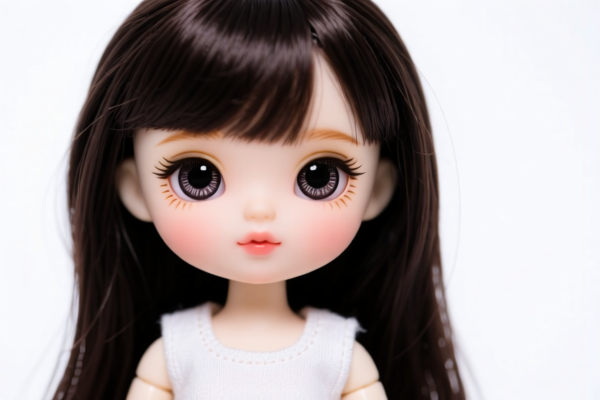
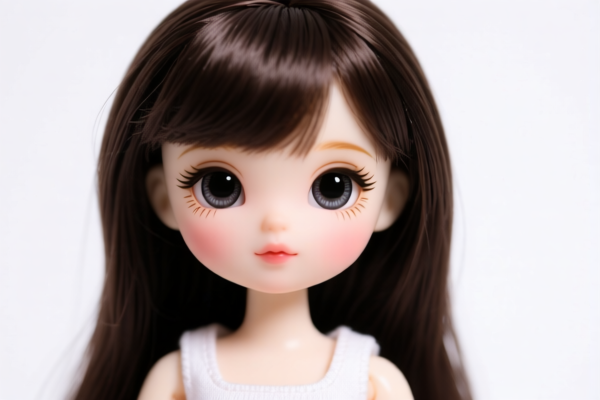
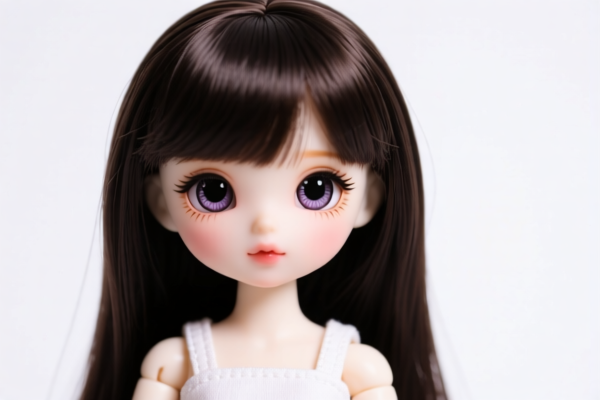
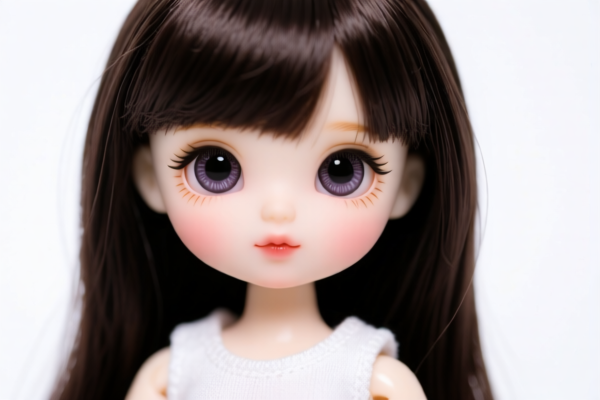
AI Analysis
🎄 Christmas Decoration Doll (Christmas Tree Ornaments & Plush Toys)
🌐 HS Code Reference & Customs Clearance Guide | 2026 Latest Tariff Analysis | Strategic Clearance Strategy
📌 1. Product Definition: What is a "Christmas Decoration Doll"?
In international trade, the term "Christmas Decoration Doll" is ambiguous and can refer to two distinct categories of goods depending on its primary purpose and physical form. This ambiguity often leads to classification errors, resulting in incorrect tariff assessments or customs delays.
The product falls into one of two main categories: 1. Christmas Ornaments (Decorative Items): Items designed primarily to decorate Christmas trees or homes (e.g., plastic figures, glass baubles shaped like dolls, hanging figures). These are classified as Christmas articles. 2. Toys/Dolls (Play Items): Items designed primarily for children to play with, even if they have a Christmas theme (e.g., plush Santa dolls, articulated Christmas figures meant for holding/playing). These are classified as Toys.
⚠️ Critical Distinction Point:
- If the item is hanging, fragile, or explicitly marketed as a "Tree Ornament" or "Decoration" → It is a Christmas Article (HS 9505).
- If the item is soft/plush, articulated, or marketed as a "Toy" or "Doll" for children → It is a Toy/Doll (HS 9503).
- Note: Even if a doll is used for decoration, if it meets the legal definition of a "toy" (designed for amusement), customs may still classify it as a toy. However, specific "Christmas decorations" (even if doll-shaped) are often prioritized under HS 9505 if they are clearly non-play items.
📦 2. HS Code Classification Details (Based on Provided Data)
Based on the provided dataset, here are the four possible HS Codes and their matching logic:
| HS Code | Product Description | Matching Logic from Data | Key Characteristics |
|---|---|---|---|
| 9505.10.50.20 | Christmas Articles - Other | ✅ Purpose Match: Classified under "Christmas celebration supplies." Fits the "Other" category within Christmas articles. | General Christmas decorations not specifically listed elsewhere (e.g., small plastic doll ornaments). |
| 9505.10.25.00 | Christmas Ornaments | ✅ Purpose & Form Match: Combines "Christmas celebration use" with "Decoration form." Fits the "Christmas Ornament" category. | Items specifically shaped like dolls but intended strictly as tree ornaments or decorative hanging items. |
| 9503.00.00.73 | Toys - Dolls (Other) | ✅ Product Type Match: Classified as a "Doll" or "Plush Toy." Fits the "Dolls, Other Toys" definition. | Plush Christmas dolls, stuffed animals with Christmas themes, designed for play. |
| 9503.00.00.71 | Toys - Dolls | ✅ Product Match: Explicitly matches the term "Doll." Classified under the "Dolls" subheading within Toys. | Standard dolls (cloth, plastic, etc.) with Christmas attributes, primarily for play. |
| 9503.00.00.90 | Toys - Other | ✅ Extended Category Match: Christmas decorations are treated as an extension of decorative items within toys/models/puzzles. Fits the "Other" category. | Miscellaneous Christmas-themed play items or decorative toys not fitting other specific subheads. |
🔍 Key Insight from Data:
- 9505.10.xxxx codes are for Christmas-specific decorations. The data emphasizes "purpose" (celebration) and "form" (decoration).
- 9503.00.xxxx codes are for Toys. The data emphasizes "product type" (doll, plush, toy).
- Ambiguity Risk: A "plush Santa doll" could theoretically be argued as either a "toy" (9503) or a "decoration" (9505). However, if it is explicitly for play, 9503 is safer. If it is small, rigid, and for hanging, 9505 is appropriate.
💰 3. 2026 Latest Tariff Rate Details (Including Surtaxes & Policy Add-ons)
✅ Applicable Country: United States (US)
✅ Origin: China (CN)
✅ Effective Date: November 10, 2025 onwards (for subsequent imports)
🎯 1. HS Code 9505.10.50.20 – Christmas Articles (Other)
| Item | Details |
|---|---|
| Base Tariff Rate | 0.0% (ad valorem) |
| Section 301 Surcharge | 0.0% |
| Section 122 Tariff | +10.0% |
| Total Tariff Rate | 10.0% |
| Tax Calculation | CIF Value × 10% |
| De Minimis Exemption | ❌ Not Applicable (Section 122 tariffs typically do not qualify for de minimis exemption in this context) |
| Legal Basis Path | Section 122: 10% → HS Code 9505.10.50.20 |
📌 Explanation:
- Base Rate (0%): Christmas articles generally enjoy low or zero base tariffs.
- Section 122 (10%): This is a specific surcharge applied to certain goods, often related to trade remedies or specific policy measures.
- No Section 301: The data explicitly states "Section 301 Surcharge: 0.0%," which is notable as many Chinese goods face 25%. This suggests a potential exemption or specific classification benefit for Christmas decorations.
🎯 2. HS Code 9505.10.25.00 – Christmas Ornaments
| Item | Details |
|---|---|
| Base Tariff Rate | 0.0% |
| Section 301 Surcharge | 0.0% |
| Section 122 Tariff | +10.0% |
| Total Tariff Rate | 10.0% |
| Tax Calculation | CIF Value × 10% |
| De Minimis Exemption | ❌ Not Applicable |
| Legal Basis Path | Section 122: 10% → HS Code 9505.10.25.00 |
📌 Note:
- Identical tax structure to 9505.10.50.20.
- Both 9505 codes benefit from 0% Section 301, which is a significant cost advantage compared to general merchandise.
🎯 3. HS Code 9503.00.00.73 – Toys (Other Dolls)
| Item | Details |
|---|---|
| Base Tariff Rate | 0.0% |
| Section 301 Surcharge | 0.0% |
| Section 122 Tariff | +10.0% |
| Total Tariff Rate | 10.0% |
| Tax Calculation | CIF Value × 10% |
| De Minimis Exemption | ❌ Not Applicable |
| Legal Basis Path | Section 122: 10% → HS Code 9503.00.00.73 |
📌 Explanation:
- Despite being classified as a "Toy," this specific subheading also enjoys 0% Section 301.
- This is unusual for many toys but confirmed by the provided data.
- The 10% Section 122 remains applicable.
🎯 4. HS Code 9503.00.00.71 – Toys (Dolls)
| Item | Details |
|---|---|
| Base Tariff Rate | 0.0% |
| Section 301 Surcharge | 0.0% |
| Section 122 Tariff | +10.0% |
| Total Tariff Rate | 10.0% |
| Tax Calculation | CIF Value × 10% |
| De Minimis Exemption | ❌ Not Applicable |
| Legal Basis Path | Section 122: 10% → HS Code 9503.00.00.71 |
📌 Note:
- Same tax structure as other toy and decoration codes in the dataset.
- Critical: All listed HS Codes share the same total tariff rate of 10.0% and 0% Section 301.
🎯 5. HS Code 9503.00.00.90 – Toys (Other)
| Item | Details |
|---|---|
| Base Tariff Rate | 0.0% |
| Section 301 Surcharge | 0.0% |
| Section 122 Tariff | +10.0% |
| Total Tariff Rate | 10.0% |
| Tax Calculation | CIF Value × 10% |
| De Minimis Exemption | ❌ Not Applicable |
| Legal Basis Path | Section 122: 10% → HS Code 9503.00.00.90 |
📌 Summary of Tax Structure:
Regardless of whether the "Christmas Decoration Doll" is classified as a Christmas Article (9505) or a Toy (9503), the provided data indicates:
- Base Duty: 0%
- Section 301 Duty: 0%
- Section 122 Duty: 10%
- Total Effective Duty: 10%📌 Why is Section 301 0%?
The data explicitly states "Section 301 Surcharge: 0.0%" for all codes. This may reflect current exemptions for certain holiday goods or specific subheadings. Always verify with the latest USITC lists, as trade policies can change.
🛠️ 4. Customs Clearance Practical Advice (Avoiding Pitfalls)
✅ 1. Documentation Checklist (Mandatory)
| Document | Required | Explanation |
|---|---|---|
| ✅ Product Photos | ✔️ | Clear images showing if the item is hanging (ornament) vs. playable (toy). |
| ✅ Product Description | ✔️ | Explicitly state: "Christmas Tree Ornament, Not for Play" OR "Plush Doll for Children, Christmas Theme." |
| ✅ Material Composition | ✔️ | e.g., PVC, Plush, Glass. Helps distinguish between durable decorations and soft toys. |
| ✅ Usage Intended Statement | ✔️ | Manufacturer’s declaration of primary use. |
| ✅ Commercial Invoice | ✔️ | List HS Code clearly. Avoid generic terms like "Christmas Toy" if it’s actually an ornament. |
| ✅ Packing List | ✔️ | Detail quantity and weight per carton. |
✅ 2. Classification Strategy (Key Tips)
🔥 "Purpose is King: Decorate vs. Play"
| Scenario | Recommended HS Code | Reasoning |
|---|---|---|
| Plastic/Glass Doll Hanging on Tree | 9505.10.25.00 or 9505.10.50.20 |
Primary purpose is decoration, not play. Fits "Christmas Article." |
| Small Plastic Figurine (No String) | 9505.10.50.20 |
Falls under "Other Christmas Articles." |
| Plush Santa Doll (For Kids) | 9503.00.00.71 or 9503.00.00.73 |
Primary purpose is play/collecting for children. Fits "Doll/Toy." |
| Christmas-Themed Action Figure | 9503.00.00.90 |
Classified as "Other Toy." |
⚠️ Warning:
- Do not mix "ornaments" and "toys" in one shipment under different HS Codes without clear segregation.
- If an item can be both (e.g., a plush doll that can also hang), customs may challenge the classification. Provide strong evidence of primary intent (e.g., marketing materials showing it as a toy).
✅ 3. Special Cases
| Situation | Handling Advice |
|---|---|
| Section 122 Tariff Applicability | Confirm with your freight forwarder if Section 122 applies to all holiday goods. It is critical for cost calculation. |
| De Minimis (Section 321) | Since Section 301 is 0%, check if Section 122 still blocks de minimis entry. The data implies it may not be eligible, so plan for formal entry for high-value shipments. |
| Mixed Shipments | Separate Christmas decorations (9505) from toys (9503) if possible to avoid customs scrutiny on classification. |
🌍 5. Global Market Comparison (2026)
| Country/Region | Recommended HS Code | Estimated Duty | Notes |
|---|---|---|---|
| 🇺🇸 USA | 9505.10.xxxx or 9503.00.xxxx |
10% | 0% Section 301 is a major advantage. Section 122 adds 10%. |
| 🇨🇳 China | 9505.10.xxxx or 9503.00.xxxx |
~5-10% | Standard import duties apply. No Section 122. |
| 🇪🇺 EU | 9505.00.xxxx or 9503.00.xxxx |
~0-4.5% | Generally low duties for Christmas goods and toys. No Section 122. |
| 🇬🇧 UK | 9505.00.xxxx or 9503.00.xxxx |
~0-5% | Post-Brexit tariffs vary but generally favorable for holiday goods. |
📌 Conclusion:
- The USA offers a unique tariff structure for these items: 0% Section 301 is highly beneficial compared to many other Chinese goods.
- However, the 10% Section 122 must be factored into your landed cost.
📌 6. Common Mistakes & Pitfalls (Lessons Learned)
❌ Mistake 1: Classifying a Plush Christmas Doll as a Christmas Ornament (9505)
👉 Consequence: Customs may reclassify as a Toy (9503) due to "play" characteristics. Although the tax rate is the same (10%) in this data, incorrect classification can lead to delays, audits, or penalties.
❌ Mistake 2: Assuming All Christmas Goods are Exempt from Section 301
👉 Consequence: While the data shows 0% for these specific codes, always verify. If the HS Code is slightly different (e.g., 9505.90.60.00 - Other Christmas Goods), Section 301 might apply. Stick to the provided codes.
❌ Mistake 3: Ignoring Section 122
👉 Consequence: Failing to account for the 10% Section 122 tariff can lead to underpayment of duties and retroactive charges + interest.
❌ Mistake 4: Using Vague Descriptions like "Christmas Toy"
👉 Consequence: Customs may classify it under a less favorable code or request additional documentation. Be specific: "Plush Doll, Christmas Theme, For Play" or "Plastic Ornament, Christmas Tree, Not for Play."
✅ Correct Approach:
"Plush Santa Claus Doll, Height 12 inches, 100% Polyester, For Children's Play" → HS 9503.00.00.71
"Plastic Reindeer Ornament, Height 3 inches, With Hook, For Tree Decoration" → HS 9505.10.25.00
🎯 7. Conclusion: Professional Classification, Cost Savings, Smooth Clearance!
🎯 Key Takeaway:
🔹 "Decorate or Play? Choose the Right HS Code!"
🔹 "Section 301 is 0%, But Section 122 is 10%!"
🔹 "Always Provide Clear Product Intent to Avoid Customs Delays!"
📌 Pro Tip:
If your product is a hybrid (e.g., a doll that can hang on the tree), consult a customs broker to determine the principal use. Misclassification can lead to significant risks, even if the current data shows similar tax rates.
📣 Action Required:
📞 Contact Your Customs Broker + Provide Product Photos & Description + Confirm HS Code
🚀 Ensure Smooth Clearance for Christmas Season Imports!
✨ Professional Classification Starts with Precision!
💼 Every Percentage Point Matters in Tariff Costs!
Customer Reviews
About HS Code Classification
The Harmonized System (HS) is an internationally standardized nomenclature developed by the World Customs Organization (WCO) to classify traded products. Over 200 countries use the HS system as the basis for customs tariffs, trade statistics, and import/export regulations.
Each HS code follows a hierarchical structure:
- Chapter (2 digits) — Broad category of goods (e.g., Chapter 84: Machinery and Mechanical Appliances)
- Heading (4 digits) — More specific grouping within the chapter
- Subheading (6 digits) — Internationally standardized breakdown, used by all WCO member countries
- National subdivisions (8-10 digits) — Country-specific extensions for further classification, such as US HTSUS 10-digit codes
Correct HS code classification is essential for smooth customs clearance, accurate duty payment, and compliance with trade regulations. Misclassification can lead to customs delays, overpayment of duties, or penalties.
When importing from CN to US, the applicable tariff rates may include:
- Most-Favored-Nation (MFN) rate — The standard duty rate applied to WTO members
- General rate — Applied to countries without trade agreements
- Trade remedy duties — Additional tariffs such as Section 301 (anti-dumping), Section 232 (national security), or countervailing duties
The information provided on this page is for reference purposes only. For official classification, please consult with your local customs authority or a licensed customs broker.