Christmas Packaging Bags
CN → US| HS Code | Tariff Rate | Origin | Destination | Doc |
|---|---|---|---|---|
| 4819400040 | 35.0% | CN | US | Official Doc |
| 6307909891 | 24.5% | CN | US | Official Doc |
| 6307908995 | 17.0% | CN | US | Official Doc |
| 4202923131 | 52.6% | CN | US | Official Doc |
| 4202923316 | 52.6% | CN | US | Official Doc |
Product Images
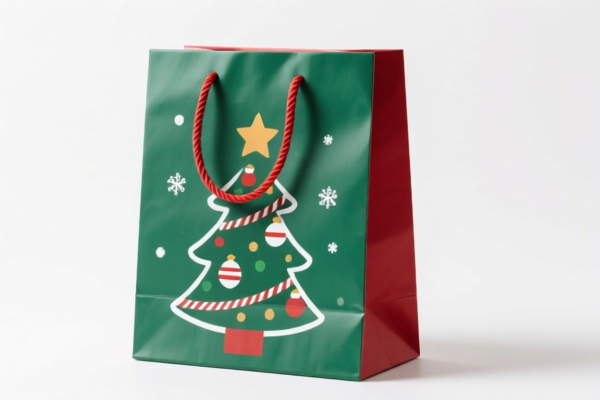
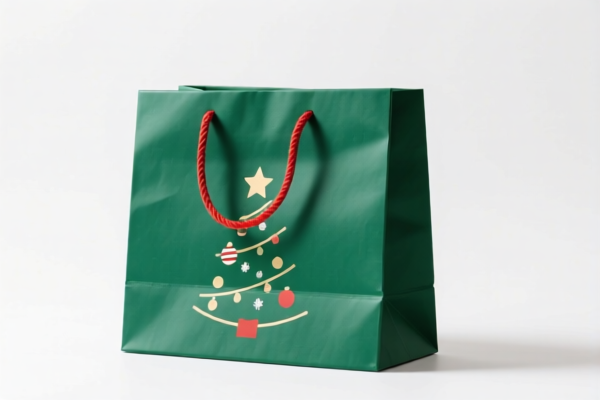
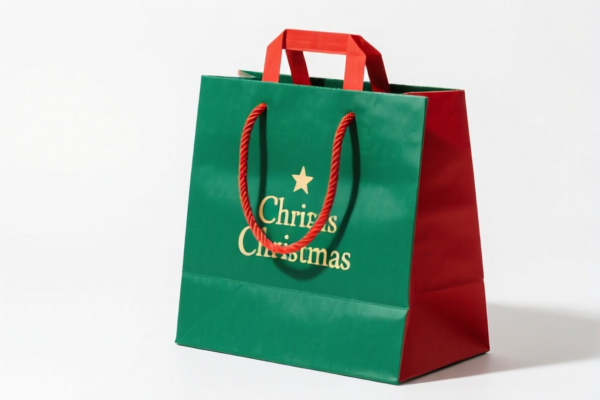
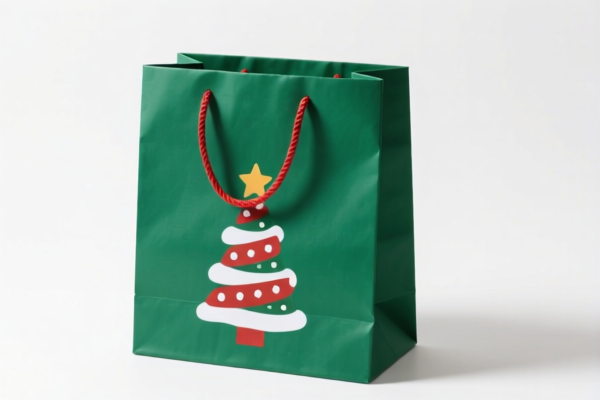
AI Analysis
🎁 Christmas Packaging Bags (Holiday Gift Bags)
🌐 HS Code Reference & Customs Clearance Guide | 2026 Latest Tariff Analysis | Professional Clearance Strategy
📌 I. Product Definition and Classification: Do You Really Understand "Christmas Bags"?
Christmas packaging bags are seasonal consumer goods used primarily for gifting and decoration during the holiday season. In international trade, their classification is highly sensitive to material composition and structural design. Misclassification can lead to drastic tax differences, ranging from a low 17% to a prohibitive 52.6%.
Key Classification Factors: * Paper vs. Non-Woven Fabric: Paper bags generally fall under Chapter 48, while non-woven or textile bags fall under Chapter 63 or 42. * Structure: Simple open bags vs. structured bags with handles. * End-Use: Generic packaging vs. specific "handbag" style structures.
⚠️ Critical Distinction:
- If the bag is made of paper and is simple in structure → 4819.40.00.40
- If the bag is made of non-woven fabric and is treated as a general textile product → 6307.90.98.91 or 6307.90.89.95
- If the bag has a structured form resembling a handbag (e.g., rigid shape, specific handles) → 4202.92...
📦 II. HS Code Classification Details (2026 Latest Tariff Authority Comparison)
| HS Code | Product Description | Material Inference | Category Scope |
|---|---|---|---|
4819.40.00.40 |
Christmas Bags (Paper/Non-Woven) | Paper or Non-Woven Fabric | Other bags and pouches (Chapter 48) |
6307.90.98.91 |
Christmas Bags (Made Up Articles) | Unspecified (Likely Textile/Non-Woven) | Other made-up articles (Chapter 63) |
6307.90.89.95 |
Christmas Bags (Textile/Non-Woven) | Textile or Non-Woven Fabric | Other made-up articles (Chapter 63) |
4202.92.31.31 |
Christmas Bags (Festival/Decorative) | Textile Materials (e.g., Non-Woven) | Other bags, handbag-style (Chapter 42) |
4202.92.33.16 |
Christmas Bags (General Purpose) | Textile or Plastic Materials | Other bags, catch-all category (Chapter 42) |
🔍 Key Insight:
- Chapter 48 (Paper) vs. Chapter 42/63 (Textile/Plastic): The material determines the chapter. Paper bags are often cheaper to import but have different structural requirements. - Chapter 42 vs. 63: Chapter 42 is for "articles of apparel and traveling goods" (often stricter definition of "bag"). Chapter 63 is for "other made-up textile articles" (broader, often lower tariff for simple non-woven bags).
💰 III. 2026 Latest Tariff Rate Details (Including Surtaxes & Policy Add-ons)
✅ Applicable Country: USA (US)
✅ Country of Origin: China (CN)
✅ Effective Date: November 10, 2025 (and subsequent imports)
🎯 1. 4819.40.00.40 —— Christmas Bags (Paper/Non-Woven)
| Item | Content |
|---|---|
| Base Tariff | 0.0% (ad valorem) |
| Section 301 Surtax | +25.0% (Trade Remedy) |
| 122 Clause Tariff | +10.0% (Specific Policy Add-on) |
| Total Tax Rate | 35.0% |
| Tax Calculation | CIF Value × 35% |
| De Minimis Exemption | ❌ No (Denied for China-origin goods under these codes) |
| Legal Basis Path | Base: 0% → 301: 25% → 122 Clause: 10% |
📌 Explanation:
- Although the base tariff is 0%, the heavy 301 Section surcharge (25%) and 122 Clause (10%) result in a 35% total burden. - This code is suitable for paper bags or simple non-woven bags. It is significantly cheaper than Chapter 42 codes.
🎯 2. 6307.90.98.91 —— Christmas Bags (Made Up Articles)
| Item | Content |
|---|---|
| Base Tariff | 7.0% |
| Section 301 Surtax | +7.5% |
| 122 Clause Tariff | +10.0% |
| Total Tax Rate | 24.5% |
| Tax Calculation | CIF Value × 24.5% |
| De Minimis Exemption | ❌ No |
| Legal Basis Path | Base: 7% → 301: 7.5% → 122 Clause: 10% |
📌 Explanation:
- This code offers a lower total rate (24.5%) compared to the paper code, but the base tariff is higher (7%). - Suitable for non-woven fabric bags that are considered "other made-up articles" but do not meet the strict definition of a "handbag" in Chapter 42.
🎯 3. 6307.90.89.95 —— Christmas Bags (Textile/Non-Woven)
| Item | Content |
|---|---|
| Base Tariff | 7.0% |
| Section 301 Surtax | 0.0% |
| 122 Clause Tariff | +10.0% |
| Total Tax Rate | 17.0% |
| Tax Calculation | CIF Value × 17.0% |
| De Minimis Exemption | ❌ No |
| Legal Basis Path | Base: 7% → 301: 0% → 122 Clause: 10% |
📌 Explanation:
- Lowest Total Rate (17%)! This is the most cost-effective option for textile or non-woven fabric bags. - Crucial Condition: The 301 Section surtax is 0% for this specific subheading, which saves 7.5% compared to the previous code. - Requirement: Must clearly be classified as a general textile made-up article, not a handbag.
🎯 4. 4202.92.31.31 —— Christmas Bags (Festival/Decorative Handbags)
| Item | Content |
|---|---|
| Base Tariff | 17.6% |
| Section 301 Surtax | +25.0% |
| 122 Clause Tariff | +10.0% |
| Total Tax Rate | 52.6% |
| Tax Calculation | CIF Value × 52.6% |
| De Minimis Exemption | ❌ No |
| Legal Basis Path | Base: 17.6% → 301: 25% → 122 Clause: 10% |
📌 Explanation:
- Highest Tax Rate (52.6%)! This code applies if the bag is deemed a "handbag" or "travel accessory" (Chapter 42). - Avoidance Strategy: Do not use this code unless the bag strictly resembles a handbag with rigid structure. Simple gift bags should avoid Chapter 42.
🎯 5. 4202.92.33.16 —— Christmas Bags (General/Plastic Mix)
| Item | Content |
|---|---|
| Base Tariff | 17.6% |
| Section 301 Surtax | +25.0% |
| 122 Clause Tariff | +10.0% |
| Total Tax Rate | 52.6% |
| Tax Calculation | CIF Value × 52.6% |
| De Minimis Exemption | ❌ No |
| Legal Basis Path | Base: 17.6% → 301: 25% → 122 Clause: 10% |
📌 Explanation:
- Also 52.6%. Similar to the above, this is a "catch-all" for Chapter 42 bags with mixed materials (textile/plastic). - Warning: If you import plastic bags that look like handbags, they may fall here. Stick to Chapter 63 or 48 for simpler structures to save money.
🛠️ IV. Customs Clearance Practical Advice (Battle-Tested Pitfall Guide)
✅ 1. Documentation Checklist (Mandatory)
| Document | Required | Description |
|---|---|---|
| ✅ Product Specification Sheet | ✔️ | Must clearly state Material (Paper vs. Non-Woven vs. Textile) and Structure (Open top, handles, rigid?). |
| ✅ Product Photos | ✔️ | Show the bag from all angles. Highlight if it has a rigid bottom, metal handles, or fabric lining. |
| ✅ Commercial Invoice | ✔️ | Item name should be specific: e.g., "Non-Woven Gift Bag" or "Paper Christmas Bag". Avoid vague terms like "Packaging". |
| ✅ Material Declaration | ✔️ | Explicitly state the percentage of paper, polyester, polypropylene, etc. |
| ✅ Packing List | ✔️ | Weight and dimensions per bag and per carton. |
✅ 2. Declaration Strategy (Key Mantra)
🔥 “Material Dictates Code, Structure Dictates Chapter!”
| Scenario | Recommended HS Code | Reasoning |
|---|---|---|
| Paper Bags (Simple, no handles or paper handles) | 4819.40.00.40 |
Falls under Chapter 48. Base 0%, Total 35%. |
| Non-Woven Bags (Simple, soft, no rigid structure) | 6307.90.89.95 |
Falls under Chapter 63. Base 7%, 301 0%, Total 17% (Best Option). |
| Non-Woven Bags (If customs disputes "made-up article") | 6307.90.98.91 |
Fallback Chapter 63. Base 7%, 301 7.5%, Total 24.5%. |
| Structured "Handbag" Style Bags (Rigid, fancy handles) | 4202.92.31.31 |
Falls under Chapter 42. High tax 52.6%. |
📌 Critical Tip:
- Avoid Chapter 42 unless necessary. The 52.6% tax makes it unprofitable for most gift bags. - Prefer Chapter 63 (6307.90.89.95) for non-woven/textile bags because the 301 surtax is 0%, resulting in the lowest total tax of 17%.
✅ 3. Special Cases Handling
| Scenario | Handling Advice |
|---|---|
| Mixed Material Bags (e.g., Paper exterior, Fabric interior) | Declare primary material. If >50% paper → Chapter 48. If >50% textile → Chapter 63. |
| Bag with Plastic Handles | If handles are minor, still Classify as Textile/Paper. If handles are structural, Risk Chapter 42. |
| Reusable "Handbag" Style Gift Bags | High Risk. Customs may classify as Chapter 42. Provide photos showing it is a "gift wrapper" not a "carry-on bag". |
| Small Gift Bags (Under 5x5 inches) | Still subject to the same HS codes. Do not assume small size changes classification. |
🌍 V. Global Market Clearance Comparison (2026 Latest)
| Country/Region | Recommended HS Code | Tariff (China Origin) | Notes |
|---|---|---|---|
| 🇺🇸 USA | 6307.90.89.95 |
17.0% | Lowest rate due to 0% 301 surtax. |
| 🇺🇸 USA | 4819.40.00.40 |
35.0% | Paper bags. Higher base 0% but 35% total. |
| 🇺🇸 USA | 4202.92.31.31 |
52.6% | Avoid unless necessary. |
| 🇪🇺 EU | 6307.90.98 |
~6-12% | No Section 301/122 surtaxes. Check EU TARIC. |
| 🇨🇳 China | 6307.90.99 |
~10-15% | Domestic clearance. No extra US surtaxes. |
📌 Conclusion:
- USA Market:6307.90.89.95is the Golden Code for non-woven/textile bags (17% total).
- Paper Bags: Accept 35% (4819.40.00.40) as it is lower than Chapter 42.
- Chapter 42 (4202...) is a Tax Trap. Avoid unless the bag is undeniably a handbag.
📌 VI. Common Errors & Pitfall Guide (Blood Lessons)
❌ Error 1: Declaring a non-woven bag as 4819.40.00.40 (Paper)
👉 Consequence: Customs may reject if material is not paper. If accepted, you pay 35% instead of 17%. Loss of 18% savings.
❌ Error 2: Declaring a structured bag as 6307.90.89.95
👉 Consequence: Customs reclassifies to 4202.92... → Retroactive 52.6% tax + Penalties.
❌ Error 3: Using vague descriptions like "Holiday Decoration"
👉 Consequence: Customs cannot determine material → Delayed clearance + Inspection fees.
✅ Correct Practice:
"Non-Woven Fabric Christmas Gift Bag, Soft Structure, No Rigid Bottom, Model XMAS-01"
🎯 VII. Conclusion: Professional Declaration, Save Costs, Ensure Clearance!
🎯 Remember the Mantra:
🔹 “Non-Woven goes to 63 (17%), Paper goes to 48 (35%), Handbag-style goes to 42 (52.6%)!”
🔹 “Chapter 63 is the King of Cost Savings for Christmas Bags!”
📌 Pro Tip:
If you are importing non-woven bags, always aim for 6307.90.89.95. The 0% Section 301 surtax is a massive advantage. Ensure your product is described as a "simple made-up textile article" and not a "handbag" to maintain this classification.
📣 Immediate Action:
📞 Contact your customs broker with clear photos and material specs.
🚀 Request Advance Ruling if the bag structure is ambiguous.
💡 Save 35%+ in taxes by choosing the right HS Code!
✨ Professional Clearance Starts with Precise Classification!
💼 Your Every Dollar, Worth Precision Calculation!
Customer Reviews
About HS Code Classification
The Harmonized System (HS) is an internationally standardized nomenclature developed by the World Customs Organization (WCO) to classify traded products. Over 200 countries use the HS system as the basis for customs tariffs, trade statistics, and import/export regulations.
Each HS code follows a hierarchical structure:
- Chapter (2 digits) — Broad category of goods (e.g., Chapter 84: Machinery and Mechanical Appliances)
- Heading (4 digits) — More specific grouping within the chapter
- Subheading (6 digits) — Internationally standardized breakdown, used by all WCO member countries
- National subdivisions (8-10 digits) — Country-specific extensions for further classification, such as US HTSUS 10-digit codes
Correct HS code classification is essential for smooth customs clearance, accurate duty payment, and compliance with trade regulations. Misclassification can lead to customs delays, overpayment of duties, or penalties.
When importing from CN to US, the applicable tariff rates may include:
- Most-Favored-Nation (MFN) rate — The standard duty rate applied to WTO members
- General rate — Applied to countries without trade agreements
- Trade remedy duties — Additional tariffs such as Section 301 (anti-dumping), Section 232 (national security), or countervailing duties
The information provided on this page is for reference purposes only. For official classification, please consult with your local customs authority or a licensed customs broker.