Christmas Snowflake Blanket
CN → US| HS Code | Tariff Rate | Origin | Destination | Doc |
|---|---|---|---|---|
| 6301900020 | 17.2% | CN | US | Official Doc |
| 6301400010 | 18.5% | CN | US | Official Doc |
| 5702392090 | 38.6% | CN | US | Official Doc |
Product Images
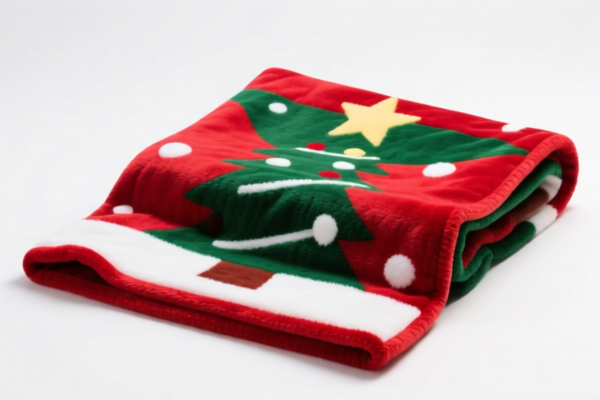
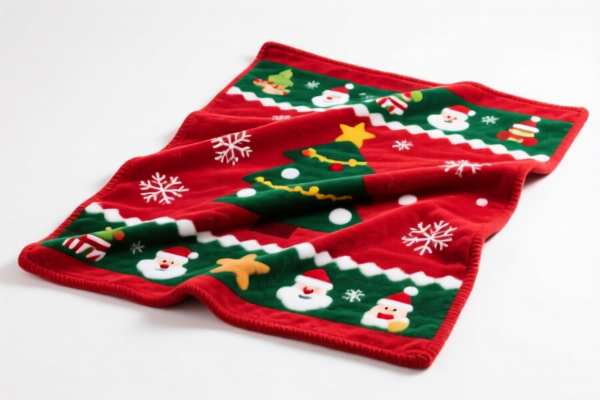
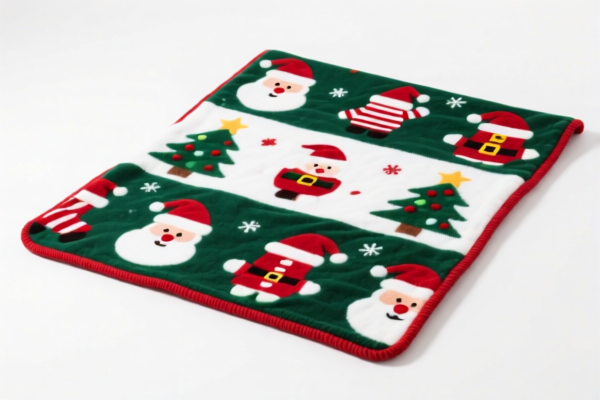
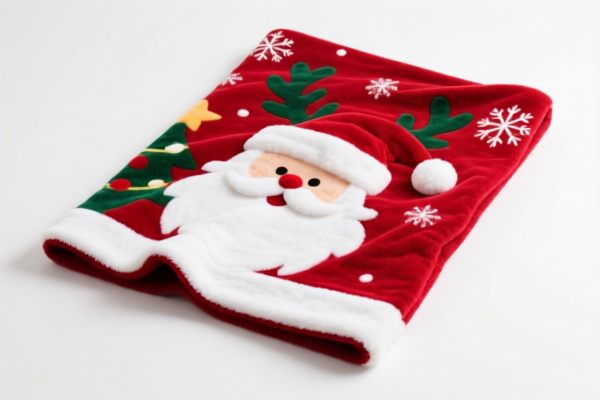
AI Analysis
❄️ Christmas Snowflake Blanket (Textile Home Textiles)
🌐 HS Code Reference & Customs Clearance Guide | 2026 Latest Tariff Analysis | Professional Clearance Strategy
📌 I. Product Definition & Classification: What Exactly is a "Snowflake Blanket"?
A "Christmas Snowflake Blanket" is a seasonal textile product primarily used for decoration or warmth. In international trade, its classification depends heavily on the material composition (silk, synthetic, cotton, etc.) and structure (woven, knitted, or tufted).
Based on the provided data, this product typically falls into three potential HS Code categories, depending on the inferred material and manufacturing process:
- Silk/Silk Waste: If made of silk or silk waste.
- Synthetic/Cotton: If made of synthetic fibers (common for printed snowflake patterns) or cotton.
- Other Textile Materials: If made of other woven textile materials (e.g., wool blends, acrylics).
⚠️ Key Distinction Point:
- Material Matters: Silk (6301.90) vs. Synthetics/Cotton (6301.40) vs. Other Textiles (5702.39).
- Structure Matters: Is it a flat woven blanket (5702) or a knitted/piled fabric blanket (6301)?
📦 II. HS Code Classification Details (2026 Latest Tariff Authority Comparison)
| HS Code | Product Description | Applicability Scenario | Material Inference |
|---|---|---|---|
6301.90.00.20 |
Blankets and traveling rugs, of other textile materials (incl. silk) | High-end decorative blankets, likely containing silk or silk waste | ✅ Silk/Silk Waste |
6301.40.00.10 |
Blankets and traveling rugs, of man-made fibers | Common "Snowflake" pattern blankets, likely synthetic (polyester/acrylic) or cotton blends | ✅ Man-made Fibers/Cotton |
5702.39.20.90 |
Woven floor coverings and wall hangings of other textile materials | Woven textile rugs/blankets not specified elsewhere, likely other textile fibers | ✅ Other Textile Materials |
🔍 Key Reminder:
- "Snowflake" Pattern: This is a decorative feature. It does not change the HS code but confirms the item is for home decoration/warmth.
- Material Declaration: You must specify the exact fiber content (e.g., "100% Polyester," "60% Cotton/40% Wool") to determine the correct code.
💰 III. 2026 Latest Tariff Rate Details (Including Surcharges, Policy Add-ons)
✅ Applicable Country: United States (US)
✅ Origin: China (CN)
✅ Effective Date: 2025/2026 Import Cycle
🎯 1. 6301.90.00.20 —— Blankets of Silk or Silk Waste
| Item | Content |
|---|---|
| Base Tariff | 7.2% (ad valorem) |
| Section 301 Surcharge | 0.0% (Specific sub-item exemption or low bracket) |
| Section 122 Tariff | +10.0% (Specific US trade measure for textiles/apparel) |
| Total Rate | 17.2% |
| Tax Calculation | CIF Value × 17.2% |
| De Minimis Eligible? | ❌ No (Textiles generally excluded from de minimis for high-risk origins) |
| Legal Path | HTS:6301.90.00.20 → Section 122: 10% |
📌 Explanation:
- Base Rate 7.2%: Standard MFN rate for silk-based blankets.
- Section 122 (10%): This is a specific punitive tariff on certain textile/apparel imports from China, added under US trade enforcement.
- Section 301 (0%): Note that this specific silk sub-item may have a 0% Section 301 rate, but the Section 122 10% still applies.
🎯 2. 6301.40.00.10 —— Blankets of Man-Made Fibers
| Item | Content |
|---|---|
| Base Tariff | 8.5% (ad valorem) |
| Section 301 Surcharge | 0.0% |
| Section 122 Tariff | +10.0% |
| Total Rate | 18.5% |
| Tax Calculation | CIF Value × 18.5% |
| De Minimis Eligible? | ❌ No |
| Legal Path | HTS:6301.40.00.10 → Section 122: 10% |
📌 Note:
- Most mass-produced "Snowflake Blankets" with polyester prints fall here.
- Higher Base Rate than silk (8.5% vs 7.2%) due to competitive protection for domestic textile manufacturers.
- Section 122 (10%) is mandatory.
🎯 3. 5702.39.20.90 —— Other Woven Textile Floor Coverings/Blankets
| Item | Content |
|---|---|
| Base Tariff | 3.6% (ad valorem) |
| Section 301 Surcharge | +25.0% (Standard high tariff for Chinese textiles under Section 301) |
| Section 122 Tariff | +10.0% |
| Total Rate | 38.6% |
| Tax Calculation | CIF Value × 38.6% |
| De Minimis Eligible? | ❌ No |
| Legal Path | IEEPA:9903.01.24 → USITC:5702.39.20.90 → FOOTNOTE: Section 301 + Section 122 |
📌 Warning:
- Highest Tax Bracket: 38.6% is significantly higher.
- Why?: This code implies a "Woven" structure (like a rug) rather than a knitted/piled blanket. If your blanket is actually knitted (most are), this code is incorrect and risks a customs audit.
- Section 301 (25%): Standard punitive tariff for Chinese textiles.
- Section 122 (10%): Additional punitive tariff.
🛠️ IV. Customs Clearance Practical Advice (Battle-Tested Pitfall Avoidance)
✅ 1. Documentation Checklist (Non-Negotiable)
| Document | Required? | Description |
|---|---|---|
| ✅ Product Spec Sheet | ✔️ | Must specify: Fiber Content (e.g., 100% Polyester), Dimensions, Weight. |
| ✅ Product Photos | ✔️ | Show the "Snowflake" pattern, texture (knitted vs. woven), and labels. |
| ✅ Commercial Invoice | ✔️ | Description: "Christmas Decorative Blanket, 100% Polyester, Knitted, Size 50x60". Do NOT just write "Blanket". |
| ✅ Packing List | ✔️ | Gross/Net weight, package dimensions. |
| ✅ Label Content | ✔️ | US Law requires Fiber Content, Country of Origin, and Manufacturer Info on the blanket. |
✅ 2. Declaration Tips (Key Mantra)
🔥 "Fiber Content is King, Structure is Queen, Pattern is Just Decor!"
| Scenario | Correct Declaration | Wrong Practice |
|---|---|---|
| Polyester Knitted Blanket | 6301.40.00.10 (18.5%) |
Misdeclare as 5702 (38.6%) → Overpay tax |
| Silk-Blend Blanket | 6301.90.00.20 (17.2%) |
Declare as Cotton → Customs audit for misclassification |
| Woven Rug-Style Blanket | 5702.39.20.90 (38.6%) |
Only if it’s truly woven (like a tapestry). If knitted, this is wrong. |
| Mixed Material | Declare predominant fiber | Vague description "Textile Blanket" → High risk of penalty |
✅ 3. Special Considerations
| Situation | Handling Advice |
|---|---|
| "Seasonal" Product | Ensure Fiber Content is declared, not "Christmas Theme". The theme doesn’t change the HS Code. |
| Knitted vs. Woven | Most blankets are Knitted (soft, stretchy). Woven (rigid, like a rug) is rare for blankets. Knitted = 6301, Woven = 5702. |
| Silk Content | If < 5% silk, it’s not Silk. It falls under Man-Made Fibers (6301.40). Don’t use 6301.90 unless silk is the main component. |
| De Minimis (Section 321) | Textiles from China are NOT eligible for the $800 de minimis exemption due to high duty rates and scrutiny. |
🌍 V. Global Market Clearance Comparison (2026 Latest)
| Country/Region | Recommended HS Code | Total Tariff (China Origin) | Certification | Notes |
|---|---|---|---|---|
| 🇺🇸 USA | 6301.40.00.10 (Synthetic) |
18.5% (Section 122) | None specific | High scrutiny on fiber content. |
| 🇺🇸 USA | 5702.39.20.90 (Woven) |
38.6% (Section 301+122) | None specific | Avoid unless truly woven. |
| 🇨🇳 China | 6301.40.00.10 |
5% (Import Duty) | None | Domestic consumption. |
| 🇪🇺 EU | 6301.40.00.00 |
12% | REACH, OEKO-TEX | No Section 301/122. |
| 🇨🇦 Canada | 6301.40.00.00 |
12% | None | CUSMA may apply if non-Chinese origin. |
📌 Conclusion:
- USA has the Section 122 (10%) surcharge on all textile blankets from China, regardless of Section 301 status.
- Cost Impact: A $100 blanket costs $18.50 in duties (Synthetic) vs. $38.60 (Woven).
- Accuracy is Critical: Misdeclaring a knitted blanket as woven (5702) can lead to penalties for incorrect classification, not just higher taxes.
📌 VI. Common Mistakes & Pitfalls (Blood Lessons)
❌ Mistake 1: Declaring "Snowflake Blanket" without specifying Fiber Content.
👉 Consequence: Customs may assign a default code with higher duties or hold the shipment for inspection.
❌ Mistake 2: Using 5702 (Woven) for a soft, knitted polyester blanket.
👉 Consequence: 38.6% Tax instead of 18.5%. Plus, risk of customs penalty for misclassification.
❌ Mistake 3: Assuming "Christmas" allows for duty-free treatment.
👉 Consequence: No. Seasonal items are not exempt from tariffs unless under specific trade agreements (e.g., USMCA for Canada/Mexico origin, but not China).
❌ Mistake 4: Ignoring Section 122.
👉 Consequence: Even if Section 301 is 0%, Section 122 (10%) still applies to most textiles.
✅ Correct Approach:
"Knitted Blanket, 100% Polyester, 50x60 inches, Christmas Snowflake Pattern, Made in China"
→ HS Code:6301.40.00.10
→ Total Duty: 18.5%
🎯 VII. Conclusion: Professional Classification, Lower Costs, Faster Clearance!
🎯 Remember the Mantra:
🔹 "Knitted = 6301, Woven = 5702, Fiber Content is Key!"
🔹 "Section 122 adds 10%, Section 301 adds 25% (sometimes 0%), Total = 38.6% vs 18.5%!"
🔹 "Don't guess, declare correctly, save money and avoid penalties!"
📌 Pro Tip:
If your blanket is knitted and made of polyester, 6301.40.00.10 (18.5%) is your safest and most common code.
If it’s a high-end silk product, 6301.90.00.20 (17.2%) is better.
Avoid 5702.39.20.90 (38.6%) unless you are sure it’s a woven textile (like a rug or tapestry).
📣 Immediate Action:
📞 Confirm Fiber Content with your supplier.
📷 Provide Clear Photos of the texture (knitted vs. woven).
📝 Declare Accurately to avoid Section 122 surprises.
🚀 Let your blankets pass smoothly, save costs, and sell fast!
✨ Professional Clearance Starts with Accurate Classification!
💼 Every percent of duty matters!
Customer Reviews
About HS Code Classification
The Harmonized System (HS) is an internationally standardized nomenclature developed by the World Customs Organization (WCO) to classify traded products. Over 200 countries use the HS system as the basis for customs tariffs, trade statistics, and import/export regulations.
Each HS code follows a hierarchical structure:
- Chapter (2 digits) — Broad category of goods (e.g., Chapter 84: Machinery and Mechanical Appliances)
- Heading (4 digits) — More specific grouping within the chapter
- Subheading (6 digits) — Internationally standardized breakdown, used by all WCO member countries
- National subdivisions (8-10 digits) — Country-specific extensions for further classification, such as US HTSUS 10-digit codes
Correct HS code classification is essential for smooth customs clearance, accurate duty payment, and compliance with trade regulations. Misclassification can lead to customs delays, overpayment of duties, or penalties.
When importing from CN to US, the applicable tariff rates may include:
- Most-Favored-Nation (MFN) rate — The standard duty rate applied to WTO members
- General rate — Applied to countries without trade agreements
- Trade remedy duties — Additional tariffs such as Section 301 (anti-dumping), Section 232 (national security), or countervailing duties
The information provided on this page is for reference purposes only. For official classification, please consult with your local customs authority or a licensed customs broker.