Christmas Table Runner
CN → US| HS Code | Tariff Rate | Origin | Destination | Doc |
|---|---|---|---|---|
| 6302514000 | 23.8% | CN | US | Official Doc |
| 6304920000 | 23.8% | CN | US | Official Doc |
| 6304996040 | 20.7% | CN | US | Official Doc |
| 5807102090 | 38.3% | CN | US | Official Doc |
| 6302530030 | 28.8% | CN | US | Official Doc |
Product Images
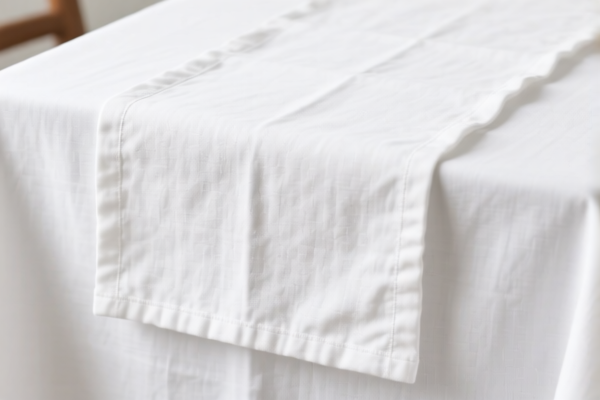
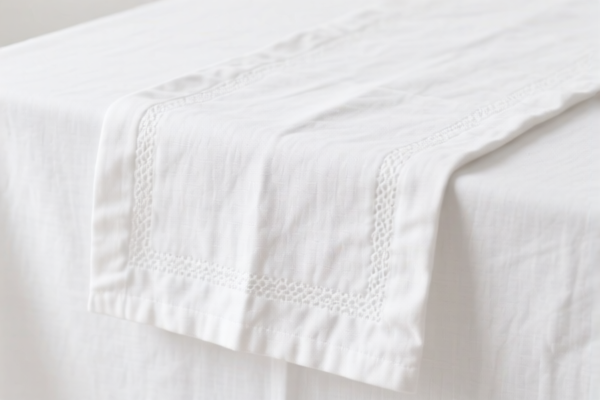
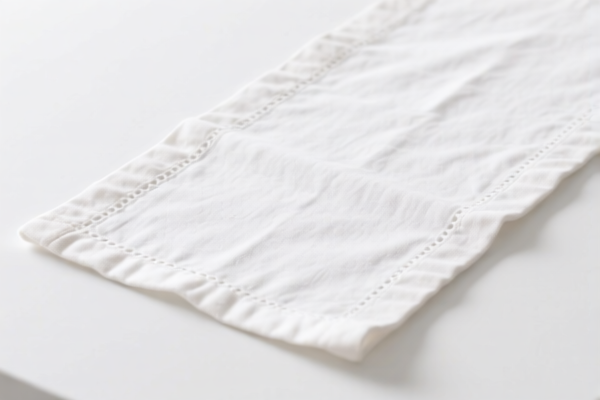
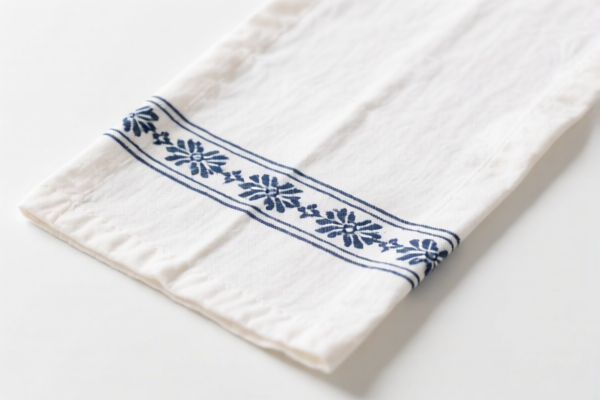
AI Analysis
🎄 Christmas Table Runner (Holiday Linens)
🌐 HS Code Reference & Customs Clearance Guide | 2026 Latest Tariff Analysis | Strategic Entry for Home Textiles
📌 I. Product Definition: What is a "Christmas Table Runner"?
A Table Runner is a rectangular piece of fabric placed longitudinally down the center of a dining table. In the context of holiday imports (specifically Christmas), it serves as a decorative furnishing article.
Key Classification Factors: 1. Function: Household furnishing/decorative (not primarily for eating/cleaning like napkins). 2. Material: Commonly Cotton, Polyester, Linen, or blended fibers. 3. Construction: Woven, Knitted, or Crocheted? (Most runners are woven or non-knitted woven). 4. Design: Printed or embroidered with holiday motifs.
⚠️ Critical Distinction:
- If it is a napkin (used for wiping mouth) → It falls under Table Linens (6302.51/6302.53).
- If it is a decorative runner (placed on the table for aesthetics) → It falls under Furnishing Articles (6304.92/6304.99).
Note: Customs often scrutinize the "primary use." Purely decorative runners are Furnishing Articles.
📦 II. HS Code Classification Details (2026 Authority Mapping)
Based on the provided data, here are the 5 most relevant HS Codes for Christmas Table Runners, ranked by commonality and tax efficiency.
| HS Code | Product Description | Applicability & Logic | Material/State Assumption |
|---|---|---|---|
| 6304.92.00.00 | Other Furnishing Articles, of Cotton | 🏆 Most Common Match. Table runners are classified as "Furnishing Articles" (家饰用品). If made of cotton, this is the primary code. | Cotton / Non-knitted |
| 6302.51.40.00 | Table Linens, of Cotton | Used if the runner is considered "Table Linen" (e.g., part of a tablecloth set or primarily functional). Matches "Table Cloth/Table Linen" category. | Cotton |
| 6304.99.60.40 | Other Furnishing Articles (Other Textiles) | Used if the material is NOT cotton (e.g., Polyester, Linen, Synthetic blend). Falls under the "Other" category of furnishing articles. | Non-Cotton (e.g., Poly) |
| 6302.53.00.30 | Table Linens, of Synthetic Fibers | Used if classified as "Table Linen" but made of Synthetic Fibers (Polyester/Acrylic). | Synthetic Fibers |
| 5807.10.20.90 | Labels, Badges & Similar Articles | ⚠️ Rare/Low Probability. Only applies if the runner is essentially a "woven label" or very narrow strip-like textile item. Generally not recommended for standard wide runners. | Woven Label/Strip |
🔍 Strategic Note:
- 6304.92.00.00 and 6304.99.60.40 are typically the most accurate for decorative runners.
- 6302.51.40.00 and 6302.53.00.30 are used if the item is deemed a "Table Linen" (e.g., sold as part of a dining set).
- The choice between 6304 (Furnishing) and 6302 (Table Linen) depends on the primary use declared in the commercial invoice.
💰 III. 2026 Tariff Rate Breakdown (US Import from China)
✅ Applicable Country: United States (US)
✅ Origin: China (CN)
✅ Effective Date: Post-November 2025 (Current Regime)
📌 Tax Components:
- Base Duty: MFN Rate
- Section 301 (122 Section): 7.5%
- IEEPA (Section 122/Trump Tariff): 10%
🎯 1. 6304.92.00.00 (Cotton Furnishing Article)
Best for: Standard Cotton Christmas Runners
| Item | Rate/Detail |
|---|---|
| Base Duty | 6.3% |
| Section 301 Tax | 7.5% |
| IEEPA (122 Clause) | 10.0% |
| Total Tariff Rate | 23.8% |
| Calculation | CIF Value × 23.8% |
| De Minimis Exemption? | ❌ NO (Below $800, but textile items from China are often excluded or scrutinized; check current CBP enforcement on Section 301 textiles). |
| Legal Path | HTS:6304.92.00.00 → Footnote: Section 301 (7.5%) → IEEPA:9903.01.24 (10%) |
📌 Explanation:
- This is a standard home textile classification.
- Total 23.8% is manageable for high-margin home decor items.
- Must ensure the product is declared as "Furnishing Article" not "Apparel" to avoid higher rates.
🎯 2. 6304.99.60.40 (Non-Cotton Furnishing Article)
Best for: Polyester, Linen, or Blended Runners
| Item | Rate/Detail |
|---|---|
| Base Duty | 3.2% |
| Section 301 Tax | 7.5% |
| IEEPA (122 Clause) | 10.0% |
| Total Tariff Rate | 20.7% |
| Calculation | CIF Value × 20.7% |
| De Minimis Exemption? | ❌ NO |
| Legal Path | HTS:6304.99.60.40 → Footnote: Section 301 (7.5%) → IEEPA:9903.01.24 (10%) |
📌 Advantage:
- Lowest Base Duty (3.2%) among furnishing articles.
- Total 20.7% is the most tax-efficient option if you use polyester or synthetic blends.
- Ideal for cost-sensitive supply chains.
🎯 3. 6302.51.40.00 (Cotton Table Linen)
Best for: Runners declared as "Table Linens"
| Item | Rate/Detail |
|---|---|
| Base Duty | 6.3% |
| Section 301 Tax | 7.5% |
| IEEPA (122 Clause) | 10.0% |
| Total Tariff Rate | 23.8% |
| Calculation | CIF Value × 23.8% |
| De Minimis Exemption? | ❌ NO |
| Legal Path | HTS:6302.51.40.00 → Footnote: Section 301 (7.5%) → IEEPA:9903.01.24 (10%) |
📌 Note:
- Same rate as6304.92.00.00.
- Risk: If CBP determines it is a "Furnishing Article" not a "Table Linen," they may reclassify to 6304 (same rate, but different description).
🎯 4. 6302.53.00.30 (Synthetic Table Linen)
Best for: Synthetic Table Linens
| Item | Rate/Detail |
|---|---|
| Base Duty | 11.3% |
| Section 301 Tax | 7.5% |
| IEEPA (122 Clause) | 10.0% |
| Total Tariff Rate | 28.8% |
| Calculation | CIF Value × 28.8% |
| De Minimis Exemption? | ❌ NO |
📌 Warning:
- Highest Base Duty (11.3%) among the main options.
- Total 28.8% is significantly higher than6304.99(20.7%).
- Avoid this code unless the product is strictly defined as a "Table Linen" made of synthetics and 6304 codes are not applicable.
🎯 5. 5807.10.20.90 (Labels/Badges - Woven)
Best for: Narrow woven strips (NOT recommended for standard runners)
| Item | Rate/Detail |
|---|---|
| Base Duty | 3.3% |
| Section 301 Tax | 25.0% |
| IEEPA (122 Clause) | 10.0% |
| Total Tariff Rate | 38.3% |
| Calculation | CIF Value × 38.3% |
| De Minimis Exemption? | ❌ NO |
📌 Warning:
- Highest Total Rate (38.3%).
- Section 301 is 25% (high threshold for textile accessories).
- Do NOT use this for standard table runners. Only use for very narrow woven labels or tags.
🛠️ IV. Customs Clearance Practical Advice
✅ 1. Required Documentation Checklist
| Document | Required? | Notes |
|---|---|---|
| Commercial Invoice | ✔️ | Must specify: "Table Runner," Material (e.g., 100% Cotton), Use (Decorative). |
| Packing List | ✔️ | Include dimensions (Length x Width) to prove it's a runner, not a tablecloth. |
| Product Photos | ✔️ | Show the full runner, pattern, and any hanging tags. |
| Material Composition Label | ✔️ | Must state % Cotton/Polyester/etc. as per US labeling laws. |
| Country of Origin Certificate | ✔️ | Essential for 301/IEEPA duty calculation. |
| FCC/CPSC? | ❌ | Not required for textiles (unless it has electronic lights). |
✅ 2. Declaration Strategy (Key Tips)
🔥 "Declare Function, Specify Material, Avoid 'Apparel'!"
| Scenario | Recommended HS Code | Why? |
|---|---|---|
| 100% Cotton Runner | 6304.92.00.00 |
"Furnishing Article" is more accurate for decor. Rate: 23.8%. |
| Polyester Runner | 6304.99.60.40 |
"Other Furnishing Article." Rate: 20.7% (Best Value). |
| Blended (Cotton/Poly) | 6304.92.00.00 or 6304.99.60.40 |
Depends on principal material. If cotton >50%, use 6304.92. If poly >50%, use 6304.99. |
| Runners with LED Lights | Different Code | Likely 6304.90 or 9405 (Lamps). Textile code may not apply. Consult specialist. |
⚠️ Critical Tip:
- Do NOT describe the product as "Table Cloth" if it is narrow. CBP may reject "Table Linen" (6302) and reclassify to "Furnishing Article" (6304), which has the same tax but different legal definition.
- Use the term "Decorative Table Runner" to emphasize its furnishing nature.
✅ 3. Special Cases & Pitfalls
| Issue | Solution |
|---|---|
| De Minimis ($800) | ❌ Do NOT rely on Section 321 for Chinese Textiles. US CBP has increased scrutiny on Section 301 textiles via de minimis. Always declare properly. |
| Material Mix-Up | If you declare 100% Cotton but find 50% Polyester, you risk penalties and reclassification. Ensure labels match invoice. |
| "Made in China" Label | Must be permanently attached. If missing, CBP may detain shipment. |
| Pattern Design | If the pattern is copyrighted (e.g., Disney, Harry Potter), you may face IPR seizures. Ensure you have rights to the design. |
🌍 V. Global Market Comparison (2026)
| Country | HS Code | Duty Rate | Notes |
|---|---|---|---|
| 🇺🇸 USA | 6304.92.00.00 |
23.8% | Includes 301 + IEEPA taxes. |
| 🇺🇸 USA | 6304.99.60.40 |
20.7% | Best for synthetic blends. |
| 🇨🇳 China | 6304.92.00.00 |
10.0% | Export duty? Usually 0% for exports. |
| 🇪🇺 EU | 6304.92.00 |
12% | No 301/IEEPA taxes. Easier clearance. |
| 🇬🇧 UK | 6304.92.00 |
12% | Post-Brexit tariff. |
📌 Conclusion:
- The US market has the highest duty burden (20.7%-23.8%) due to trade policies.
- Polyester (6304.99) is slightly cheaper than Cotton (6304.92) in duties.
- Consider sourcing from Vietnam/Mexico if possible to avoid Section 301 taxes (though IEEPA may still apply).
📌 VI. Common Mistakes & Avoidance Guide
❌ Mistake 1: Using 5807.10 for standard runners.
👉 Result: 38.3% tax + Rejection for incorrect classification.
✅ Fix: Use 6304 codes.
❌ Mistake 2: Declaring as "Table Linen" (6302) for purely decorative items.
👉 Result: CBP may reclassify to 6304 (same tax) but cause delays.
✅ Fix: Use "Furnishing Article" description for runners.
❌ Mistake 3: Ignoring Material Composition.
👉 Result: Misdeclaration penalties.
✅ Fix: Ensure label matches invoice (e.g., "100% Cotton").
❌ Mistake 4: Assuming De Minimis ($800) exemption.
👉 Result: Goods held by CBP for detailed examination and duty payment.
✅ Fix: Declare all shipments from China with proper HTS codes.
🎯 VII. Conclusion: Optimize Your Christmas Textile Imports
🎯 Key Takeaways:
🔹 Best Code for Cotton:
6304.92.00.00→ 23.8% Total Duty
🔹 Best Code for Polyester:6304.99.60.40→ 20.7% Total Duty
🔹 Avoid:5807.10(Too high tax) and6302.53(High base duty) unless strictly defined as Table Linen.
🔹 Always Declare: "Decorative Table Runner," Material, and "Furnishing Article."
📌 Pro Tip:
- For large volumes, apply for an Advance Ruling (CBP Ruling Letter) to lock in the HS code classification.
- Consider supply chain diversification to countries not subject to Section 301 if margins are tight.
📣 Call to Action:
📞 Consult your customs broker to confirm the material composition.
📝 Update your commercial invoice with precise "Furnishing Article" language.
🚀 Clear your Christmas inventory smoothly and profitably!
✨ Smart Classification, Higher Profits!
💼 Every percent saved is pure profit.
Customer Reviews
About HS Code Classification
The Harmonized System (HS) is an internationally standardized nomenclature developed by the World Customs Organization (WCO) to classify traded products. Over 200 countries use the HS system as the basis for customs tariffs, trade statistics, and import/export regulations.
Each HS code follows a hierarchical structure:
- Chapter (2 digits) — Broad category of goods (e.g., Chapter 84: Machinery and Mechanical Appliances)
- Heading (4 digits) — More specific grouping within the chapter
- Subheading (6 digits) — Internationally standardized breakdown, used by all WCO member countries
- National subdivisions (8-10 digits) — Country-specific extensions for further classification, such as US HTSUS 10-digit codes
Correct HS code classification is essential for smooth customs clearance, accurate duty payment, and compliance with trade regulations. Misclassification can lead to customs delays, overpayment of duties, or penalties.
When importing from CN to US, the applicable tariff rates may include:
- Most-Favored-Nation (MFN) rate — The standard duty rate applied to WTO members
- General rate — Applied to countries without trade agreements
- Trade remedy duties — Additional tariffs such as Section 301 (anti-dumping), Section 232 (national security), or countervailing duties
The information provided on this page is for reference purposes only. For official classification, please consult with your local customs authority or a licensed customs broker.