Christmas Tree Base Decoration
CN → US| HS Code | Tariff Rate | Origin | Destination | Doc |
|---|---|---|---|---|
| 9505102500 | 10.0% | CN | US | Official Doc |
| 7018105000 | 35.0% | CN | US | Official Doc |
| 7018905000 | 41.6% | CN | US | Official Doc |
| 3926400010 | 15.3% | CN | US | Official Doc |
| 3926400090 | 15.3% | CN | US | Official Doc |
Product Images

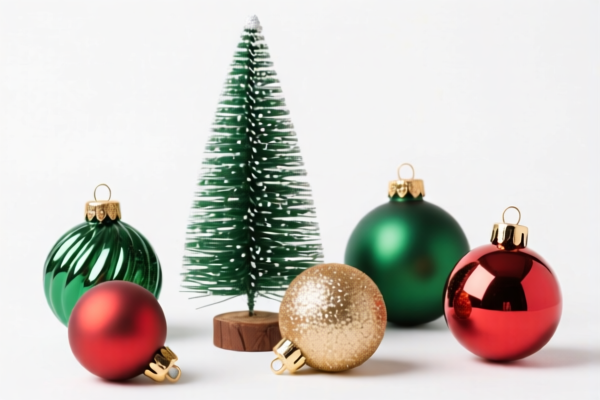
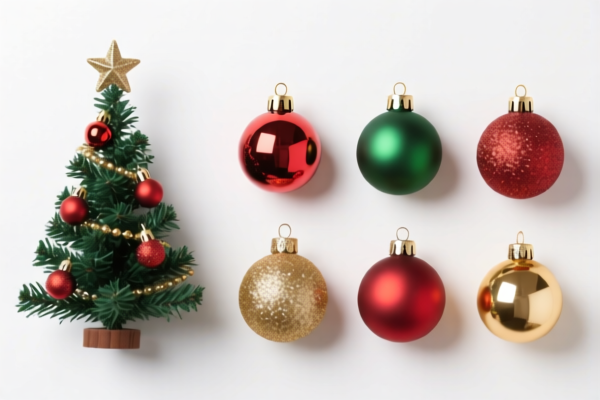

AI Analysis
🎄 Christmas Tree Base Decoration (Skirts, Bases, and Ornaments)
🌐 HS Code Reference & Customs Clearance Guide | 2026 Latest Tariff Analysis | Professional Clearance Strategy
📌 Part 1: Product Definition & Classification: What Exactly Are You Importing?
Christmas tree base decorations encompass a wide range of festive items used to conceal the tree stand, protect flooring, or add aesthetic value to the base of the tree. In international trade, these are not a single homogeneous product but are classified based on material and specific use.
Key Distinctions:
Festive Articles (Plastic/Mixed): Items explicitly designed as "Christmas decorations" (e.g., plastic skirts, mixed-material bases) → Chapter 95.
Glass Ornaments: Glass baubles, filigree, or "glasswork" used decoratively → Chapter 70.
Plastic Decorative Articles: Generic plastic decorative items (bows, specific plastic bases) not explicitly defined as festive → Chapter 39*.
⚠️ Critical Classification Point:
- If the item is explicitly a "Christmas decoration" (e.g., a tree skirt with festive patterns, plastic snowmen at the base), it falls under HS 9505.10.25.00.
- If the item is glass (e.g., glass baubles placed at the base, glass figurines), it falls under HS 7018.10.50.00 or 7018.90.50.00.
- If the item is plastic but considered a generic decorative article (e.g., a plastic bow or non-festive plastic base) → HS 3926.40.00.10 or 3926.40.00.90.
📦 Part 2: HS Code Classification Details (2026 Latest Tariff Authority Comparison)
| HS Code | Product Description | Applicable Scenario | Material Conflict? |
|---|---|---|---|
9505.10.25.00 |
Festive, carnival or other entertainment articles, including conjuring tricks and practical joke articles; parts and accessories thereof: Articles for Christmas festivities: Other | Primary Choice for Christmas tree skirts, bases, and decorations explicitly labeled as "Christmas decorations." | ✅ No conflict. Explicitly covers "Christmas decorations." |
7018.10.50.00 |
Glassware: Artificial flowers, foliage and fruits and parts thereof; artificial jewellery and parts thereof: Of other glass, whether or not lead-crystal: Other | Inference: Glass or man-made material decorations (e.g., glass beads, filigree) used at the base. | ✅ No conflict. Fits "glass small articles" category. |
7018.90.50.00 |
Glassware: Other glassware: Other: Other | Inference: Glass Christmas tree ornaments or "lampwork glass" statues/decorations. | ✅ No conflict. Specifically mentions "lampwork glass small statues and other ornaments." |
3926.40.00.10 |
Other articles of plastics: Bows and clasps: Bows and similar ornaments | Inference: Plastic decorative bows or plastic bases classified as decorative articles. | ✅ No conflict. Fits "decorative bows and similar products." |
3926.40.00.90 |
Other articles of plastics: Bows and clasps: Other | Inference: Generic plastic decorative items (e.g., plastic base covers, non-festive plastic ornaments). | ✅ No conflict. Fits "other plastic decorative articles." |
🔍 Key Reminder:
- "Christmas Decoration" Trumps Material: If the item is clearly a Christmas decoration (like a tree skirt), HS 9505.10.25.00 is the most appropriate and often has the lowest total tax.
- Glass is High Tax: Glass items (HS 7018) attract significantly higher tariffs due to base duties + Section 301 tariffs.
- Plastic is Moderate: Plastic items (HS 3926) have moderate base duties but avoid the high glass tax rates.
💰 Part 3: 2026 Latest Tariff Rate Breakdown (Including Surtaxes & Policy Add-ons)
✅ Applicable Country: United States (US)
✅ Origin: China (CN)
✅ Effective Time: 2025 November 10 onwards (including subsequent imports)
🎯 1. 9505.10.25.00 —— Christmas Decorations (Best Value)
| Item | Content |
|---|---|
| Base Tariff | 0% (ad valorem) |
| USITC Surtax (Section 301) | 0.0% |
| IEEPA Surtax (Section 122/Other) | +10% (Specific to Chinese products) |
| Total Tariff Rate | 10.0% |
| Tax Calculation | CIF Value × 10% |
| De Minimis Eligibility | ❌ Not Eligible (deny_de_minimis) |
| Legal Basis Path | IEEPA:9903.01.24 → USITC:9505.10.25.00 → FOOTNOTE:122_clause |
📌 Explanation:
- This is the most favorable rate for Christmas decorations.
- The 10% IEEPA tax is the only surcharge.
- No Section 301 (25%) applies here, unlike glass or some plastic items.
- Total Cost Impact: Only 10% of CIF value.
🎯 2. 7018.10.50.00 —— Glass Decorations (High Tax)
| Item | Content |
|---|---|
| Base Tariff | 0% (ad valorem) |
| USITC Surtax (Section 301) | +25.0% |
| IEEPA Surtax | +10% |
| Total Tariff Rate | 35.0% |
| Tax Calculation | CIF Value × 35% |
| De Minimis Eligibility | ❌ Not Eligible |
| Legal Basis Path | IEEPA:9903.01.24 → USITC:7018.10.50.00 → FOOTNOTE:9903.88.01 |
📌 Note:
- Even though the base tariff is 0%, the 35% total rate is high.
- Applies to glass beads, glass filigree, or other glass decorations.
- Cost Impact: 3.5x the CIF value in taxes.
🎯 3. 7018.90.50.00 —— Glass Ornaments (Highest Tax)
| Item | Content |
|---|---|
| Base Tariff | 6.6% (ad valorem) |
| USITC Surtax (Section 301) | +25.0% |
| IEEPA Surtax | +10% |
| Total Tariff Rate | 41.6% |
| Tax Calculation | CIF Value × 41.6% |
| De Minimis Eligibility | ❌ Not Eligible |
| Legal Basis Path | IEEPA:9903.01.24 → USITC:7018.90.50.00 → FOOTNOTE:9903.88.01 |
📌 Warning:
- This is the highest tax bracket among the options.
- Applies to lampwork glass statues or specific glass ornaments.
- Cost Impact: Over 40% of CIF value. Avoid if possible.
🎯 4. 3926.40.00.10 & 3926.40.00.90 —— Plastic Decorations (Moderate Tax)
| Item | Content |
|---|---|
| Base Tariff | 5.3% (ad valorem) |
| USITC Surtax (Section 301) | 0.0% |
| IEEPA Surtax | +10% |
| Total Tariff Rate | 15.3% |
| Tax Calculation | CIF Value × 15.3% |
| De Minimis Eligibility | ❌ Not Eligible |
| Legal Basis Path | IEEPA:9903.01.24 → USITC:3926.40.00.90 |
📌 Note:
- Applies to plastic bows, plastic bases, or generic plastic decorations.
- 15.3% total rate is moderate.
- Cost Impact: 1.53x the CIF value in taxes. Better than glass, but worse than festive-specific plastic.
🛠️ Part 4: Customs Clearance Practical Advice (Pitfall Avoidance Guide)
✅ 1. Documentation Checklist (Mandatory)
| Document | Must Provide | Description |
|---|---|---|
| ✅ Product Specifications | ✔️ | Detailed description: Material, Dimensions, Weight, Use Case. |
| ✅ Product Photos | ✔️ | Clear images showing the item at the base of a tree to prove "Christmas Decor" use. |
| ✅ Commercial Invoice | ✔️ | Must state "Christmas Tree Decoration" or "Christmas Tree Base Skirt". Avoid vague terms like "Plastic Part." |
| ✅ Packing List | ✔️ | List each item clearly. Do not combine glass and plastic in one line if they have different HS codes. |
| ✅ Fiber Content Label | ✔️ | If the base is fabric-based (e.g., felt skirt), provide fiber content (e.g., "100% Polyester"). |
| ✅ Third-Party Testing | ✔️ | CPSIA (if for children), ASTM F963, or general safety tests. |
✅ 2. Declaration Tips (Key Mantra)
🔥 “Name it Christmas, Claim the 10%!”
| Scenario | Correct Declaration | Wrong Action |
|---|---|---|
| Tree Skirt (Fabric/Plastic) | "Christmas Tree Skirt, Decorative Article, HS 9505.10.25.00" | Calling it "Household Textile" or "Plastic Sheet" → Higher tax/Retrieval. |
| Plastic Base Cover | "Christmas Tree Base Cover, Plastic, HS 9505.10.25.00" | Calling it "Plastic Container" → HS 3926 (15.3%) or wrong classification. |
| Glass Baubles at Base | "Glass Christmas Ornaments, HS 7018.10.50.00" | Calling it "Glass Jar" → Wrong HS, Penalty. |
| Mixed Box (Plastic + Glass) | Split Declaration | Mixing in one HS code → Customs seizure or reclassification to highest tax. |
✅ 3. Special Cases Handling
| Situation | Handling Advice |
|---|---|
| Fabric Tree Skirts | Ensure they are not classified as textiles (Chapter 63) if they are purely decorative. HS 9505 is preferred for festive items. If purely functional (no festive design), may be Chapter 63. |
| LED-Lit Bases | If the base has electronic components (LEDs, batteries), it may fall under Chapter 85 (Electrical). However, if LEDs are minor/incidental, HS 9505 may still apply. Consult a broker. |
| OEM Custom Designs | Provide design proofs. If the design is unique, emphasize "Christmas Festival" in the description. |
| Sample Shipments | Even samples are subject to deny_de_minimis. Do not mark as "Free Samples" to avoid tariffs; use correct HS code. |
🌍 Part 5: Global Market Clearance Comparison (2026 Latest)
| Country/Region | Recommended HS Code | Tariff Rate (China Origin) | Certification Requirements | Notes |
|---|---|---|---|---|
| 🇺🇸 USA | 9505.10.25.00 |
10% (Best) | CPSIA, ASTM F963 | Lowest Tax Option for Christmas items. |
| 🇺🇸 USA (Glass) | 7018.90.50.00 |
41.6% (Worst) | CE, RoHS (Export) | Avoid glass if possible due to high tax. |
| 🇪🇺 EU | 9505.00.90 |
0% - 4% | CE, REACH | No Section 301. Much lower tax than US. |
| 🇨🇦 Canada | 9505.10.00 |
0% | CSST, Canada Consumer Product Safety Act | Competitive market. |
| 🇬🇧 UK | 9505.10.00 |
0% - 5% | UKCA, UK REACH | Post-Brexit rules apply. |
📌 Conclusion:
- USA is the most expensive market due to IEEPA and Section 301 tariffs.
- HS 9505.10.25.00 is the Golden Ticket for Christmas decorations in the US, limiting tax to just 10%.
- Avoid Glass (7018) unless necessary, as it incurs 35-41.6% tax.
- Plastic (3926) is a fallback at 15.3%, but only if not explicitly "Christmas Decor."
📌 Part 6: Common Errors & Pitfall Guide (Lessons Learned)
❌ Error 1: Labeling a Christmas Tree Skirt as "Plastic Sheet" or "Household Textile"
👉 Consequence: Misclassification → Customs may reclassify to HS 3926 (15.3%) or 6306 (Higher Tax) → Penalties & Delays.
❌ Error 2: Declaring Glass Ornaments as "Plastic Ornaments"
👉 Consequence: If inspected and found to be glass → Fraud Allegation, Seizure, and Heavy Fines.
❌ Error 3: Using "Christmas Decoration" for Non-Festive Items
👉 Consequence: If the item is generic (e.g., plain plastic base without festive design), it may be rejected from HS 9505 and reclassified to HS 3926 (15.3%) or others → Unexpected Tax Increase.
❌ Error 4: Ignoring IEEPA 10% Surtax in Costing
👉 Consequence: Budgeting for 0% tax when it’s actually 10% → Profit Margin Erosion.
✅ Correct Practice:
"Christmas Tree Skirt, Red Plush, Decorative, for Christmas Use, Model XYZ"
🎯 Part 7: Conclusion: Precise Classification, Maximize Profit!
🎯 Remember the Mantra:
🔹 "Christmas Decor = HS 9505 = 10% Tax"
🔹 "Glass = HS 7018 = 35-41% Tax"
🔹 "Generic Plastic = HS 3926 = 15% Tax"
🔹 "Name it Right, Save 25-31%!"
📌 Pro Tip:
If you are importing large volumes, consider applying for an HS Code Advance Ruling from US Customs (CBP) to confirm classification for new designs. This provides legal certainty and avoids costly reclassification penalties.
📣 Immediate Action:
📞 Contact your customs broker with product photos and clear descriptions.
🚀 Declare as "Christmas Decoration" to leverage the 10% tariff rate under HS 9505.10.25.00.
💼 Your profit margin depends on accurate classification!
✨ Professional Clearance Starts with Accurate Classification!
💼 Every percent of tax saved is pure profit!
Customer Reviews
About HS Code Classification
The Harmonized System (HS) is an internationally standardized nomenclature developed by the World Customs Organization (WCO) to classify traded products. Over 200 countries use the HS system as the basis for customs tariffs, trade statistics, and import/export regulations.
Each HS code follows a hierarchical structure:
- Chapter (2 digits) — Broad category of goods (e.g., Chapter 84: Machinery and Mechanical Appliances)
- Heading (4 digits) — More specific grouping within the chapter
- Subheading (6 digits) — Internationally standardized breakdown, used by all WCO member countries
- National subdivisions (8-10 digits) — Country-specific extensions for further classification, such as US HTSUS 10-digit codes
Correct HS code classification is essential for smooth customs clearance, accurate duty payment, and compliance with trade regulations. Misclassification can lead to customs delays, overpayment of duties, or penalties.
When importing from CN to US, the applicable tariff rates may include:
- Most-Favored-Nation (MFN) rate — The standard duty rate applied to WTO members
- General rate — Applied to countries without trade agreements
- Trade remedy duties — Additional tariffs such as Section 301 (anti-dumping), Section 232 (national security), or countervailing duties
The information provided on this page is for reference purposes only. For official classification, please consult with your local customs authority or a licensed customs broker.