Cigarette Filter
CN → US| HS Code | Tariff Rate | Origin | Destination | Doc |
|---|---|---|---|---|
| 9614009890 | 0.0% | CN | US | Official Doc |
| 9614002830 | 0.0% | CN | US | Official Doc |
| 5603110070 | 35.0% | CN | US | Official Doc |
| 3926904800 | 13.4% | CN | US | Official Doc |
| 5603910090 | 35.0% | CN | US | Official Doc |
| 3926909989 | 22.8% | CN | US | Official Doc |
Product Images
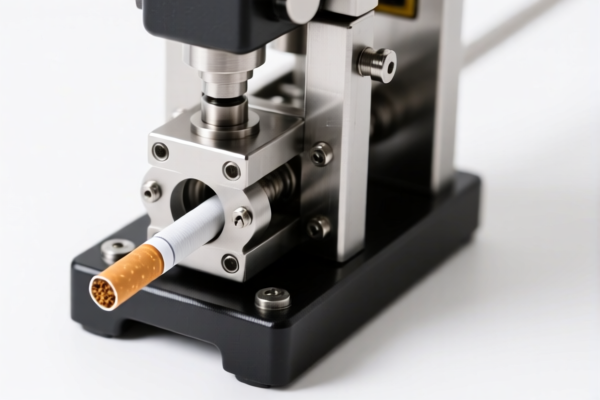
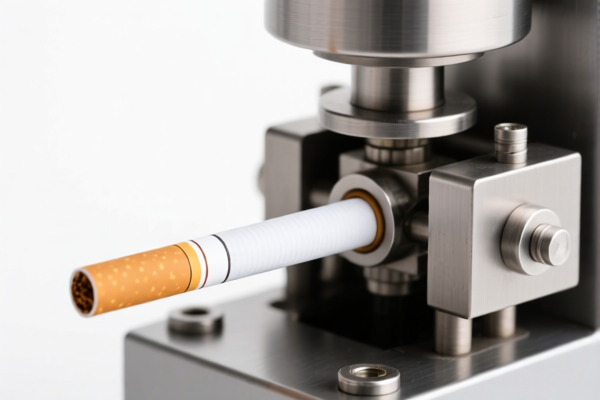
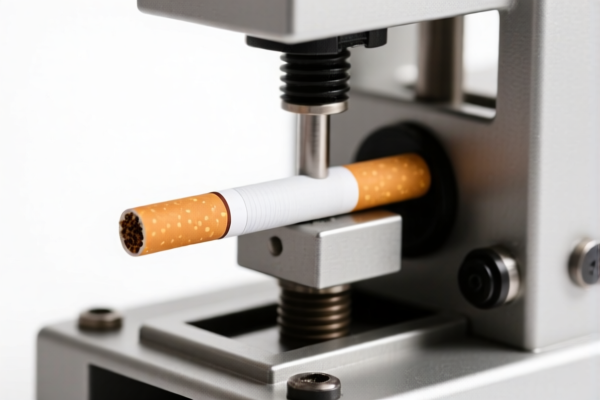
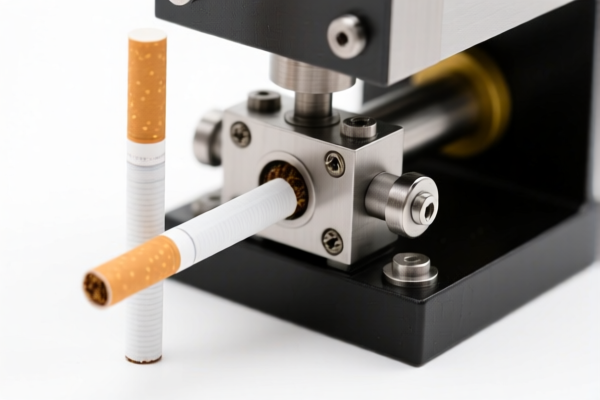
AI Analysis
🚬 Cigarette Filters (Smoking Accessories)
🌐 HS Code Reference & Customs Clearance Guide | 2026 Latest Tariff Analysis | Professional Clearance Strategy
📌 I. Product Definition & Classification: Understanding "Cigarette Filters"
Cigarette filters, technically known as tobacco rod filters, are essential components in the manufacturing of filtered cigarettes. Their primary function is to reduce the intake of tar, nicotine, and other harmful particulates from tobacco smoke.
In international trade, these products are classified based on their material composition and specific intended use. The classification logic hinges on whether the item is considered a "part/accessory" of a smoking pipe/d-holder (Chapter 96) or a distinct manufactured good made of non-woven fabrics or plastics (Chapters 56 or 39).
⚠️ Key Distinction:
- If the item is a replacement part for a pipe/holder (e.g., ceramic, glass, or specific plastic inserts), it may fall under Chapter 96.
- If the item is a disposable filter for cigarettes (made of cellulose acetate, plastic, or non-woven fabric), it is typically classified under Chapter 56 (Non-wovens) or Chapter 39 (Plastics).
- Note: The provided data suggests a complex mix of HS codes, likely reflecting different material types (e.g., non-woven fabric vs. plastic parts) and specific usage scenarios (accessories vs. consumables).
📦 II. HS Code Classification Details (2026 Latest Tariff Authority)
Based on the provided data, here are the potential HS Code classifications for Cigarette Filters, sorted by material and logical deduction:
| HS Code | Product Description | Material Deduction | Logical Reasoning |
|---|---|---|---|
9614.00.28.30 |
Parts of pipes and pipe holders (Filters) | Plastic or Fiber | Classified as a part/accessory. Specifically identified as a plastic or fiber-based filter component for pipes/holders. |
9614.00.98.90 |
Other pipes and pipe holders; parts thereof | Non-Glass (e.g., Plastic/Wood) | Fits the "Other" category for non-glass materials. Deduced as a holding accessory or non-specific part not listed in other specific pipe subheadings. |
5603.11.00.70 |
Non-woven fabrics, weighing > 70 g/m² | Non-woven Fabric | Deduced as a prepared non-woven fabric product. Fits the classification for manufactured non-woven制品 (products). |
5603.91.00.90 |
Other non-woven fabrics (Weight ≤ 70 g/m²) | Non-woven Fabric/Fabric | Deduced as fiber/fabric-based non-woven material. Fits the "Other" fallback category for non-wovens. |
3926.90.48.00 |
Other articles of plastics | Plastic/Fiber Composite | Deduced as a plastic or fiber-based consumable accessory. Fits the classification for "Other articles of plastics" used as consumable parts. |
3926.90.99.89 |
Other articles of plastics (Other) | Plastic/Fiber | Deduced as a plastic/fiber-based article not specified elsewhere. Fits the "Other" (Other) category for miscellaneous plastic items. |
🔍 Critical Reminder:
- Disposable Cigarette Filters (standard cellulose acetate) are most commonly associated with Non-woven fabric (Ch 56) or Plastic (Ch 39) categories depending on weight and specific manufacturing process, NOT Chapter 96 (which is for reusable pipe accessories).
- If the product is a reusable filter for a pipe or holding device, it falls under 9614.
- Misclassification Risk: Declaring a disposable cigarette filter as a "Pipe Part" (9614) may result in incorrect duty application and customs delays.
💰 III. 2026 Latest Tariff Rate Details (Including Surtaxes & Policy Surcharges)
✅ Applicable Country: USA (US)
✅ Country of Origin: China (CN)
✅ Effective Date: 2025/2026 Tariff Regime
🎯 1. 9614.00.28.30 – Pipe Holder Accessories (Plastic/Fiber Filter)
| Item | Details |
|---|---|
| Base Tariff | 0.3¢ each + 3.2% (ad valorem) |
| Section 301 Surtax | 0.0% |
| Section 122 Surtax | 10.0% |
| Total Effective Rate | 13.2% + 0.3¢/unit |
| Calculation Basis | Specific duty (0.3¢/unit) + Ad Valorem (13.2% on CIF value) |
| De Minimis Exemption | ❌ Not Applicable (Section 122 tax usually applies regardless of value) |
| Legal Reference Path | HTSUS:9614.00.28.30 → Section 301: 0% → Section 122: 10% |
📌 Interpretation:
- This classification benefits from 0% Section 301 tax but is subject to a 10% Section 122 surtax.
- The base rate includes a specific duty (0.3¢ per unit), which can be significant for high-volume, low-value items.
🎯 2. 9614.00.98.90 – Other Pipe Parts (Non-Glass)
| Item | Details |
|---|---|
| Base Tariff | 0.5¢ each + 3% |
| Section 301 Surtax | 7.5% |
| Section 122 Surtax | 10.0% |
| Total Effective Rate | 20.5% + 0.5¢/unit |
| Calculation Basis | Specific duty (0.5¢/unit) + Ad Valorem (20.5% on CIF value) |
| De Minimis Exemption | ❌ Not Applicable |
| Legal Reference Path | HTSUS:9614.00.98.90 → Section 301: 7.5% → Section 122: 10% |
📌 Interpretation:
- This "Other" category attracts a 7.5% Section 301 tax in addition to the 10% Section 122 tax.
- Higher base specific duty (0.5¢) and higher ad valorem rate compared to9614.00.28.30.
🎯 3. 5603.11.00.70 – Non-woven Fabrics (> 70 g/m²)
| Item | Details |
|---|---|
| Base Tariff | 0.0% |
| Section 301 Surtax | 25.0% |
| Section 122 Surtax | 10.0% |
| Total Effective Rate | 35.0% |
| Calculation Basis | 35% of CIF Value |
| De Minimis Exemption | ❌ Not Applicable |
| Legal Reference Path | HTSUS:5603.11.00.70 → Section 301: 25% → Section 122: 10% |
📌 Interpretation:
- Standard high-duty rate for Chinese non-woven fabrics.
- No specific duty, purely ad valorem.
🎯 4. 3926.90.48.00 – Other Plastic Articles
| Item | Details |
|---|---|
| Base Tariff | 3.4% |
| Section 301 Surtax | 0.0% |
| Section 122 Surtax | 10.0% |
| Total Effective Rate | 13.4% |
| Calculation Basis | 13.4% of CIF Value |
| De Minimis Exemption | ❌ Not Applicable |
| Legal Reference Path | HTSUS:3926.90.48.00 → Section 301: 0% → Section 122: 10% |
📌 Interpretation:
- Favorable rate due to 0% Section 301 tax.
- Only subject to 10% Section 122 surtax.
- Ideal for plastic-based consumable filters if correctly classified as "other plastic articles."
🎯 5. 5603.91.00.90 – Other Non-woven Fabrics (≤ 70 g/m²)
| Item | Details |
|---|---|
| Base Tariff | 0.0% |
| Section 301 Surtax | 25.0% |
| Section 122 Surtax | 10.0% |
| Total Effective Rate | 35.0% |
| Calculation Basis | 35% of CIF Value |
| De Minimis Exemption | ❌ Not Applicable |
| Legal Reference Path | HTSUS:5603.91.00.90 → Section 301: 25% → Section 122: 10% |
📌 Interpretation:
- Same high-duty structure as heavier non-wovens.
- No distinction in duty rate between heavy and light non-wovens in this specific breakdown.
🎯 6. 3926.90.99.89 – Other Plastic Articles (Other)
| Item | Details |
|---|---|
| Base Tariff | 5.3% |
| Section 301 Surtax | 7.5% |
| Section 122 Surtax | 10.0% |
| Total Effective Rate | 22.8% |
| Calculation Basis | 22.8% of CIF Value |
| De Minimis Exemption | ❌ Not Applicable |
| Legal Reference Path | HTSUS:3926.90.99.89 → Section 301: 7.5% → Section 122: 10% |
📌 Interpretation:
- Mid-range tariff for miscellaneous plastic articles.
- Subject to both 7.5% Section 301 and 10% Section 122 surtaxes.
🛠️ IV. Customs Clearance Practical Advice (Actionable Pitfall Guide)
✅ 1. Documentation Checklist (Mandatory)
| Document | Required | Notes |
|---|---|---|
| Product Specification Sheet | ✔️ | Must specify material (e.g., "Cellulose Acetate," "Non-woven Polypropylene") and weight per square meter (for Ch 56). |
| Product Photos | ✔️ | Clear images showing the filter structure, packaging, and any branding. |
| Commercial Invoice | ✔️ | Must accurately describe the product as "Cigarette Filters" or "Pipe Filter Parts" matching the HS Code. |
| Packing List | ✔️ | Detail the quantity per package. Critical for specific duty calculations (e.g., 0.3¢/unit). |
| Certificate of Origin | ✔️ | To confirm Chinese origin for Section 122/301 application. |
| Material Test Report | ✔️ | If claiming non-woven vs. plastic, a lab report can support the classification. |
✅ 2. Declaration Tips (Key Mnemonics)
🔥 "Material First, Part Second. Specific Duty Needs Precision!"
| Scenario | Correct Declaration | Wrong Declaration | Consequence |
|---|---|---|---|
| Disposable Cigarette Filters (Plastic-based) | 3926.90.48.00 (13.4%) |
9614.00.28.30 |
Overpayment of Section 301 tax (7.5% vs 0%). |
| Disposable Cigarette Filters (Non-woven) | 5603.91.00.90 (35%) |
3926.90.99.89 |
Underpayment of Section 301 tax (25% vs 7.5%) → Penalty Risk! |
| Pipe Filter Accessories (Reusable/Part) | 9614.00.28.30 (13.2%) |
3926.90.48.00 |
Correct, but ensure it's not a disposable consumable. |
| Generic "Plastic Parts" | 3926.90.99.89 (22.8%) |
3926.90.48.00 |
Overpayment of 9.4% in duty. |
✅ 3. Special Situations
| Situation | Handling Advice |
|---|---|
| Mixed Materials | If a filter has a plastic casing and a non-woven core, classify based on the essential character (usually the filtering material) or consult a ruling. |
| OEM/Private Label | Ensure the invoice does not imply tobacco brand association if prohibited. |
| Sample Shipments | Even samples are subject to Section 122 tax (10%) if from China. Do not declare as "Free of Value." |
| De Minimis (Section 321) | Note: Section 122 surtax usually negates the de minimis exemption for Chinese goods. Assume all shipments are taxable. |
🌍 V. Global Market Comparison (2026 Latest)
| Country/Region | Recommended HS Code | Estimated Duty | Certification | Notes |
|---|---|---|---|---|
| 🇺🇸 USA | 3926.90.48.00 / 5603.91.00.90 |
13.4% - 35% | FDA (if applicable), Labeling Compliance | Highest Surtax Risk (Section 122 + 301). |
| 🇨🇳 China | 3926.90.48.00 / 5603.91.00.90 |
5% - 10% | CCC (if required) | No Section 122/301. Lower total cost. |
| 🇪🇺 EU | 3926.90.99 / 5603 |
0% - 6% | CE (if applicable) | No Section 301/122 equivalents. |
| 🇬🇧 UK | 3926.90.99 / 5603 |
0% - 6% | UKCA | Post-Brexit tariff rates may vary slightly. |
📌 Conclusion:
- The USA market is the most expensive for Chinese-origin cigarette filters due to the combination of Section 301 and Section 122 tariffs.
- Plastic-based filters (3926.90.48.00) offer the lowest duty rate (13.4%) compared to non-wovens (35%) or certain pipe parts (20.5%+).
- Strategic Suggestion: If possible, classify goods under3926.90.48.00(0% Section 301) rather than non-wovens (25% Section 301) if the material science supports it.
📌 VI. Common Errors & Pitfall Guide (Blood & Tears Lessons)
❌ Error 1: Declaring disposable filters as "Pipe Parts" (9614) to avoid Section 301.
👉 Result: Customs may reclassify as non-wovens/plastics, leading to underpayment penalties and back taxes.
❌ Error 2: Ignoring Section 122 Tax.
👉 Result: All Chinese-origin goods are subject to 10% Section 122 tax. No de minimis exemption. Failing to declare leads to seizure.
❌ Error 3: Misidentifying Non-woven vs. Plastic.
👉 Result:
- Non-woven: 35% Total Duty.
- Plastic: 13.4% - 22.8% Total Duty.
- Difference: Up to 21.6% savings! Material specification is critical.
❌ Error 4: Incorrect Specific Duty Calculation.
👉 Result: For 9614.00.28.30, 0.3¢/unit is applied. If quantity is 100,000 units, that's $300 in specific duties alone, on top of ad valorem.
✅ Correct Practice:
"Cigarette Filter, Disposable, Material: Cellulose Acetate/Plastic Composite, HS Code: 3926.90.48.00, Origin: China, Subject to Section 122 Tax."
🎯 VII. Conclusion: Precision in Classification Saves Costs!
🎯 Remember the Mnemonic:
🔹 "Plastic Part: 13.4%, Non-woven: 35%, Pipe Part: 13-20%, All Pay Section 122!"
🔹 "Specific Duty Counts, Material Matters, Section 301 is Key!"
📌 Pro Tip:
- If your product is a disposable cigarette filter, aim for 3926.90.48.00 (13.4%) if material allows, as it avoids the 25% Section 301 tax.
- If it is a reusable pipe accessory, 9614.00.28.30 (13.2%) is competitive due to 0% Section 301.
- Always apply for an Advance Ruling if the material classification is ambiguous (e.g., hybrid plastic-nonwoven).
📣 Immediate Action:
📞 Consult your customs broker with material test reports.
📝 Ensure invoices reflect the exact HS Code and duty liability.
🚀 Minimize duty, maximize profit, clear smoothly!
✨ Professional Customs Clearance, Starts with Accurate Classification!
💼 Your Cost Efficiency Depends on the HS Code!
Customer Reviews
About HS Code Classification
The Harmonized System (HS) is an internationally standardized nomenclature developed by the World Customs Organization (WCO) to classify traded products. Over 200 countries use the HS system as the basis for customs tariffs, trade statistics, and import/export regulations.
Each HS code follows a hierarchical structure:
- Chapter (2 digits) — Broad category of goods (e.g., Chapter 84: Machinery and Mechanical Appliances)
- Heading (4 digits) — More specific grouping within the chapter
- Subheading (6 digits) — Internationally standardized breakdown, used by all WCO member countries
- National subdivisions (8-10 digits) — Country-specific extensions for further classification, such as US HTSUS 10-digit codes
Correct HS code classification is essential for smooth customs clearance, accurate duty payment, and compliance with trade regulations. Misclassification can lead to customs delays, overpayment of duties, or penalties.
When importing from CN to US, the applicable tariff rates may include:
- Most-Favored-Nation (MFN) rate — The standard duty rate applied to WTO members
- General rate — Applied to countries without trade agreements
- Trade remedy duties — Additional tariffs such as Section 301 (anti-dumping), Section 232 (national security), or countervailing duties
The information provided on this page is for reference purposes only. For official classification, please consult with your local customs authority or a licensed customs broker.